Brand-specific boiler repairs can be completed in rented accommodation when the work is authorised by the landlord or managing agent and carried out by a suitably qualified engineer. The repair process is broadly the same as in an owner-occupied home, but responsibility for arranging and paying for the work usually rests with the landlord.
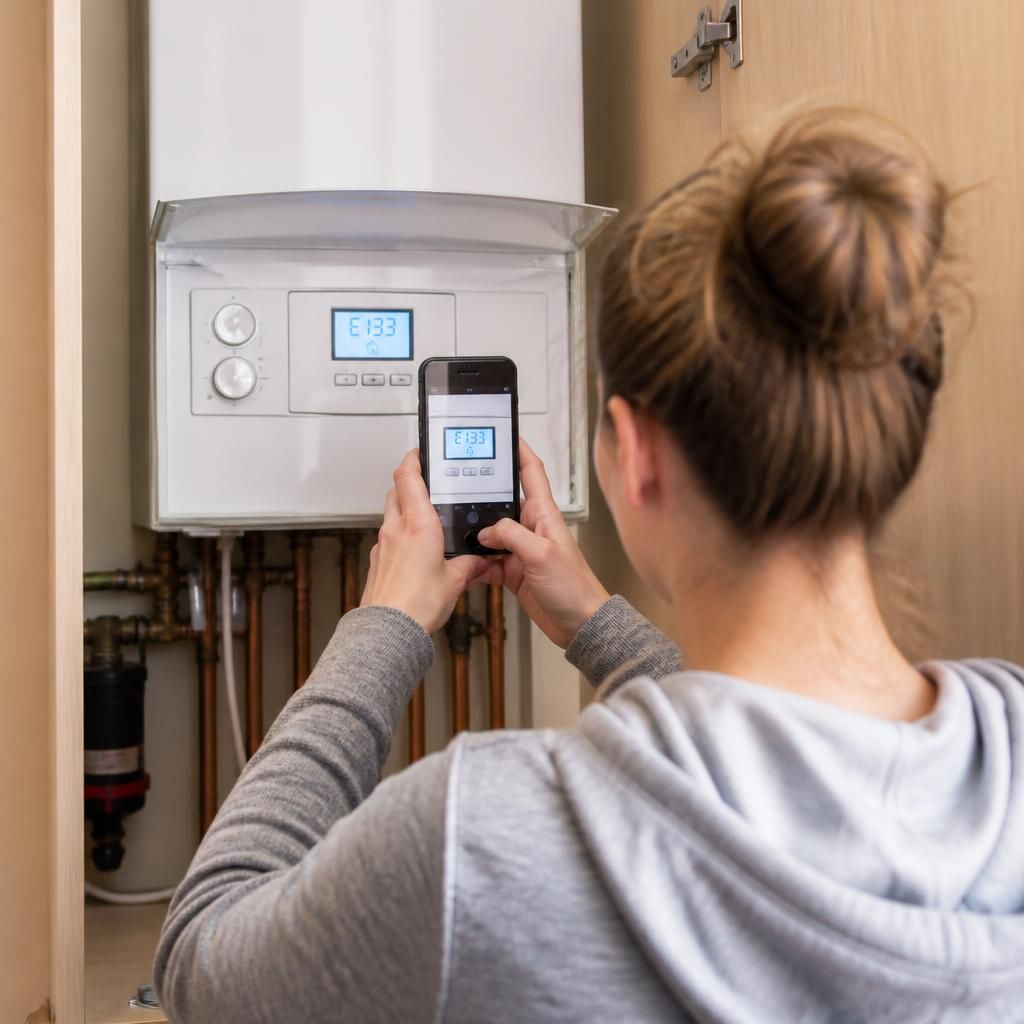
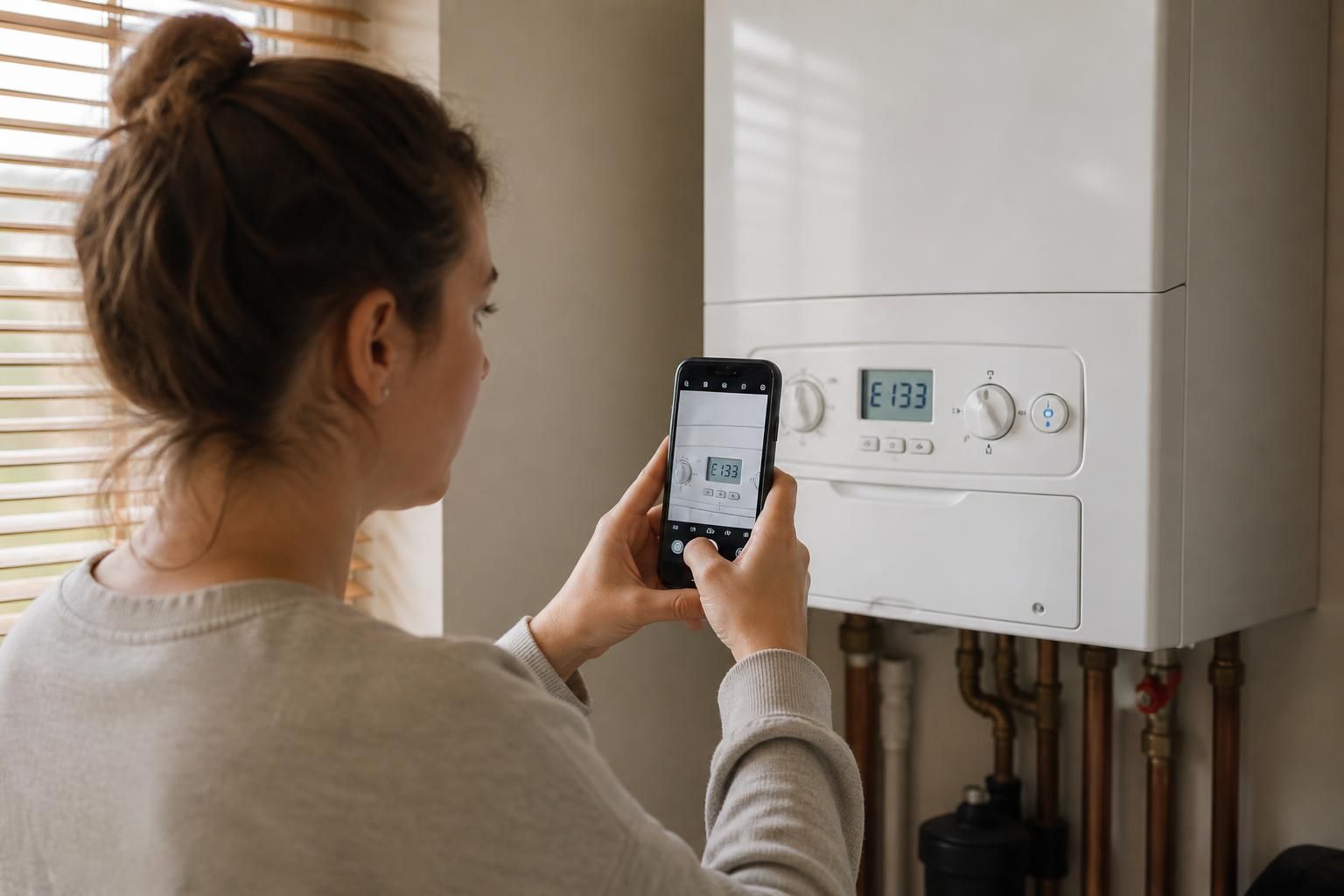
Tenants should report the fault in writing, describing the symptoms clearly and including any fault code shown on the boiler display. Useful details include whether the heating, hot water or both are affected, when the problem began, and whether the appliance is making unusual noises or showing signs of leaking. Photographs of the display or visible damage can help the landlord decide what type of engineer is needed.
A brand-specific repair may involve identifying the exact appliance model, checking its installation and service history, and sourcing a compatible component. Engineers may use manufacturer technical information to confirm the correct diagnostic procedure and replacement parts. A model number is often found on the boiler casing, beneath the front panel or in the appliance documentation. Tenants should not remove covers or interfere with internal components to find it, particularly where the appliance uses gas or electricity.
For gas appliances, repairs must be undertaken by an engineer with the appropriate gas safety qualification for the work involved. A tenant should never attempt to repair, relight or alter a faulty gas boiler beyond the basic instructions provided by the manufacturer. If there is a smell of gas, a suspected carbon monoxide issue, scorching, or a serious leak, occupants should stop using the appliance, ventilate the property if safe to do so, leave the area where necessary and contact the relevant emergency service or landlord immediately.
Landlords are generally responsible for keeping fixed heating and hot water installations in working order, subject to the terms of the tenancy and the cause of the fault. This normally includes arranging repairs to a landlord-provided boiler through a qualified contractor. A tenant may become responsible for costs where the damage resulted from misuse, unauthorised alterations or failure to take reasonable care, but this depends on the circumstances and the tenancy agreement.
- Check the tenancy agreement for the stated reporting procedure.
- Notify the landlord, letting agent or managing agent as soon as the fault is identified.
- Keep records of messages, appointments, fault codes and any instructions received.
- Provide reasonable access for inspection and repair, while agreeing a suitable appointment in advance.
- Do not appoint an engineer privately unless the landlord has given clear written permission.
If the landlord does not arrange an appropriate inspection, the tenant should send a further written request and retain evidence of the problem. The local council’s private-sector housing or environmental health team may be able to advise where a serious unresolved heating or safety issue affects the property. Tenants should also seek independent housing advice before withholding rent or deducting repair costs, as doing so without proper advice can create a separate tenancy dispute.
After a repair, the engineer should explain what was found, what work was completed and whether any limitation remains. The tenant can ask for a written invoice or job report to pass to the landlord. If a component is unavailable or the appliance is beyond economical repair, the landlord may need to consider a further repair decision or replacement, but a particular brand does not automatically mean the whole boiler must be replaced.
For landlords and managing agents, using an experienced plumbing and heating professional helps ensure that the reported symptoms, appliance details and repair records are assessed together. A clear diagnosis is especially important in rented properties because it supports safety compliance, transparent communication with the tenant and an appropriate decision between repairing the existing boiler and investigating a wider installation issue.