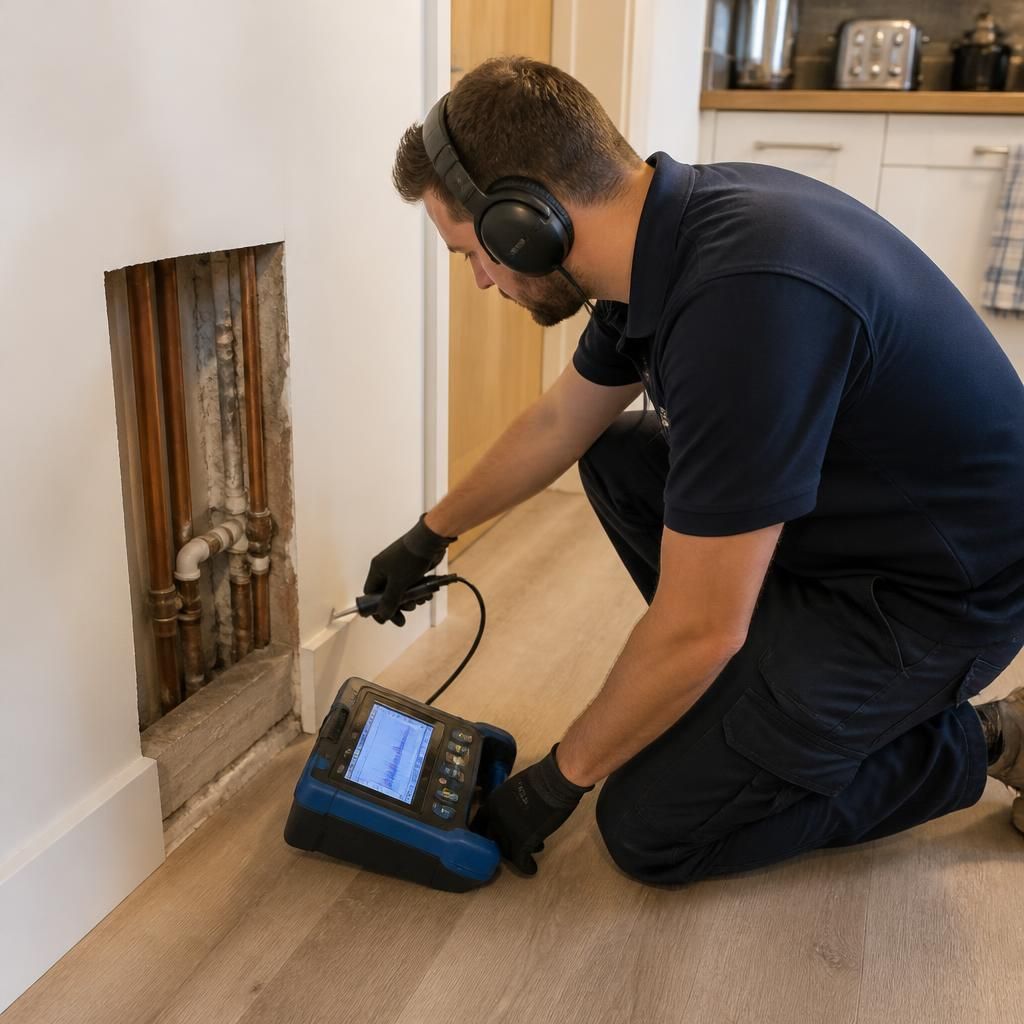
Water Leak Detection
Water leaks may be concealed behind walls, beneath floors or around plumbing connections. Leak detection focuses on tracing the source accurately so the affected area can be assessed and the appropriate repair identified.

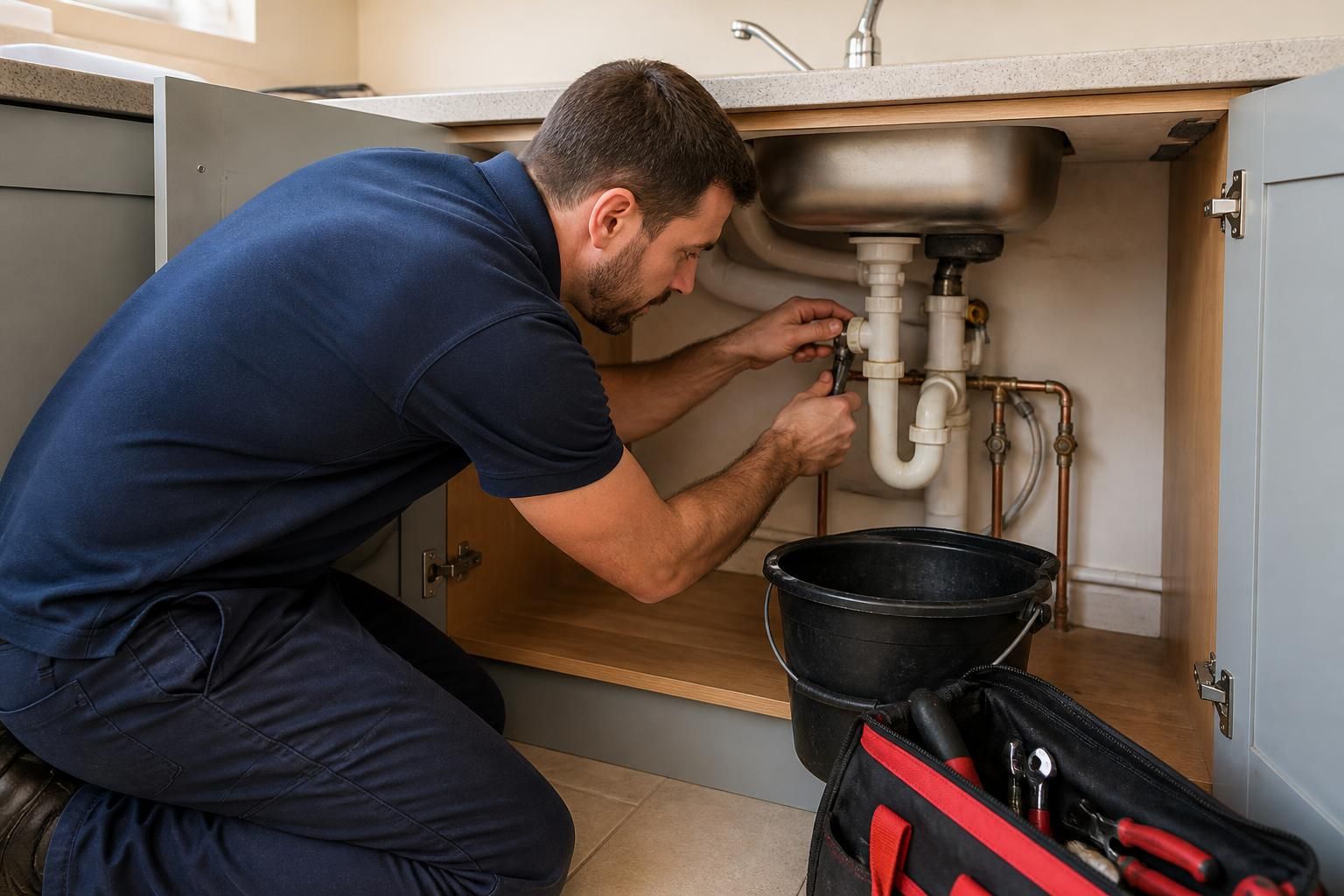
Plumbing
Ideal Plumbing Services provides residential plumbing services for emergency plumbing, water leak detection, repairs and planned maintenance. Its work covers practical diagnosis and appropriate solutions for homeowners, landlords and tenants, helping protect homes from avoidable water damage.
Plumbing and drainage services cover faults affecting water supply, waste flow and bathroom fixtures. Support can include blocked toilets, sinks and outside drain pipes, as well as repairs to dripping taps, leaking toilet bases and damaged pipework.
Planned maintenance can involve checking pipe connections, valves, taps and sanitaryware for signs of wear. Addressing these issues early helps identify suitable repairs before a minor plumbing fault develops into more extensive damage.
Water leaks may be concealed behind walls, beneath floors or around plumbing connections. Leak detection focuses on tracing the source accurately so the affected area can be assessed and the appropriate repair identified.
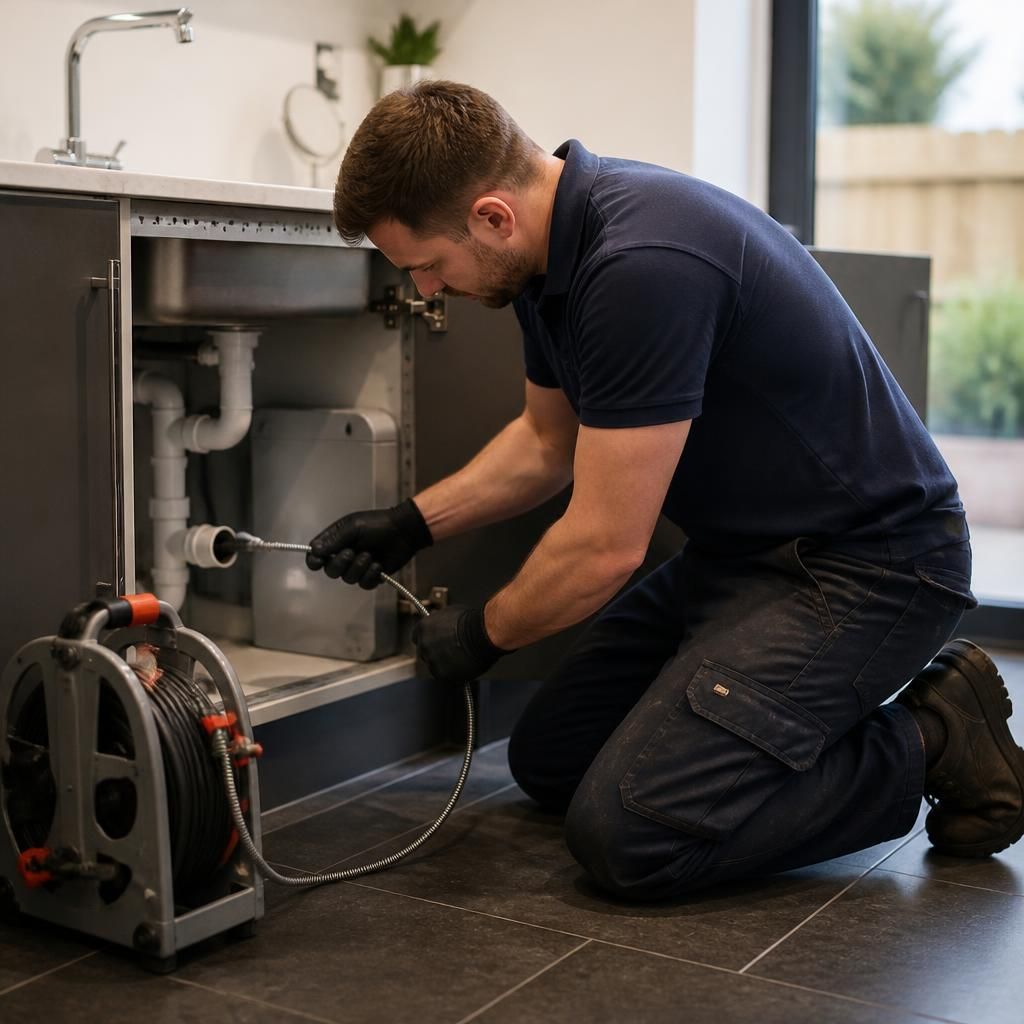
Blocked drains restrict the movement of wastewater and can lead to unpleasant odours, slow drainage or overflow. The blockage can be investigated and cleared, with attention given to the condition of the surrounding pipework.
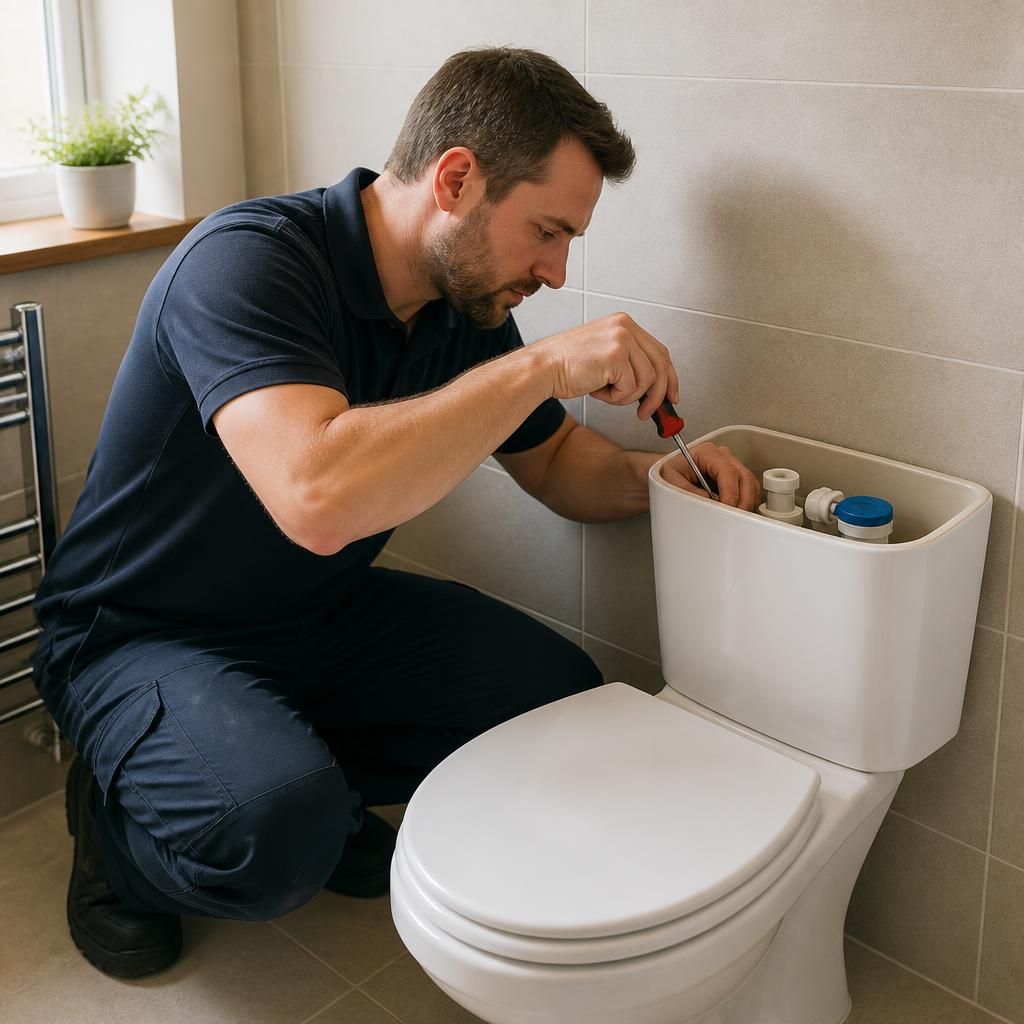
Toilet faults can involve poor flushing, continuously running water, damaged seals or problems with the cistern mechanism. A suitable repair starts with identifying the faulty component and checking that the toilet operates correctly afterwards.
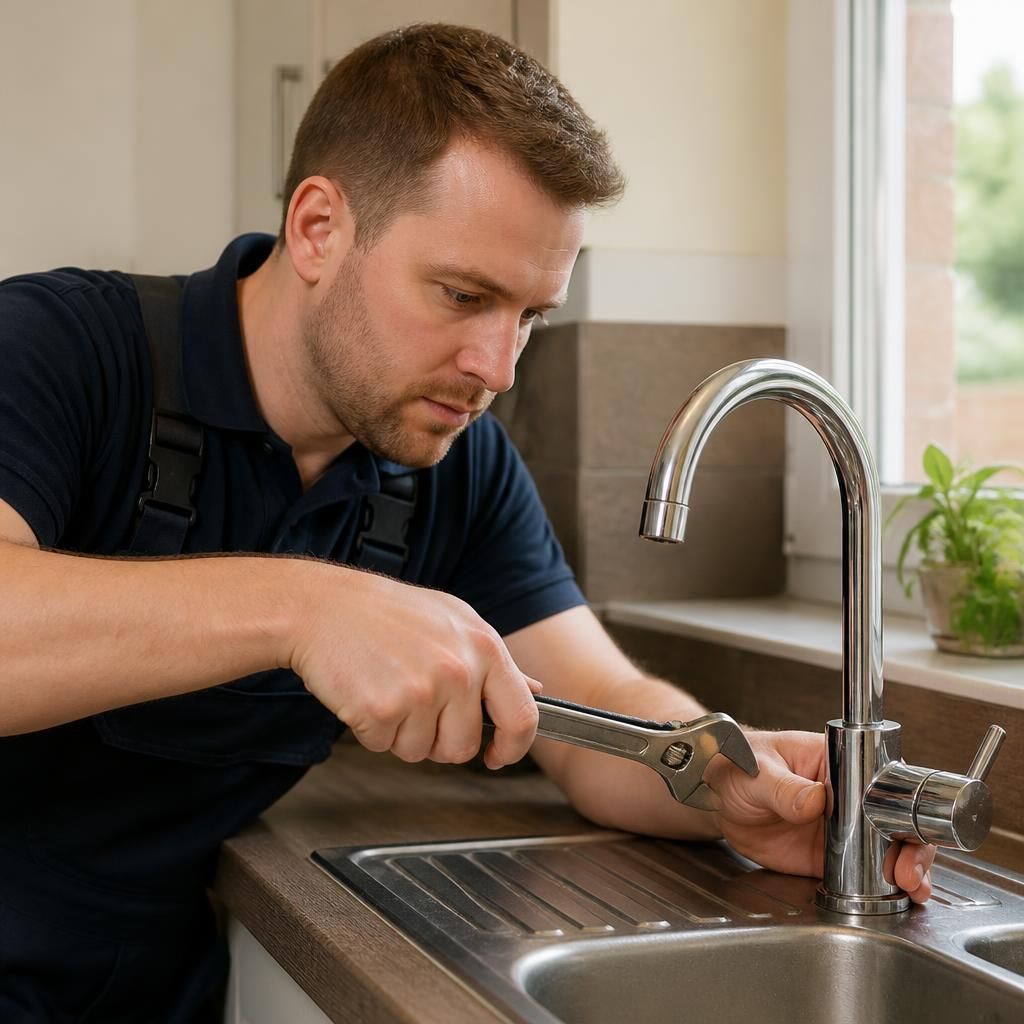
Taps, shower fittings and other bathroom fixtures can develop worn washers, faulty cartridges or loose connections. Repair work addresses the specific fault to help restore proper operation and reduce unnecessary water loss.
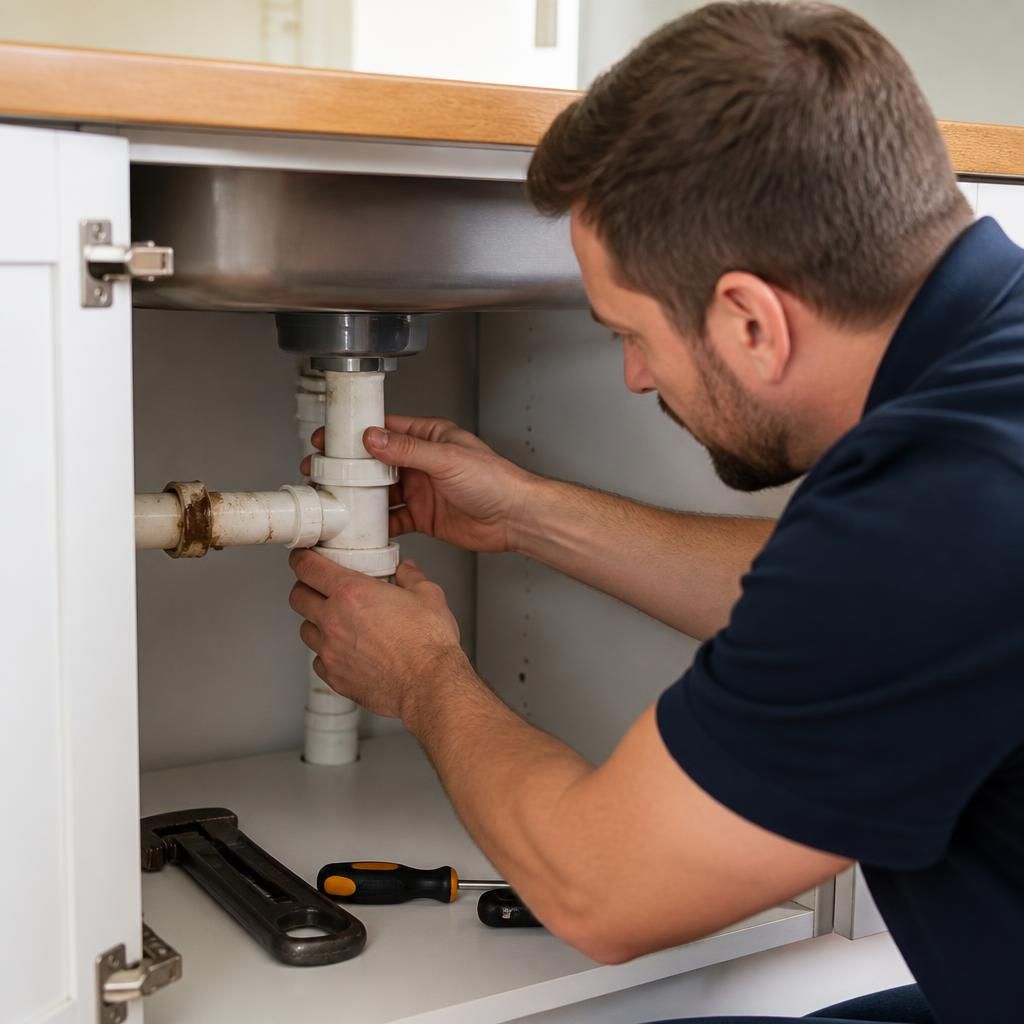
Damaged or deteriorated pipework can cause leaks, reduced flow and problems with waste discharge. Repairs may involve replacing a faulty section, renewing a connection or correcting the underlying issue affecting the plumbing system.
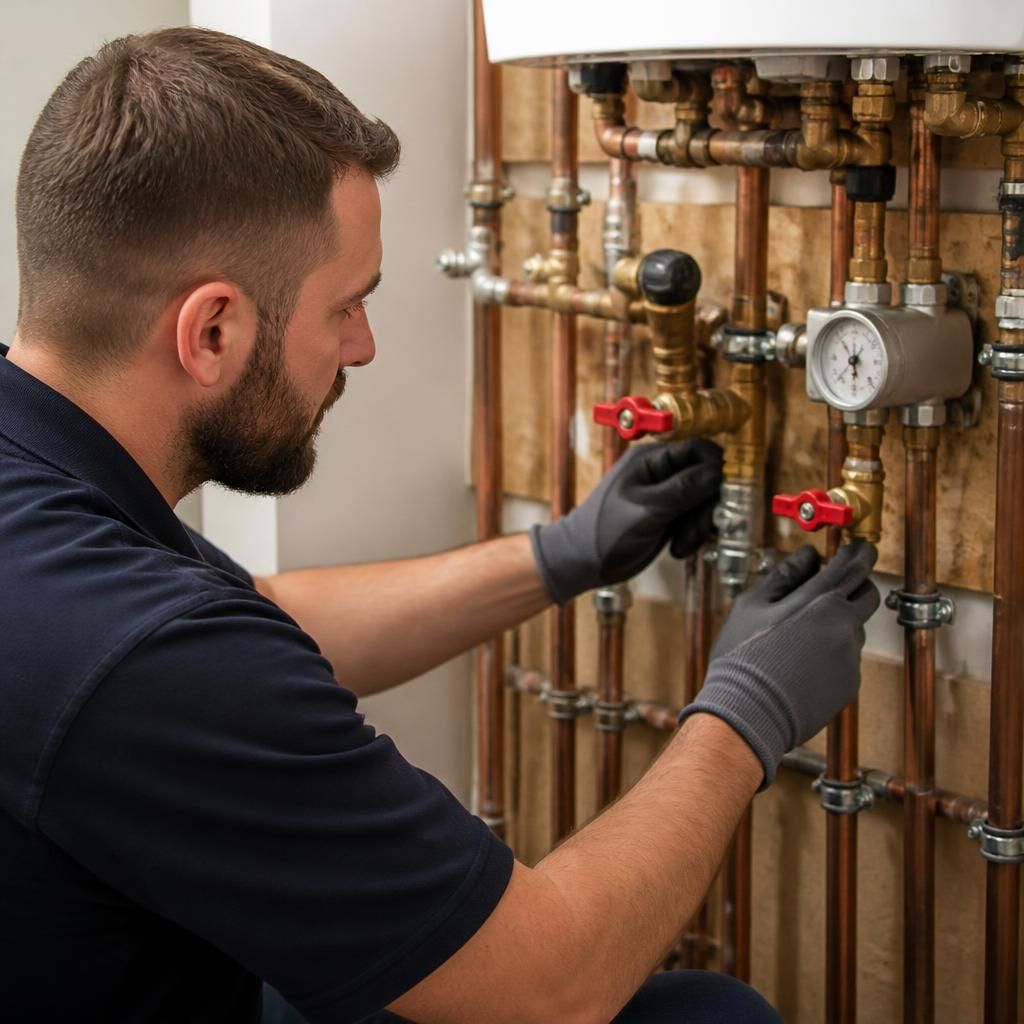
Planned maintenance involves reviewing accessible plumbing components for wear, movement or early signs of failure. Identifying developing faults gives homeowners, landlords and tenants the opportunity to arrange suitable remedial work before the issue becomes more disruptive.
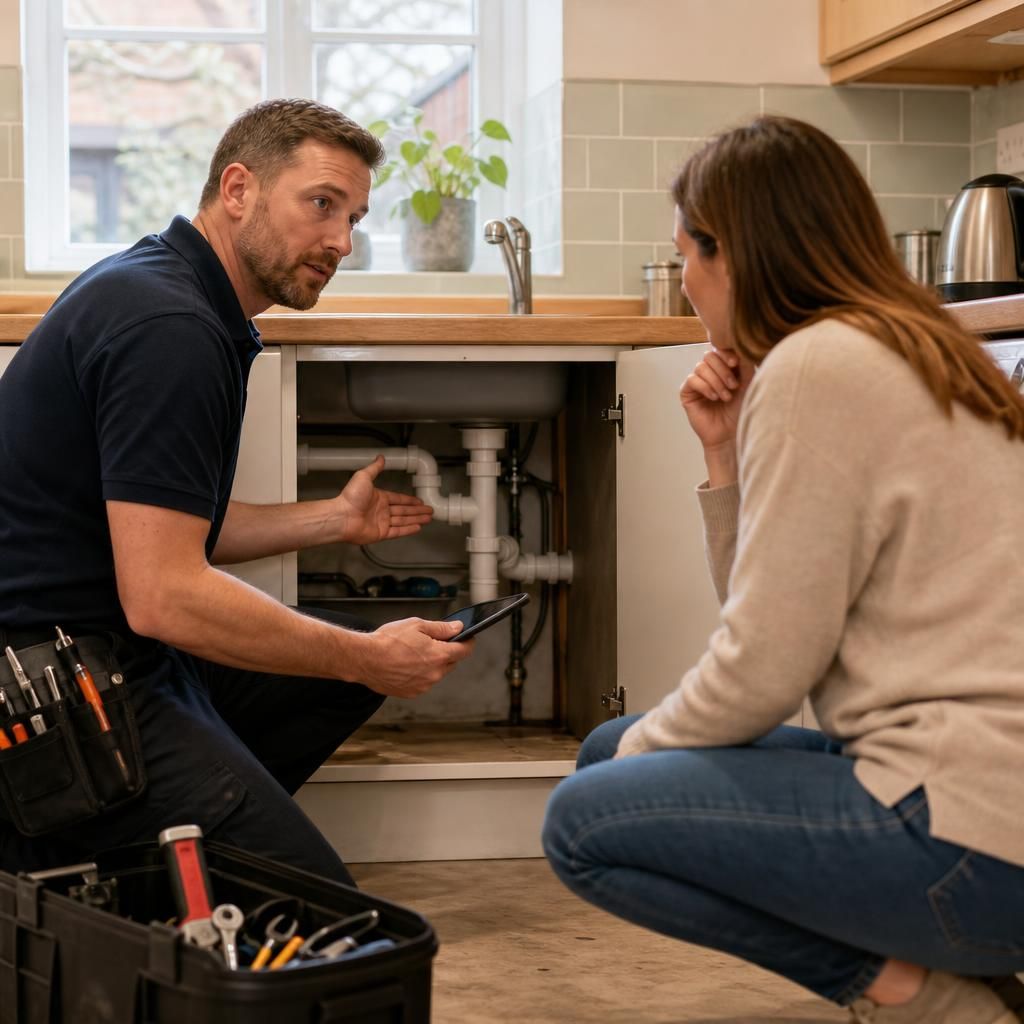
Local plumbing support means advice and repairs are considered in relation to the property, access arrangements and the nature of the fault. Familiarity with local housing types can help a plumber ask relevant questions and identify suitable solutions without unnecessary work.
For landlords and letting arrangements, clear communication helps coordinate access, explain recommended repairs and record any follow-up requirements. Homeowners and tenants can also receive practical guidance on whether a fault requires immediate attention or can be included in planned maintenance.
Ideal Plumbing Services provides a responsive service for residential customers, with support for plumbing, heating and emergency call-outs. When making contact, describe the fault, its location and any visible signs of leaking, damage or restricted flow so the issue can be assessed accurately.
Call a plumber when water cannot be isolated, a leak threatens electrical fittings, wastewater backs up, or a fixture remains unusable after basic checks. Describe symptoms and location when booking.
Read the full answerA plumber is advisable when plunging fails, water rises towards the rim, the toilet repeatedly blocks, or flushing causes leaks. Professional drain unblocking can identify and resolve deeper obstructions safely.
Read the full answerA dripping tap may indicate a worn washer, cartridge or valve. Repairing it prevents water waste, staining and worsening damage; persistent drips warrant inspection and suitable replacement parts where needed.
Read the full answerEmergency plumbing is needed when a burst pipe releases water uncontrollably, threatens electrics, or cannot be isolated. Turn off the main stopcock, contain damage, and request professional pipework repair promptly.
Read the full answerReplacement is preferable when pipes show widespread corrosion, repeated leaks, reduced flow, contamination risk or incompatible repairs. A plumber can assess condition, access and likely longevity before recommending careful renewal.
Read the full answerBefore choosing a plumbing service, ask how the fault will be assessed, what work is recommended and whether the plumber has experience with the relevant repair. Clear answers help you compare suitable options and avoid unnecessary work.
Confirm how pricing is calculated, what is included, who will complete the work and what follow-up support is available if the problem needs further attention. The questions below provide a practical checklist for comparing plumbers before you book.
A reliable diagnosis should identify the source of a plumbing problem rather than only address its visible symptoms. Ask what checks will be carried out before any repair is recommended.
Ask what the inspection includes
Confirm whether the plumber will inspect connected pipework, valves, fixtures and drainage routes where relevant. Ask how the findings will be explained, whether further investigation may be needed and how the diagnosis will affect the proposed repair.
Ask the plumber to explain the available repair options in plain language. This helps you understand whether the work addresses the cause of the fault or only provides a temporary solution.
Compare repair options clearly
Request a clear description of the recommended work, the parts or materials involved and any practical alternatives. Ask about the likely consequences of postponing the repair, particularly where leaking water, restricted flow or damaged fittings could affect the property.
Before approving work, establish how the price is calculated and exactly what it covers. Clear pricing makes it easier to compare quotations and reduces the risk of unexpected charges.
Check the quotation details
Ask whether the quoted amount includes labour, materials, removal of damaged items and any necessary testing or making good. Confirm how additional work will be handled and whether your approval will be requested before the agreed scope or price changes.
The person assessing a fault may not always be the person carrying out the repair. Confirm who will attend and whether they have relevant experience with the type of plumbing work required.
Confirm responsibility for the repair
Ask who will carry out each part of the job and who you should contact if you have questions during the work. For landlords and tenants, clarify how updates, access arrangements and records of completed repairs will be managed.
Follow-up arrangements are important if a fault needs further attention after the work is completed. Ask what happens if the original symptoms continue or another issue is identified.
Understand the aftercare terms
Confirm whether the plumber provides advice on maintaining the repaired installation and what records or invoices you will receive. Ask what the satisfaction guarantee covers, how concerns are reviewed and whether any follow-up visit or further work would involve additional charges.
Once you have compared the answers, arrange an assessment with the plumber who gives the clearest explanation of the proposed work. Keep any written recommendations or cost details so you can check that the completed repair matches what was agreed.
Ideal Plumbing Services provides a satisfaction guarantee and no hidden charges, giving homeowners, landlords and tenants clearer expectations before work starts. Contact the team with the details of your plumbing problem to take the next step.
For urgent plumbing faults, suspected leaks or planned repairs, contact Ideal Plumbing Services with the property address and a brief description. The team can discuss suitable next steps and arrange the appropriate plumbing support for your needs.