Skip to content
24/7 emergency call-outs across the West Midlands
Ideal Plumbing Services

Drainage

Drain Repairs & Relining Birmingham

Drain repairs and relining address leaks, blockages and structural damage in underground and above-ground pipework. Ideal Plumbing Services uses practical diagnosis and suitable repair or pipe lining methods to protect property and restore drainage across Birmingham.

From Hidden Damage to a Clear Repair Plan

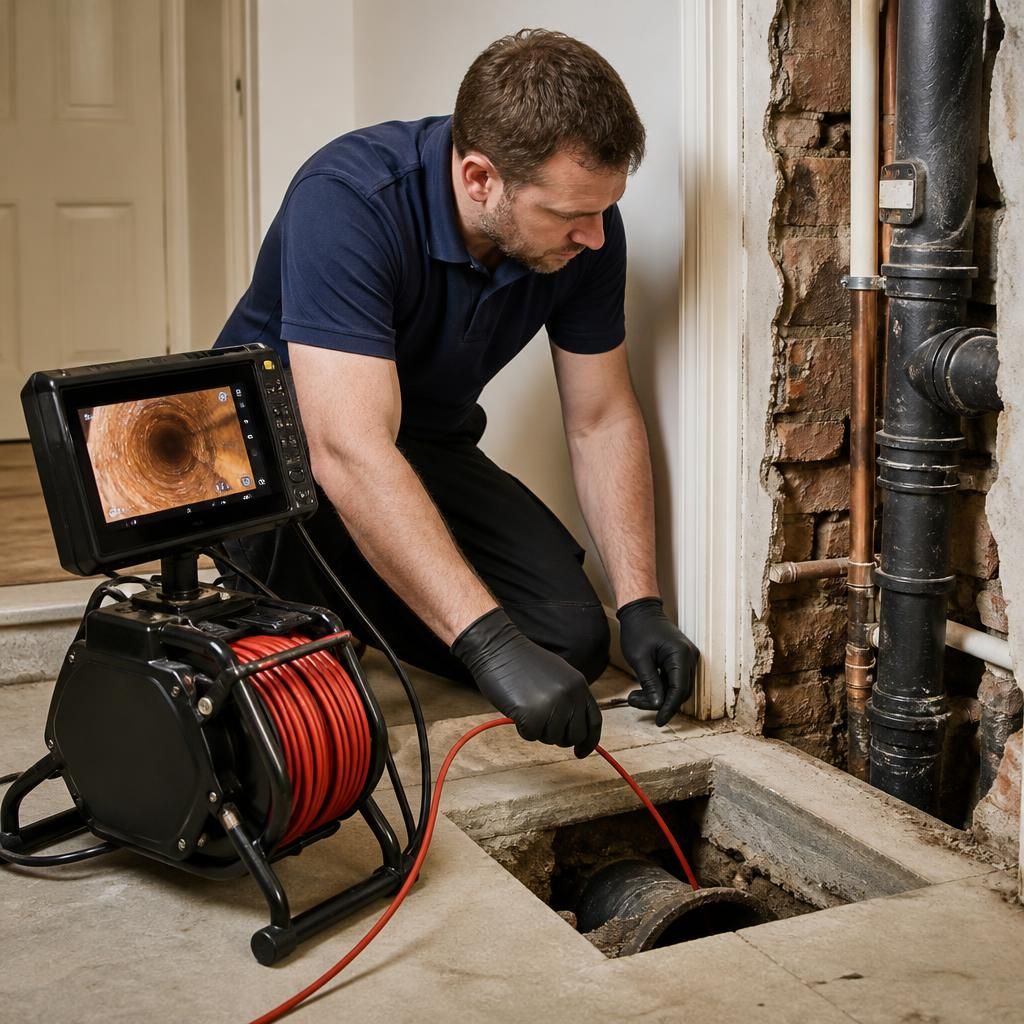
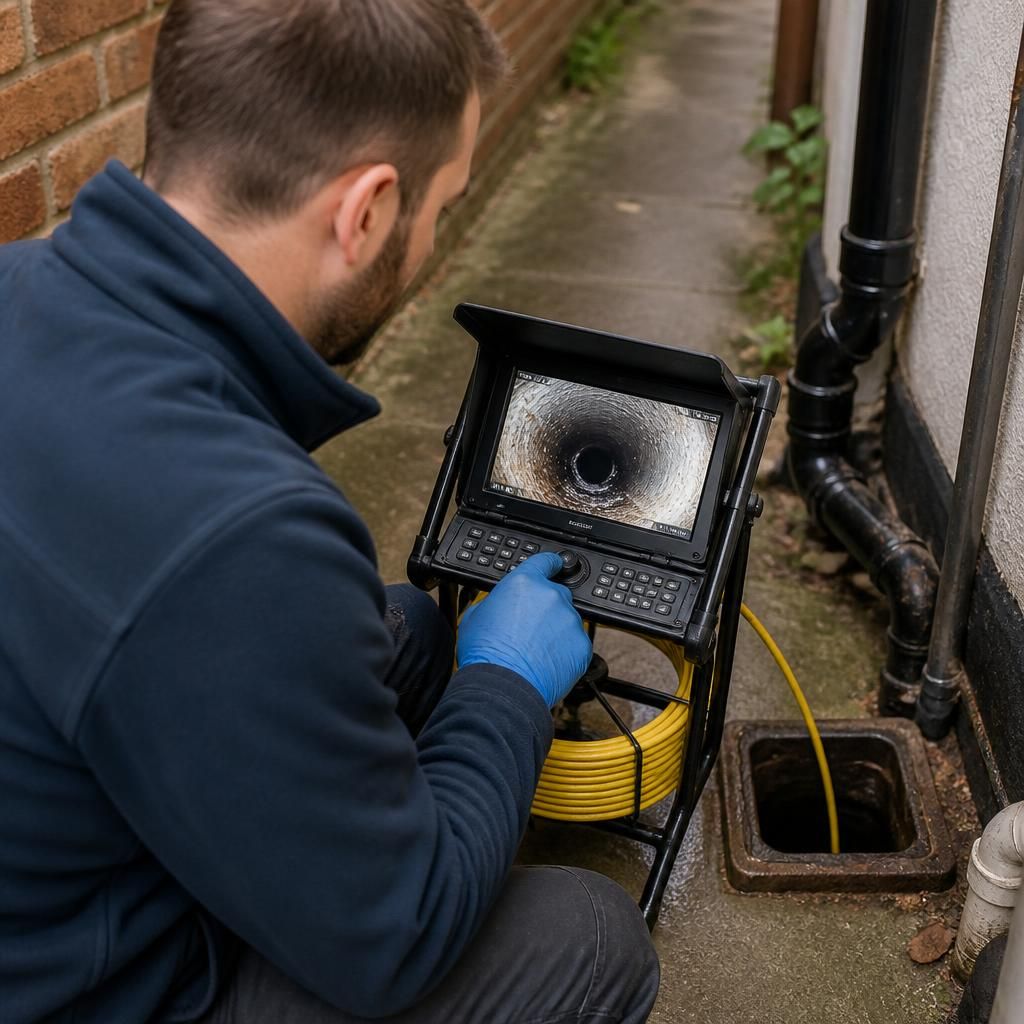
Drain repairs and relining start with identifying the exact source and condition of a fault, rather than treating only visible symptoms. A CCTV drain inspection can show cracks, displaced joints, corrosion, root ingress or a persistent blockage within the underground drainage system.

Once the damage is understood, the appropriate route becomes easier to compare. Localised drain repairs may suit limited defects, while pipe relining can reinforce an otherwise serviceable section without replacing its full length. Where a pipe has collapsed or deteriorated extensively, replacement may be more appropriate.

This assessment turns uncertainty into a practical repair plan. Clear findings help reduce unnecessary excavation and explain the likely work before it begins. With transparent pricing and no hidden charges, Ideal Plumbing Services helps protect the property from recurring leakage, damp and further drainage damage, supporting a safer, drier home.

When Leak Detection Can Help

Professional leak detection is useful when water use rises without explanation, damp patches persist, or moisture suggests a concealed pipe leak. It can also clarify suspected faults in rented homes before damage affects occupants or property.

Water Use That Does Not Add Up

A higher water bill or a meter that continues moving when taps, toilets and appliances are not being used can indicate a hidden supply pipe leak. Professional detection helps separate a plumbing fault from normal changes in household consumption.

Damp That Keeps Returning

Damp marks, peeling paint, swollen flooring or a musty smell that reappears after drying may point to ongoing moisture within a wall, ceiling or floor. Leak detection can help identify whether the source is pipework rather than condensation or rainwater ingress.

Moisture Along Concealed Pipe Routes

Localised staining beneath a bathroom, kitchen or heating appliance can suggest a leak hidden behind finishes. Non-invasive detection methods can help narrow down the affected section before any opening-up or repair work is considered.

Hissing or Dripping Without an Obvious Source

Unexplained hissing, running water or intermittent dripping may indicate a pressurised pipe or connection fault behind a wall or beneath a floor. Investigation is particularly useful when visible fittings appear dry and secure.

Evidence for a Rented Property

Landlords, tenants and managing agents may need a clear indication of whether moisture is linked to plumbing, building fabric or another source. A professional assessment can support sensible repair decisions and help limit disruption to the property.

Questions to Ask Before a Drain Inspection

What access is needed for a professional leak detection inspection?

Before attending, technicians may need access to meters, stopcocks, visible pipework and affected rooms. Keep utility bills, photographs and previous repair details available to support accurate diagnosis during the visit.

Read the full answer

Can drain relining repair every type of damaged pipe?

Not always. Relining suits structurally sound sections with localised damage, but collapsed, severely deformed or extensively deteriorated pipes may require excavation and replacement after inspection confirms their condition and extent.

Read the full answer

What should a drain inspection report include?

It should record the inspection date, affected drainage section, observed defects, blockage or leakage cause, pipe condition, supporting images, and recommended repair options, distinguishing urgent safety issues from planned works.

Read the full answer

Could a high water bill indicate a concealed drain leak?

Yes, a high bill may indicate hidden drain leakage, but it can also result from leaking taps, toilets, appliances or meter problems. Check readings after isolating household use and arrange investigation.

Read the full answer

Will drain repairs always require excavation?

Not necessarily. Localised defects may be accessible through existing points or limited openings, whereas buried, collapsed or extensively damaged sections can require excavation for replacement and proper connection and testing.

Read the full answer

How Drain Repairs Are Assessed and Recommended

Drain repairs and relining begin with a clear account of the problem. During the first call, Ideal Plumbing Services gathers details such as where water appears, whether several fixtures are affected, and when the fault occurs. This helps the plumber prepare for a focused inspection.

On arrival, the plumber checks accessible pipework, drainage points and signs of movement, corrosion or ground-related damage. Where the fault is concealed, suitable diagnostic equipment can help trace its position and distinguish a drain leak from a blockage or connection failure.

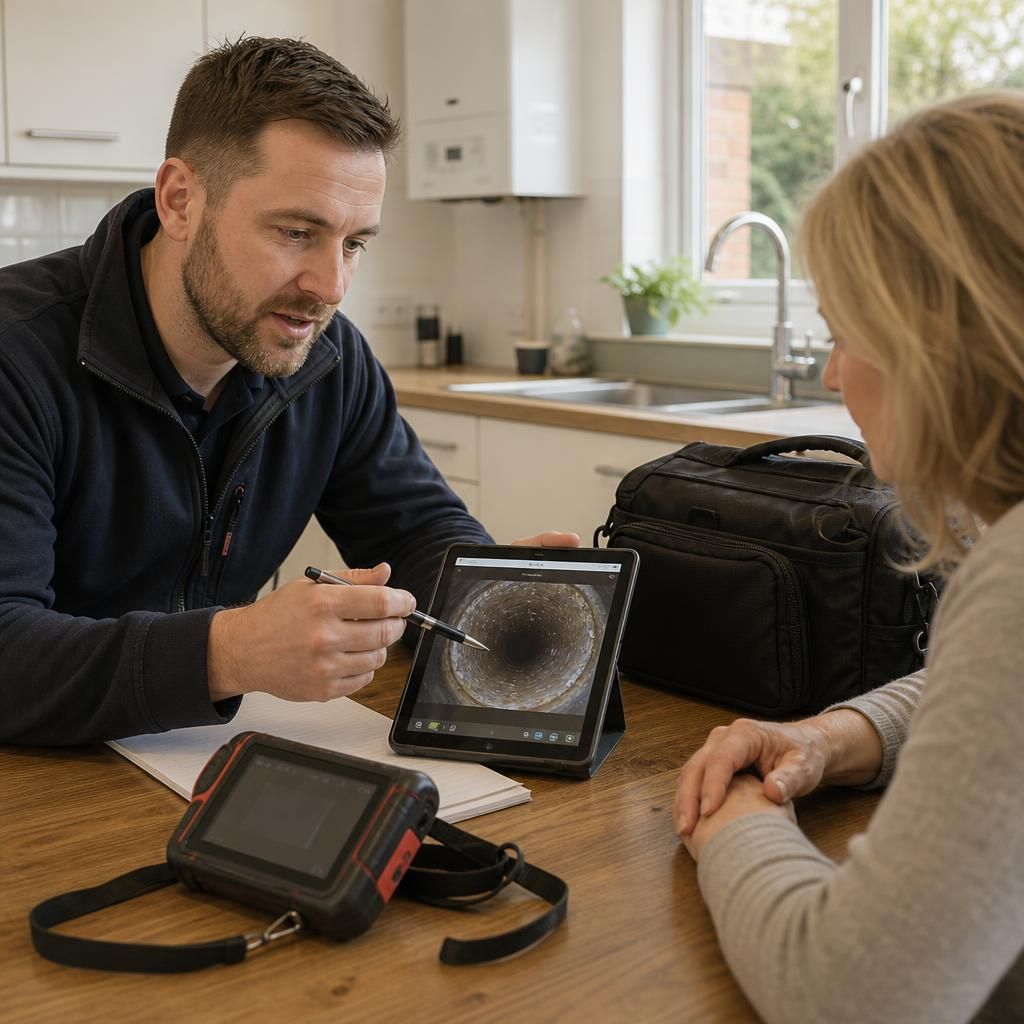
The findings are explained in plain terms, including the affected section, likely cause and practical implications. Ideal Plumbing Services then recommends a repair, drain reline or replacement according to pipe condition, access requirements and the extent of damage, with costs set out clearly before work proceeds.

A Clear, Methodical Approach to Drain Repairs & Relining

Drain repairs and relining require more than clearing symptoms: the failed section must be identified, the appropriate remedy selected and the surrounding drainage considered. With over 20 years’ experience, Ideal Plumbing Services provides prompt, focused communication and explains the available options clearly, helping homeowners, landlords and tenants make informed decisions without guesswork.

Work is carried out with respect for the property and its occupants, taking care around accessible areas and existing fixtures. The recommended next steps are based on the condition found, whether that means a targeted repair, further monitoring or a more extensive solution.

Plumber inspecting a damaged drain before repair or relining

Identifying the Extent of Drain Damage

A drain repair should address the underlying defect rather than only its visible symptoms. The condition of the pipe, the position of the damage and the effect on connected sections are considered together. This helps establish whether a local repair is appropriate or whether relining would provide a more suitable continuous solution.

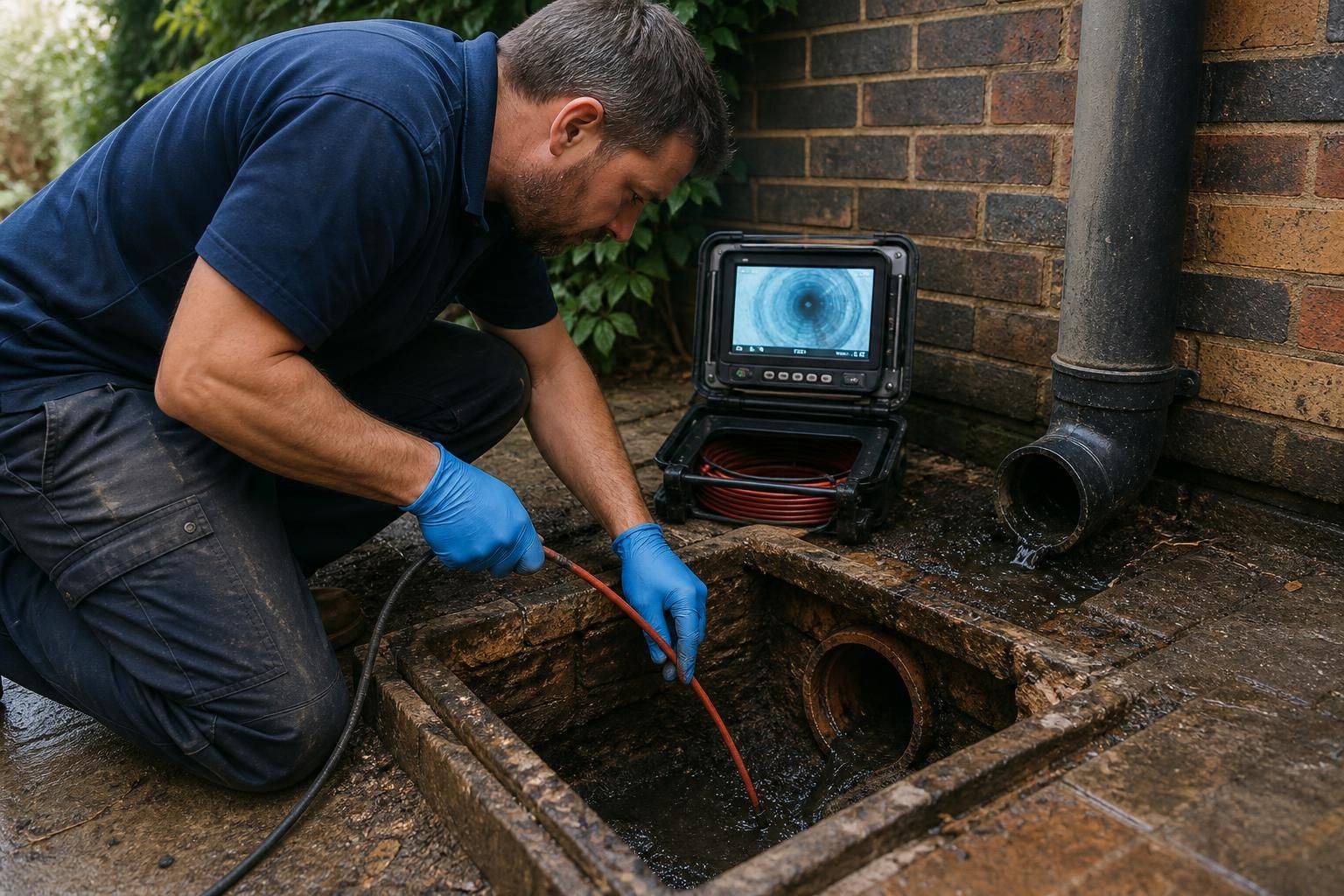
Drain inspection equipment used to assess underground pipework

Using Evidence to Guide the Repair

Where pipework is below ground or difficult to access, inspection findings provide a more reliable basis for the work than assumptions. The assessment can help identify displaced joints, fractures, cracks, root ingress or worn sections. These details support a targeted recommendation and reduce unnecessary disruption to sound drainage.

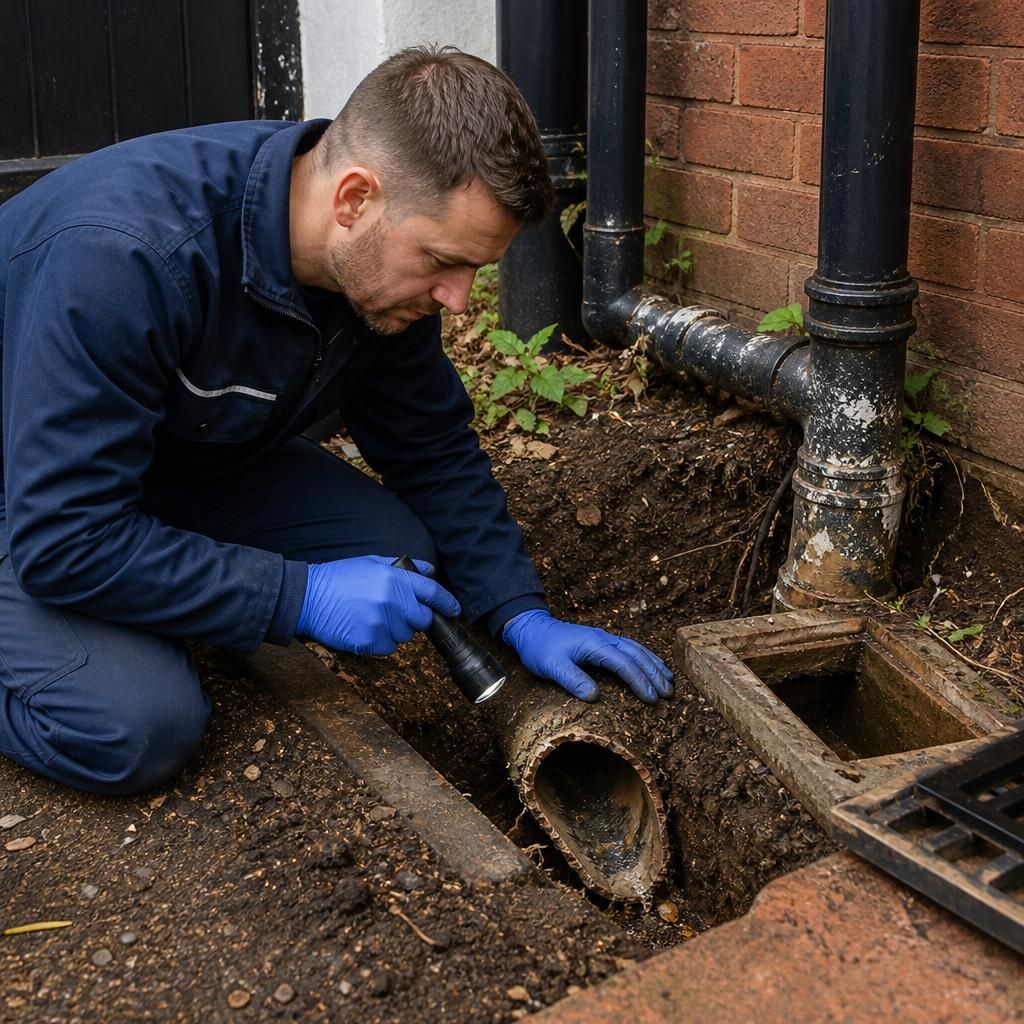
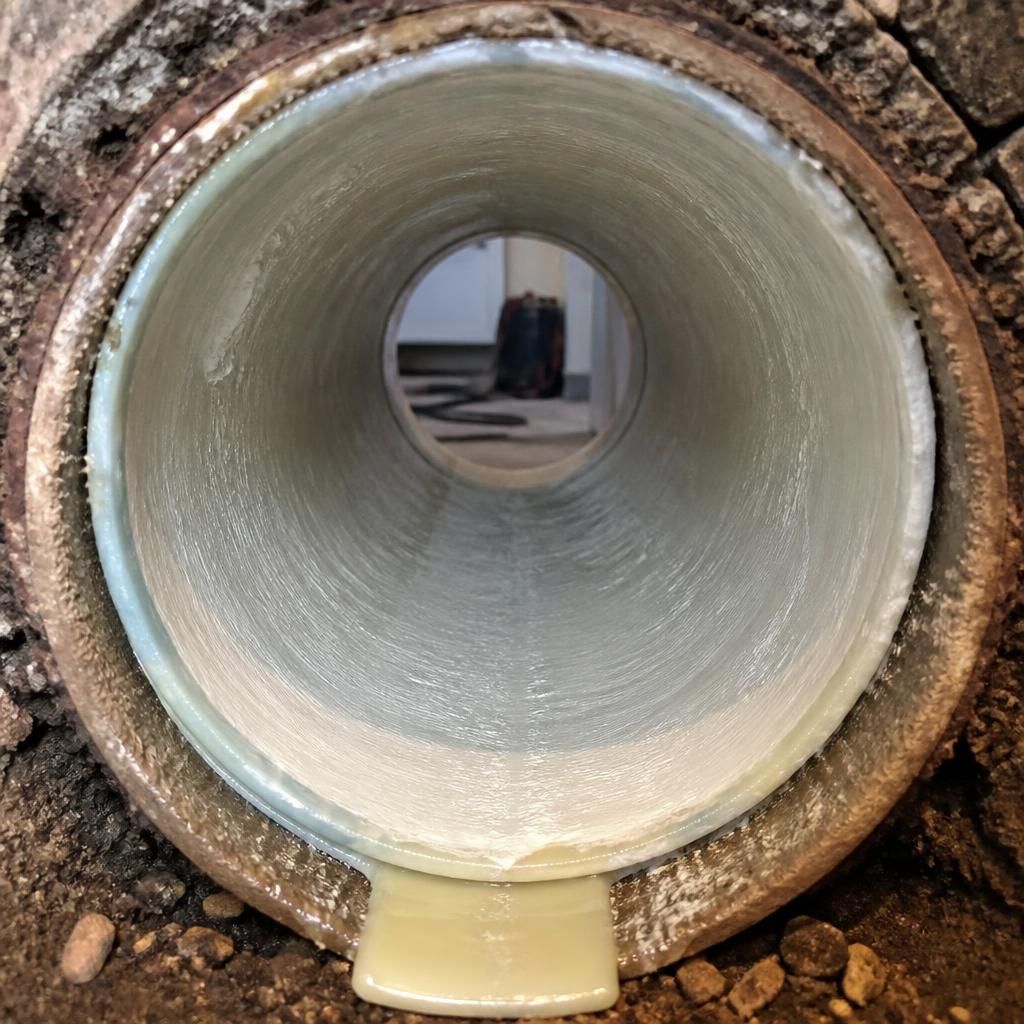
Section of pipe prepared for a drain relining procedure

When Drain Relining May Be Suitable

Drain relining creates a new lining within an existing pipe, so it can be considered where the pipe retains a suitable route and structural condition. It may reduce the need to excavate extensive areas, although access, pipe size, bends and the nature of the damage must all be assessed before it is recommended.

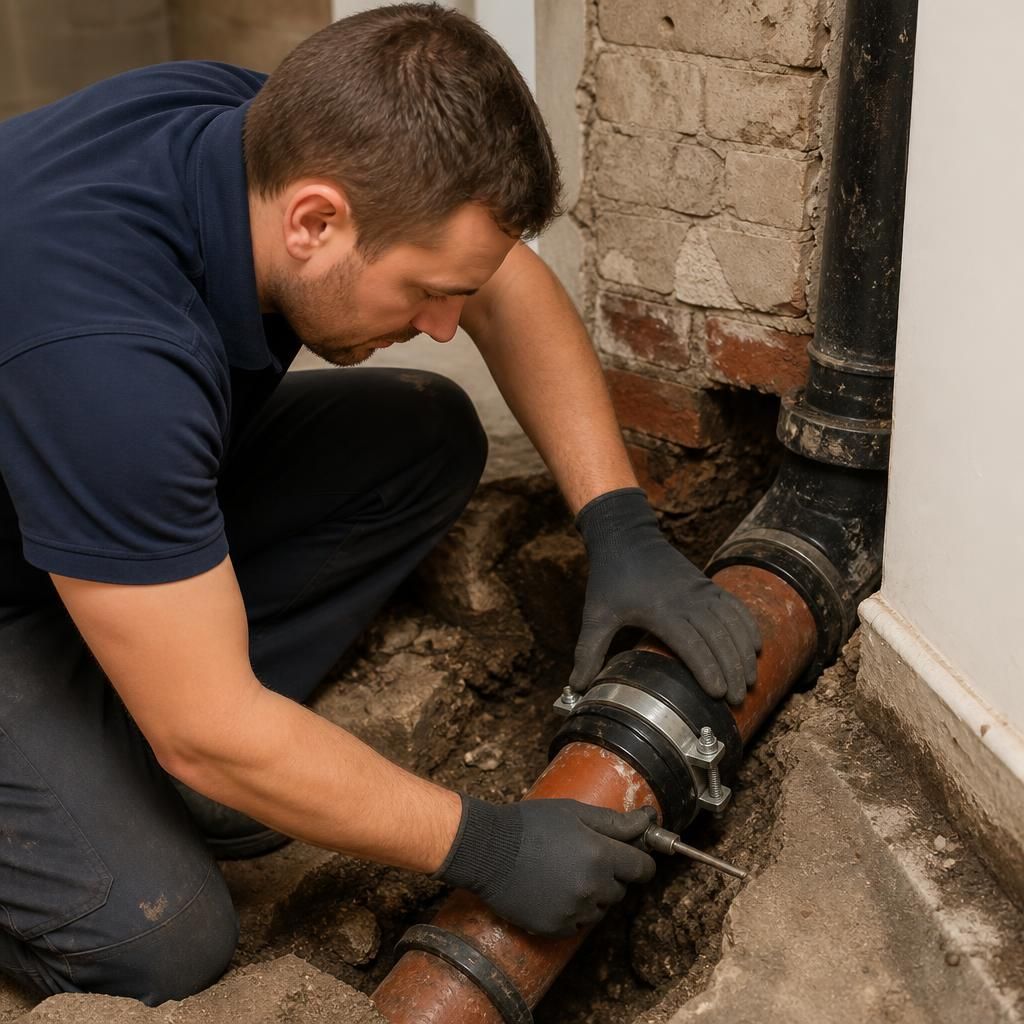
Plumber carrying out a targeted repair to accessible drainage pipework

Choosing Between Repair and Replacement

A targeted repair may be suitable for a defined defect in accessible pipework, while replacement may be more appropriate where sections have collapsed, shifted substantially or deteriorated extensively. The practical choice depends on the condition found, access to the affected area and how the repair will connect with the remaining drainage system.

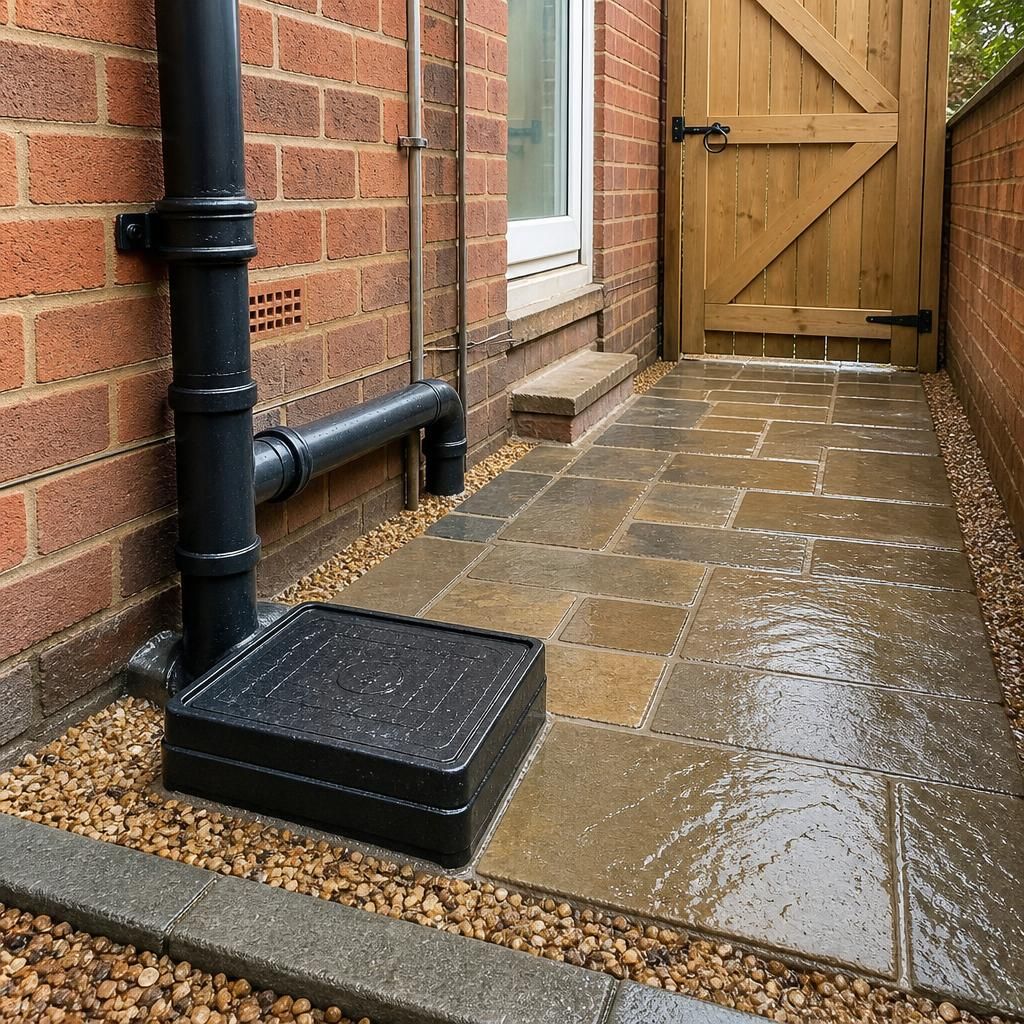
Clean and protected area beside completed drain repair work

Practical Completion and Next Steps

Once the agreed work is complete, the affected drainage should be checked for the original fault and any related connection issues. The completed repair, relining work or remaining recommendation can then be explained clearly, giving the property owner or occupier a practical basis for monitoring the system and arranging further work if required.

Talk to Ideal Plumbing Services About Drain Repairs

Concerned about a suspected drain leak, damaged pipe or recurring blockage? Contact Ideal Plumbing Services to arrange expert leak detection and drain repair advice in Birmingham or the wider West Midlands, with clear recommendations and no hidden charges.

Call now: 07440 753962