Skip to content
24/7 emergency call-outs across the West Midlands
Ideal Plumbing Services

Gas

Commercial Gas Engineers in Birmingham

Water leak detection in Birmingham uses acoustic and pressure-testing methods to locate concealed pipework faults. Ideal Plumbing Services provides precise assessment and dependable repairs that help protect homes and limit avoidable water damage.

Our commercial gas engineers

From Hidden Damage to Informed Repair Decisions

Commercial gas engineers investigate faults affecting boilers, burners, pipework and associated heating systems in business premises. Their work moves a property from uncertain symptoms—such as inconsistent heating, unusual odours or pressure changes—to an evidence-based diagnosis.

Using visual inspection, combustion analysis, pressure testing and leak detection where appropriate, commercial gas engineers establish whether the issue relates to the gas supply, appliance, controls or distribution pipework. This distinction helps prevent unnecessary replacement work and identifies risks requiring attention before equipment is returned to service.

Ideal Plumbing Services explains findings, repair options and pricing clearly, so owners, landlords and facilities teams can choose proportionate work and restore a safer, more dependable commercial environment.

When to Arrange Professional Leak Detection

Professional leak detection is appropriate when commercial premises show unexplained water usage, damp patches, persistent moisture or suspected concealed pipework leaks. It can also clarify plumbing problems in rental properties before damage spreads or responsibility becomes disputed.

Meter readings do not match occupancy

A water meter that records continued usage when taps, toilets and appliances are not being used can indicate flow through a concealed supply or heating pipe. Leak detection helps establish whether the reading reflects a genuine plumbing fault rather than normal consumption.

Moisture appears away from visible fittings

Staining on ceilings, skirting boards or flooring can point to a leak beneath floors, inside walls or above suspended ceilings. Investigation is useful when the source is not visible around taps, toilets, radiators or accessible joints.

Pressure changes suggest a hidden fault

Repeated pressure loss in a sealed heating or water system may warrant professional investigation, particularly when topping up or resetting equipment only provides temporary improvement. Identifying the affected section supports a more targeted repair.

Rental property responsibility is unclear

For landlords and tenants, documenting the likely source of moisture can help distinguish a plumbing defect from condensation, accidental damage or an issue within a neighbouring property. A clear assessment provides useful evidence when arranging remedial work and agreeing responsibility.

Leak Detection Visit: Practical Questions and Answers

Will leak detection require access to neighbouring rooms or properties?

Inspectors trace the suspected route, test accessible fittings and assess moisture patterns before documenting the source. They then distinguish active leaks from residual dampness and recommend specific next repair steps.

Read the full answer

What records should I provide for a leak detection visit?

Provide previous inspection reports, appliance service records, utility readings, photographs, tenancy information and details of when symptoms appeared. These documents help engineers compare changes, identify patterns and prioritise testing accurately.

Read the full answer

What happens after a commercial leak is located?

Once the source is confirmed, the engineer assesses damage, isolates affected services where necessary, explains repair options and records findings. Follow-up testing verifies that relevant pipework remains secure and serviceable.

Read the full answer

Can commercial leak detection be carried out without damaging walls or floors?

Non-invasive methods such as acoustic listening, thermal imaging and tracer testing can identify concealed leaks without opening surfaces. If access is necessary, targeted removal limits unnecessary damage and reinstatement work.

Read the full answer

What signs indicate a commercial property needs leak detection?

Warning signs include unexplained water-meter readings, damp or discoloured surfaces, mould, musty odours, falling pressure, boiler irregularities, damaged finishes, or recurring moisture, especially in the same area.

Read the full answer

From Initial Enquiry to the Recommended Commercial Gas Repair

Commercial gas engineers assess and repair gas-fired boilers, water heaters and associated plant serving business premises. They check appliance condition, controls, gas connections and system operation against the reported fault and the building’s requirements.

At first contact, Ideal Plumbing Services records the symptoms, affected equipment and relevant maintenance history. This helps distinguish an appliance defect from a wider heating or distribution issue. During the visit, engineers carry out diagnostic checks and assess ventilation, flues and safe access.

They then explain the findings, risks requiring attention and proportionate options, including any limitations of the diagnosis. Recommendations may include repair, component replacement, system adjustment or further testing, with costs clarified before agreed work proceeds.

Clear Communication and Methodical Commercial Gas Engineering

Commercial gas engineering includes the coordination and documentation needed to manage work in occupied business premises. Ideal Plumbing Services communicates the agreed scope clearly, considers access and operational constraints, and keeps relevant contacts informed as the work progresses.

Engineers also work respectfully around staff, visitors and building finishes, taking care with equipment and the surrounding area. After the technical work, they explain any remaining considerations and identify practical next steps, helping property owners and managers make informed maintenance decisions.

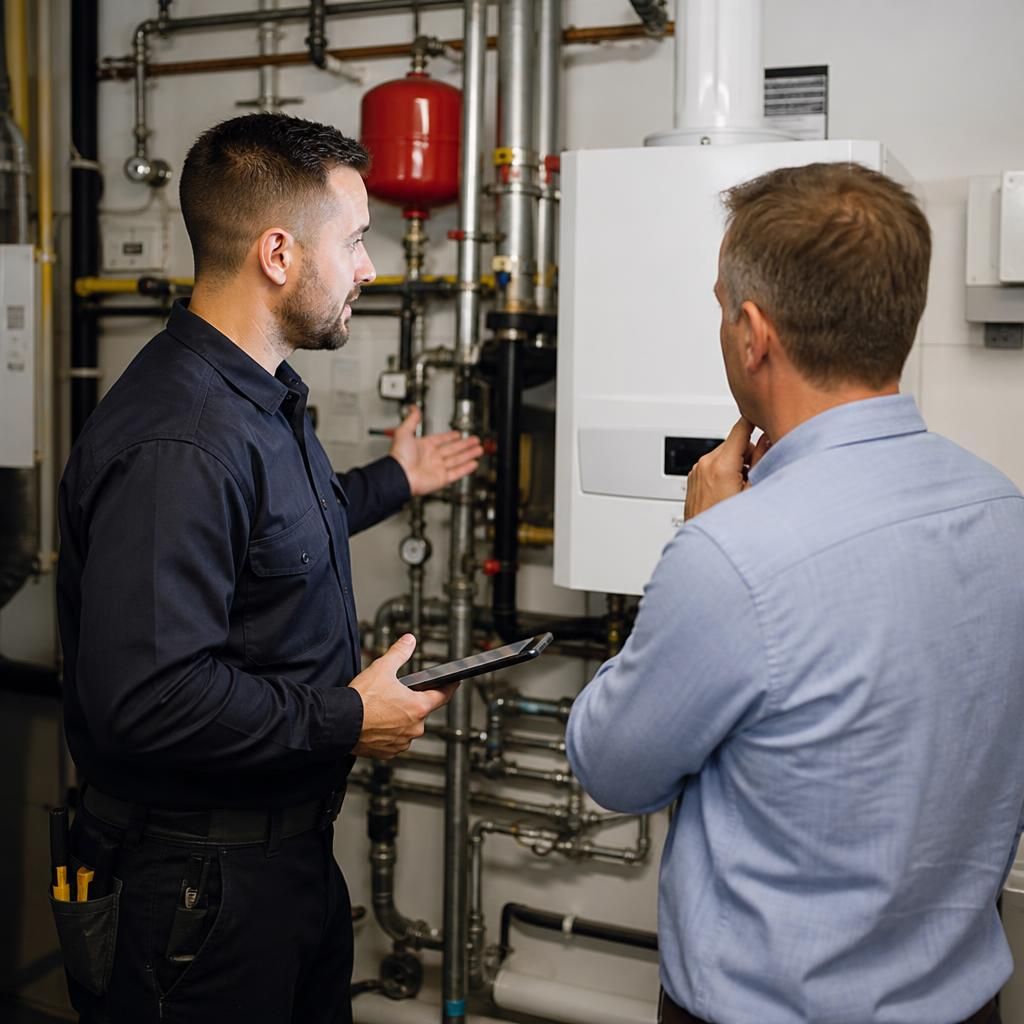
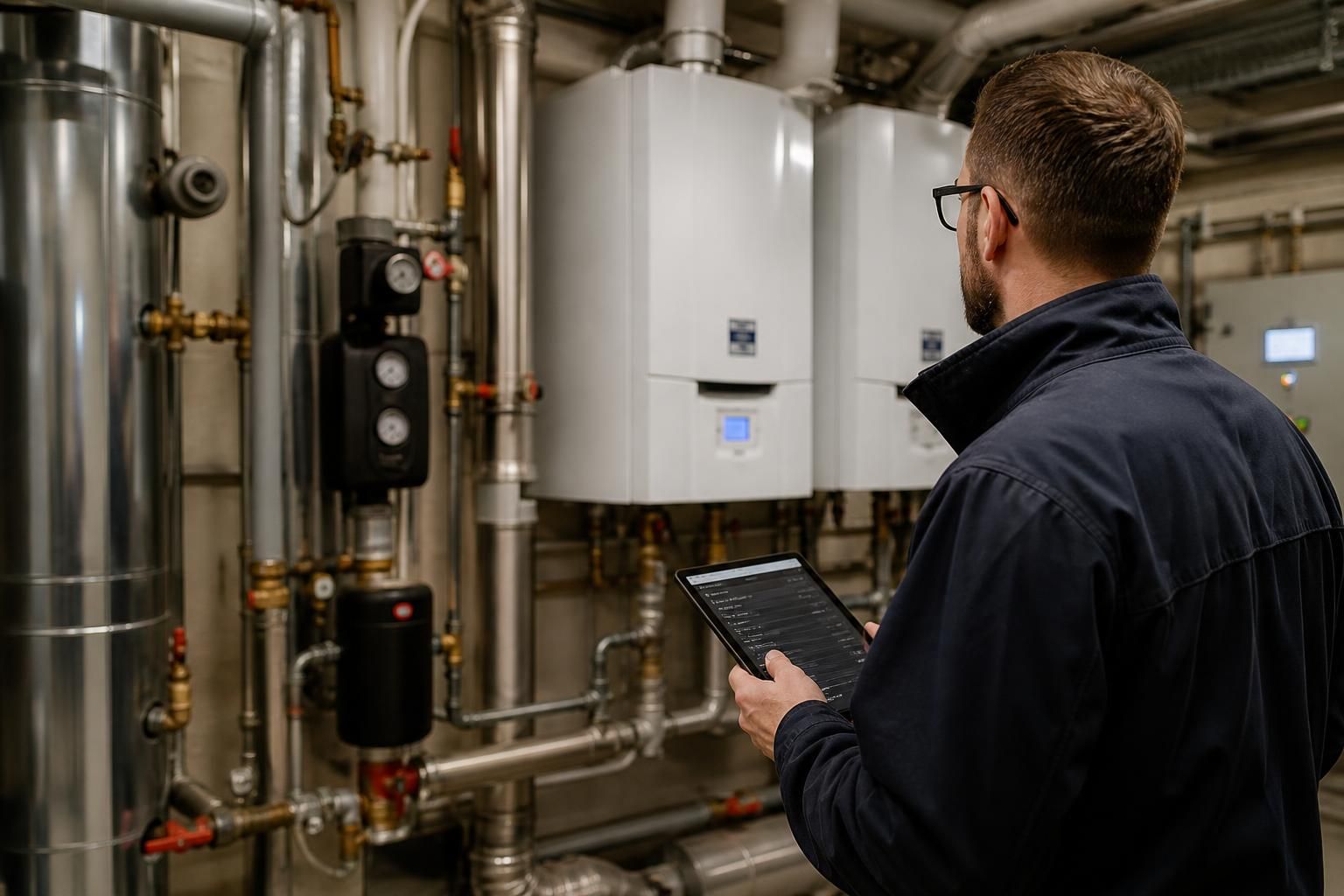
Commercial gas engineer inspecting a boiler and associated plant in a business premises

Assessing the Complete Commercial Gas Installation

A commercial gas engineer considers the appliance alongside its controls, gas connections, flue arrangements and related plant. This broader assessment helps identify whether the reported problem is isolated or linked to the way the installation operates as a whole.

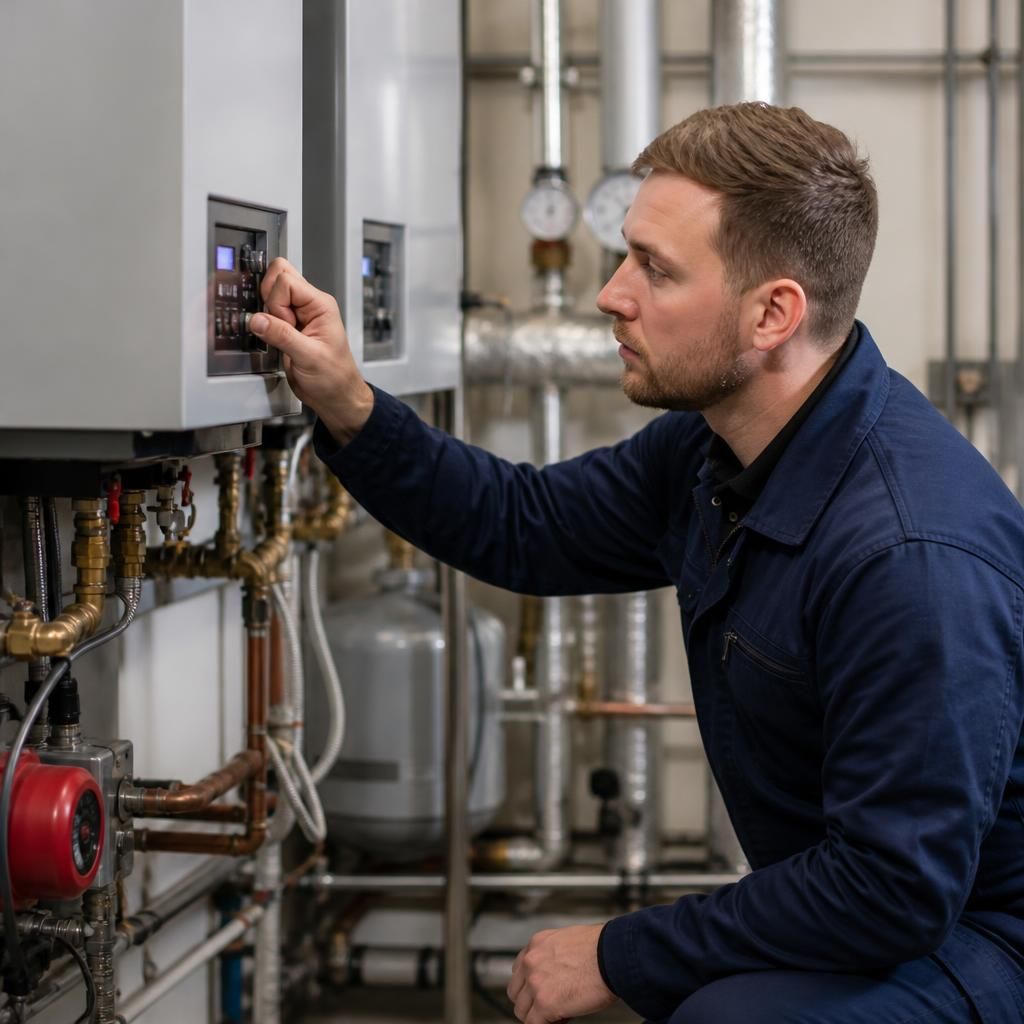
Engineer checking controls and pipework on commercial gas equipment

Tracing Faults Through Controls and Connected Equipment

Methodical testing can include the appliance controls, operating sequence and connected equipment relevant to the fault. Reviewing these points in a logical order helps avoid replacing a serviceable component when the underlying issue lies elsewhere in the installation.

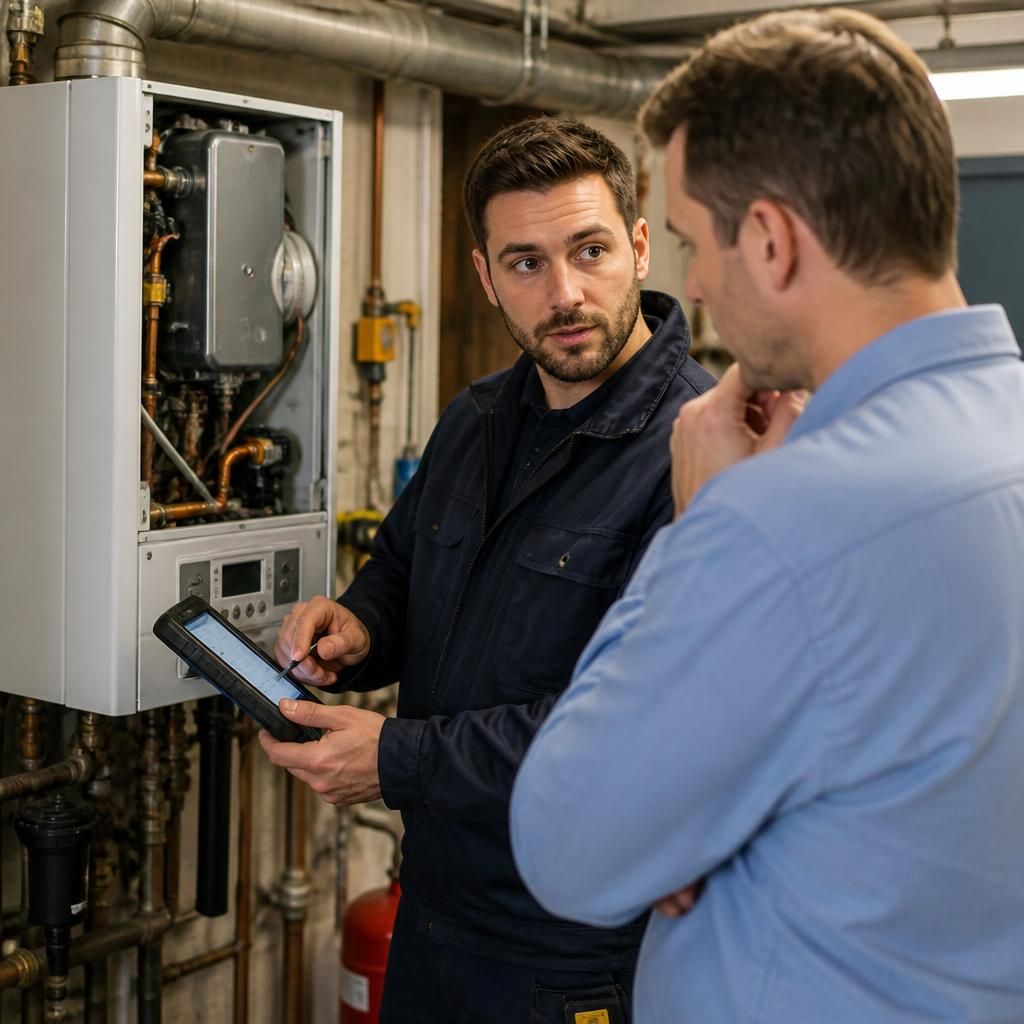
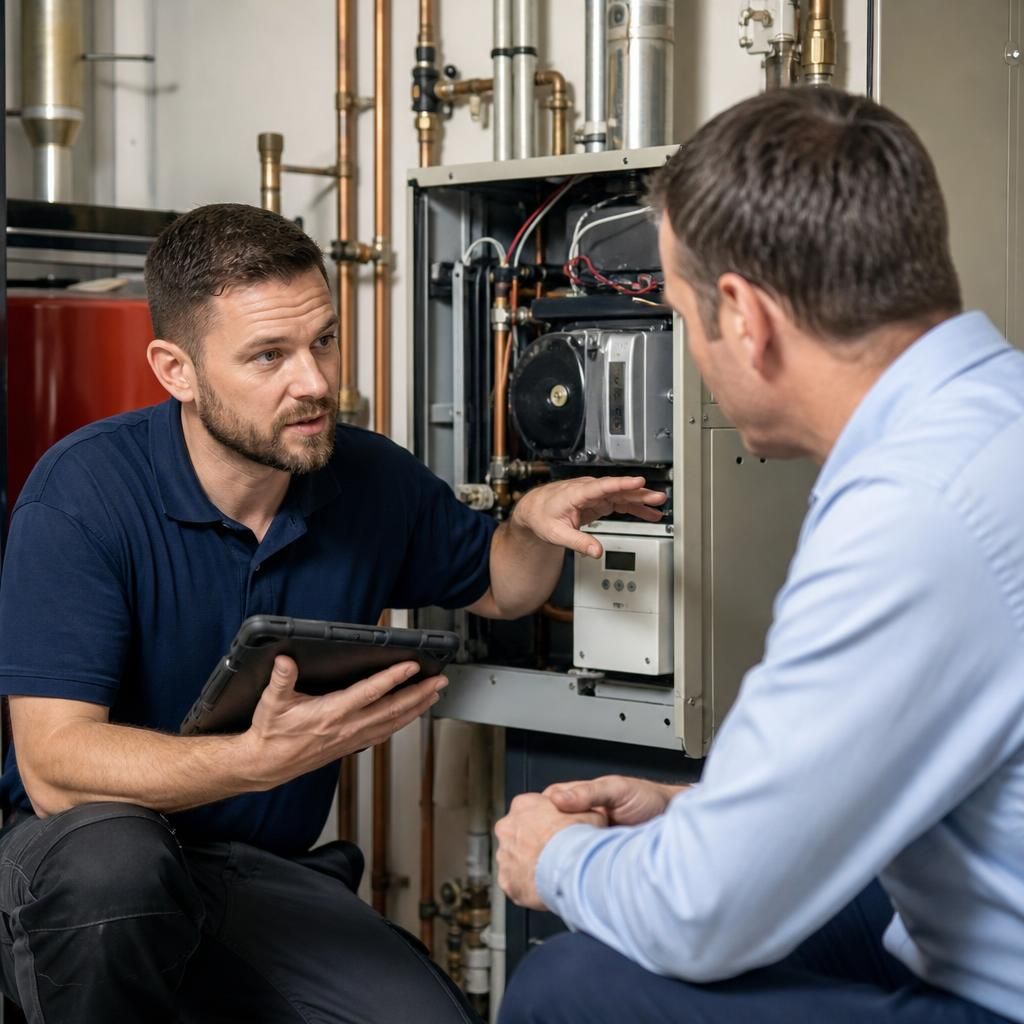
Commercial gas engineer discussing inspection findings with a property manager

Explaining Findings in Practical Terms

Technical findings are explained in relation to appliance condition, operational reliability and any safety matters requiring attention. Property owners and managers can then distinguish essential remedial work from further investigation or longer-term improvement.

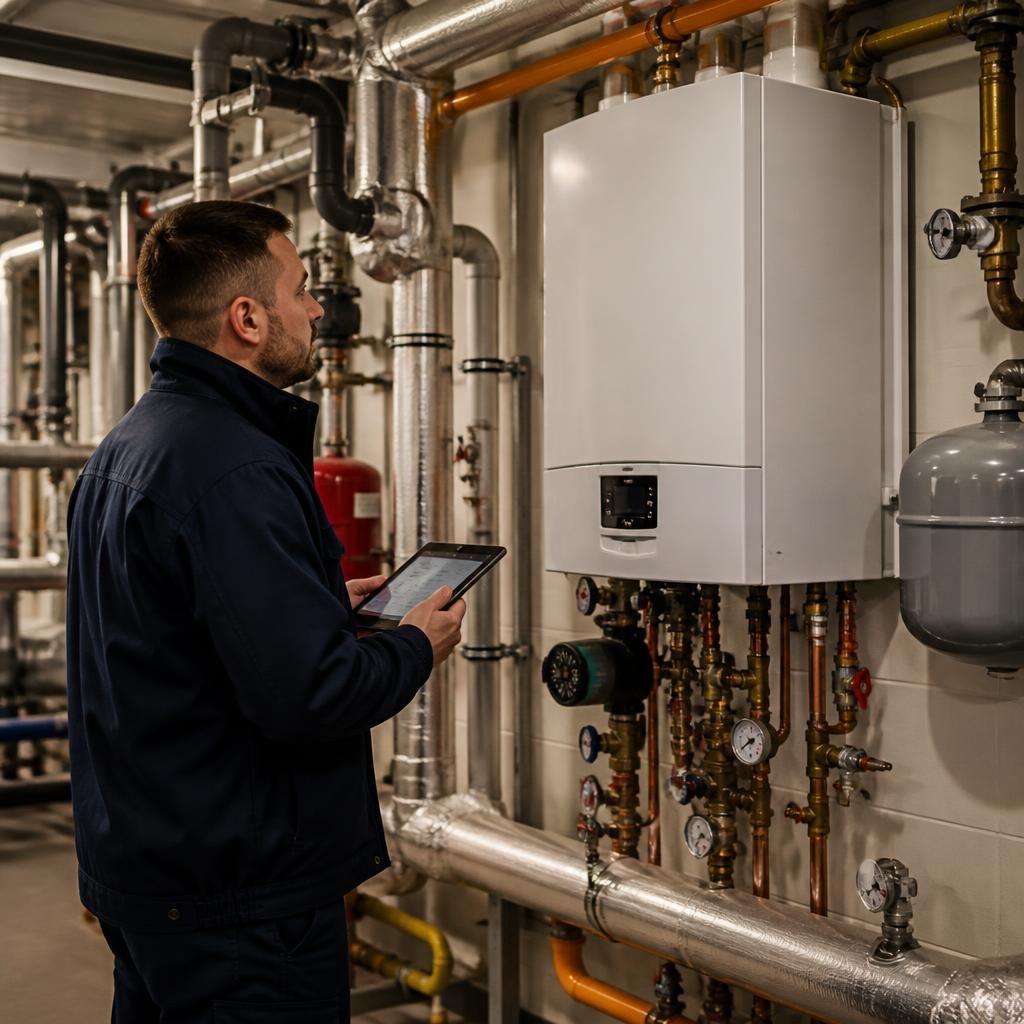
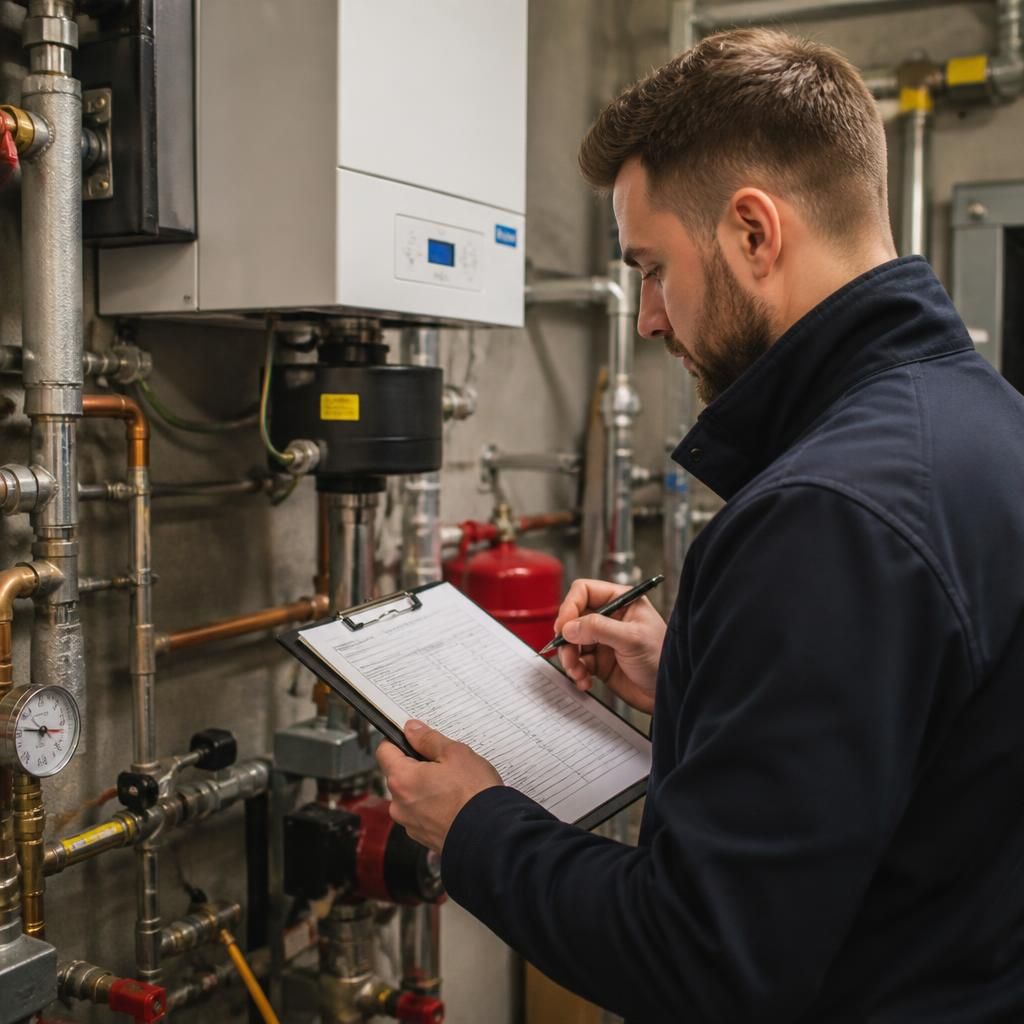
Commercial gas engineer recording inspection details for a business premises

Useful Records for Future Maintenance Decisions

A clear record of observed defects, completed repairs and outstanding considerations gives the responsible person a more useful basis for future maintenance. It can also help identify recurring problems and inform decisions about repair, replacement or additional testing.

Contact Ideal Plumbing Services About Commercial Gas Engineering

Contact Ideal Plumbing Services to discuss expert leak detection for commercial premises in Birmingham and the West Midlands. Clear advice helps property owners and managers identify the appropriate next step where concealed leaks affect gas, heating or plumbing systems.

Call now: 07440 753962