Skip to content
24/7 emergency call-outs across the West Midlands
Ideal Plumbing Services

Leak Detection

Water & Gas Leak Detection

Ideal Plumbing Services provides specialist water and gas leak detection for hidden pipework, bathrooms, ceilings, heating systems and underground supplies. Accurate identification helps limit damage, target repairs and support appropriate plumbing maintenance.

Leak Detection for Plumbing, Drainage and Heating Systems

Leak detection identifies the source of water or gas escaping from plumbing installations, even when the visible symptom appears some distance away. Common signs include dripping taps, leaking toilets, wet sink connections, shower fittings, overflow pipes and unexplained damp around fixtures.

Ideal Plumbing Services can assess the affected installation, distinguish a fitting fault from a pipework problem and recommend the appropriate repair. Support also covers related drainage concerns where a blocked or damaged connection is contributing to leakage.

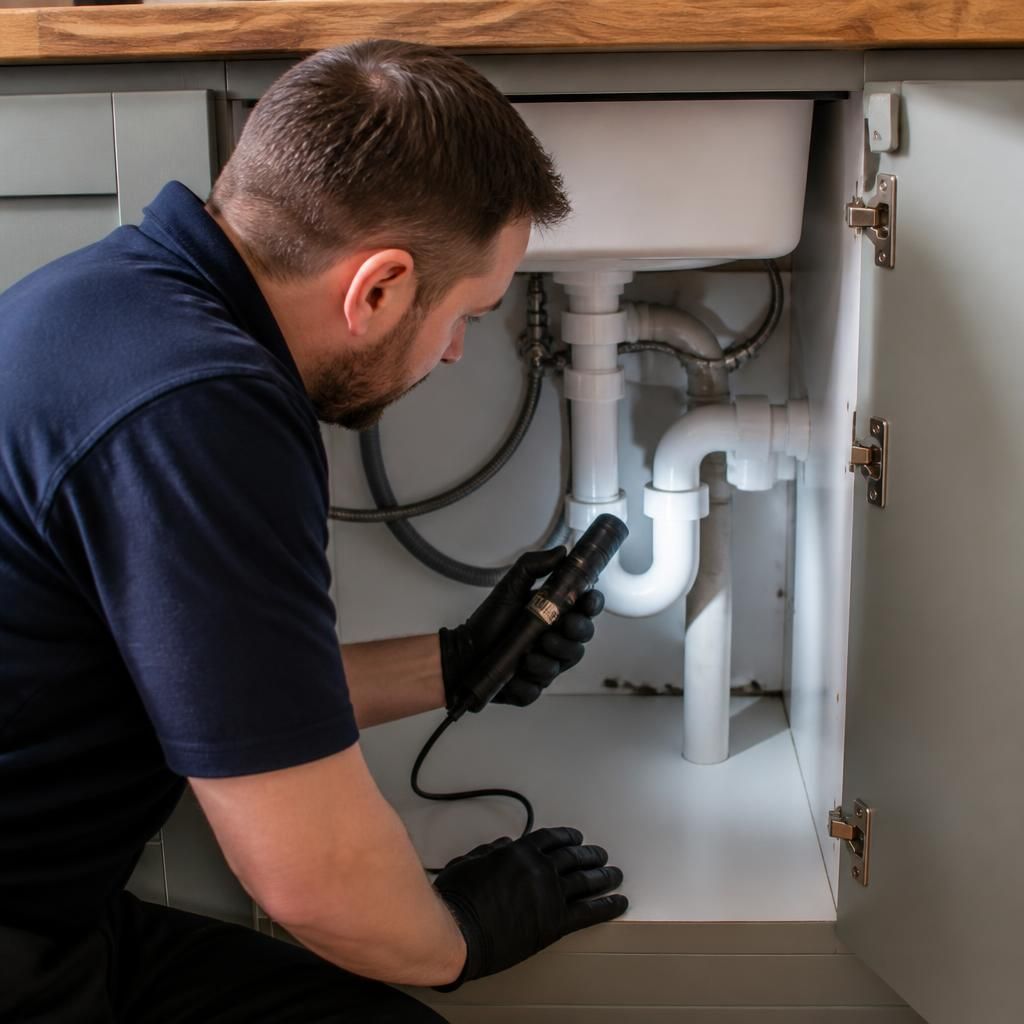
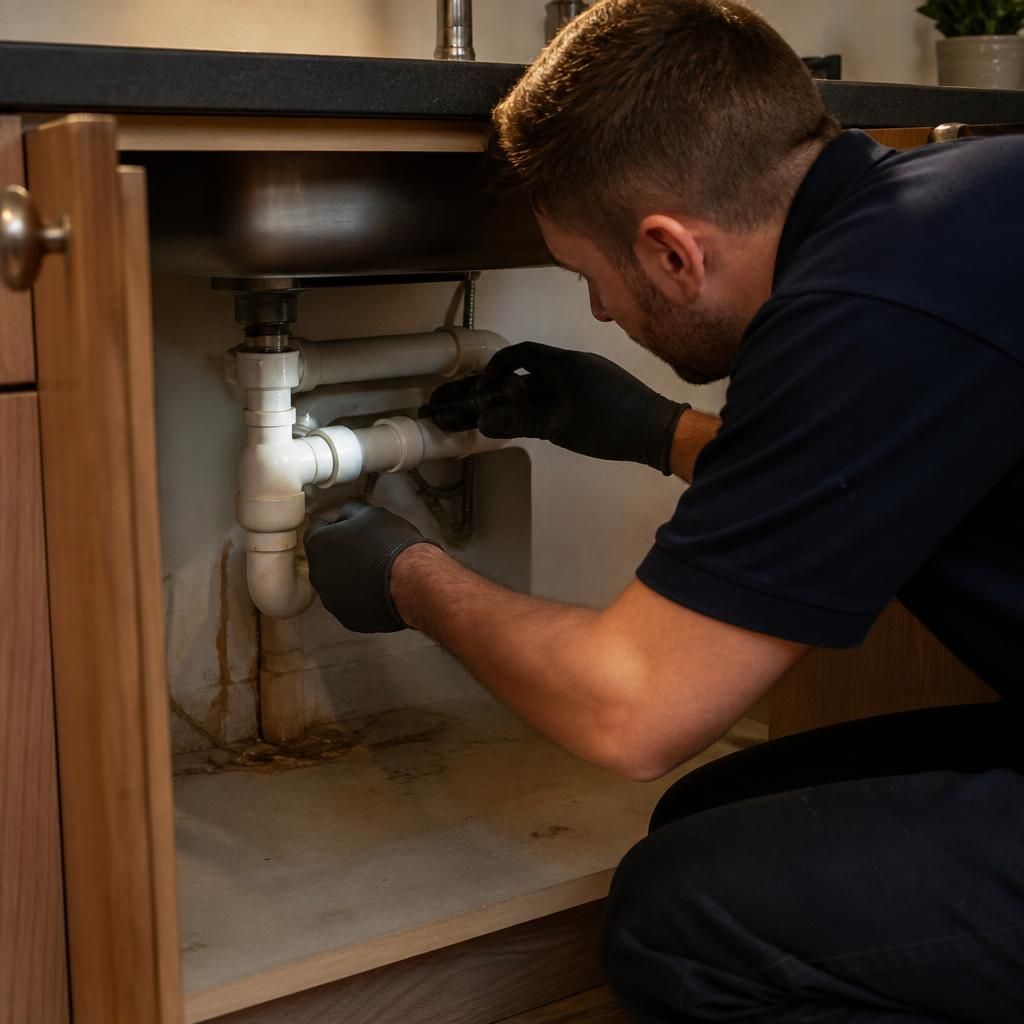
Plumber inspecting a domestic water supply for signs of a hidden leak

Domestic Water Leak Detection

Water supply leaks can develop at joints, valves and pipework behind walls or beneath floors. Investigation can help identify whether pressure loss, staining or unexplained moisture is linked to the mains supply or an internal plumbing connection.

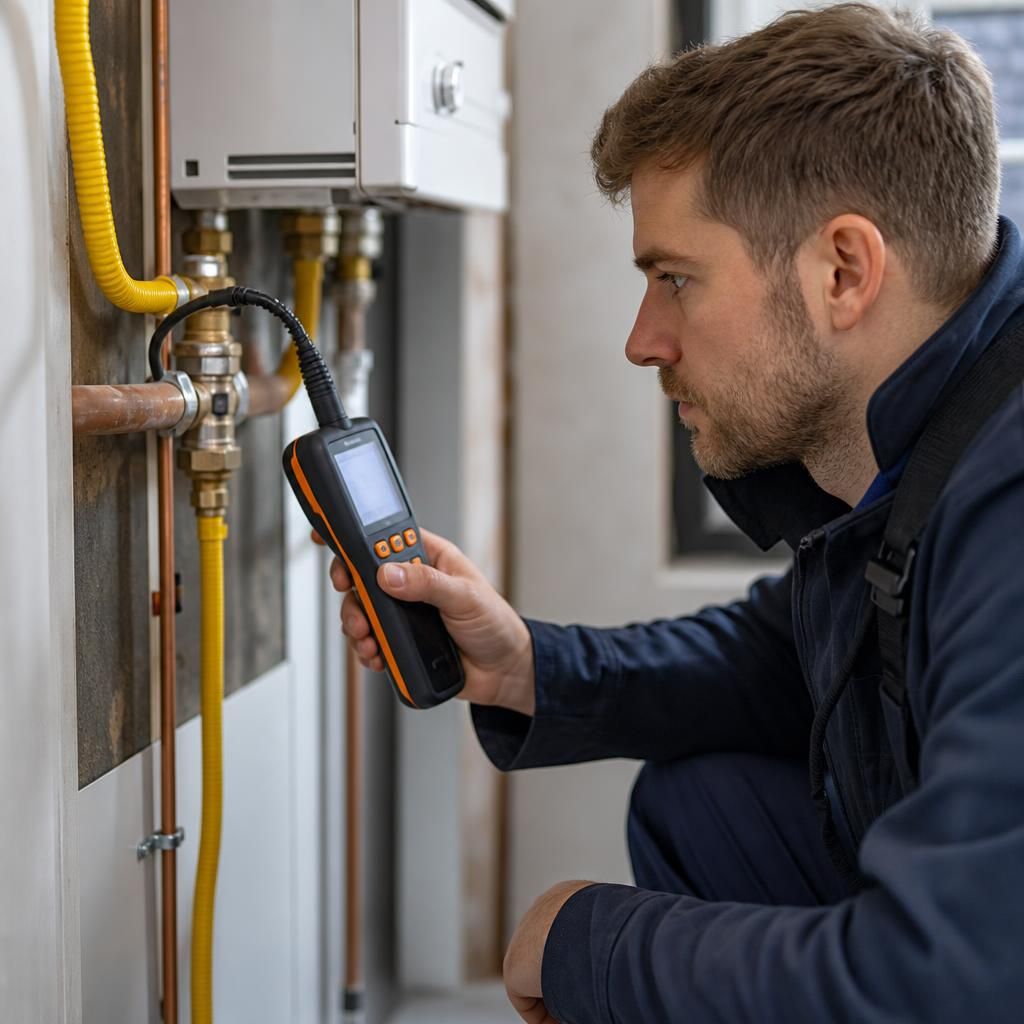
Specialist checking gas pipework and connections for a possible leak

Gas Leak Detection

Gas leaks require careful assessment of pipework, joints and appliance connections. Ideal Plumbing Services can help locate the suspected escape point and advise on the appropriate repair or safety action for the affected installation.

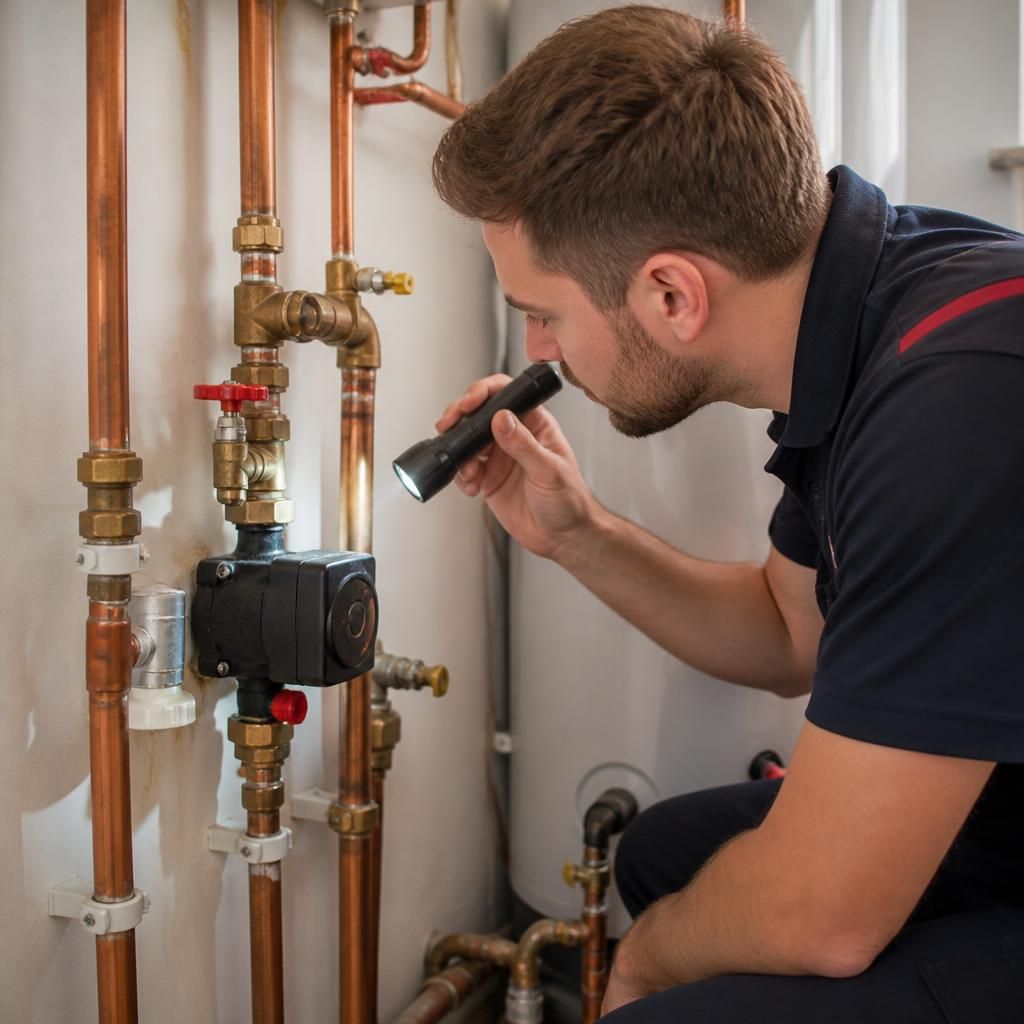
Engineer examining heating pipework for signs of water leakage

Heating System Leak Detection

A loss of pressure, moisture around valves or water beneath heating equipment may indicate a leak within the circuit. Tracing the source helps separate a component fault from a problem in the connected pipework.

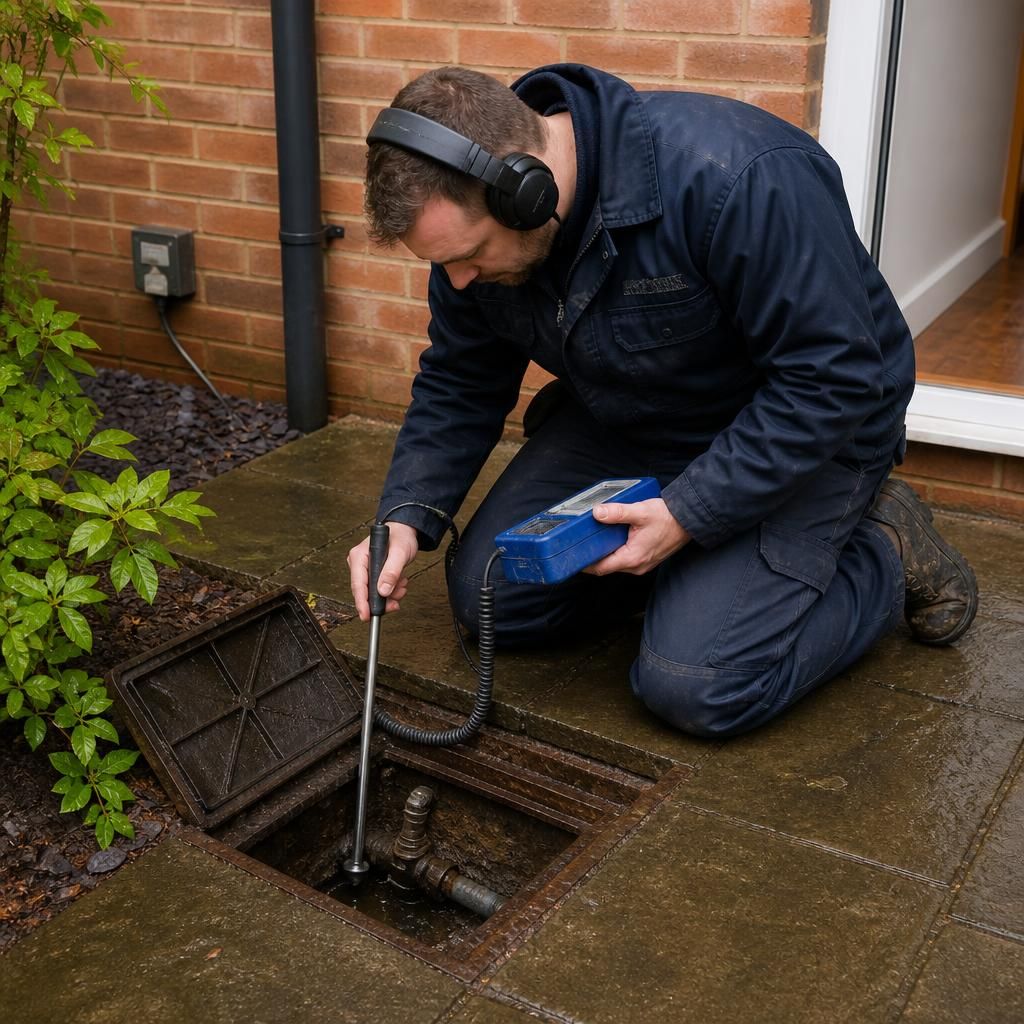
Plumber investigating an external underground water service

Underground Supply Leaks

Leaks below paving, gardens or other external areas may be indicated by persistently wet ground, sound from buried pipework or an unexplained change in water use. Locating the affected section supports a more focused repair.

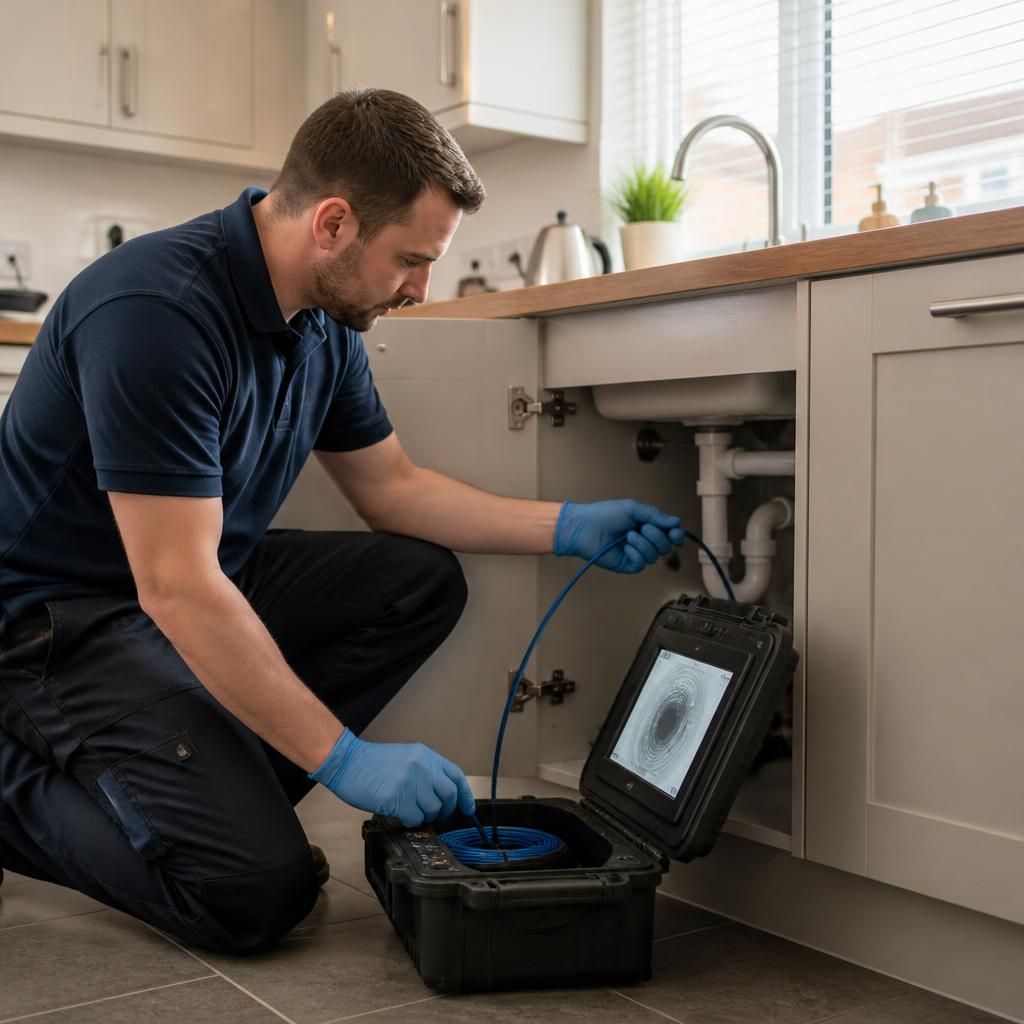
Inspection of waste pipework and drainage connections for leakage

Drainage Leak Detection

Damaged waste pipes, joints and drainage connections can allow water to escape into surrounding areas. Signs may include recurring odours, staining or moisture near sinks, bathrooms and external drainage points.

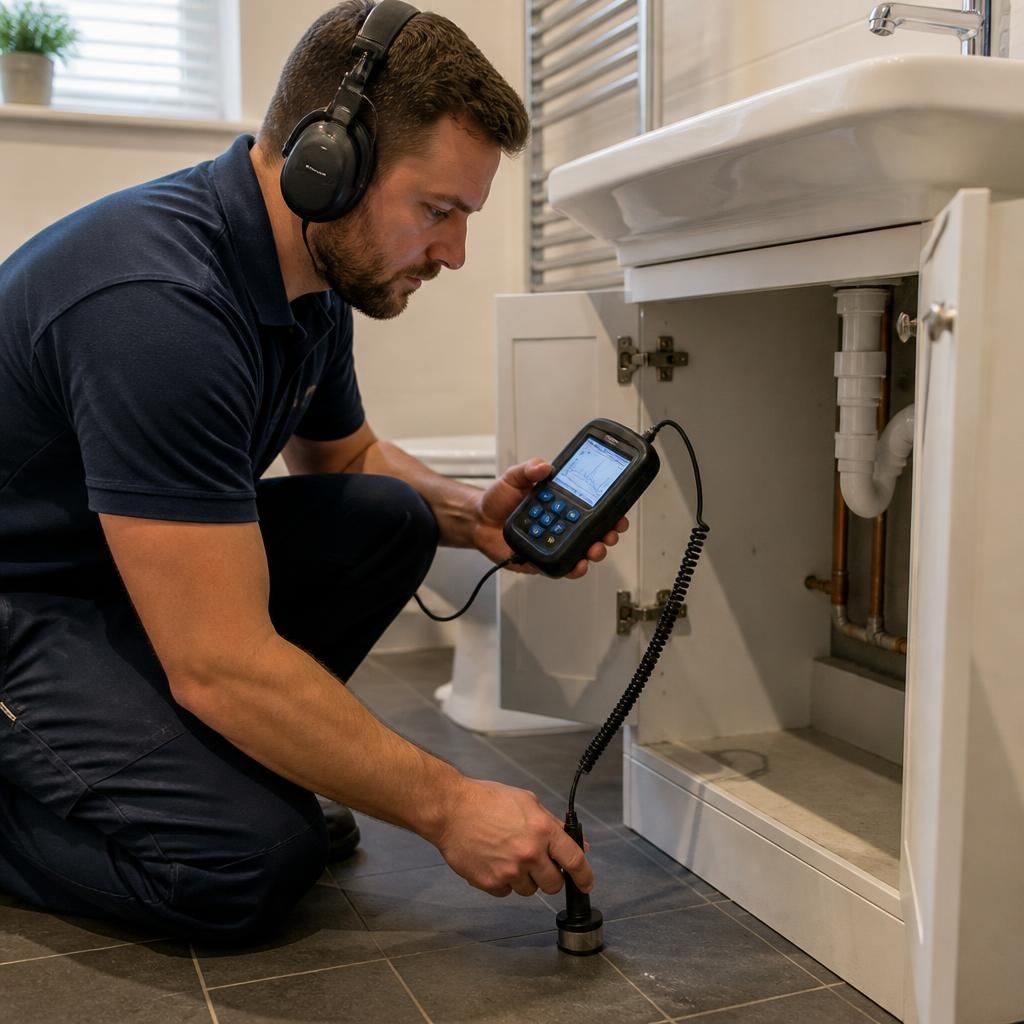
Plumber using inspection equipment to trace the source of a building leak

Targeted Leak Investigation

A visible mark is not always directly above the source of a leak because water can travel through floors, walls and building materials. A structured inspection follows the symptoms back to the affected pipe, fitting or connection before repair work is recommended.

Local Expertise for Accurate Leak Detection

Local water leak detection traces escaping water or gas to its source instead of relying on the visible damp patch. For Birmingham and West Midlands properties, local knowledge helps account for varied layouts and installations.

That context is useful when symptoms appear far from the fault, such as a ceiling mark below pipework or damp near a bathroom. It supports sensible decisions about access, isolation and repair.

Before arranging an assessment, note when the problem appears, whether water use changes it and which fittings or rooms are affected. Share these details with Ideal Plumbing Services to help focus the inspection and explain the next step.

Water & Gas Leak Detection Questions Answered

When Should You Arrange Professional Water or Gas Leak Detection?

Arrange professional assessment when damp returns, bills rise unexpectedly, or gas odour is suspected. Avoid disturbing concealed pipework; isolate accessible supplies safely and explain symptoms during booking to help diagnosis.

Read the full answer

What Does Professional Water and Gas Leak Detection Involve?

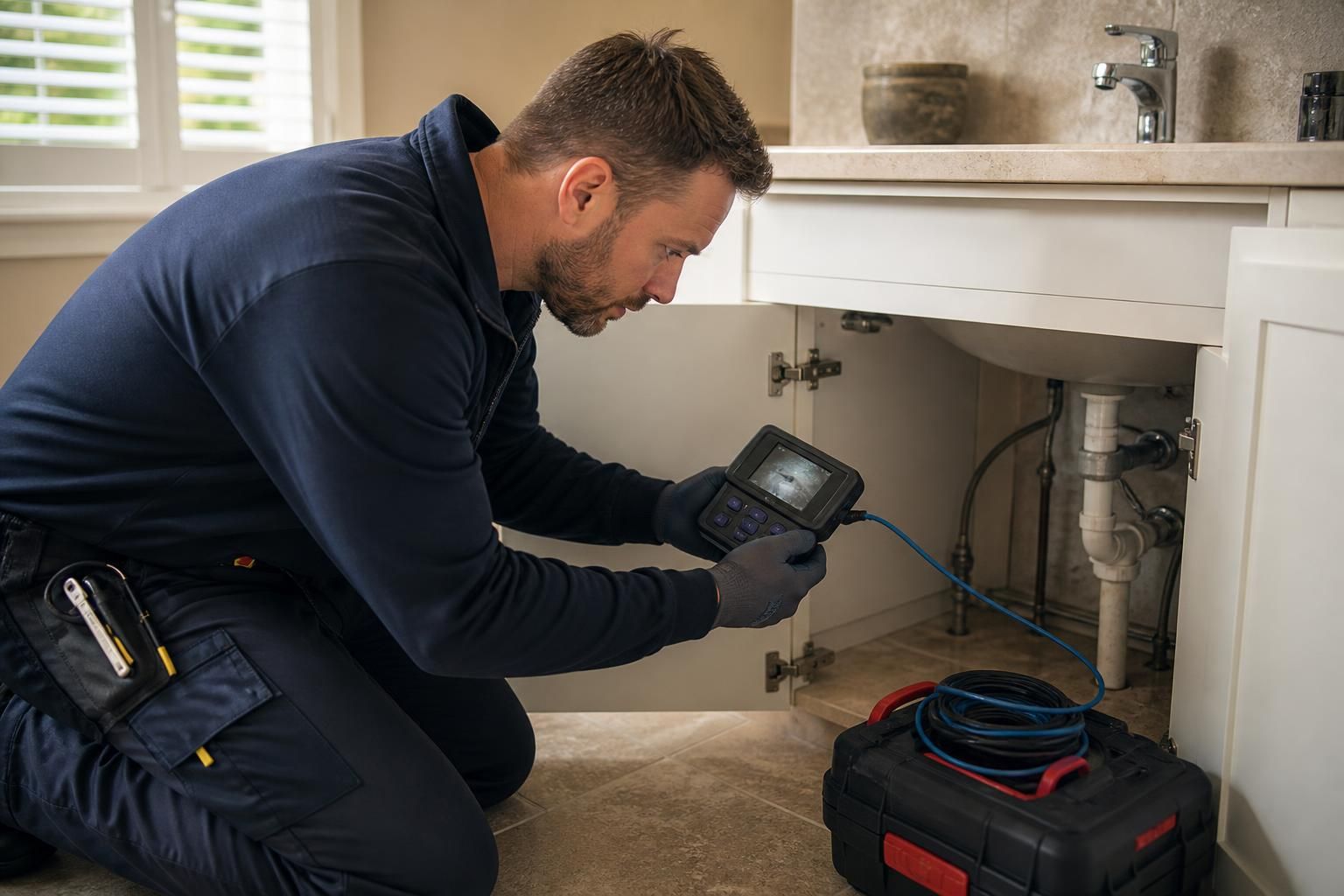
A professional inspection uses visual checks, moisture readings, pressure testing and suitable tracing equipment to narrow the source. Findings guide isolation, access requirements and targeted repair recommendations, clarifying next steps.

Read the full answer

Can Leak Detection Locate an Underground Water Pipe Leak?

Yes. Specialist tracing can identify underground water pipe leaks by assessing pressure loss, moisture patterns and ground conditions, helping distinguish supply pipe faults from drainage problems before excavation or repair.

Read the full answer

How Can You Tell Whether a Leak Is Coming from a Bathroom Fitting?

A bathroom fitting leak usually starts at a tap, valve, trap, cistern, shower connection or seal. Check joints for fresh moisture, then arrange targeted repair if leakage persists after isolation.

Read the full answer

Can Leak Detection Find a Leak Behind a Wall?

Yes, moisture meters and acoustic or thermal tracing can help identify concealed wall leaks. The inspection also considers nearby fittings, pipe routes and damage patterns before recommending access and repair.

Read the full answer

Questions to Ask Before Choosing a Leak Detection Specialist

Before choosing a plumber for water or gas leak detection, ask what the inspection includes, how the suspected fault will be confirmed and whether any access, isolation or follow-on repair may be required. Clarify what information to provide when making an enquiry and what happens after the assessment.

Request a clear explanation of the price, including any additional work or materials, and ask who will carry out the repair. It is also sensible to confirm the proposed workmanship standard, how the completed work will be checked and what follow-up support is available if the leak continues.

What does the inspection include?

Ask which areas, fittings and pipework will be assessed, particularly if the visible damp or smell is away from the suspected source. Confirm what information the plumber needs before attending and what arrangements apply to the inspection.

Clarify the scope before booking

A suitable assessment should consider the affected fixtures, nearby pipework and any related drainage connection. Explain when the symptom occurs, which rooms are affected and whether water use changes it, then ask whether access or isolation will be needed and how the findings will be reported.

How will the leak be confirmed?

A visible mark does not always identify the origin of a leak. Ask how the plumber will distinguish a faulty fitting from concealed or underground pipework before recommending work.

Ask how the source will be traced

The diagnosis should connect the observed symptoms with the actual source rather than assume that the nearest damp area is the fault. Ask what checks will be made, what evidence will confirm the diagnosis and whether the proposed repair addresses the cause rather than only the visible effect.

What will the detection cost?

Request a clear explanation of the charge for the inspection before work begins. Ask which parts are included and when extra costs could arise.

Get pricing explained in writing

The quotation or explanation should separate detection from any follow-on repair, replacement parts or additional access work where relevant. Confirm how extra work will be approved and check that there are no hidden charges before authorising the next stage.

Who will carry out the repair?

Once the source has been identified, ask who will complete the repair and what access the work may require. This is especially important where concealed pipework, ceilings, bathrooms or heating systems are involved.

Check the proposed workmanship

Ask what repair method is recommended, whether isolation or removal of finishes is necessary and how the completed work will be checked. A clear explanation helps you compare a targeted repair with any wider remedial work and make an informed decision.

What happens after the repair?

Leak detection should lead to a clear next step, whether that is monitoring, a repair or further investigation. Ask what checks will be completed once the work has been carried out and what support is available if the symptom continues.

Confirm the follow-up process

Before approving the work, establish how the repaired installation will be tested and what information you will receive about the result. Ask who to contact if damp, dripping or another sign of leakage remains, and keep the assessment and repair details for future maintenance.

Once you have clear answers, choose a plumber who can explain the recommended action in plain terms and provide a defined route from detection to repair. Ideal Plumbing Services offers a satisfaction guarantee and no hidden charges, giving you clearer grounds for deciding whether to proceed.

Contact Ideal Plumbing Services About Your Leak

Contact Ideal Plumbing Services to arrange water or gas leak detection, discuss an urgent plumbing concern or plan a repair. Provide the affected room, fitting or pipework details so the team can advise on the appropriate next step.

Call now: 07440 753962