Skip to content
24/7 emergency call-outs across the West Midlands
Ideal Plumbing Services

Leak Detection

Kitchen Plumbing Birmingham

Kitchen plumbing covers the water supply, waste pipes, taps and connected appliances that keep a kitchen functioning. Our Birmingham service identifies faults such as sink leaks, blockages and poor water pressure, then provides precise repairs and installations.

Identify the Kitchen Leak and Plan the Right Repair

A kitchen leak assessment traces moisture back to its source rather than treating the visible puddle alone. Checks around units, appliance connections, waste fittings and flooring can distinguish a loose joint from a concealed pipe fault, helping prevent unnecessary removal of cabinets or worktops.

Once the cause is identified, you can make an informed decision about the repair. Isolating the affected supply, protecting nearby surfaces and explaining the required access helps limit disruption while work is carried out. Persistent dampness should not be ignored, as it can damage cabinetry, flooring and adjoining materials.

Following repair, the area should be checked for continued moisture and the fittings tested for proper drainage and flow. Ideal Plumbing Services provides practical advice on the appropriate next step, whether the issue needs a targeted repair or further leak investigation.

Signs You Need Professional Kitchen Leak Detection

Professional kitchen leak detection is appropriate when water bills increase unexpectedly, damp patches develop, moisture remains after cleaning, or a concealed pipe is suspected. It is also valuable for landlords and tenants investigating unexplained damage or recurring plumbing faults.

An Unexplained Increase in Water Use

A higher water bill without a clear change in household usage can indicate a hidden leak. Professional kitchen leak detection can help establish whether water is escaping from a supply pipe, tap connection, dishwasher feed or another concealed fitting.

Dampness Beneath Units or Flooring

Damp cabinet bases, swollen flooring, peeling finishes or a musty smell may indicate that water is escaping out of sight. Tracing the moisture source helps separate an active leak from residual damage caused by an earlier spill or appliance fault.

Moisture That Keeps Returning

If an area becomes wet again after it has been dried, the cause may be a slow leak rather than surface condensation. Checks around sink waste pipes, isolation valves and appliance connections can identify the affected part of the kitchen plumbing.

Suspected Concealed Pipe Leaks

A leak inside a wall, beneath flooring or behind fitted units may not produce an obvious puddle. Signs can include discoloured surfaces, soft materials, damaged plaster or a persistent damp odour. Specialist investigation can help locate the fault before access is planned.

Unexplained Damage in a Rental Property

Landlords and tenants should record damp marks, damaged units and recurring moisture before arranging repairs. Professional detection can clarify whether the issue relates to the kitchen supply, waste system or an appliance connection, supporting a more accurate repair decision.

Kitchen Plumbing Questions Answered

Should I stop using kitchen appliances before a plumbing visit?

An inspection examines visible fittings, pipework, appliance connections and drainage, using non-invasive checks where suitable. Findings identify fault locations and help determine whether targeted access or further investigation is needed.

Read the full answer

Can kitchen plumbing repairs be completed without removing cabinets?

Often, yes: technicians can access joints through existing service gaps or removable panels. If concealed pipework is involved, limited cabinet or worktop removal may be necessary for safe, effective repairs.

Read the full answer

What should I do if my kitchen sink waste pipe is leaking?

Place a bowl beneath the joint, avoid using the sink, and dry the area. A plumber can inspect seals, traps and connected pipework before completing suitable repairs safely and precisely.

Read the full answer

What causes low water pressure at a kitchen sink?

Low water pressure at a kitchen sink commonly results from a partly closed isolation valve, blocked aerator, faulty mixer cartridge, or restricted supply pipe. Testing identifies the appropriate required repair.

Read the full answer

Should a leaking kitchen tap be repaired or replaced?

Repair is suitable when the tap has a worn washer, cartridge or loose connection. Replacement is preferable when corrosion, damage or repeated faults make repair unreliable, with compatible fittings selected.

Read the full answer

From First Call to the Right Kitchen Plumbing Repair

Kitchen plumbing support starts with recording the affected fitting and symptoms, such as a dripping dishwasher connection, a tap that will not shut off or a slow-draining sink. This establishes which part of the supply or waste system needs checking.

During the visit, valves, joints, traps, pipes and appliance connections are examined in sequence. Flow and drainage tests help distinguish a local fitting fault from a wider kitchen plumbing issue, while accessible components are checked for wear or escaping water.

The findings are then explained plainly, with the reason for each recommendation. The appropriate next step may be adjusting or replacing a fitting, clearing a restricted waste line, or carrying out further checks before a larger repair is considered.

Clear, Careful Kitchen Plumbing Support

A kitchen plumbing assessment links the reported problem to the relevant fitting, pipework or appliance connection, helping ensure that any recommendation addresses the underlying fault rather than only its visible symptoms.

Customers receive clear explanations of the findings, suitable repair options and the practical next step. Work is carried out respectfully around cupboards, worktops and flooring, with guidance provided so homeowners, landlords and tenants understand what has been completed and what to monitor afterwards.

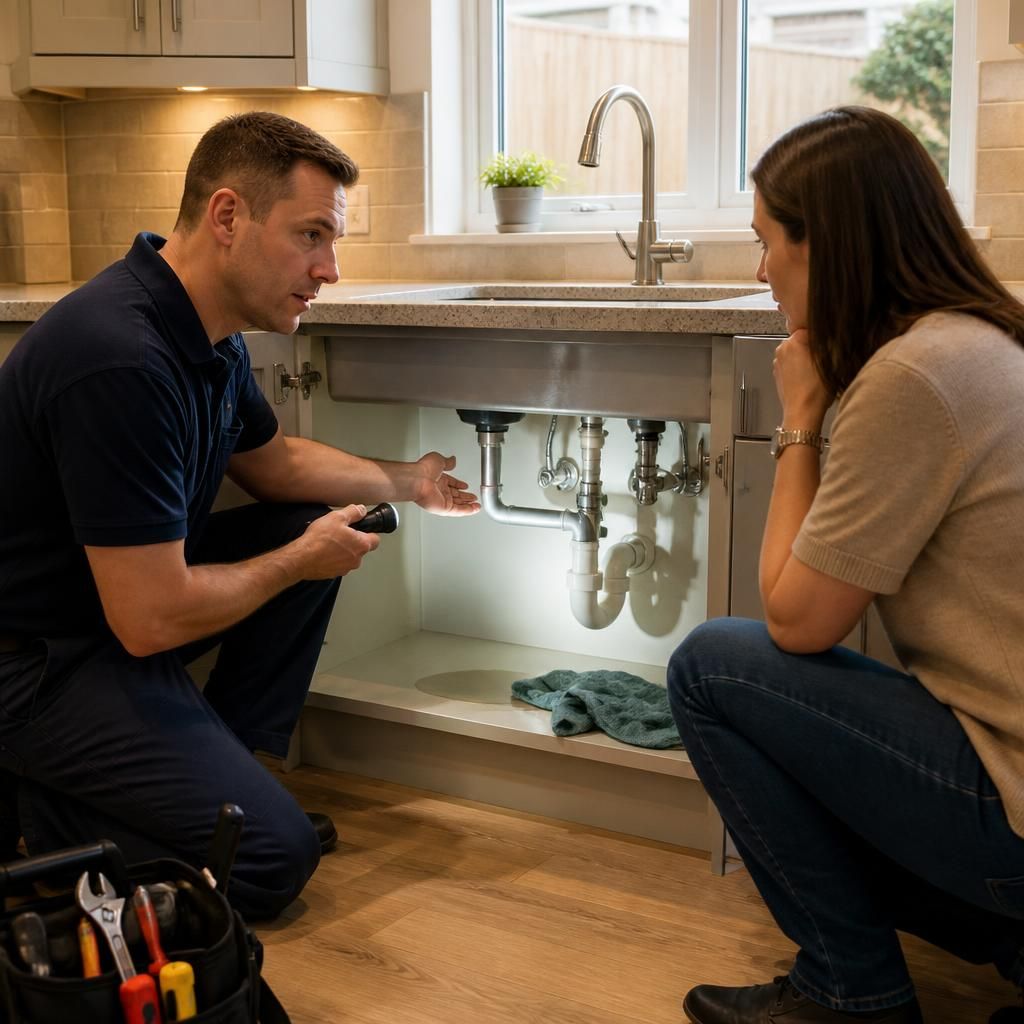
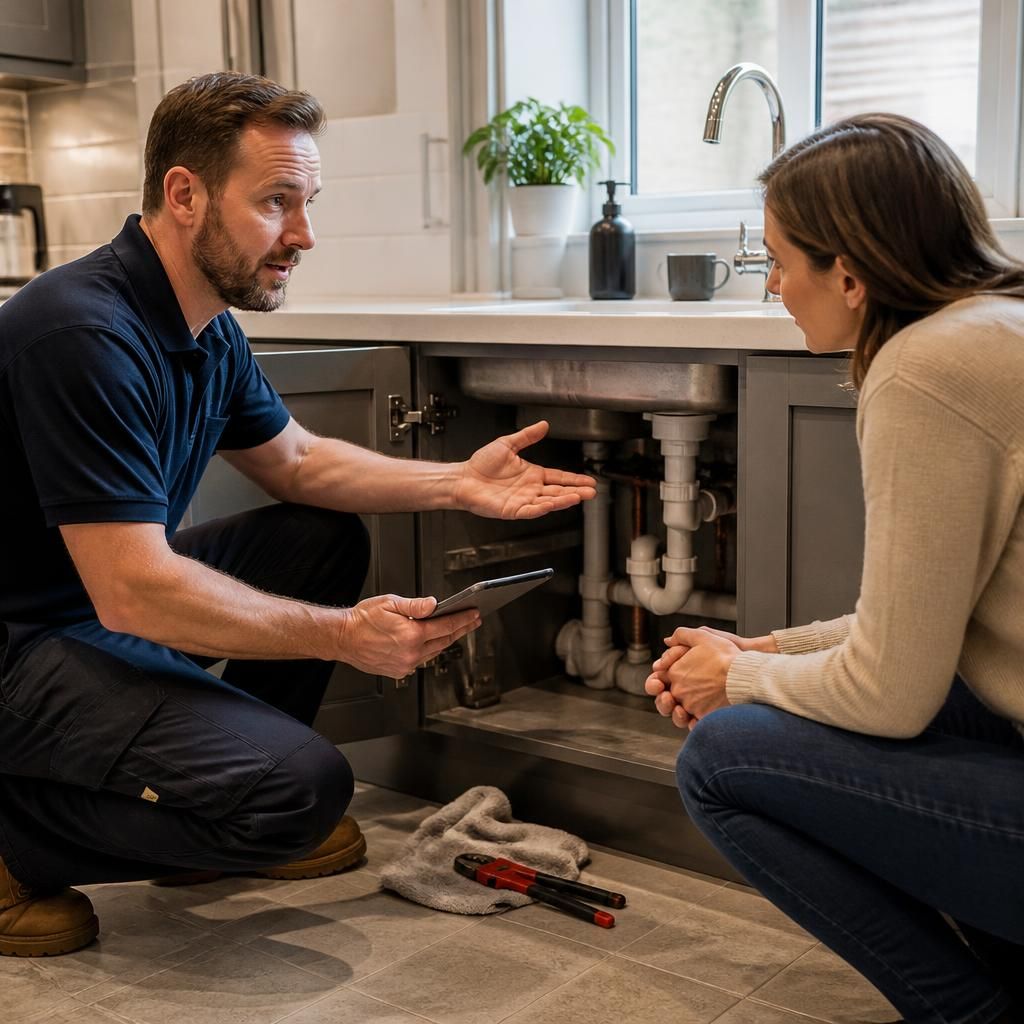
Plumber discussing a kitchen sink issue with a homeowner

A Clear Record of the Problem

The reported symptoms are recorded alongside the affected tap, sink, pipe or appliance connection. This creates a clear starting point for the inspection and helps separate an isolated fault from related kitchen plumbing concerns.

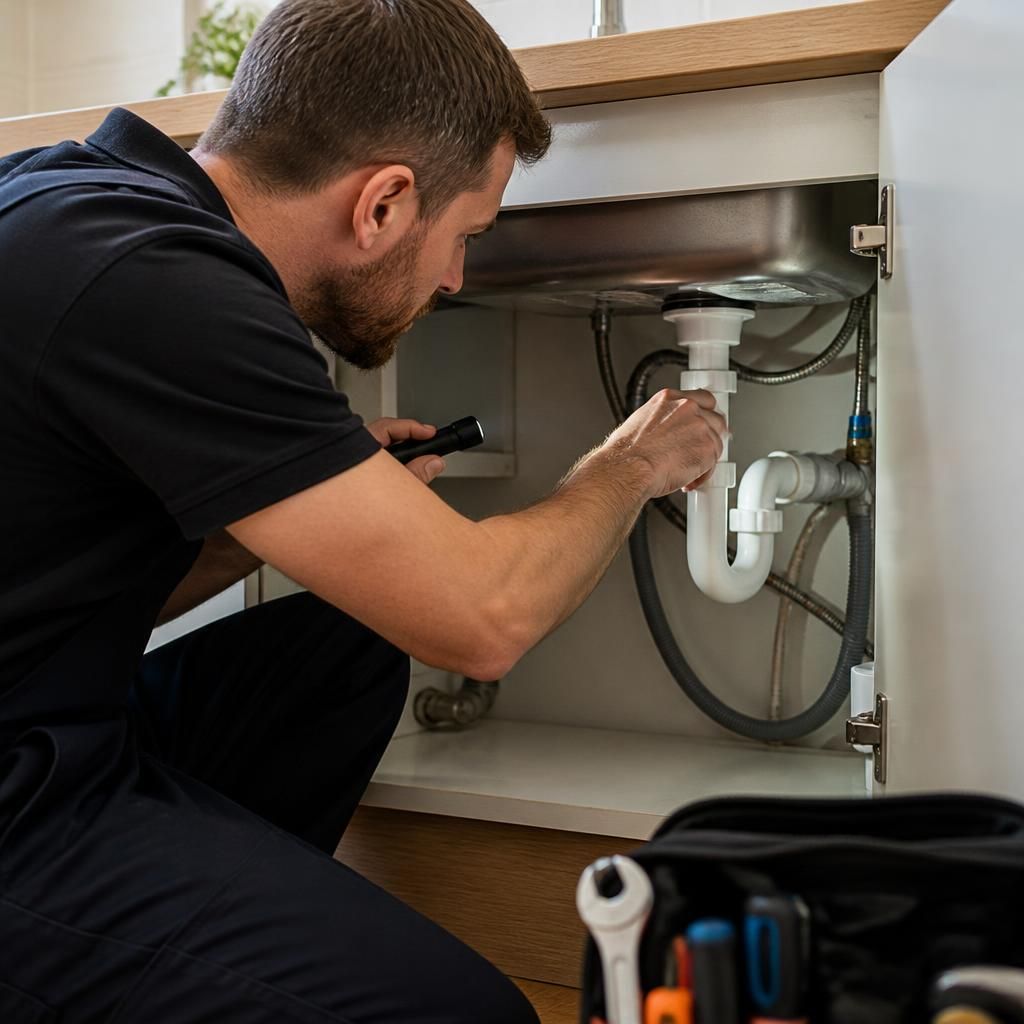
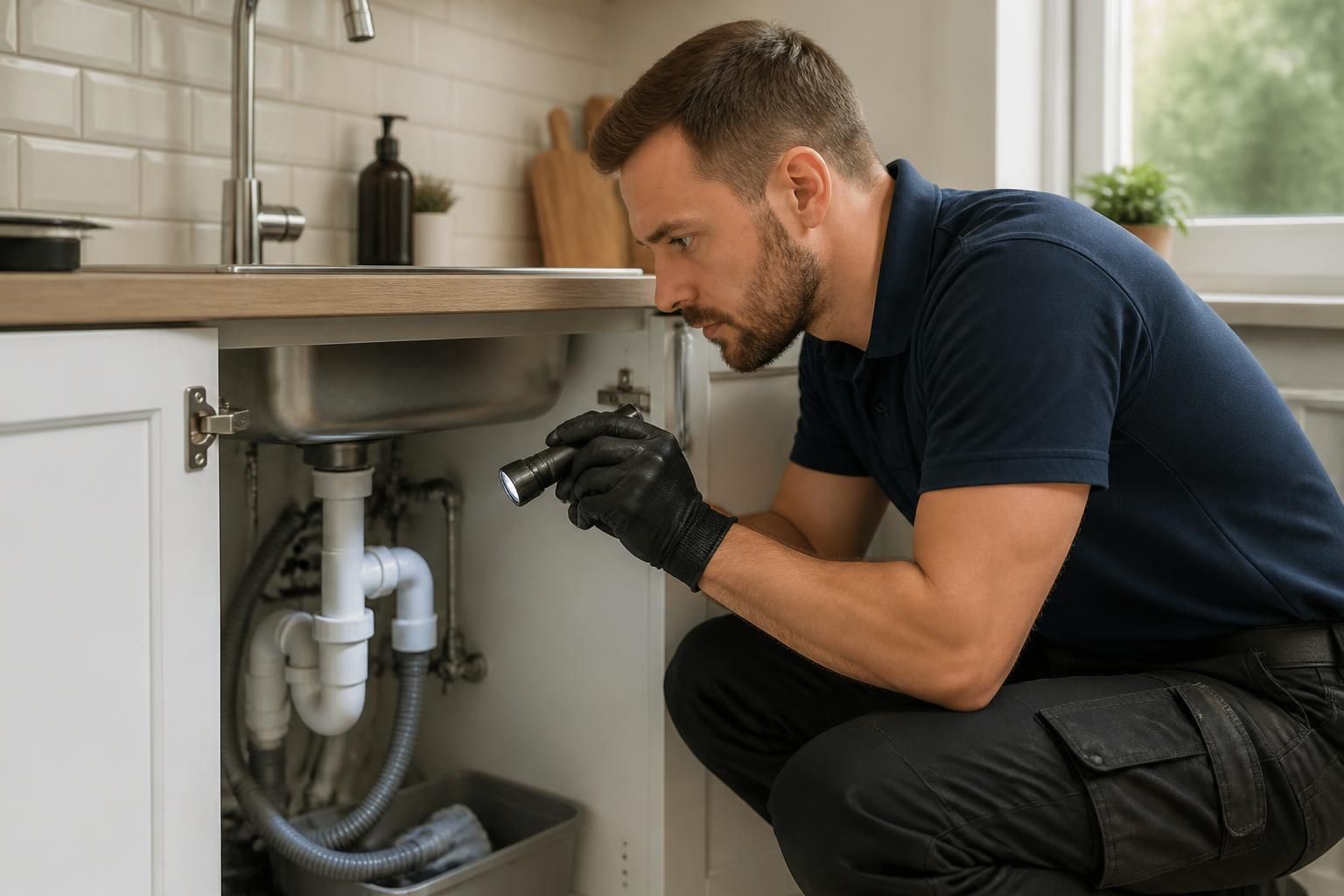
Plumber inspecting pipework beneath a kitchen sink

Methodical Checks Beneath the Sink

Experienced checks cover isolation valves, flexible hoses, traps, joints and visible pipework beneath the sink. Looking at each connection helps identify active leaks, deterioration and restrictions that may not be obvious from the surface.

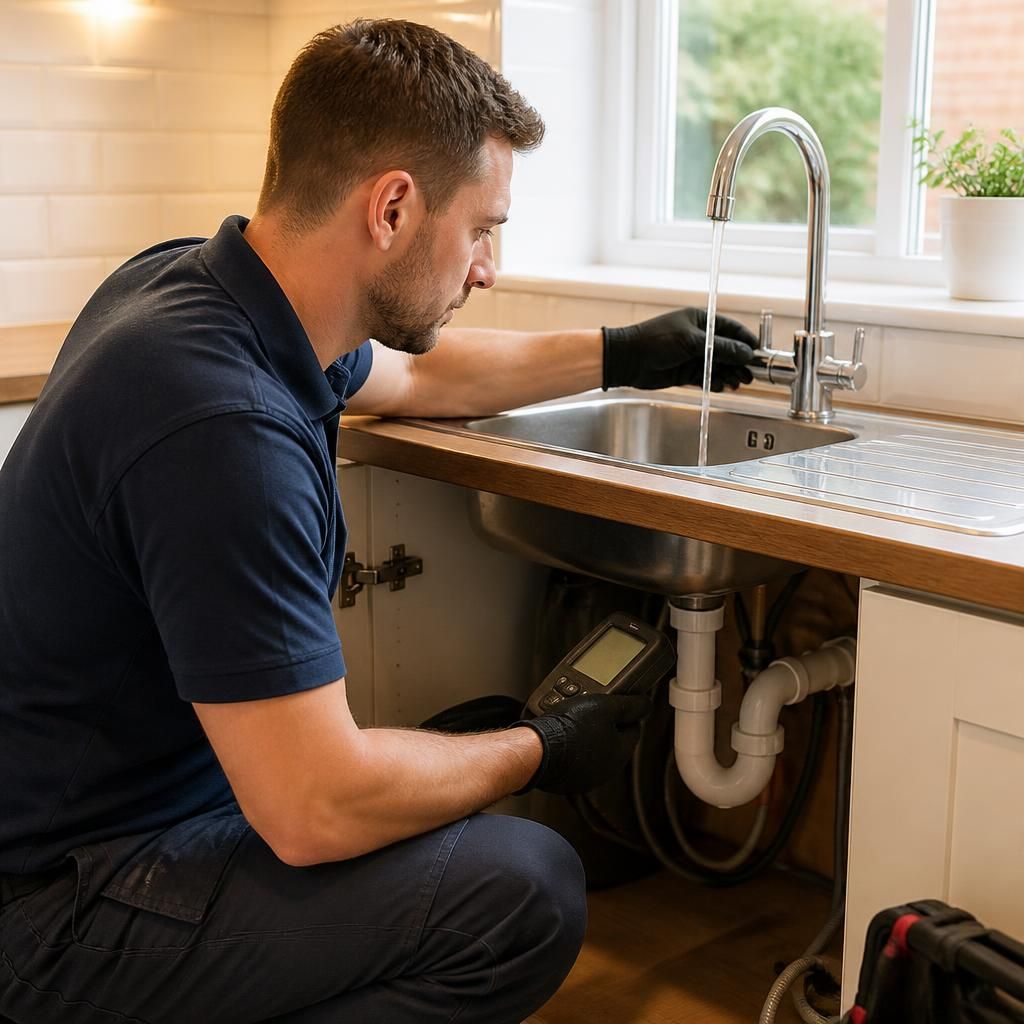
Plumber testing water flow from a kitchen tap

Testing Water Flow and Drainage

Water flow and waste drainage are assessed in relation to the reported symptoms. These tests help establish whether poor performance comes from a tap or connection, a restricted waste route or a wider issue within the kitchen plumbing system.

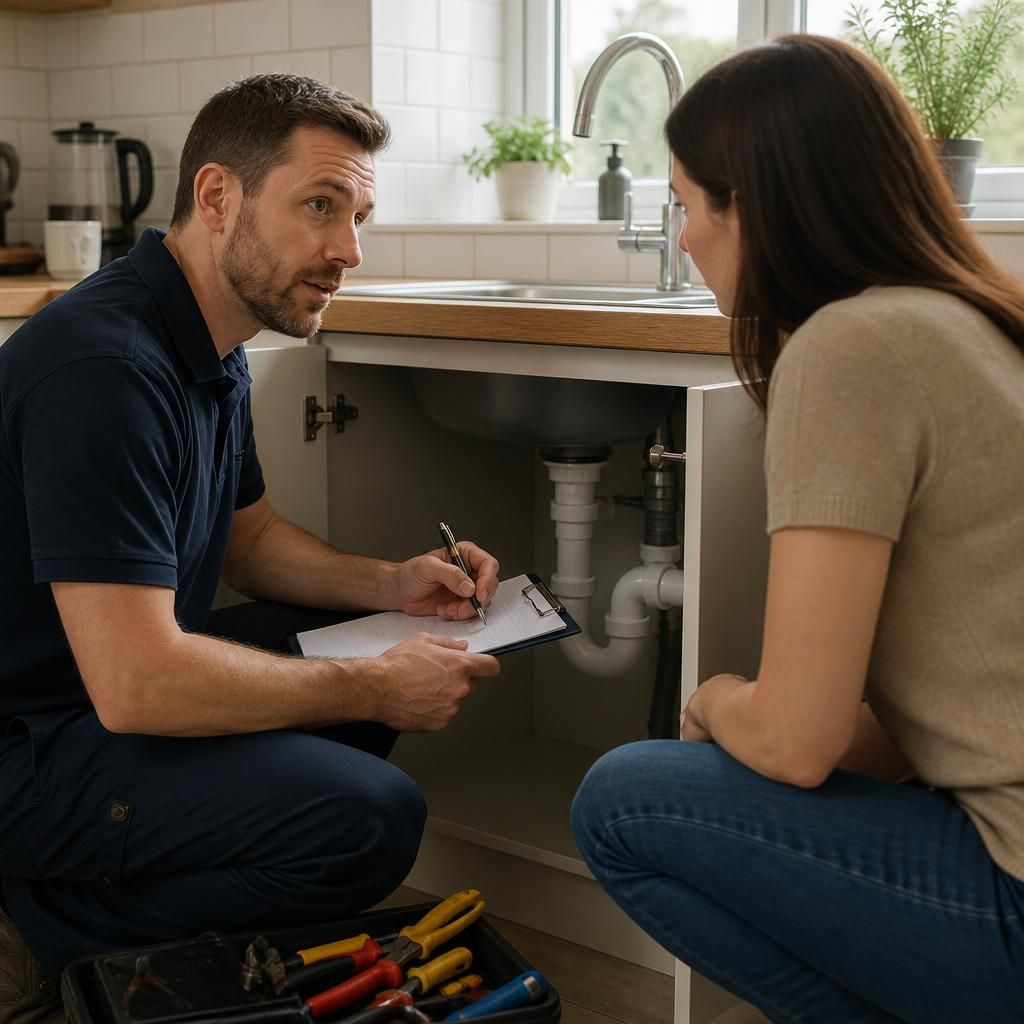
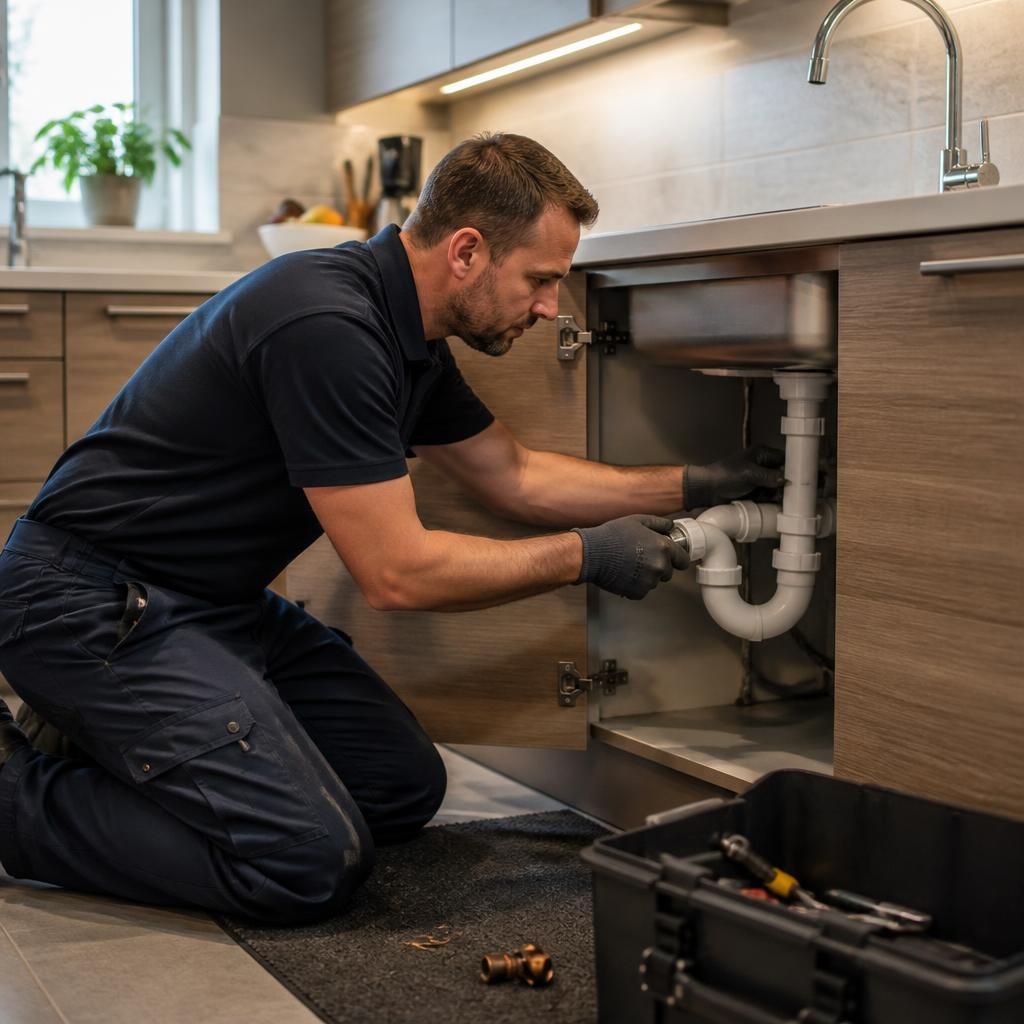
Plumber working carefully around kitchen cupboards

Respectful Work Around Kitchen Units

Kitchen plumbing repairs require care around cupboards, flooring, worktops and stored items. Work is approached neatly and with attention to the surrounding property, while accessible components are handled methodically to avoid unnecessary disruption.

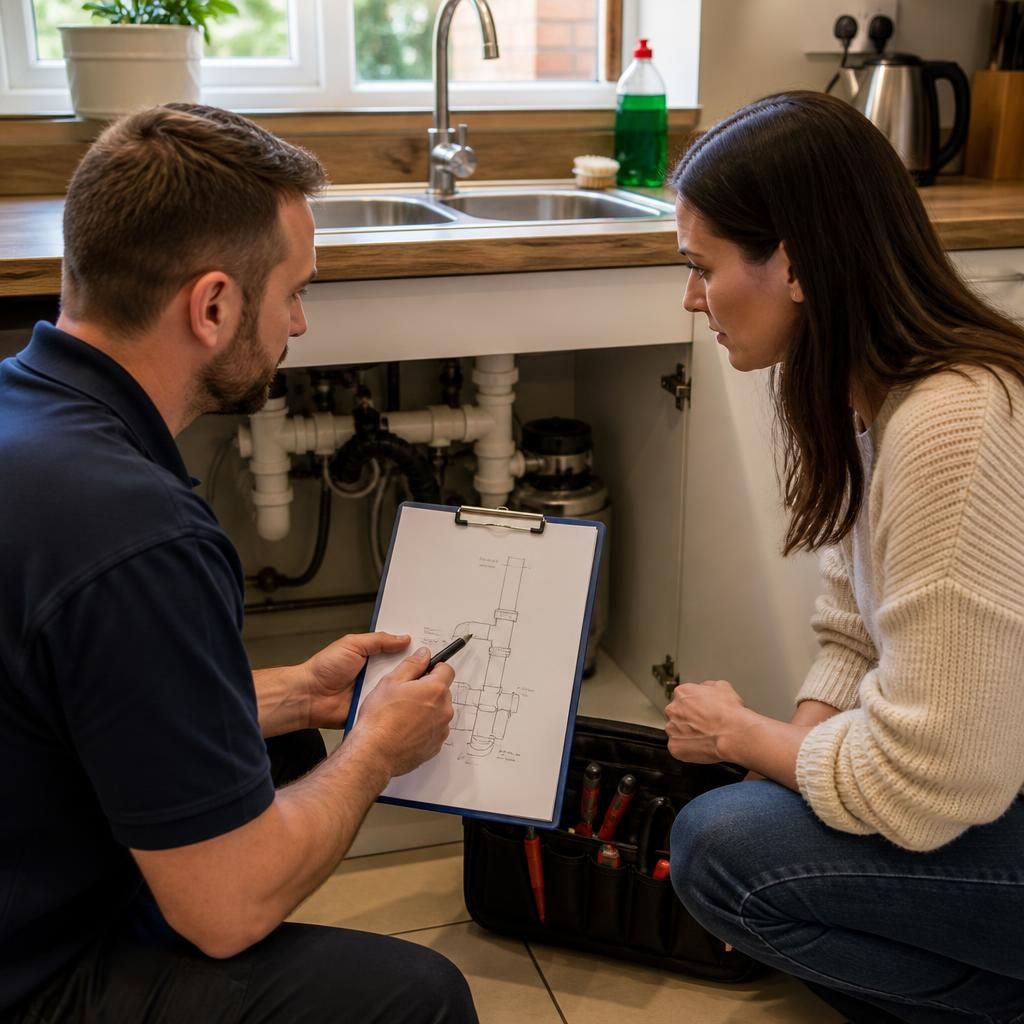
Plumber explaining kitchen repair options to a customer

Practical Recommendations Without Guesswork

Once the checks are complete, the findings are explained in straightforward terms, including what needs attention and why. Customers can then make an informed decision between a suitable adjustment, component replacement, waste-line clearance or further investigation.

Request Expert Kitchen Plumbing Support

Contact Ideal Plumbing Services for expert kitchen plumbing and leak detection in Birmingham and the wider West Midlands. Share the problem and affected area to receive clear guidance on the most suitable inspection, repair or installation.

Call now: 07440 753962