Skip to content
24/7 emergency call-outs across the West Midlands
Ideal Plumbing Services

Leak Detection

Tap & Shower Leak Detection Birmingham

Tap and shower leak detection identifies the source of dripping or concealed water leaks around taps, valves, shower heads, trays and drains. Ideal Plumbing Services assesses the fault, explains the repair needed and helps protect your home from water damage.

From Uncertainty to a Clearly Identified Leak

Tap and shower leak detection locates the precise source of water escaping from a fitting, connection or waste outlet. A visible drip may come from a worn washer or valve, while water beneath a bath, tray or basin can indicate a concealed joint.

Checks cover the tap, handle, spout, shower head, valve, seals, tray and drain. This distinguishes a faulty fitting from water travelling along a surface and indicates whether adjustment, a replacement part or repair is needed.

Once the source is confirmed, the next step is clear: repair the defective part rather than repeatedly tightening sound fittings. Ideal Plumbing Services explains the findings and repair options, helping homeowners, landlords and tenants reduce ongoing dampness and protect surrounding surfaces.

When Professional Tap & Shower Leak Detection Is Needed

Professional leak detection is useful when moisture has no obvious source or a fault keeps returning. Consider an inspection for unexplained water bills, damp patches, persistent moisture, suspected concealed leaks or plumbing problems in a rented property.

Unexplained Water Bills

A higher water bill without a clear change in usage can indicate a tap, shower valve or concealed pipe leak. Detection helps identify whether water is escaping from the bathroom fitting or another part of the plumbing system.

Damp Patches Near Fittings

Discolouration, bubbling paint or damp surfaces around a basin, bath or shower can point to water escaping behind or beneath the fitting. Professional checks help trace the source before repairs are arranged.

Persistent Moisture

Moisture that returns after wiping or drying may be caused by a slow leak from a tap connection, shower tray, waste or seal. An inspection separates an active leak from condensation or surface water.

Suspected Concealed Leaks

A leak may be concealed beneath a bath, behind a panel or below a shower tray when there is no visible drip. Leak detection helps locate the affected connection while limiting unnecessary disturbance.

Problems in Rental Properties

Landlords and tenants should report unexplained dampness, recurring drips or water around bathroom fittings. Identifying the source provides clear information for deciding whether a washer, valve, seal, waste or pipe needs attention.

Tap & Shower Leak Detection: Your Questions Answered

Will I need to stop using the tap before inspection?

Clear the area around affected fittings and note when moisture appears. If safe, isolate the relevant supply; avoid dismantling components, as this can obscure evidence or worsen damage before inspection.

Read the full answer

Can concealed shower leaks be detected without removing tiles?

Often, yes. Non-invasive checks such as moisture readings, pressure testing and acoustic tracing can reliably identify likely leak paths. Limited access is considered only when evidence cannot confirm the source.

Read the full answer

Can a tap or shower leak be repaired without replacing the fitting?

Often, yes: replacing a washer, seal, cartridge, valve, or connection may resolve the fault. Replacement is recommended only when the fitting is damaged, worn, or beyond economical repair if practical.

Read the full answer

How much disruption does tap and shower leak detection cause?

Usually, inspection involves access around the fitting, basin, bath or shower, with minimal disturbance. Technicians explain any necessary lifting, removal or testing before proceeding, helping you plan accordingly with confidence.

Read the full answer

Can tap and shower leak detection find intermittent leaks?

Yes, intermittent leaks can be traced by comparing moisture patterns, observing affected areas during normal use, and checking accessible joints. Record timing and conditions, as these clues help identify fault.

Read the full answer

How Our Tap & Shower Leak Detection Works

Tap and shower leak detection is a structured inspection to establish why water is escaping from a fitting. When you first call, describe when the problem occurs, where water appears and any recent changes to the installation.

During the visit, Ideal Plumbing Services examines accessible connections and runs the fitting to reproduce the fault. Supply isolation and checks beneath units or behind removable panels can help narrow the investigation without unnecessary dismantling.

Once the findings are clear, the plumber explains the cause and appropriate repair. Options may include replacing a worn component, resealing a joint, adjusting the fitting or changing a tap, valve or shower part. You receive the recommendation before work begins, with no hidden charges.

A Clear, Methodical Approach to Tap & Shower Leak Detection

Tap and shower leak detection focuses on identifying where a fault begins, rather than simply locating the water that has collected nearby. Clear communication helps establish the symptoms, check relevant fittings and keep the investigation focused on the most likely cause.

With over 20 years’ experience, Ideal Plumbing Services works carefully around kitchens and bathrooms, protecting surfaces and keeping disruption to a minimum. Once the issue is understood, you receive a plain explanation of the available next steps, so any repair or replacement can be considered without guesswork.

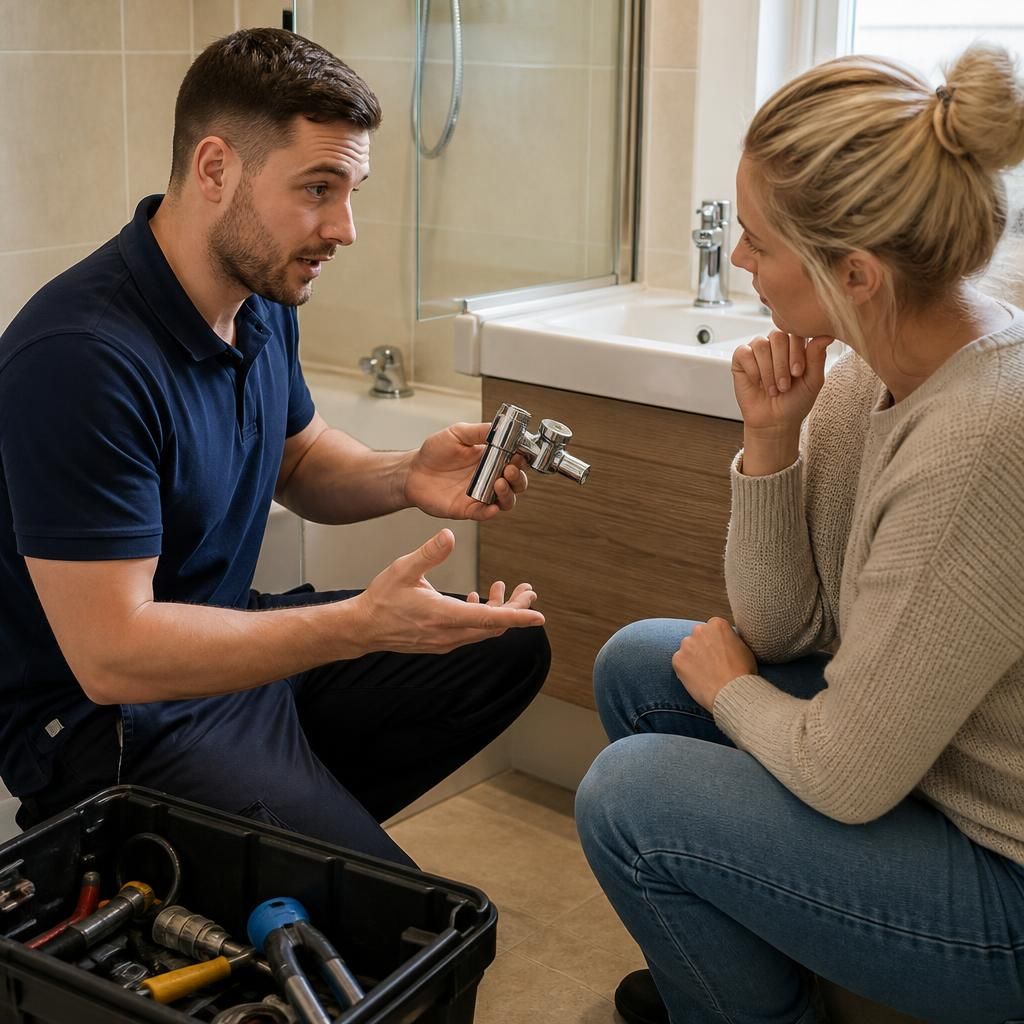
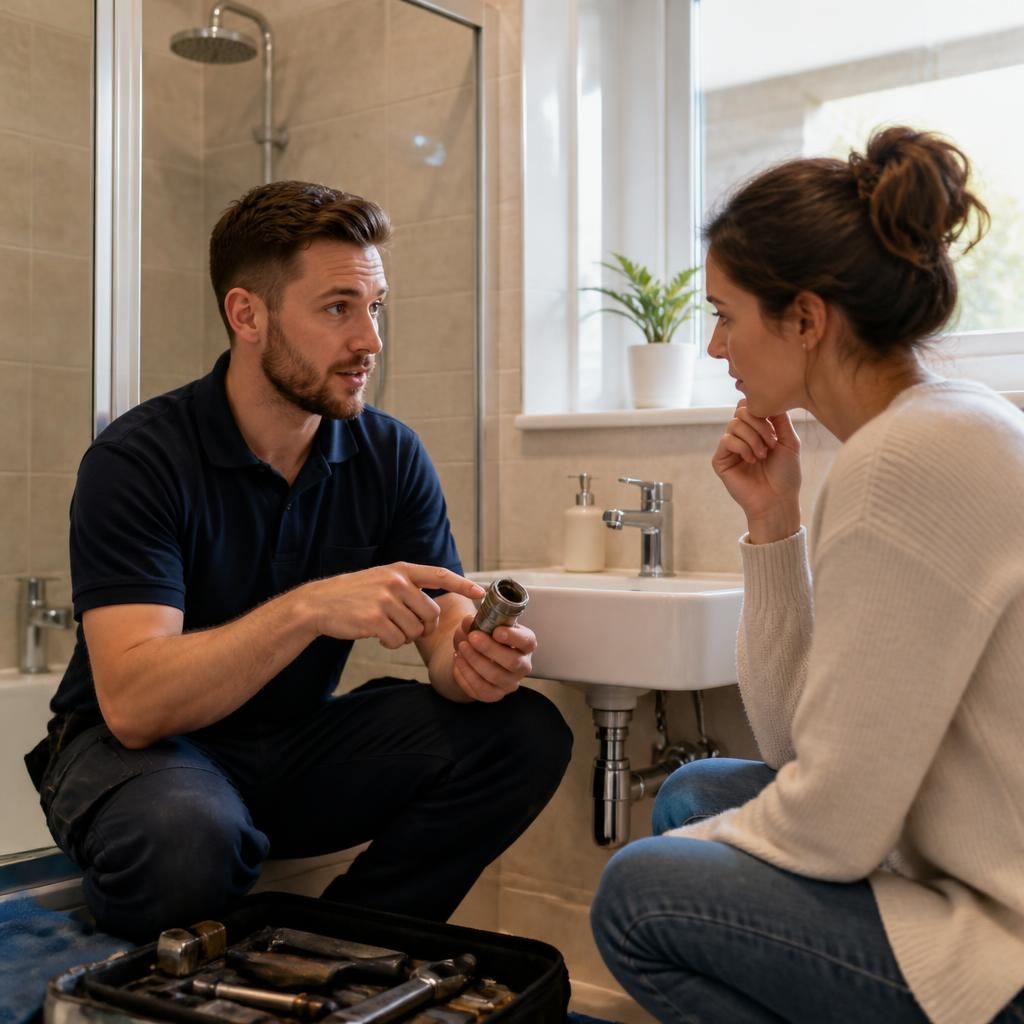
Plumber discussing tap and shower leak symptoms with a homeowner

Useful Information Starts the Inspection

Details such as whether the leak appears when the tap or shower is running, after it is turned off or around the fitting base help focus the inspection. Sharing visible staining, damp surfaces or changes in water flow gives the plumber useful context before testing begins.

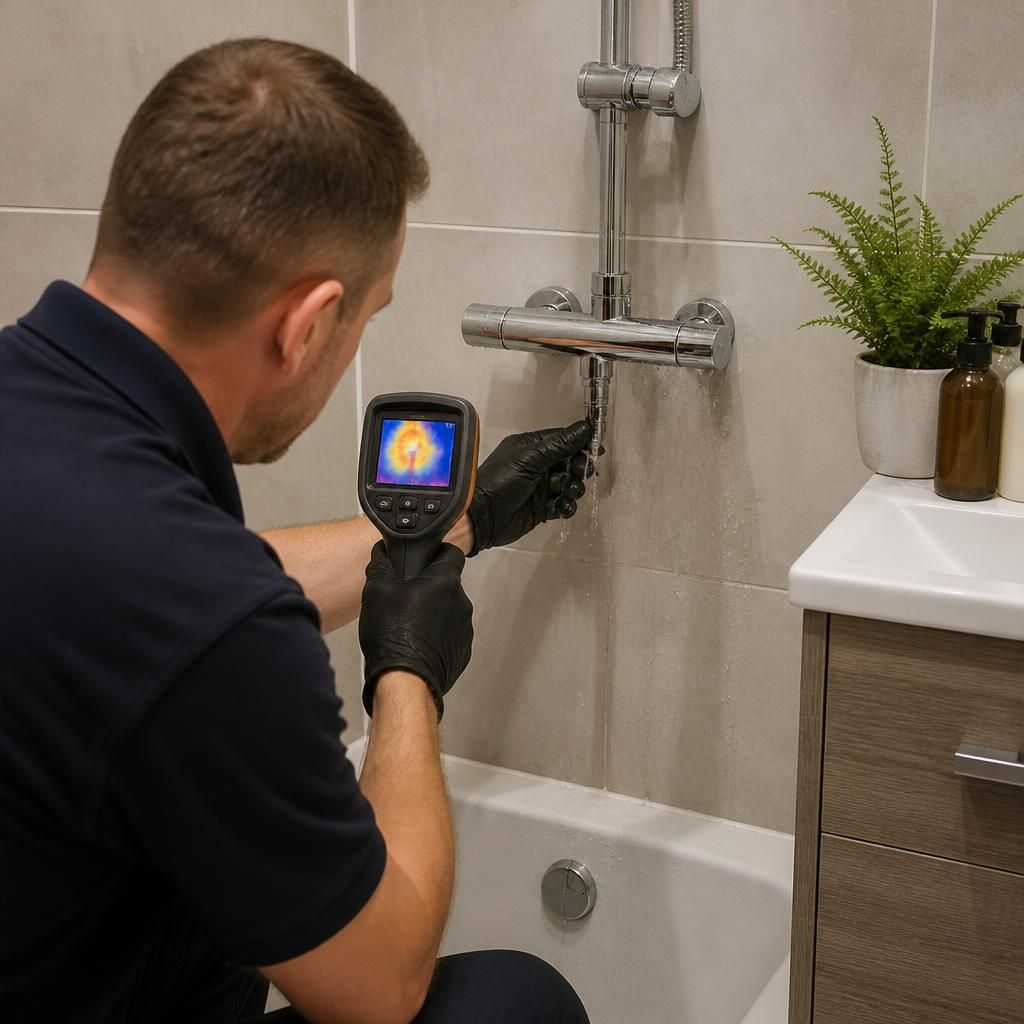
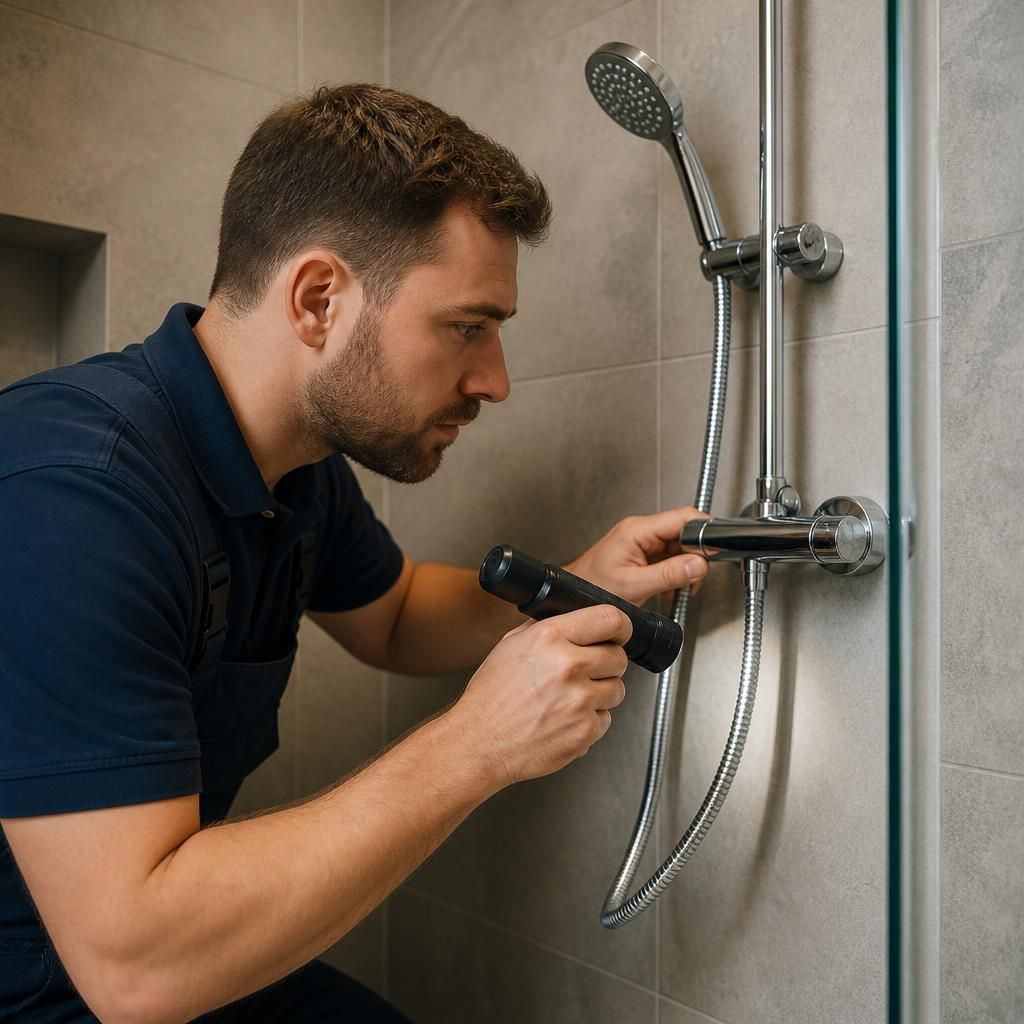
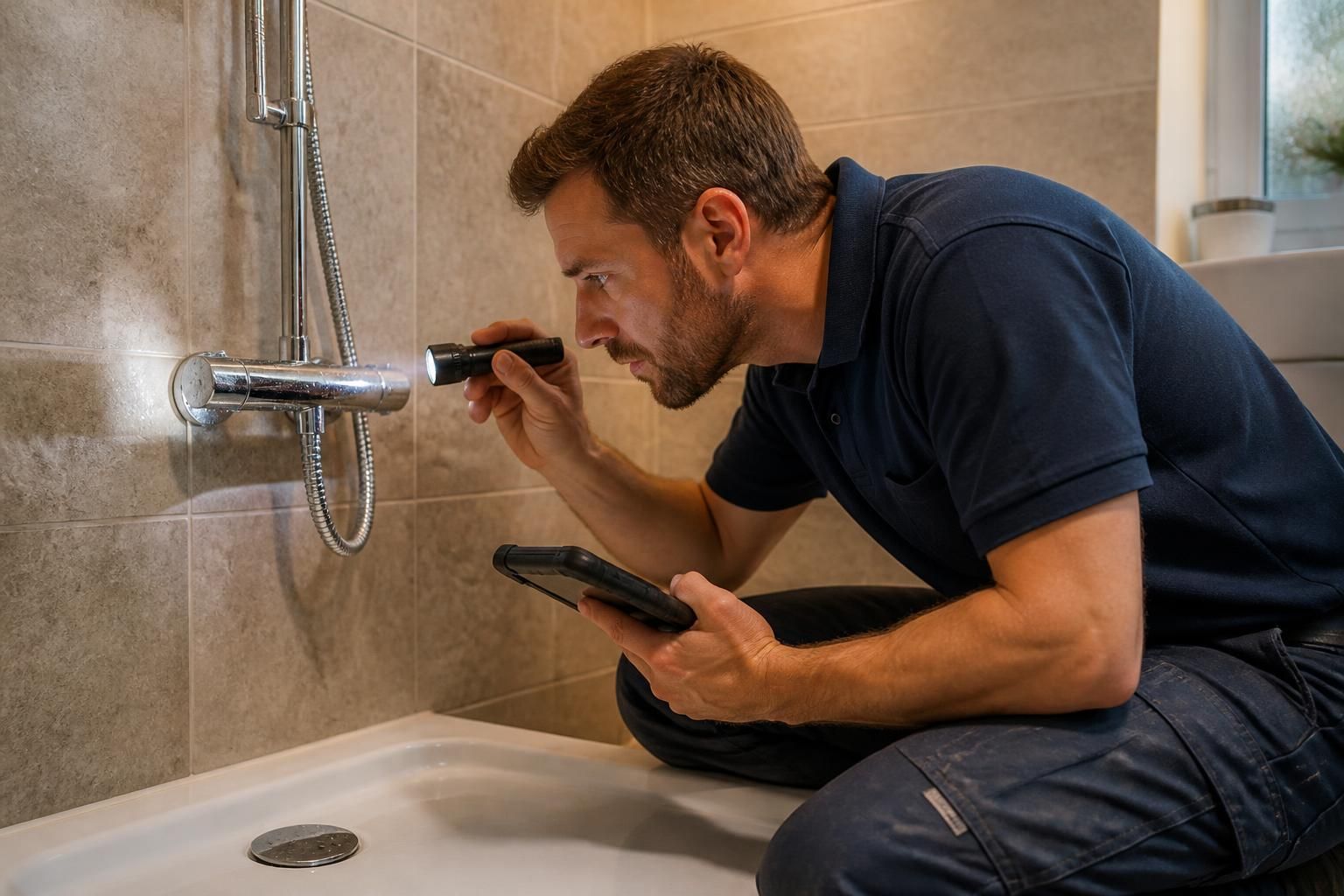
Plumber carrying out a detailed inspection of a shower fitting

Checks That Follow the Evidence

The inspection follows the path of the water rather than assuming the most visible damp area is the source. The plumber compares the fitting, seals, connection points and nearby surfaces to distinguish a leaking component from water travelling around the installation.

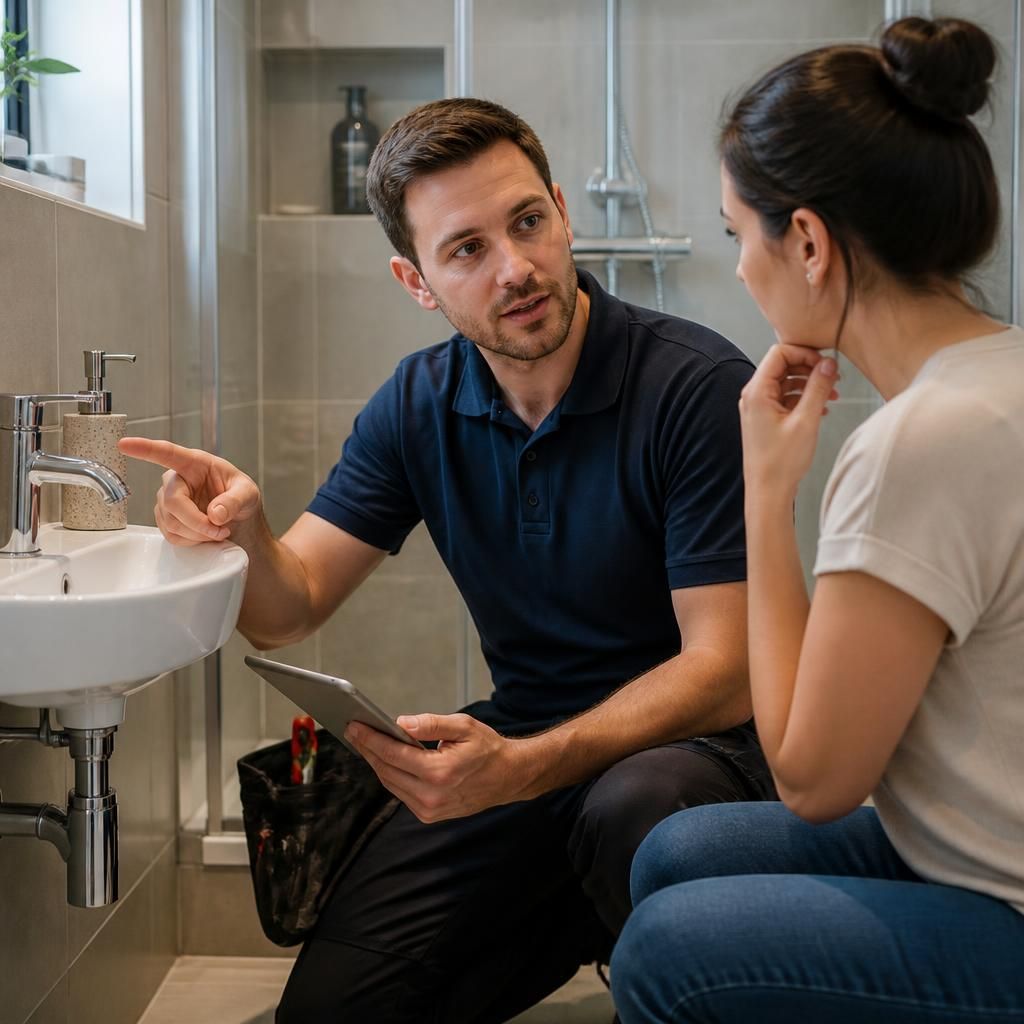
Plumber explaining tap leak detection findings to a customer

Straightforward Findings and Recommendations

After the checks, the plumber explains what has been identified in plain language. You can ask what has failed, whether the issue affects the fitting or its connection, and what work is recommended before deciding how to proceed.

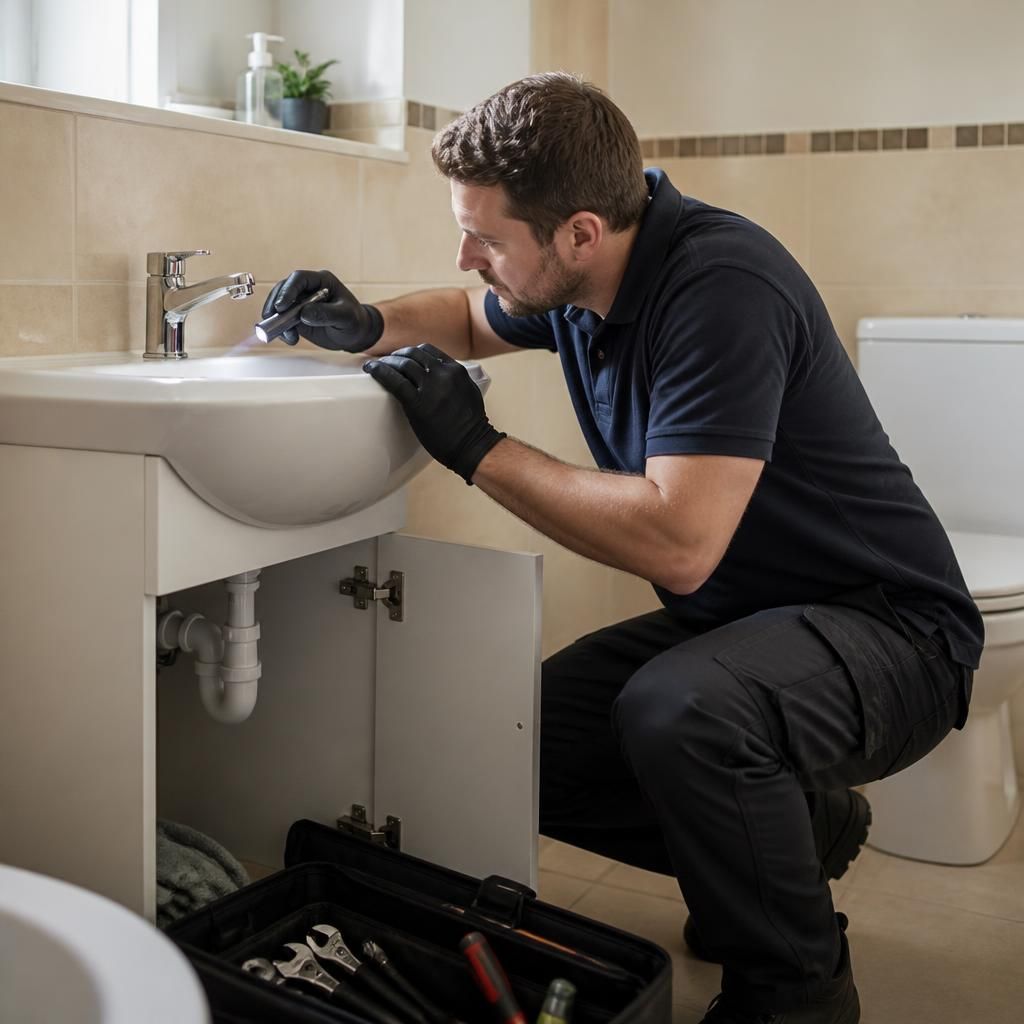
Plumber working carefully beside a bathroom basin during leak detection

Careful Work Around Your Home

Tap and shower inspections take place around finished surfaces, cupboards, basins and bathroom fittings. Careful access and focused testing help avoid unnecessary disturbance while keeping attention on the faulty part of the installation.

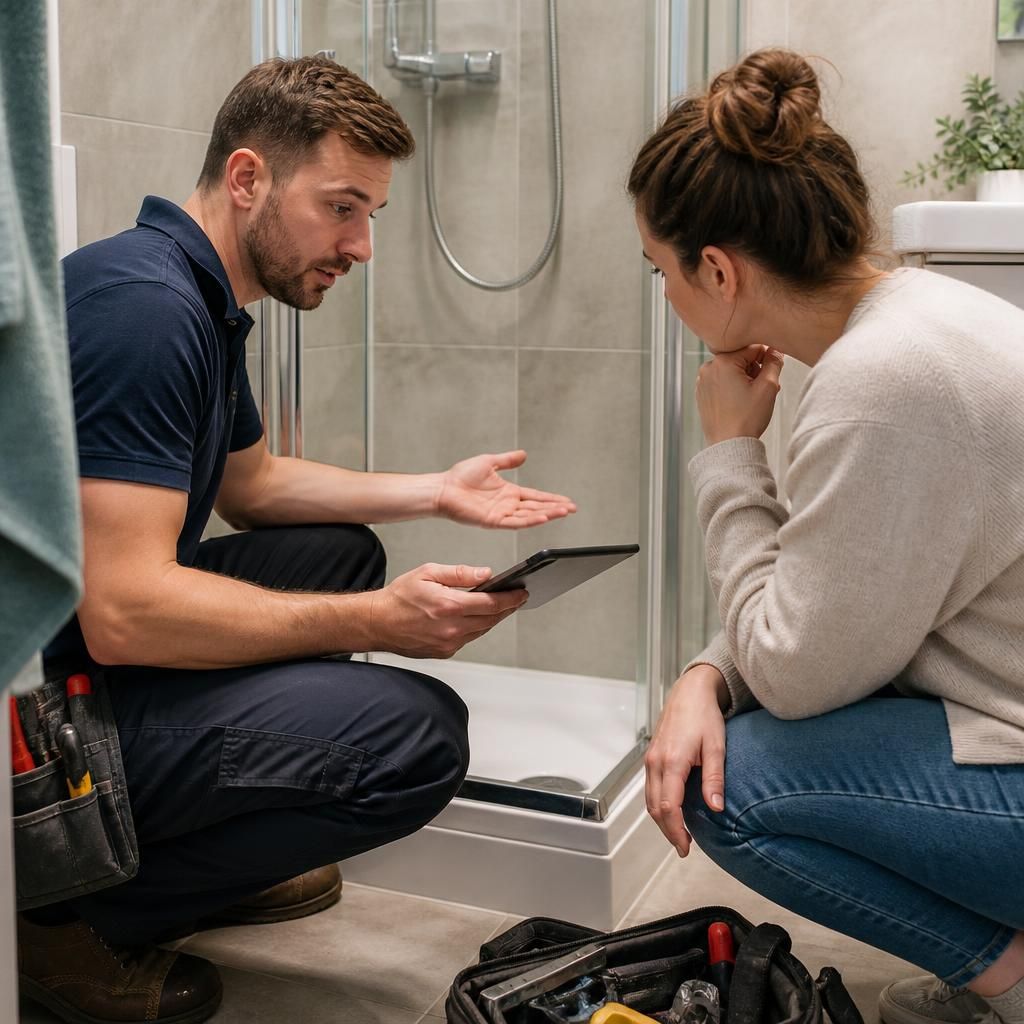
Homeowner reviewing practical next steps after a shower leak inspection

Practical Next Steps Without Guesswork

The outcome of the inspection gives you a clear basis for action, whether that means repairing a seal, replacing a worn part or arranging a new fitting. If water is still escaping, avoid using the affected fitting where practical and use its isolation valve only if you can operate it safely.

Request Expert Tap & Shower Leak Detection

If a dripping tap or shower leak needs attention, contact Ideal Plumbing Services for expert leak detection across Birmingham and the West Midlands. Share the fitting affected and symptoms with our team to discuss the appropriate repair for your home.

Call now: 07440 753962