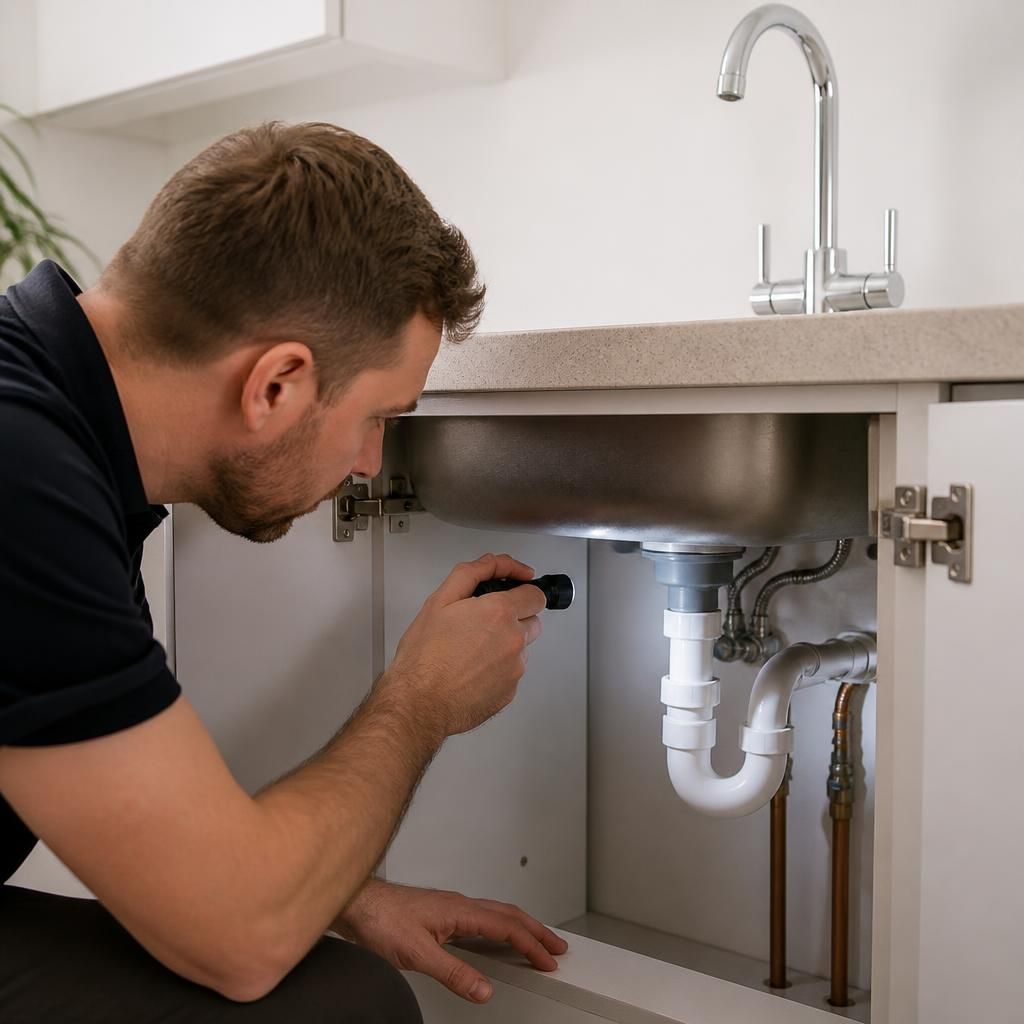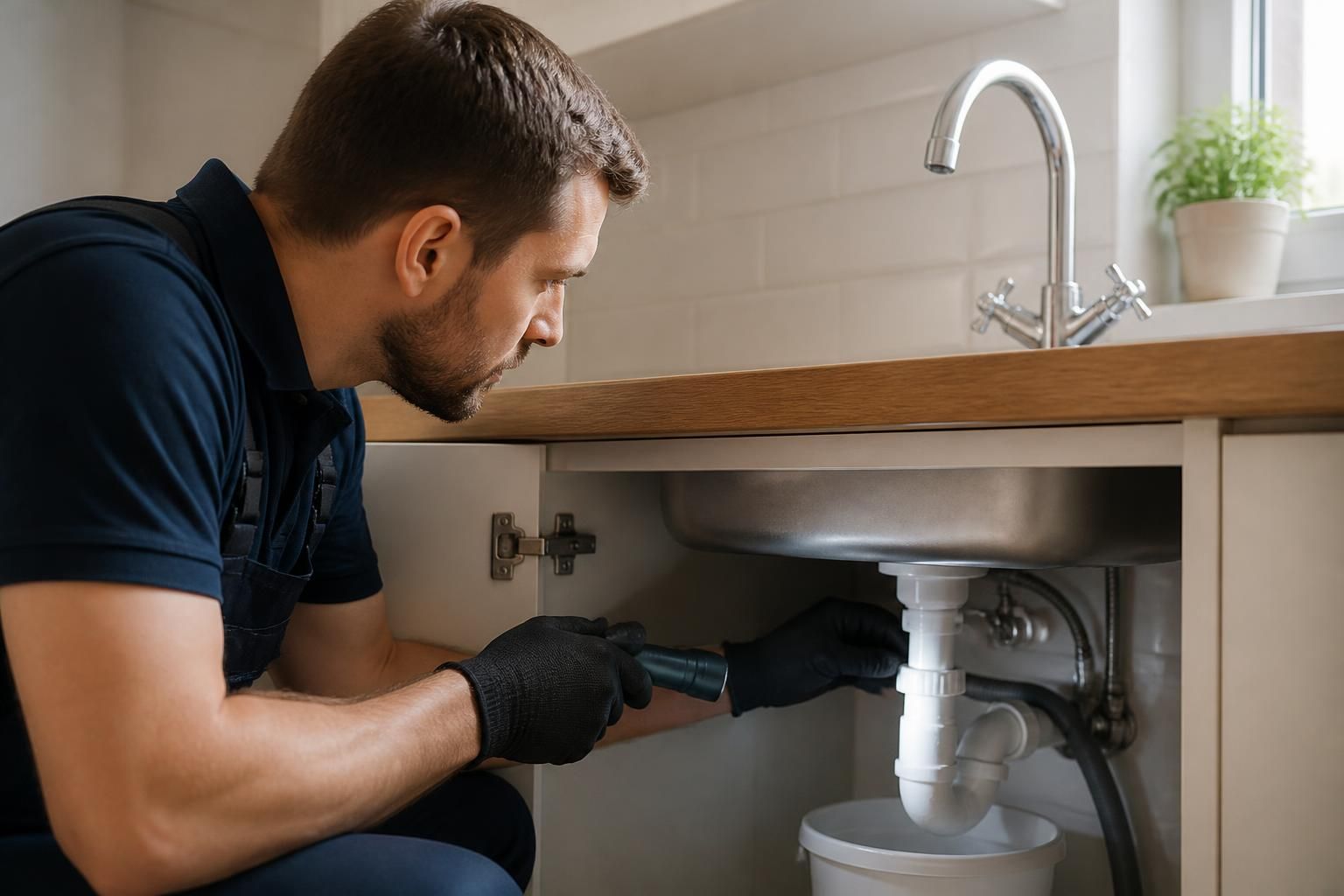
In most cases, the tap can remain available for normal use before the inspection. The important preparation is to follow the plumber’s specific instructions, keep the area accessible and avoid using the tap immediately before the assessment if requested, so any moisture, pressure or flow evidence can be assessed accurately.
Using the tap earlier does not normally prevent an inspection. In fact, describing when the problem appears can help establish whether the issue is associated with the tap itself, its connections, the waste pipe or nearby plumbing. Note any relevant details, such as:
- whether water appears during use or when the tap is left untouched;
- whether the leak is from the spout, handle, base, flexible hose, isolation valve or pipe connection;
- whether the water is clean or dirty;
- whether dampness continues after the tap has been turned off; and
- whether the problem is occasional or happens every time the fitting is used.
Keep the tap, surrounding pipework and nearby surfaces as undisturbed as reasonably possible before the inspection. Wiping away standing water can remove useful evidence, particularly where the source is difficult to see. If you need to prevent damage to a worktop, cupboard or floor, protect the area carefully and make a note of where the water was found rather than repeatedly drying and re-wetting it.
Access is often more important than stopping use. Clear items from beneath the sink, around the tap base and near any visible pipe connections. If the fitting is in a bathroom or shower area, remove toiletries or other objects that could obstruct the inspection. This allows the plumber to examine joints, seals, hoses, valves, cabinet interiors and adjacent surfaces without unnecessary disturbance.
Do not remove panels, disconnect hoses or apply sealant before the inspection unless this is necessary to deal with an immediate safety or property-protection issue. Temporary tightening or sealing can alter the leak pattern and make it harder to identify the original source. It may also hide a leak that has travelled beneath a worktop, behind a cabinet or through surrounding materials.
If water is actively escaping and causing damage, reducing or isolating the supply may be sensible if you can do so safely. Use the appropriate isolation valve or stop tap only if it operates normally; do not force a stiff or damaged valve. Electrical fittings, extensive water ingress or contaminated water require particular caution, and professional advice should be sought rather than continuing to use the fitting.
During the inspection, the plumber may need to ask you to operate the tap, leave it unused for a short period, or repeat a particular action. These checks help compare the condition of the fitting before and after use and distinguish a supply-side leak from water escaping around the basin, bath, shower or waste connection. The required approach depends on the fitting, the suspected source and whether the leak is visible.
For a straightforward appointment, have the affected tap identified, explain the symptoms and provide access to the surrounding plumbing. If the plumber has asked for a period of non-use, follow that instruction as closely as possible. Otherwise, there is generally no need to stop using the tap for a prolonged period solely because an inspection is planned.