Skip to content
24/7 emergency call-outs across the West Midlands
Ideal Plumbing Services

Leak Detection

Ceiling & Wall Leak Detection Birmingham

Ceiling and wall leak detection identifies hidden water sources before damage spreads through plaster, paintwork or structural materials. Ideal Plumbing Services traces leaks in bathrooms, kitchens and pipework, then carries out targeted repairs.

From Hidden Damage to a Clear Leak Diagnosis

Ceiling and wall leak detection involves tracing moisture back to its entry point, rather than repairing only the visible mark. A stain, blistered paint or damp patch may come from a bathroom, kitchen, roof junction or concealed supply pipe, so the surface does not always indicate the source.

Inspection helps distinguish active water ingress from residual dampness and identifies whether the issue is linked to a fitting, joint, waste pipe or hidden pipework. This prevents unnecessary opening-up and provides a sound basis for repair.

Once the cause is located, the next steps can be planned around the affected materials and layout. Addressing the leak promptly can limit water damage to ceilings, walls, insulation and flooring, helping restore a dry, safer interior.

When Ceiling and Wall Leak Detection Is Needed

Professional leak detection is useful when water loss or dampness has no obvious source. Unexplained bills, recurring moisture, concealed pipe concerns and damage in rented properties can indicate a hidden leak requiring specialist investigation before repairs are planned.

Unexplained Water Bills

A rise in water use without a change in household habits can point to a concealed leak. Professional detection helps establish whether water is escaping from pipework serving the bathroom, kitchen or another area.

Damp Patches and Marked Surfaces

Brown staining, peeling paint, bubbling plaster or a soft ceiling should not be treated as a surface-only issue. Detection traces the moisture to its entry point so the underlying plumbing problem can be assessed.

Moisture That Keeps Returning

If a wall or ceiling remains damp after cleaning, drying or redecorating, water may still be entering the building fabric. Investigation can help separate an active leak from leftover moisture.

Suspected Concealed Pipe Leaks

Leaks behind walls, above ceilings or beneath floors may show limited visible evidence at first. Specialist detection narrows down the affected pipework and helps limit unnecessary disruption during repairs.

Leaks in Rental Properties

Tenants and landlords should investigate unexplained damp, damaged decoration or recurring moisture rather than assuming it is condensation. A clear leak diagnosis provides useful information when arranging repairs and protecting the property.

Ceiling & Wall Leak Detection: Your Questions Answered

Can a ceiling leak be detected without removing plaster?

The inspection may include moisture readings around affected ceilings and walls, checks of accessible pipework and fittings, plus non-invasive tracing to narrow the source before opening surfaces or planning repairs.

Read the full answer

What are the signs of a leak behind a bathroom wall?

Common signs include damp patches, peeling paint, mould, musty smells, discoloured grout, unexplained water use, or a shower area that stays wet after use, often indicating concealed pipework in walls.

Read the full answer

How much does ceiling leak repair cost?

Ceiling leak repair costs depend on the source, access, affected materials and extent of damage. An inspection can identify the required work, allowing a clear, tailored quotation before repairs begin.

Read the full answer

What happens after a ceiling or wall leak is located?

The faulty fitting, joint or pipework can then be isolated, repaired or replaced, with affected areas checked afterwards for continuing moisture before suitable internal restoration and redecoration work can proceed.

Read the full answer

Can a hidden leak exist without visible water on the ceiling or wall?

Yes, moisture can travel through insulation, timber, plasterboard or masonry before appearing elsewhere. A concealed leak may therefore cause dampness, mould or deterioration without visible surface water at first.

Read the full answer

From Initial Call to the Right Leak Repair

Ceiling and wall leak detection is a structured process for finding where unwanted water is entering a property and what is causing it. During the first call, describe when the dampness appears, which rooms are affected and any recent plumbing changes.

Inspection then assesses nearby fittings and accessible pipework, following the route of the water rather than relying on the most visible mark. Checks may include adjoining bathrooms, kitchens, floors and ceilings, with attention to staining, active drips and damp surfaces.

The findings are explained plainly, including the likely source and whether further access is needed. Ideal Plumbing Services then recommends a repair suited to the cause, such as replacing a failed connection, repairing pipework or resealing a fitting.

A Clear, Careful Approach to Leak Detection

Ceiling and wall leak detection involves tracing visible dampness back to its actual source, which may be some distance from the stain or drip. A careful assessment distinguishes active leaks from residual moisture and helps prevent unnecessary opening of walls, ceilings or flooring.

You can expect clear communication about the observations, the likely cause and the access needed to confirm it. Work is carried out respectfully within the property, with practical repair options explained plainly so the next step is based on evidence rather than guesswork.

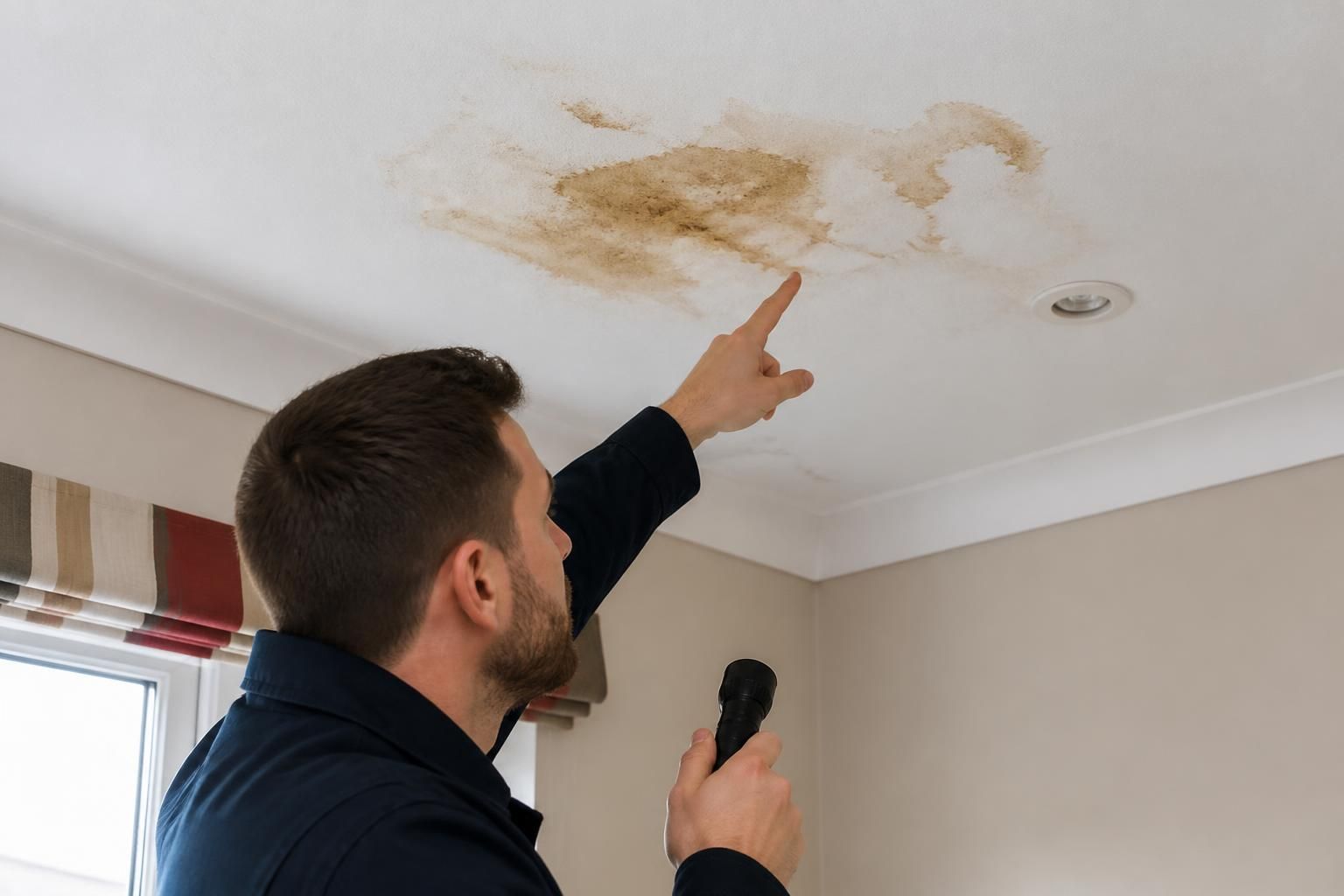
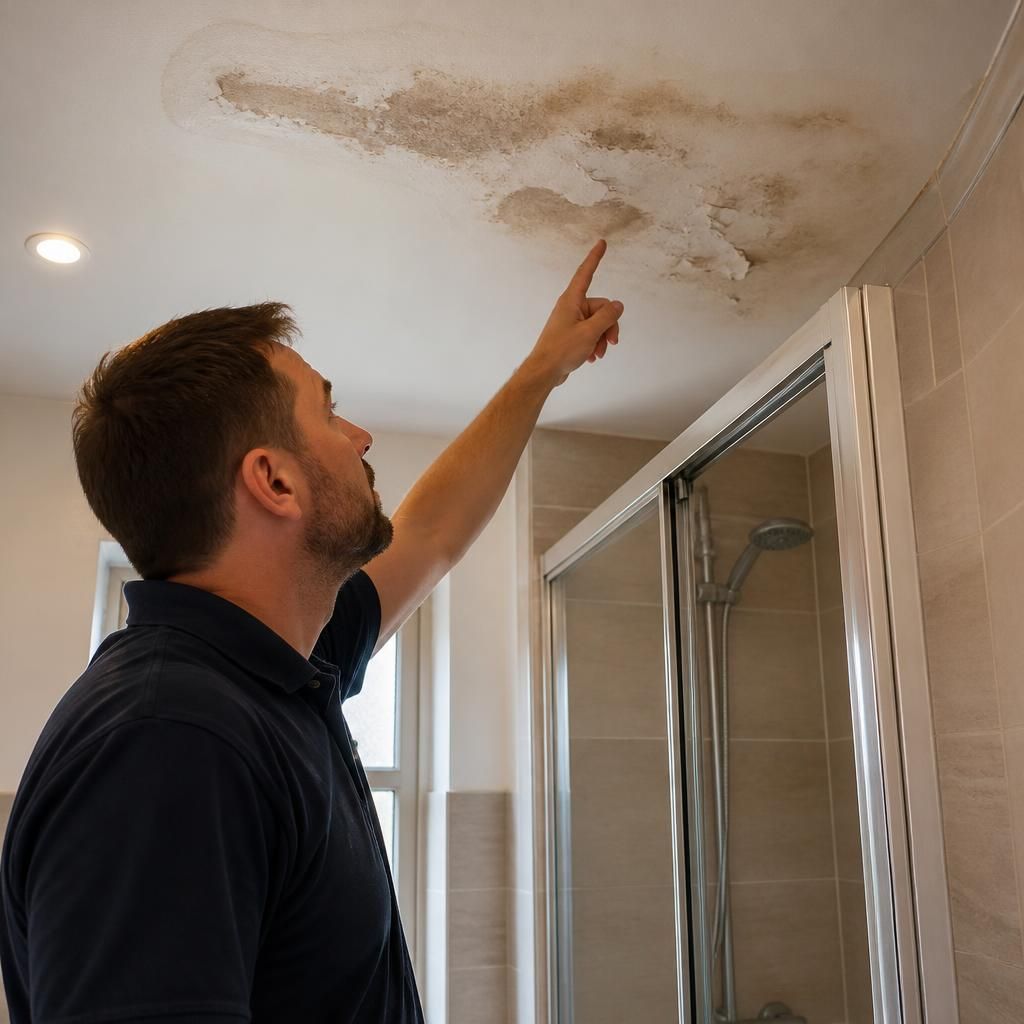
Plumber examining ceiling staining beneath an upstairs bathroom

Reading the Pattern of Dampness

Ceiling and wall leak detection starts by interpreting the pattern of staining, bubbling paint, peeling wallpaper or damp patches. The position, shape and spread of the damage can indicate whether water is travelling from a fitting, joint or pipe above, rather than entering at the visible mark. This helps focus the inspection on the most relevant areas of the property.
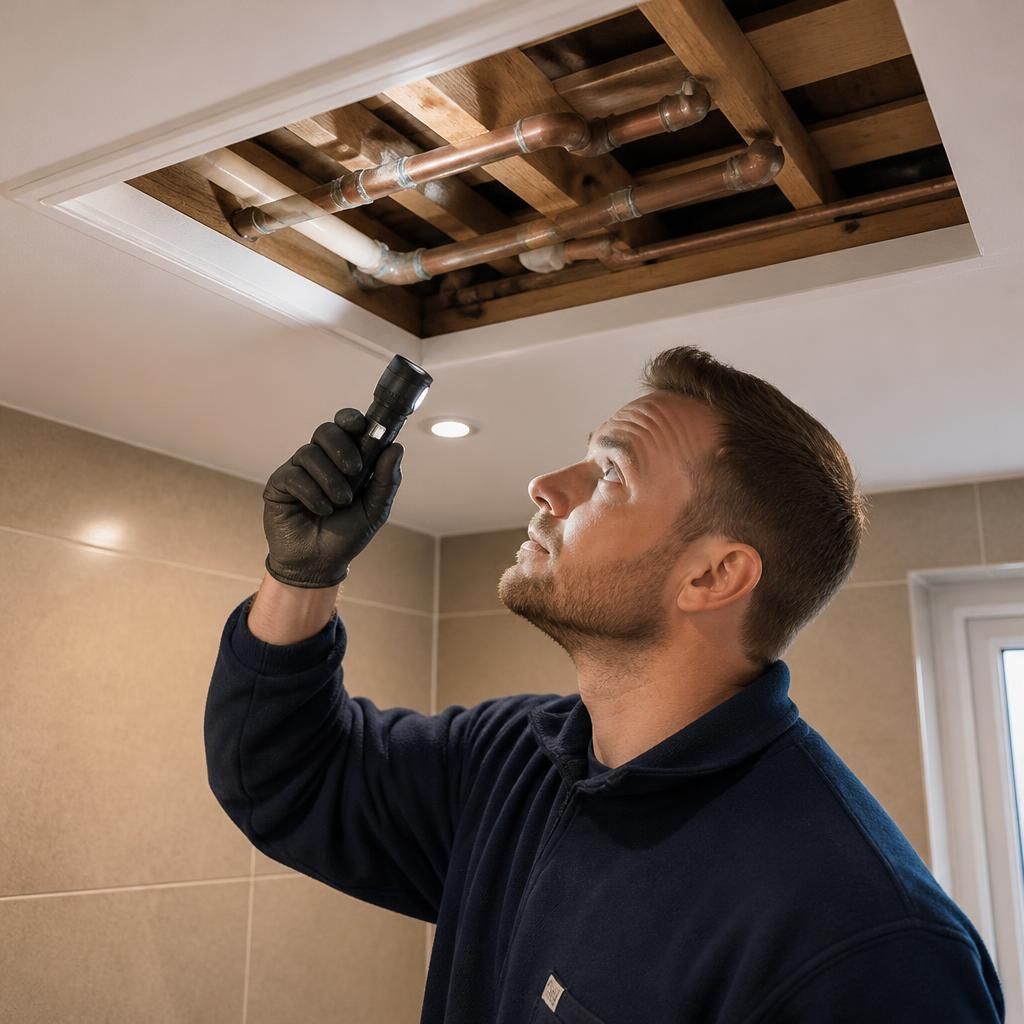
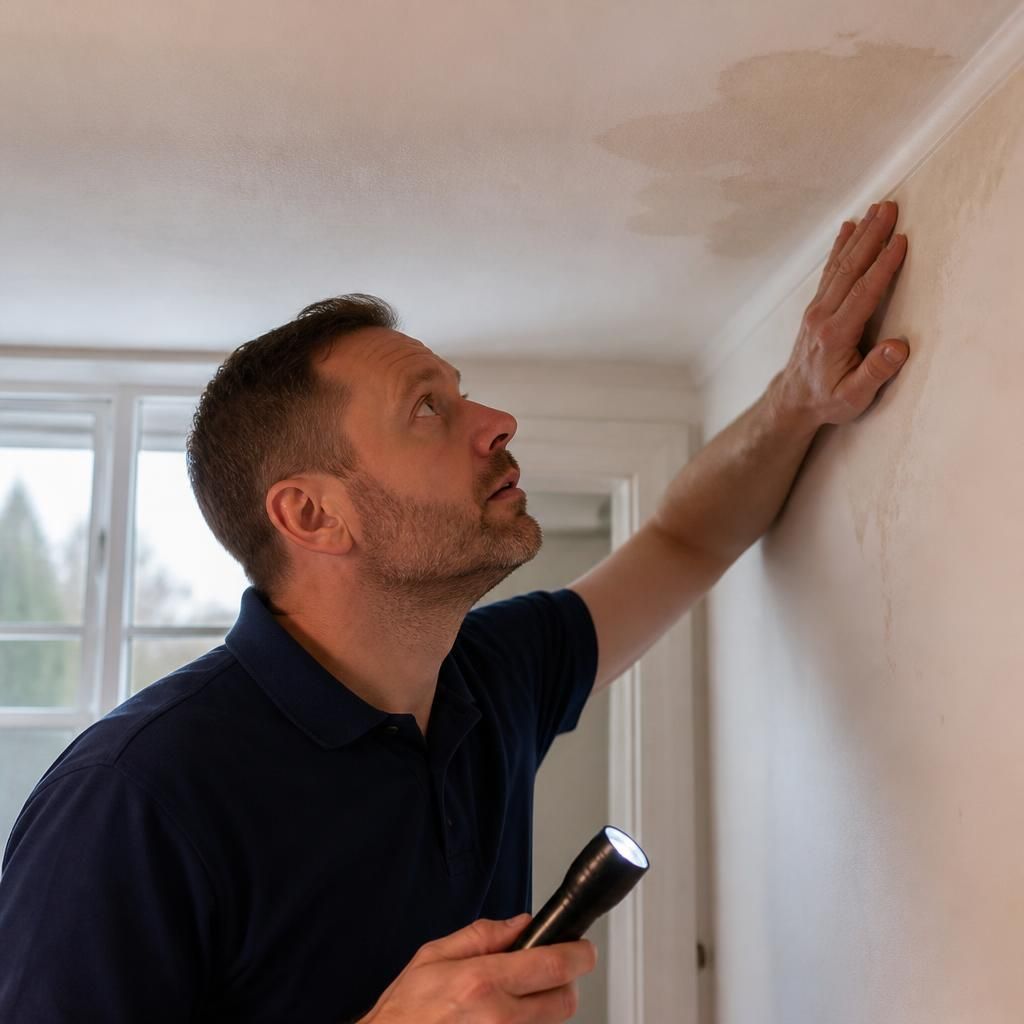
Plumber checking pipework through a careful ceiling inspection

Methodical Checks Before Access

A methodical inspection considers the fittings, pipe routes and rooms surrounding the affected area before any opening-up is recommended. Accessible connections, traps, valves and visible pipework are checked in context, helping distinguish a plumbing leak from condensation or an old, inactive stain. Any additional access is discussed first and limited to what is needed to confirm the source.

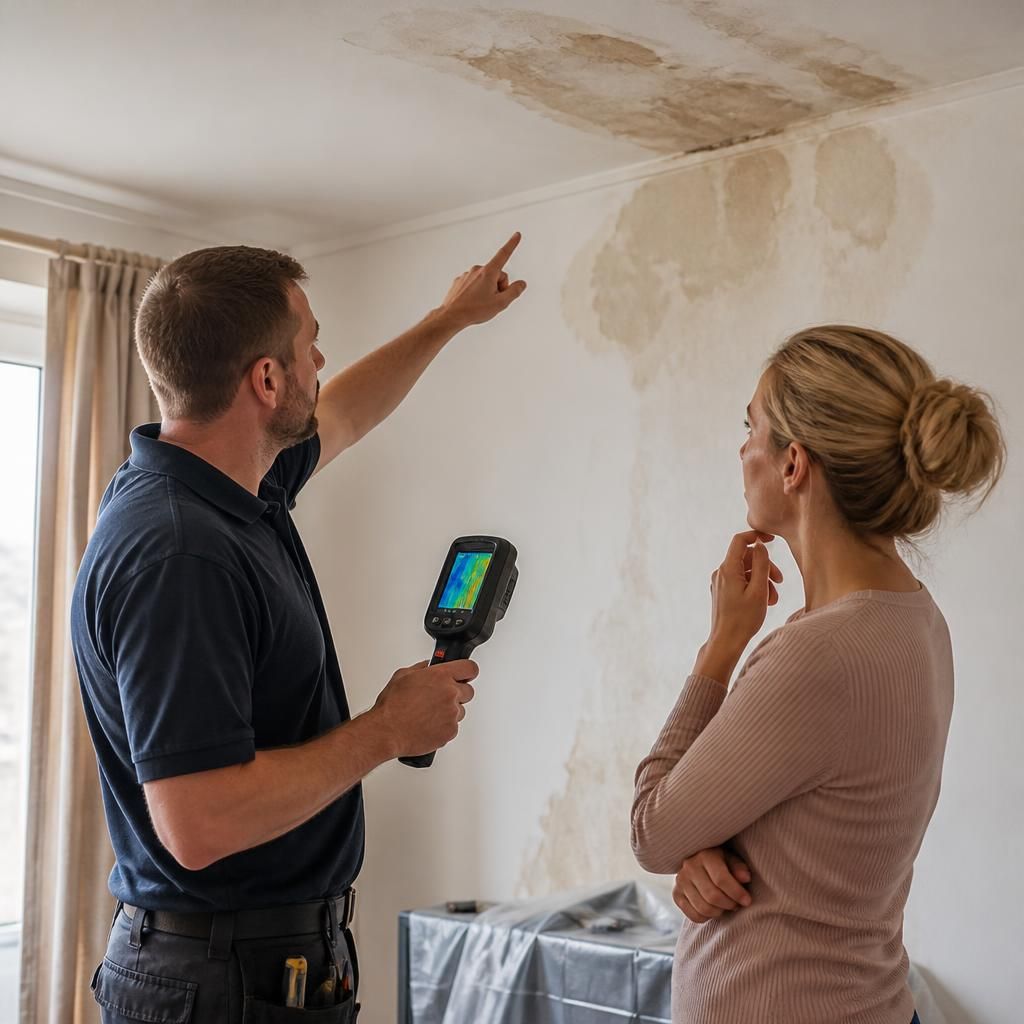
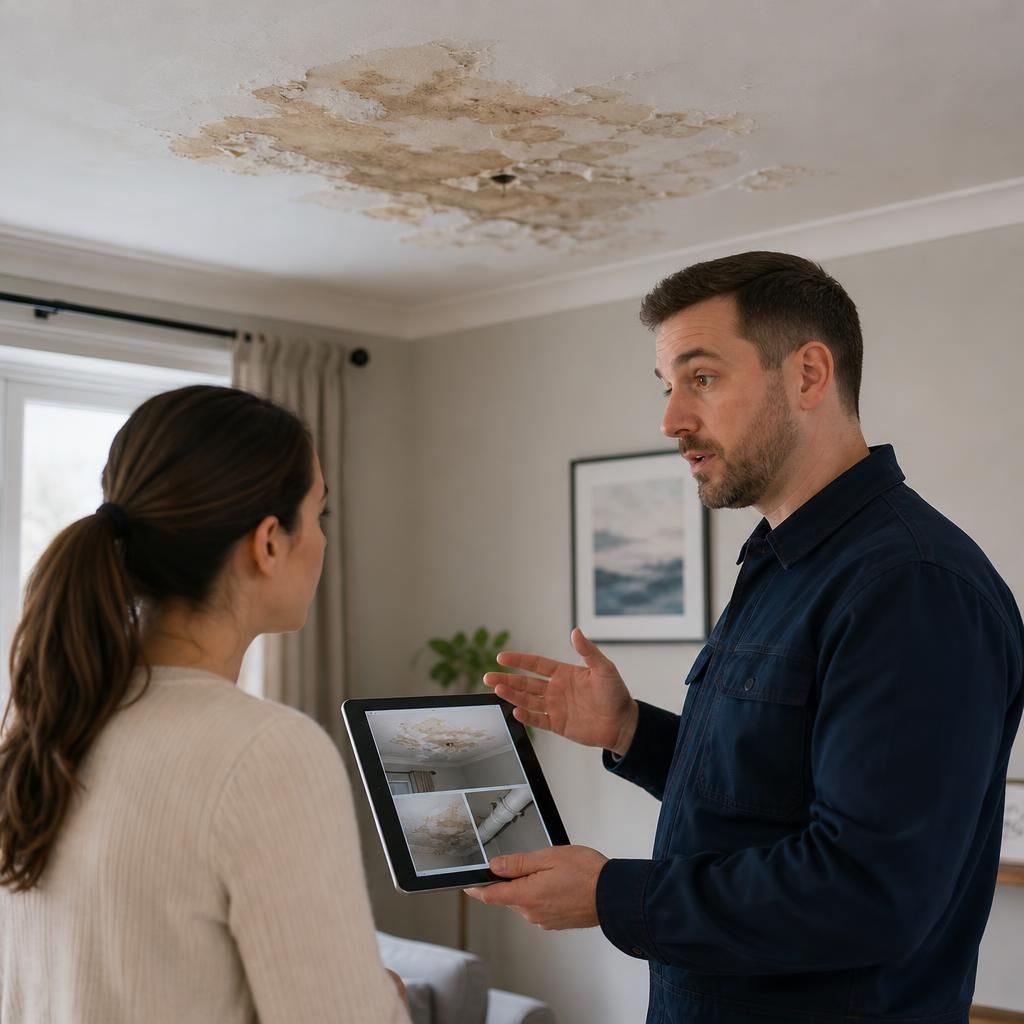
Plumber explaining ceiling leak detection findings to a homeowner

Findings Explained in Plain English

Once the inspection is complete, the observations are explained without relying on technical terms. You will be told what has been identified, how the evidence points to the likely source and whether the moisture appears active or residual. This gives homeowners, landlords and tenants a clear basis for deciding on the appropriate repair.

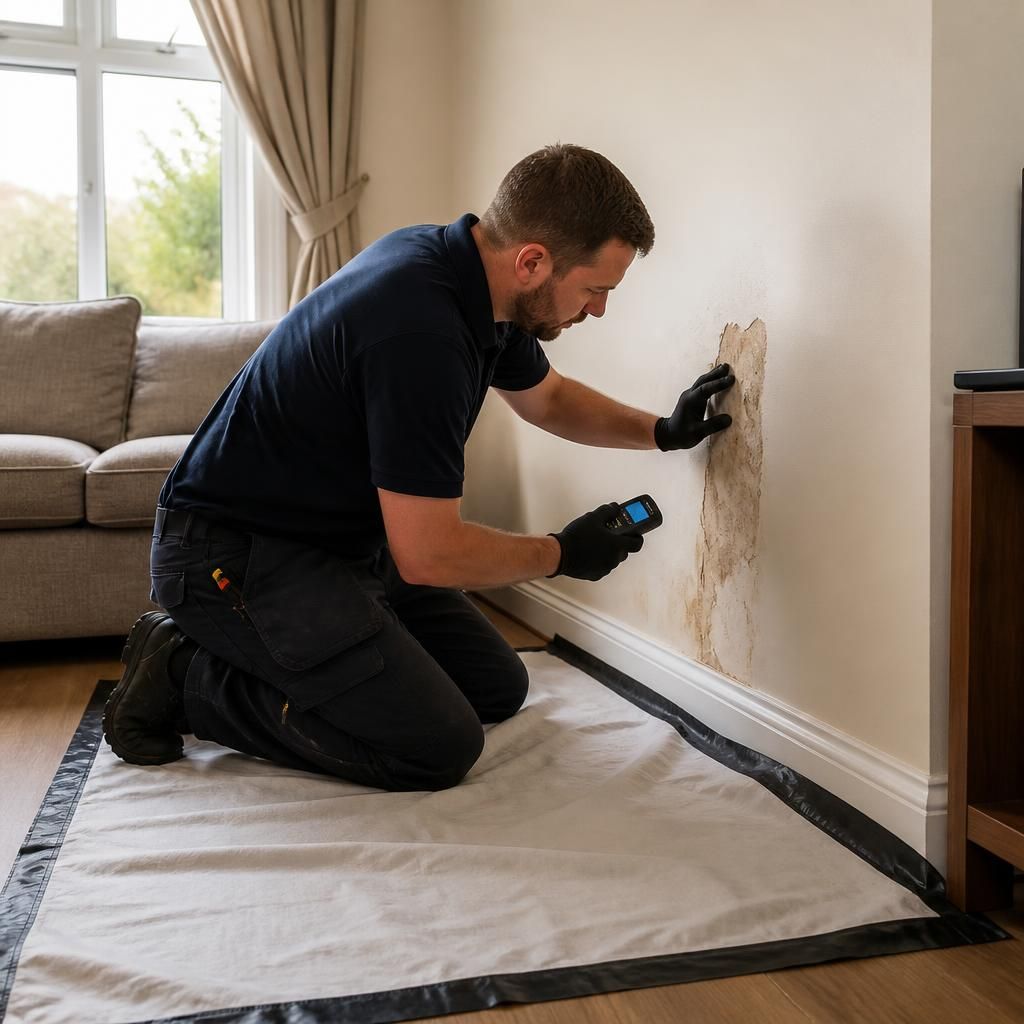
Plumber protecting flooring while investigating a wall leak

Respectful Work Inside Your Property

Leak investigation can involve working around furniture, flooring, painted surfaces and household fittings. Careful preparation and a tidy approach help keep disruption controlled while the affected area is assessed. The inspection is planned around the property itself, with access requirements explained before work proceeds.

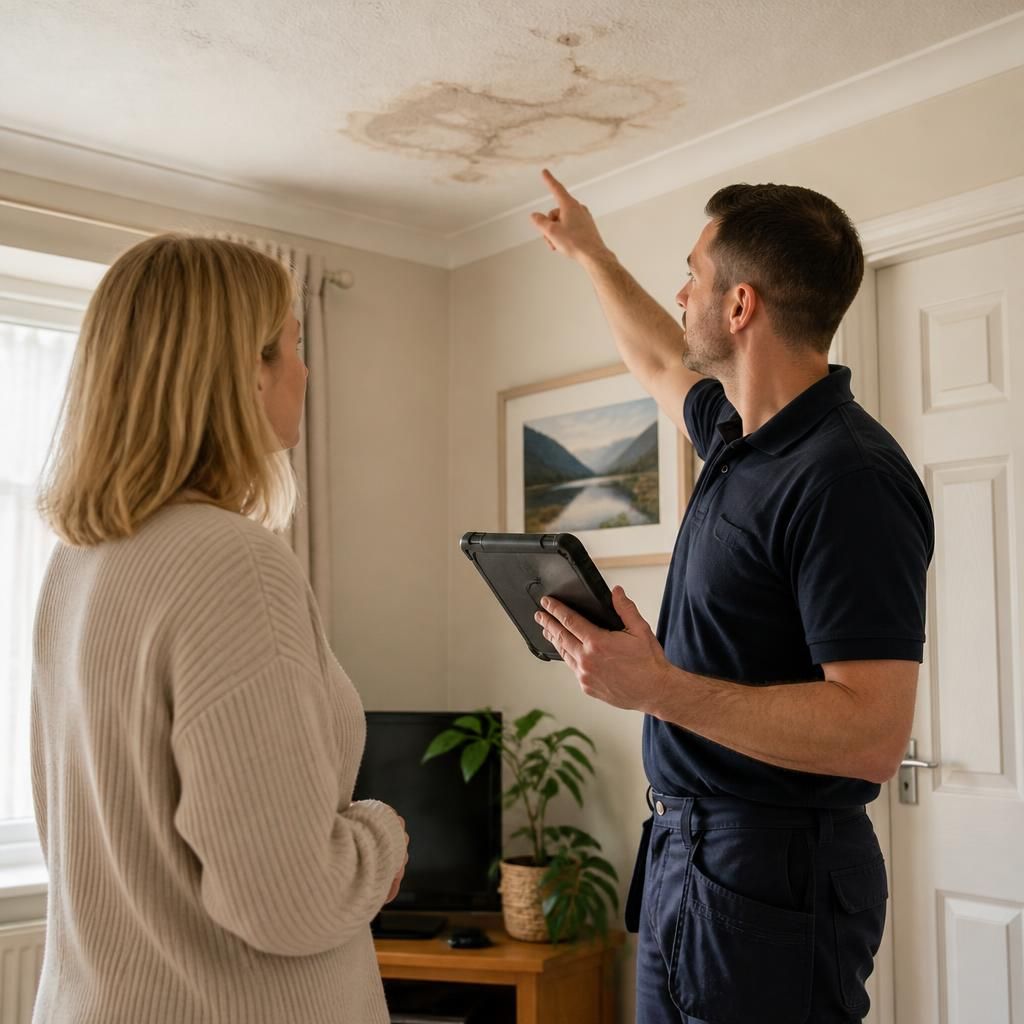
Plumber assessing a repaired ceiling leak and surrounding wall

Practical Next Steps After Detection

Finding the source is only part of resolving a ceiling or wall leak. The next step depends on the cause, whether that is a failed connection, damaged pipework or a defective seal. With over 20 years’ experience, Ideal Plumbing Services can explain the suitable repair route and identify any related signs that should be monitored after the work.

Arrange Expert Ceiling & Wall Leak Detection

For professional ceiling and wall leak detection in Birmingham or the wider West Midlands, contact Ideal Plumbing Services. Describe the visible signs and affected area so the team can advise on arranging an inspection and suitable repair.

Call now: 07440 753962