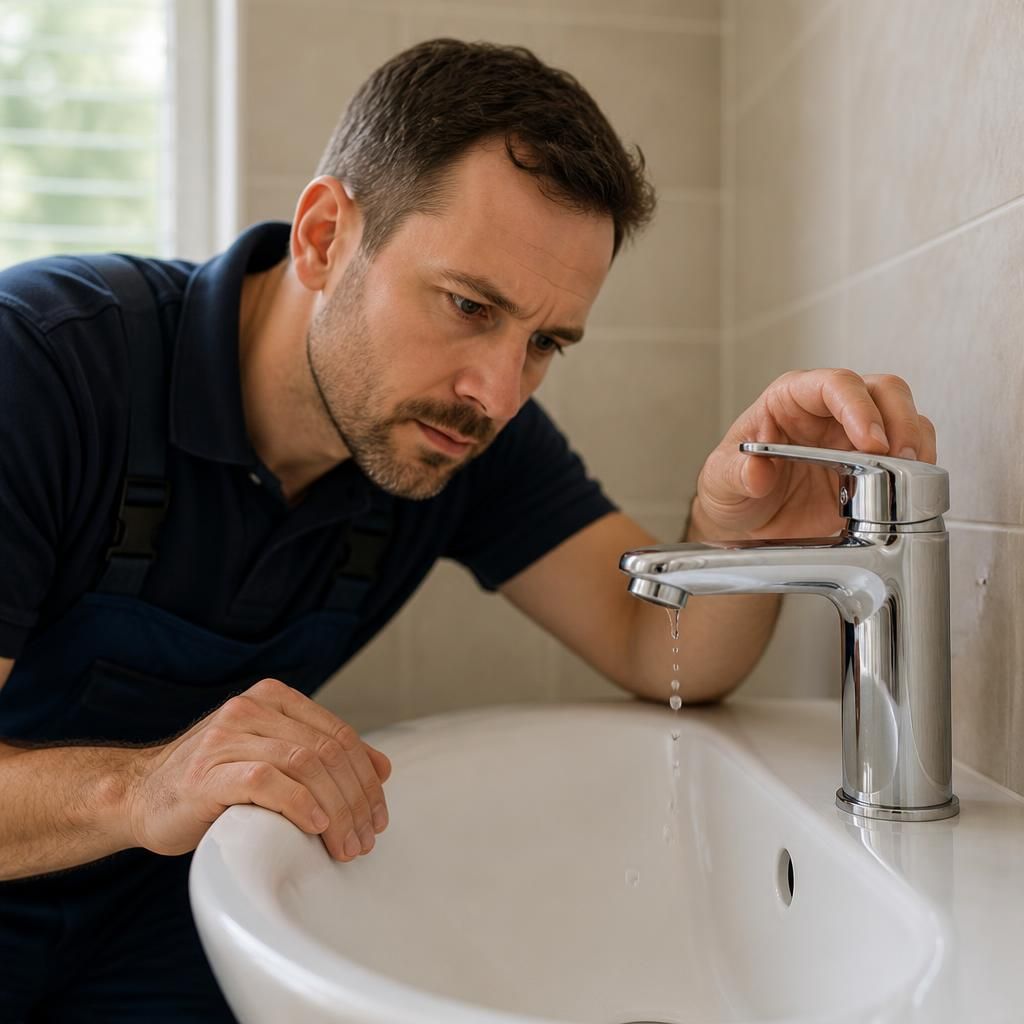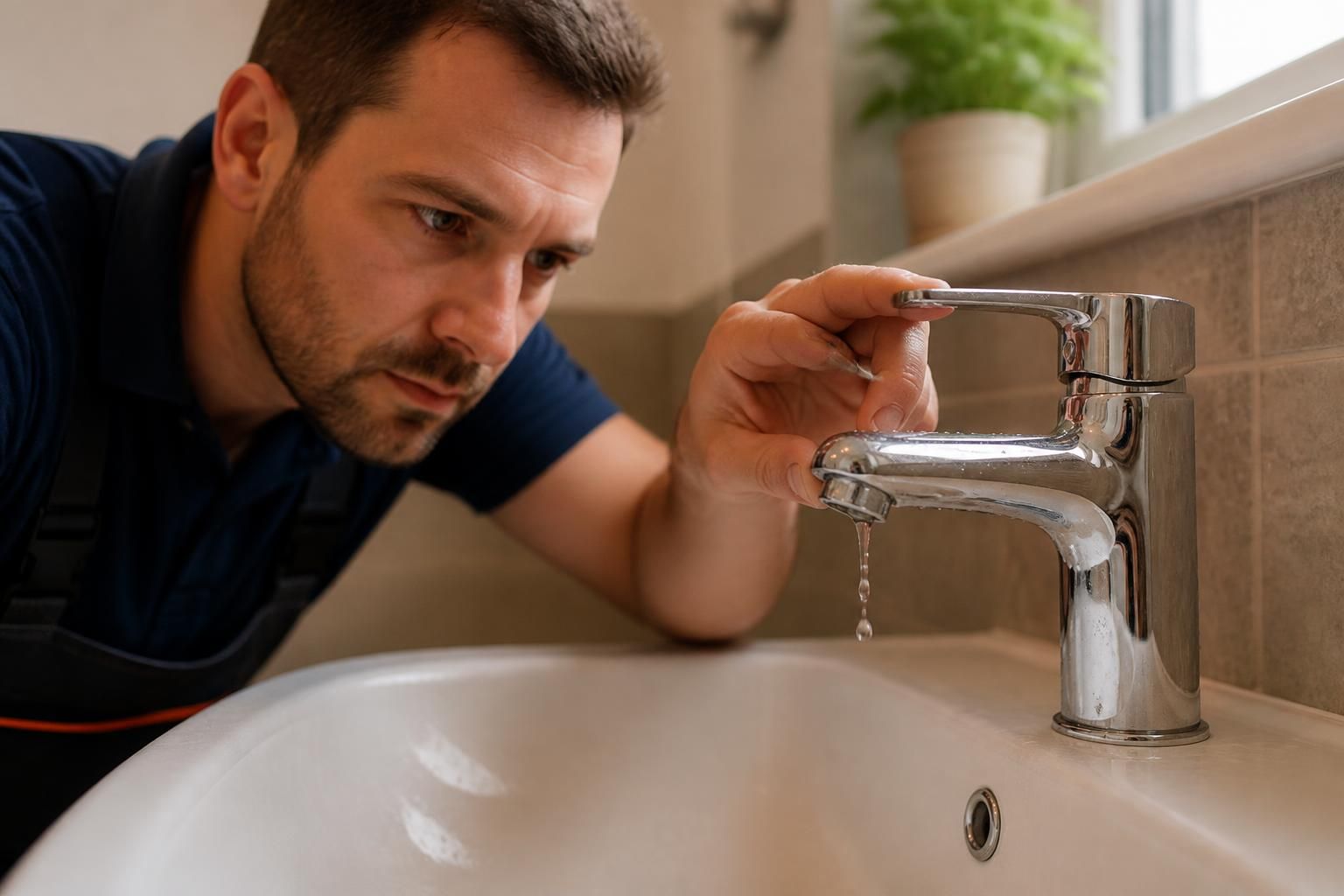
A dripping tap normally needs attention rather than observation, because a small leak can progress into wasted water, limescale build-up and damage to the surrounding fittings. The appropriate repair depends on whether the cause is a worn washer, damaged O-ring, faulty cartridge, loose connection or deterioration within the tap body.
How quickly should it be dealt with? A tap that drips intermittently may be inconvenient, but it should still be assessed if the problem continues after the handle has been checked and tightened correctly. A steady flow, water escaping from the base or spout, visible corrosion, staining to the basin or worktop, and a handle that feels loose or difficult to operate all justify arranging a repair without unnecessary delay.
Leaving the fault can create further problems. Constant moisture may mark sealant, damage wooden units, encourage mould around joints and leave mineral deposits on the spout or basin. If the tap supplies hot water, the leak also wastes heated water. A leak from the base or the pipe connections may be more significant than a drip from the outlet, particularly if water is reaching the cupboard or flooring.
Common causes include:
- A worn rubber washer in a traditional compression tap.
- A damaged ceramic cartridge in a lever-operated mixer tap.
- Perished O-rings or seals around the spout.
- A valve seat affected by scale or corrosion.
- A loose retaining nut, connection or tap fitting.
- Internal corrosion or damage that prevents replacement parts from sealing properly.
The repair process should begin by identifying where the water is coming from, rather than replacing the most visible part immediately. The water supply is then isolated, the tap dismantled carefully and the relevant washer, seal or cartridge inspected. The replacement part must match the tap mechanism and dimensions. Cleaning scale from an accessible component may help, but forcing a seized fitting or overtightening a new washer can damage the tap and cause another leak.
A simple check may be suitable when:
- The drip is limited to the outlet and the tap is otherwise in good condition.
- The isolation valve works correctly and can be turned off safely.
- The tap type is familiar and the correct replacement part is available.
- There is no water inside the unit, behind the wall or near electrical equipment.
Turn off the supply before removing any component, protect the plughole from dropped parts and keep small screws and seals in order. Do not use excessive force on old fittings. If the isolation valve will not close, the tap is corroded, or water continues to escape after a part has been replaced, professional attention is more appropriate.
Repair or replacement? Repair is often sensible where the tap body is sound and the fault is limited to a washer, seal or cartridge. Replacement may be more practical when the fitting is badly corroded, spare parts are unavailable, the mechanism has failed repeatedly or the cost of dismantling and repairing an old tap is disproportionate to fitting a suitable new one. A plumber can assess the condition of the existing fitting and explain the options before work starts.
The likely charge depends on the tap design, the failed component, access, the condition of the connections and whether additional damage is found beneath the fitting. A clear assessment should distinguish the repair itself from any replacement parts or related plumbing work. Ideal Plumbing Services provides residential plumbing repairs in Birmingham and the wider West Midlands, with a focus on clear advice, reliable workmanship, no hidden charges and a satisfaction guarantee.
Seek urgent plumbing assistance if the drip becomes a continuous flow, a pipe or connection has split, the isolation valve is unusable, water is entering flooring or cabinetry, or the leak is close to electrical equipment. Tenants should normally report the problem to their landlord or managing agent as soon as it is noticed, while landlords should arrange an appropriate repair before moisture causes avoidable property damage.