Domestic boiler leak detection usually causes limited disruption because the initial work is focused on identifying the source rather than opening up large areas or replacing components. The more noticeable interruption generally comes from isolating the boiler for safety or carrying out the repair once the leak has been located.
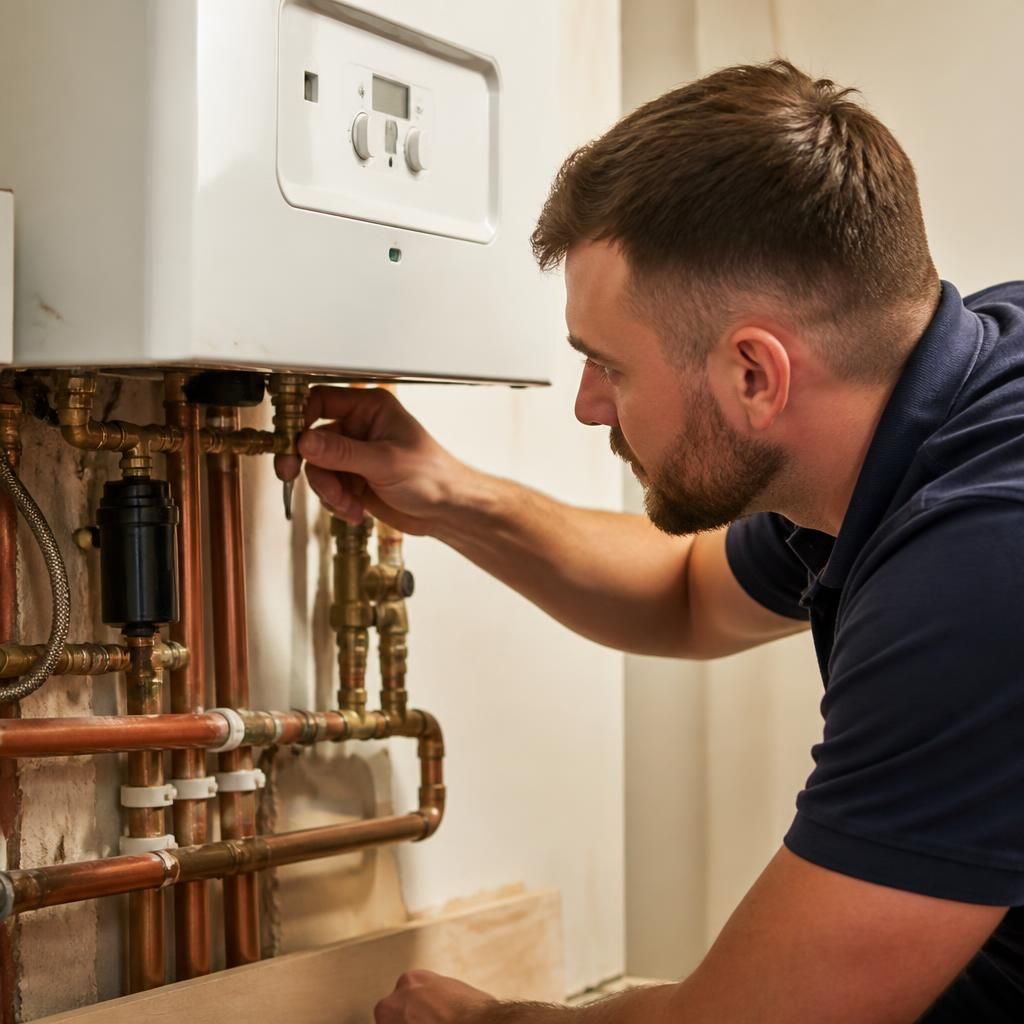
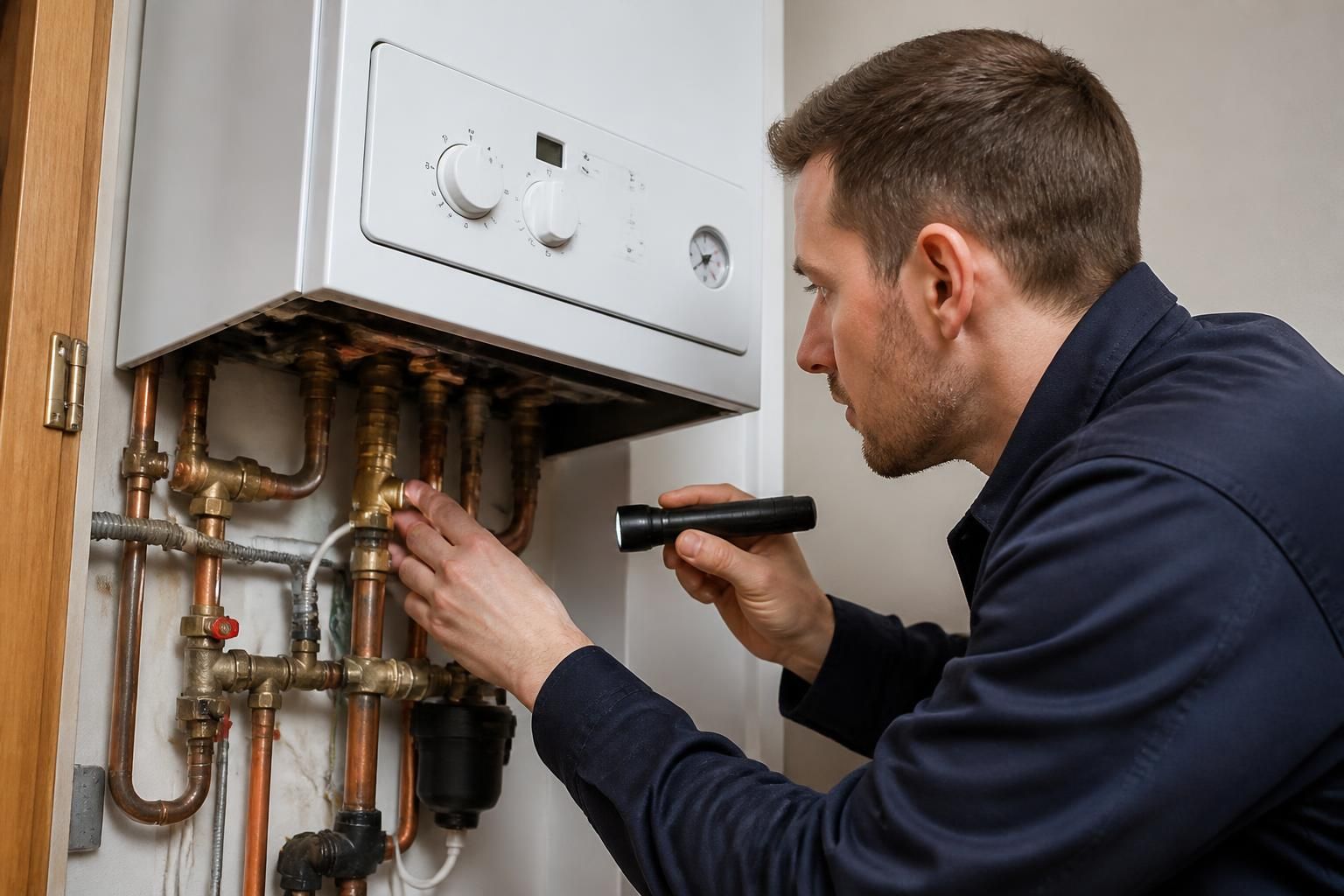
The plumber will first assess visible signs such as water around the boiler, staining, dampness, corrosion, unusual pressure loss or discharge from the safety pipe. They may then examine accessible connections, valves, condensate pipework and nearby heating pipes. These checks are intended to narrow down the source before any more intrusive investigation is considered.
During the assessment, the boiler may need to be switched off temporarily. This can interrupt heating and hot water while the appliance and associated pipework are being checked. Keeping the area around the boiler clear and making the appliance’s controls accessible can help the inspection proceed without unnecessary delay.
Where the leak is not visible, further checks may be needed around floors, cupboards, walls or ceilings. A careful plumber will normally aim to use the least disruptive method that can identify the fault accurately. If access beneath a floor or inside a concealed area is unavoidable, the required opening should be limited to the location needed for inspection or repair.
- Visible boiler leak: disruption is often confined to inspecting the appliance and its exposed connections.
- Leak from a radiator or heating pipe: the affected circuit may need to be isolated, with access required to the relevant valve or section of pipework.
- Concealed leak: investigation may involve lifting flooring, removing a panel or exposing part of a wall, depending on how the pipework is installed.
- Internal boiler fault: the appliance may require a more detailed examination, and repair work may take longer than the detection stage.
Detection and repair are separate stages. Finding the source may be relatively straightforward, but replacing a failed seal, valve, joint or section of pipe can require the heating system to be drained or isolated. If water has reached flooring, cabinetry or plaster, additional drying and making-good work may also be needed after the plumbing fault has been resolved.
To minimise avoidable disruption, remove stored items from the boiler cupboard, keep access routes clear and tell the plumber about any recent pressure changes, visible water or previous repairs. Do not remove the boiler casing yourself or continue using the appliance if water is reaching electrical components. The plumber can advise whether the system should remain isolated until the repair is completed.
Ideal Plumbing Services approaches domestic boiler leak detection by checking the likely source before recommending work. This helps distinguish a simple accessible leak from a concealed pipework or appliance fault, so any disruption can be based on the evidence rather than unnecessary opening-up.