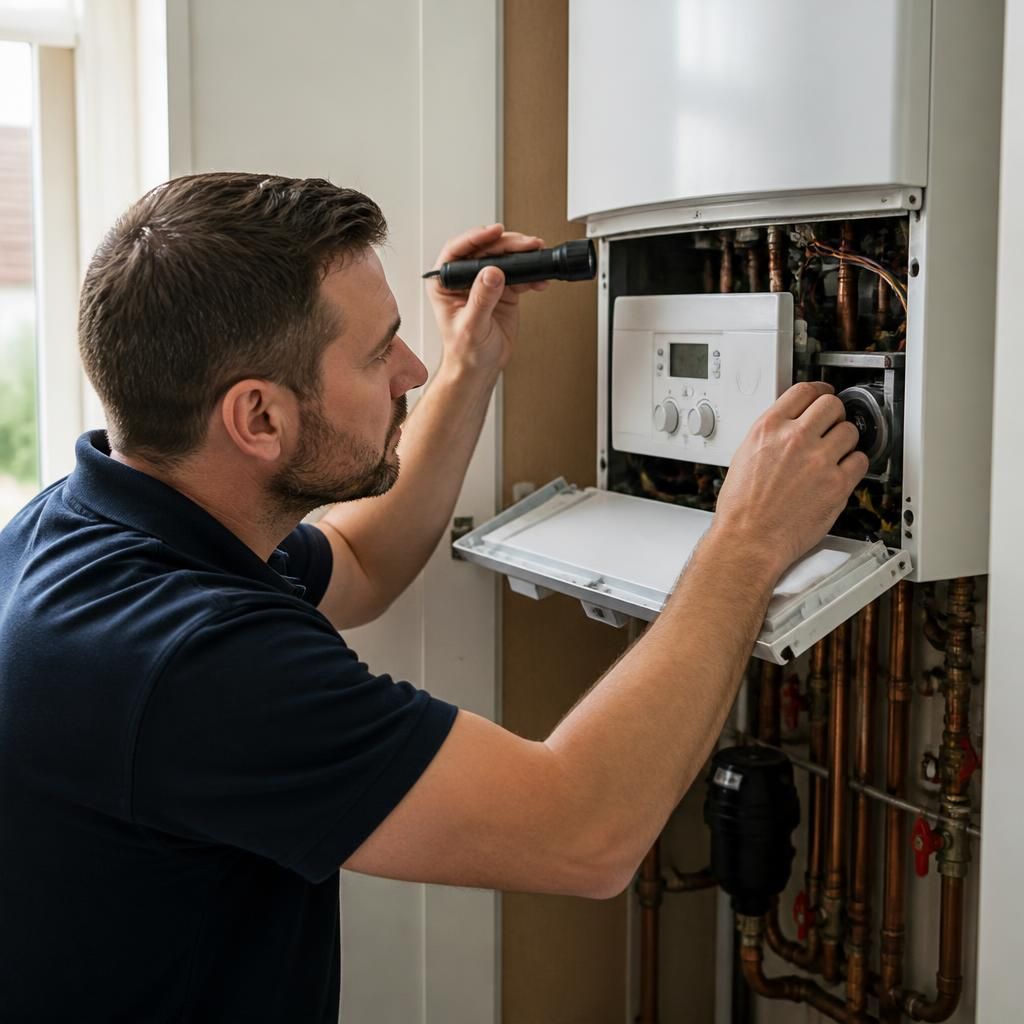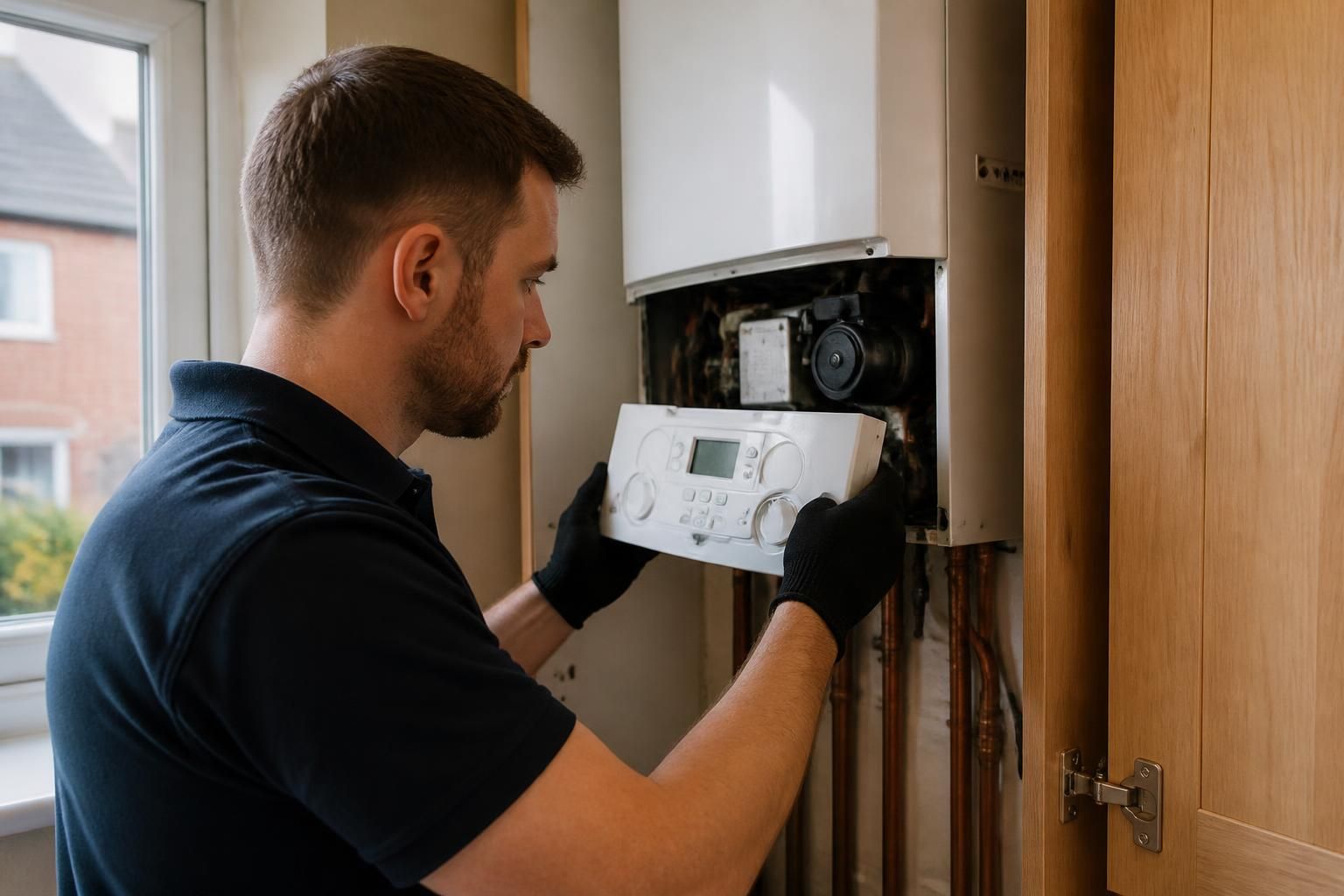
For most homes, central heating maintenance causes limited inconvenience because it is a planned inspection and servicing process rather than a major alteration to the system. The main effect is temporary loss of heating or hot water while relevant equipment is being checked, with greater disruption only if the inspection identifies a fault, unsafe component or need for additional remedial work.
What happens during a maintenance visit? The engineer will normally assess the boiler and accessible central heating components, check operating performance and inspect for signs of wear, leakage or corrosion. Depending on the system, this can include checking system pressure, controls, radiators, valves, pipework and the condition of the boiler’s combustion and safety components. The engineer may also test whether the heating responds correctly to the controls and whether heat is distributed consistently around the property.
Routine maintenance does not usually require furniture, flooring or walls to be disturbed. However, the engineer needs safe access to the boiler, controls and any components that require inspection. If the boiler is located inside a cupboard, removing stored items beforehand can make the visit more straightforward. Access to radiators or pipework may also be needed if there is a reported cold spot, leak or unusual noise.
How the visit may affect your household
- The boiler or heating controls may be operated repeatedly during testing.
- Heating or hot water may be unavailable while the system is isolated or tested.
- There may be some normal operational noise while pumps, valves and the boiler are assessed.
- The engineer may need to handle controls, radiator valves and accessible pipework throughout the property.
- If a defect is found, the visit may take longer or a separate repair may be recommended.
A standard maintenance check is different from a repair, replacement or system alteration. Maintenance focuses on assessing condition, performance and safety. It does not automatically include replacing defective parts, removing sludge from the system, repairing leaks or correcting installation issues. Those tasks can involve additional access, tools, draining part of the system or further time without heating and hot water.
How to minimise inconvenience
- Clear the area around the boiler and any relevant controls before the appointment.
- Make a note of symptoms such as pressure loss, unusual sounds, slow-heating radiators or repeated resets.
- Tell the engineer about known leaks, previous faults or rooms that are difficult to heat.
- Keep the manufacturer’s instructions or previous maintenance records available if you have them.
- Arrange access to rooms containing radiators, valves, thermostats or exposed heating pipework.
- Keep children and pets away from the working area while equipment is being tested.
If the engineer identifies a safety concern, they may advise that the boiler or part of the heating system should not be used until the issue is addressed. That can create more disruption than routine maintenance, but it is an important precaution rather than an avoidable delay. Any recommended repair should be explained separately so you can understand what work is necessary and whether it forms part of the maintenance visit.
For homeowners, the practical impact is usually limited to arranging access and managing a temporary interruption to heating or hot water. Landlords should also allow time for the engineer to record relevant findings and explain any repairs that may affect the property or tenants. A clear description of existing problems before the visit helps the engineer focus the inspection and reduces the risk of a second appointment being needed for information that was not initially provided.
Ideal Plumbing Services can assess central heating systems and explain whether a problem can be dealt with as part of maintenance or requires separate repair work. The aim is to keep the process controlled, identify faults accurately and leave the homeowner with a clear understanding of the system’s condition.