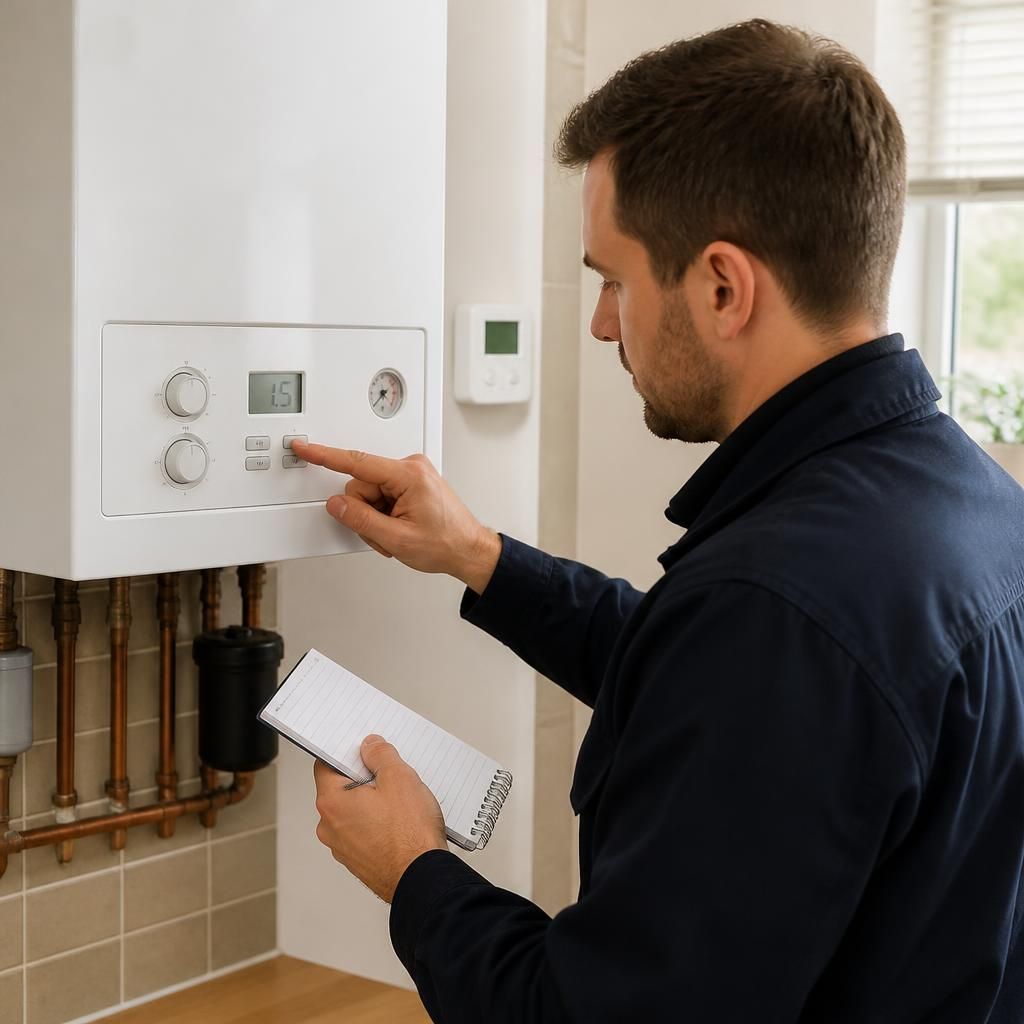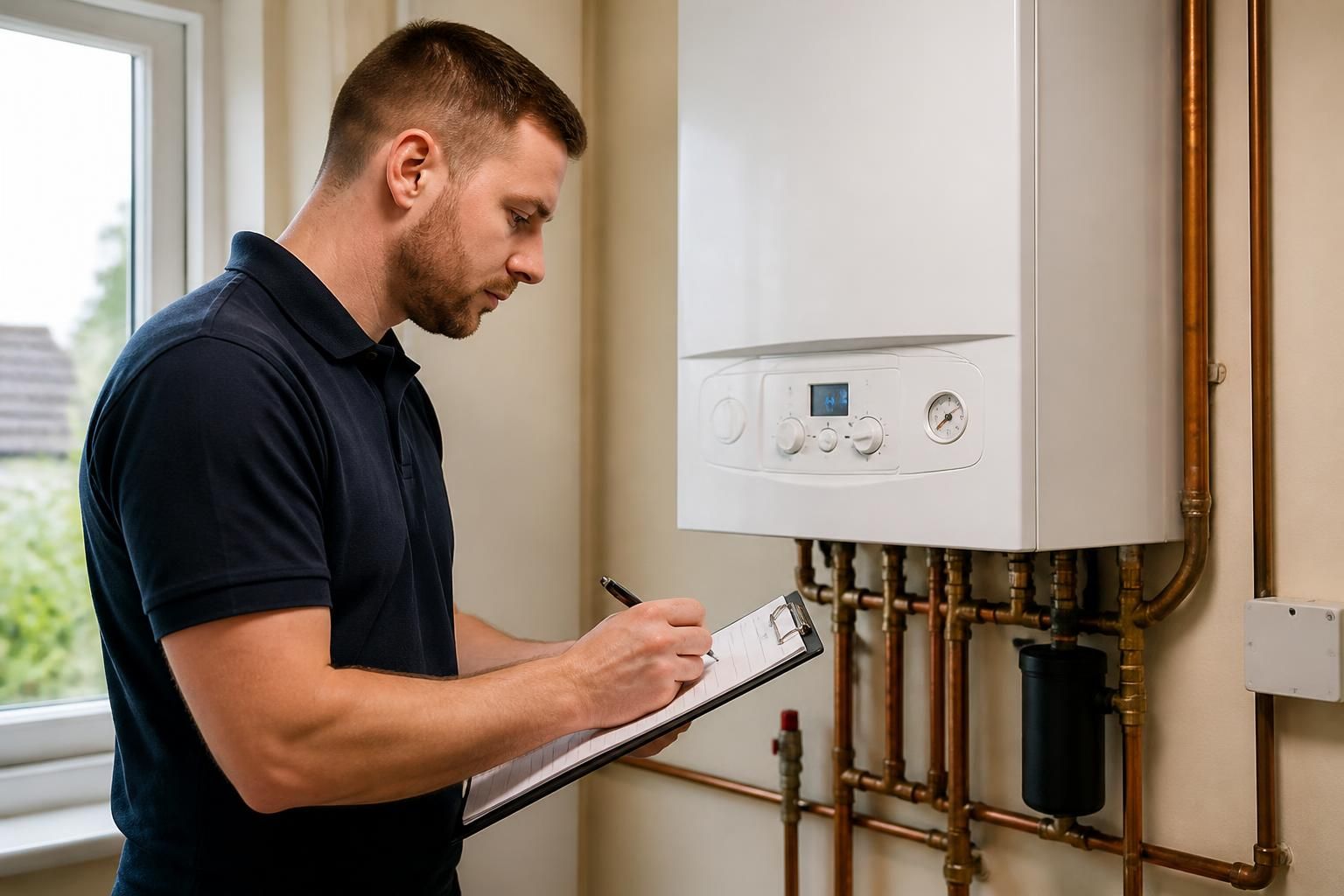
Before a central heating maintenance visit, confirm the appointment details, prepare accurate information about the property and system, and make sure the engineer can work safely without avoidable interruptions. Good preparation helps distinguish routine servicing from issues that may need further investigation, replacement parts or a separate repair.
Have the following details ready:
- The property address and a suitable contact name.
- The type of heating system, if known, such as a combi boiler, system boiler or regular boiler.
- The approximate age of the boiler and any previous repair or maintenance dates you can recall.
- Whether the property is owned, rented or managed on behalf of a landlord.
- Any changes made to the heating system since its last service, including replaced controls, radiators or pumps.
It is also useful to describe the system’s recent behaviour rather than relying on a general statement that it is not working properly. Note when a problem occurs, whether it affects heating, hot water or both, and whether the issue is constant or intermittent. If you have already reset the boiler or adjusted the controls, record what happened afterwards. This information can help the engineer decide which parts of the system require closer examination.
Before the visit, confirm what the maintenance appointment includes. Routine central heating maintenance may involve inspecting the boiler and associated components, checking operation and safety controls, and identifying signs of wear. It may not include extensive fault-finding, replacement parts, remedial plumbing or repairs to other heating equipment unless these are agreed separately. Asking about the intended scope helps you understand what will be assessed and whether additional work would need separate approval.
Make the property safe and practical for the work:
- Keep children and pets away from the working area during the inspection.
- Remove fragile items or stored belongings that could obstruct safe movement around the heating equipment.
- Tell the engineer about any known hazards, recent building work or restricted areas before work begins.
- Ensure the engineer can enter every area relevant to the system, including any room containing a cylinder, expansion vessel, pump or other heating components.
- Arrange access with a landlord, tenant or property manager in advance if responsibility for the property is shared.
Do not remove boiler casings, alter gas connections or attempt internal repairs before the appointment. Gas appliances and combustion components require appropriate competence and testing equipment. If you notice a gas smell, signs of carbon monoxide or another immediate safety concern, leave the area and follow the relevant emergency safety guidance rather than waiting for a routine maintenance visit.
Check whether the engineer may need to test the heating under normal operating conditions. Where possible, explain how the system is usually used, including whether particular rooms are difficult to heat or whether hot water demand affects heating performance. Avoid making last-minute changes that could conceal the fault, such as repeatedly resetting the appliance, unless you have been advised to do so.
For rented properties, confirm who has authority to approve additional work and who should receive the maintenance findings. Landlords may also need a record of the service for their property files, while tenants should report persistent issues through the agreed maintenance channel. If a repair is recommended, ask for a clear explanation of the fault, the work proposed and any parts or follow-up checks involved.
Finally, keep the engineer’s findings with the property’s heating records after the visit. A dated record of maintenance, repairs and safety observations provides useful background for future inspections and can make recurring problems easier to investigate.