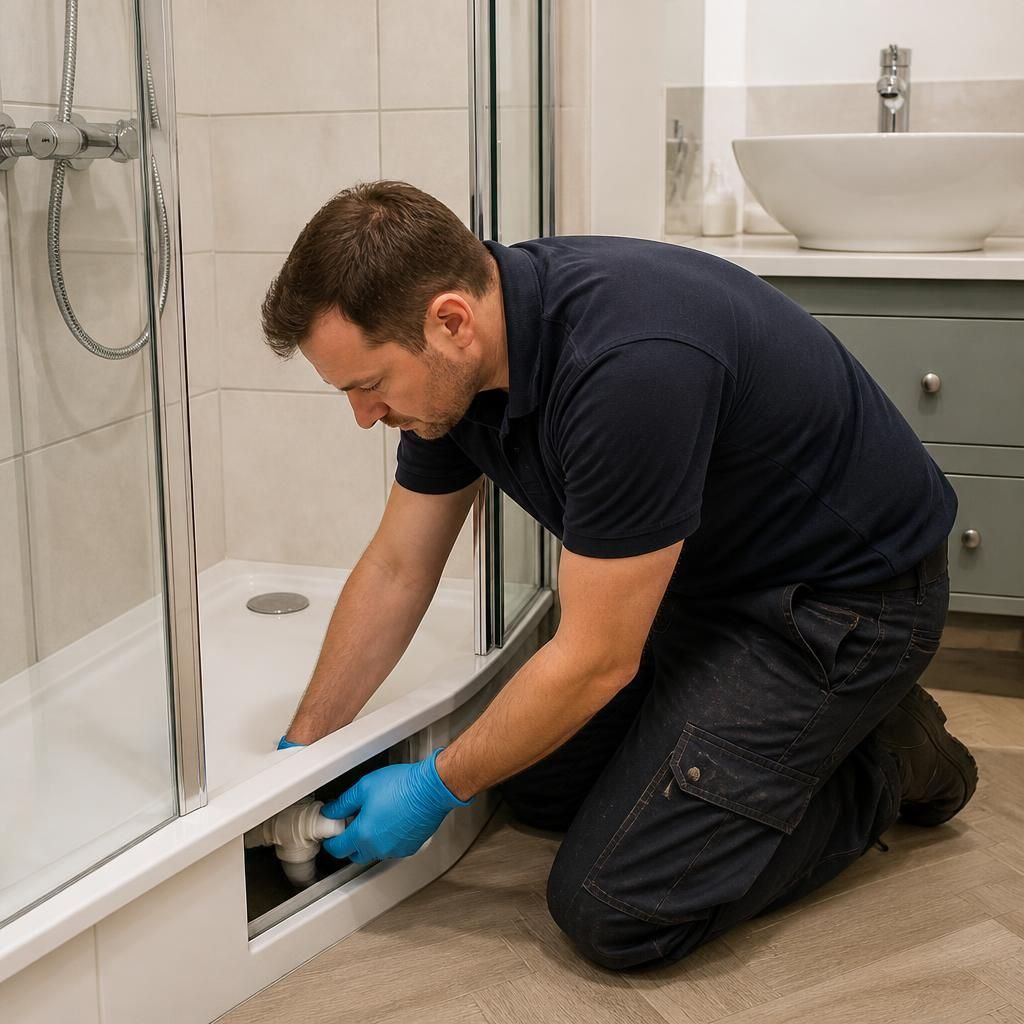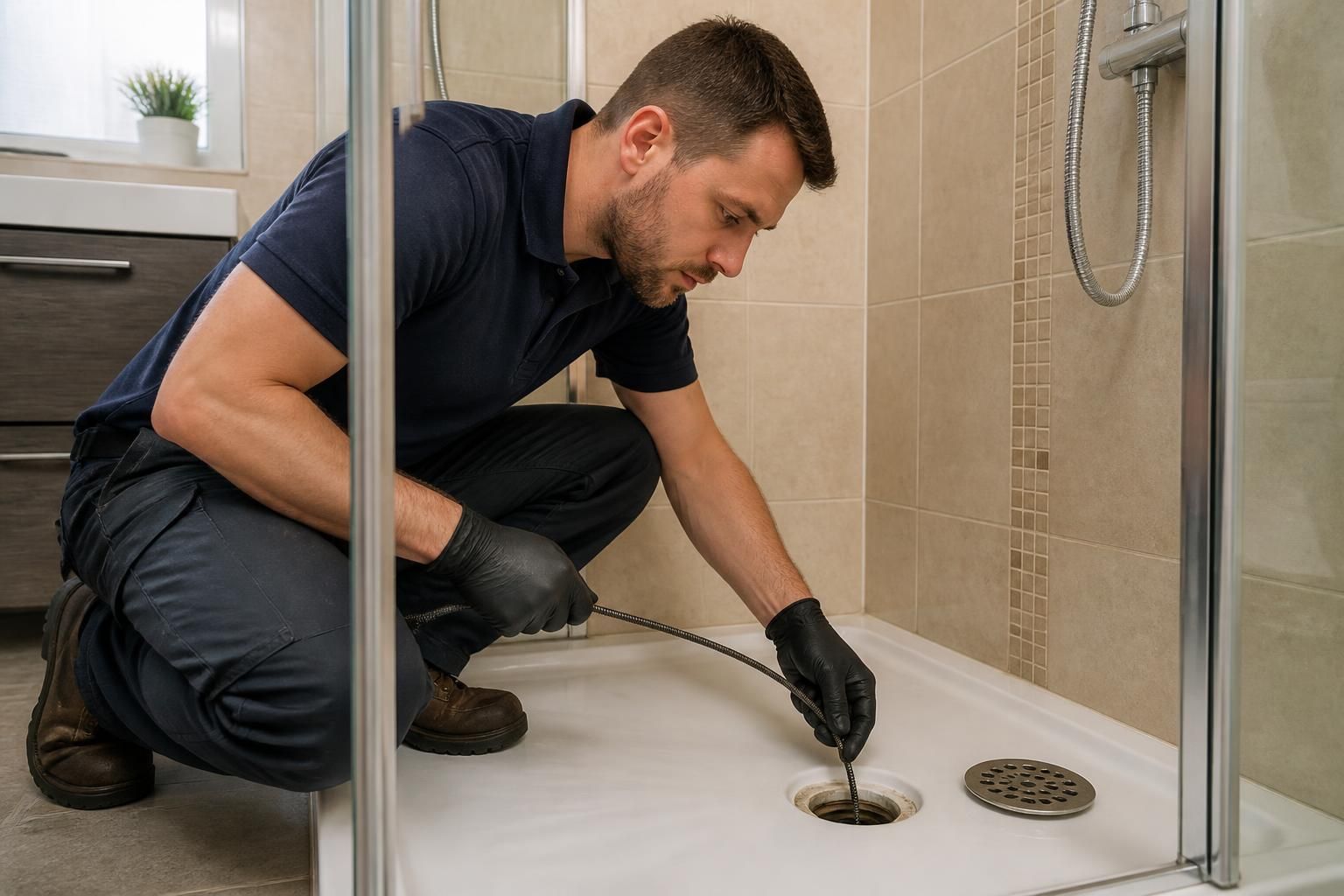
Whether a tenant or landlord should arrange and pay for shower drain unblocking depends mainly on the cause of the blockage, the tenancy agreement and the landlord’s repairing obligations. A blockage caused by normal use or a fault in the property’s drainage system will usually be treated differently from one caused by avoidable misuse or a tenant’s negligence.
Check the tenancy agreement first
Tenancy agreements often distinguish between routine household maintenance and repairs to plumbing or drainage installations. A tenant may be expected to remove hair and other accessible debris from a shower drain, while the landlord is generally responsible for defects, damaged pipework or drainage problems that are part of the property.
The wording matters. Clauses about keeping waste outlets clear do not necessarily make a tenant responsible for repairing a collapsed, defective or inaccessible drain. If the agreement is unclear, the tenant should report the problem to the landlord or letting agent and ask who is authorised to arrange the work.
Who may be responsible?
- The tenant may be responsible where the blockage has resulted from a failure to carry out ordinary cleaning, or where unsuitable items have been put down the drain.
- The landlord may be responsible where the cause is defective plumbing, a damaged waste pipe, an installation fault or a wider drainage issue affecting the property.
- Responsibility may be disputed where the cause cannot be identified without inspection. In that situation, an assessment from a qualified plumber can help establish whether the obstruction is local to the shower or connected to the wider drainage system.
Tenants should not assume that they must pay simply because the blockage is inside the property, and landlords should not assume that every blockage is the tenant’s fault. The evidence and the terms of the tenancy are relevant.
What a tenant should do
- Stop using the shower if water is pooling or draining very slowly. Continued use can cause an overflow and may damage flooring, skirting boards or the ceiling below.
- Check for an accessible cover and remove only visible hair or surface debris if this can be done safely without dismantling the drain.
- Report the problem in writing to the landlord or letting agent, describing when it started, how quickly the water drains and whether any overflow or foul odour is present.
- Send photographs or a short video if they show standing water, staining or an overflow risk.
- Ask before instructing a plumber privately, unless the situation presents an immediate risk of damage and the landlord or agent cannot provide suitable instructions.
A tenant should keep copies of messages, photographs, invoices and any plumber’s findings. This can help resolve a later disagreement about the cause or cost of the work. Rent should not normally be withheld because a repair is outstanding; disputes about responsibility should be handled through the appropriate tenancy or housing advice process.
When professional unblocking is appropriate
Professional help is sensible when plunging and removal of accessible debris have not restored normal drainage, when the blockage returns, or when several outlets are draining slowly. It is also appropriate if there is sewage contamination, water escaping around the shower, a suspected obstruction deeper in the waste pipe or a risk of damage to another part of the building.
A plumber can inspect the trap and waste pipe, identify the likely location of the obstruction and use suitable equipment to clear it. The plumber should be told that the property is rented and, where possible, who authorised the visit. Ask for the cause of the blockage and the work carried out to be recorded on the invoice.
What not to do
- Do not dismantle the shower tray, waste fitting or surrounding tiles without permission. This can create additional leaks and may affect the landlord’s property.
- Do not mix chemical drain cleaners or use them immediately before a plumber attends. Some products can damage components or remain hazardous in the pipe.
- Do not pour boiling water onto fittings or flooring that may be vulnerable to heat.
- Do not continue using the shower when water is rising, particularly where it could reach electrical fittings or the ceiling below.
Once the drain has been cleared, regular removal of hair and soap residue can reduce repeat blockages. If the same shower drain becomes blocked again despite sensible cleaning, the underlying waste pipe, gradient or connection may need investigation rather than repeated surface treatment.
For tenants, the safest approach is to report the issue promptly, follow the tenancy agreement and obtain approval before arranging chargeable work where practical. For landlords and letting agents, recording the reported symptoms and arranging an appropriate inspection helps establish whether the issue is routine maintenance, tenant-caused damage or a repair to the property’s plumbing system.