Domestic plumbing repairs are usually manageable, but the disruption depends on access, the extent of the fault and whether connected areas must be taken out of use. Replacing an exposed valve or tap is generally less intrusive than repairing pipework beneath flooring, inside a wall or behind fitted units.
The main sources of disruption are:
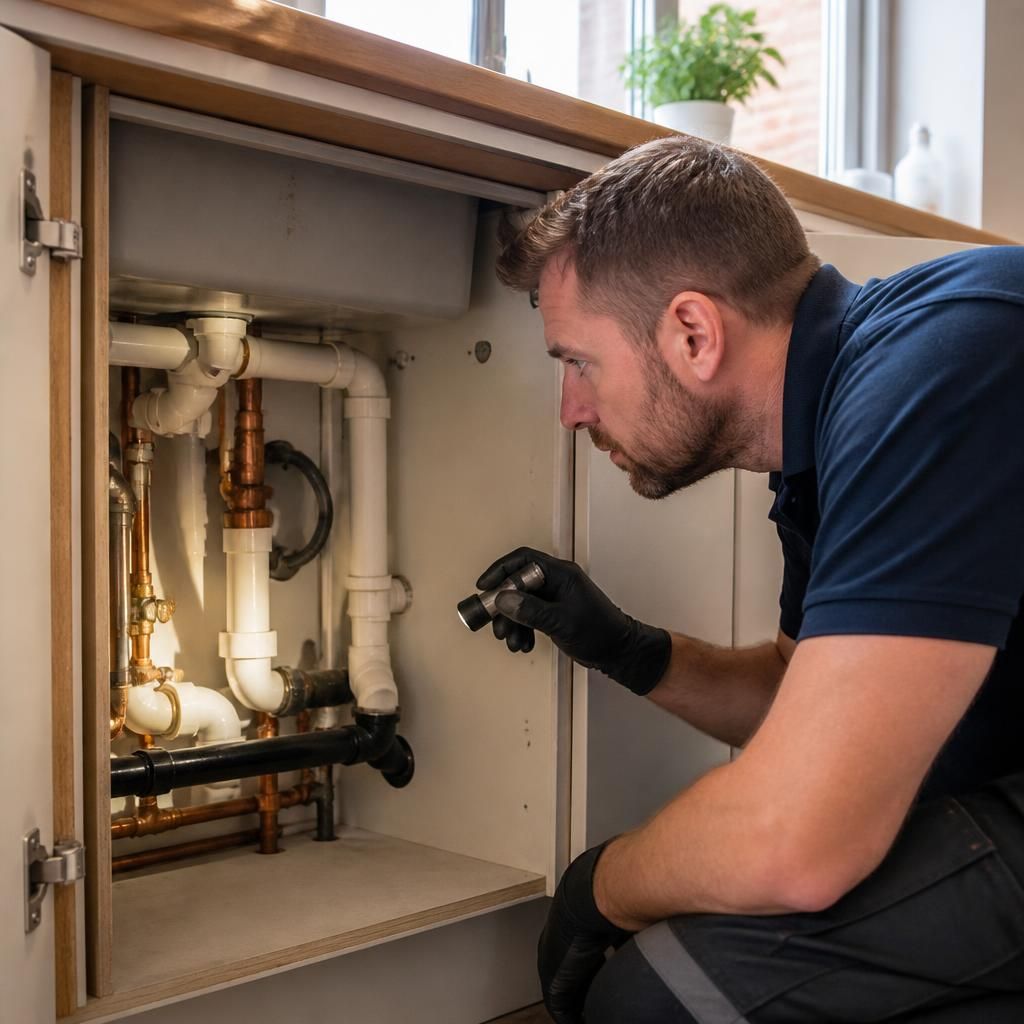
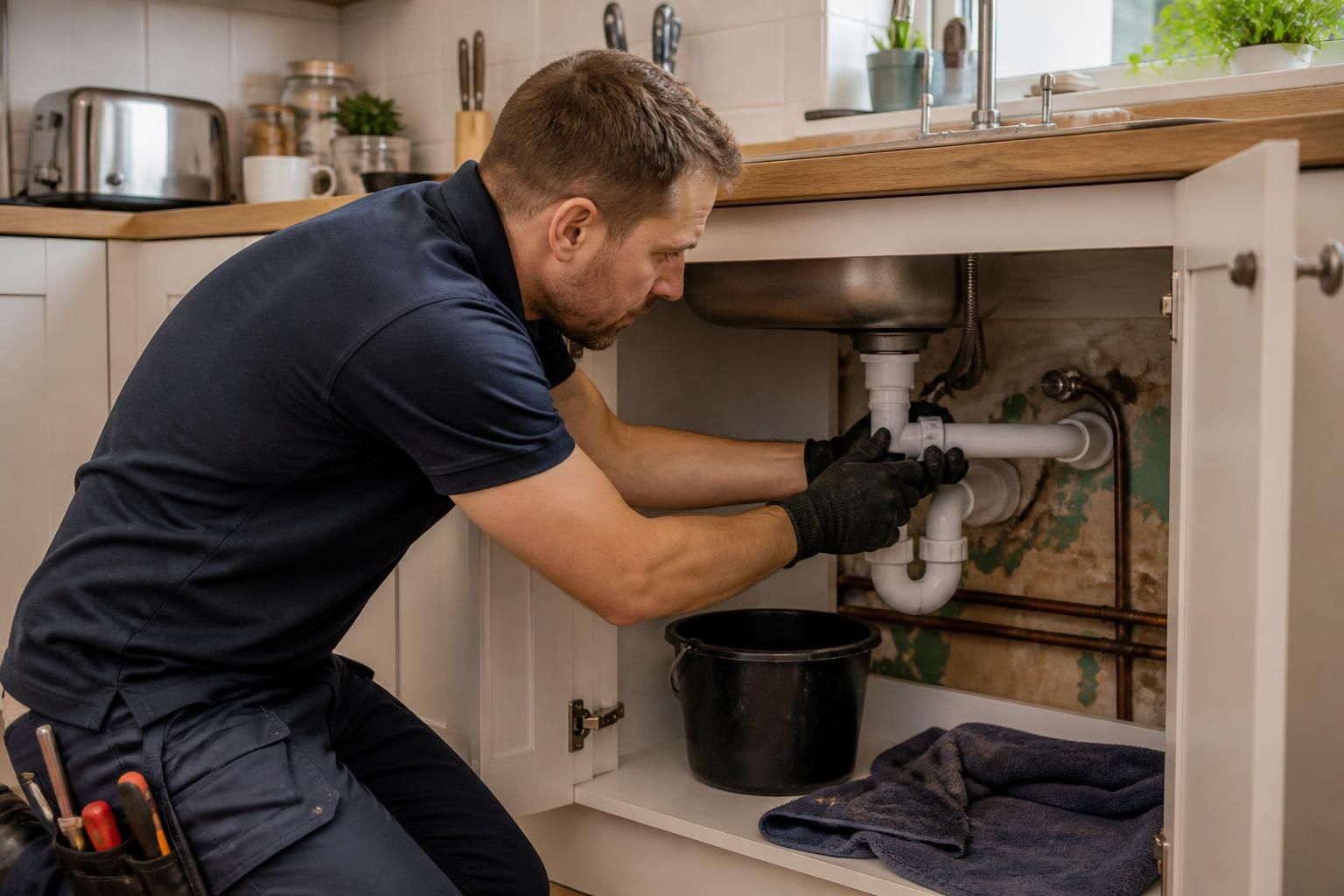
- Access requirements: The plumber may need to remove a panel, lift flooring, move stored items or work inside a cupboard. Good access before the visit can reduce preparation and avoid unnecessary disturbance.
- Water isolation: The affected supply normally needs to be isolated while the repair is carried out. This can temporarily prevent use of a sink, toilet, shower or the whole water system, depending on the pipework involved.
- Damage around the fault: A concealed leak may have affected plasterboard, flooring, cabinets or insulation. Stopping the leak is the plumbing repair; drying and restoring damaged finishes may require separate work.
- Testing: Once the repair is complete, the system should be checked for leaks and operated under normal pressure. This testing is important, even where it adds a little time to the work.
Repairs in accessible locations, such as beneath a basin or at an exposed connection, may involve limited preparation and leave most of the room usable. Work behind a tiled wall or beneath a solid floor is more disruptive because the covering may need to be opened carefully and reinstated afterwards. A plumber should explain the likely access route before starting rather than treating removal of surrounding materials as an unexpected extra.
There are practical ways to limit inconvenience. Clear the area around the suspected fault, remove items from cupboards and identify the internal stop tap if it is known. Do not conceal damp patches or continue using a leaking fixture simply to avoid disturbance, as ongoing water exposure can increase damage to surrounding materials. If water is near electrical equipment, keep clear of the area and seek appropriate professional advice.
For occupied homes, it is useful to ask which fixtures will be unavailable, whether furniture or fittings need to be moved, how the opening will be protected and what making-good work is included. The plumbing repair itself may not include decorating, replacing tiles or repairing flooring, so these points should be clarified before approval. A written explanation of the work and charges can also help prevent misunderstandings.
Landlords should consider the effect on tenants and record the fault, the affected area and any visible damage. Tenants should report leaks promptly and avoid attempting repairs to fixed pipework if they are unsure how to isolate the supply. Early reporting can make it easier to limit the area affected, although the eventual level of disruption still depends on where the fault is located.
Ideal Plumbing Services assesses the source of the problem before recommending the repair, with the aim of limiting unnecessary opening-up and keeping the work proportionate to the fault. With more than 20 years' experience, the team provides domestic plumbing repairs for homeowners, landlords and tenants across Birmingham and the West Midlands, including advice on the work required and any related restoration that may need to follow.