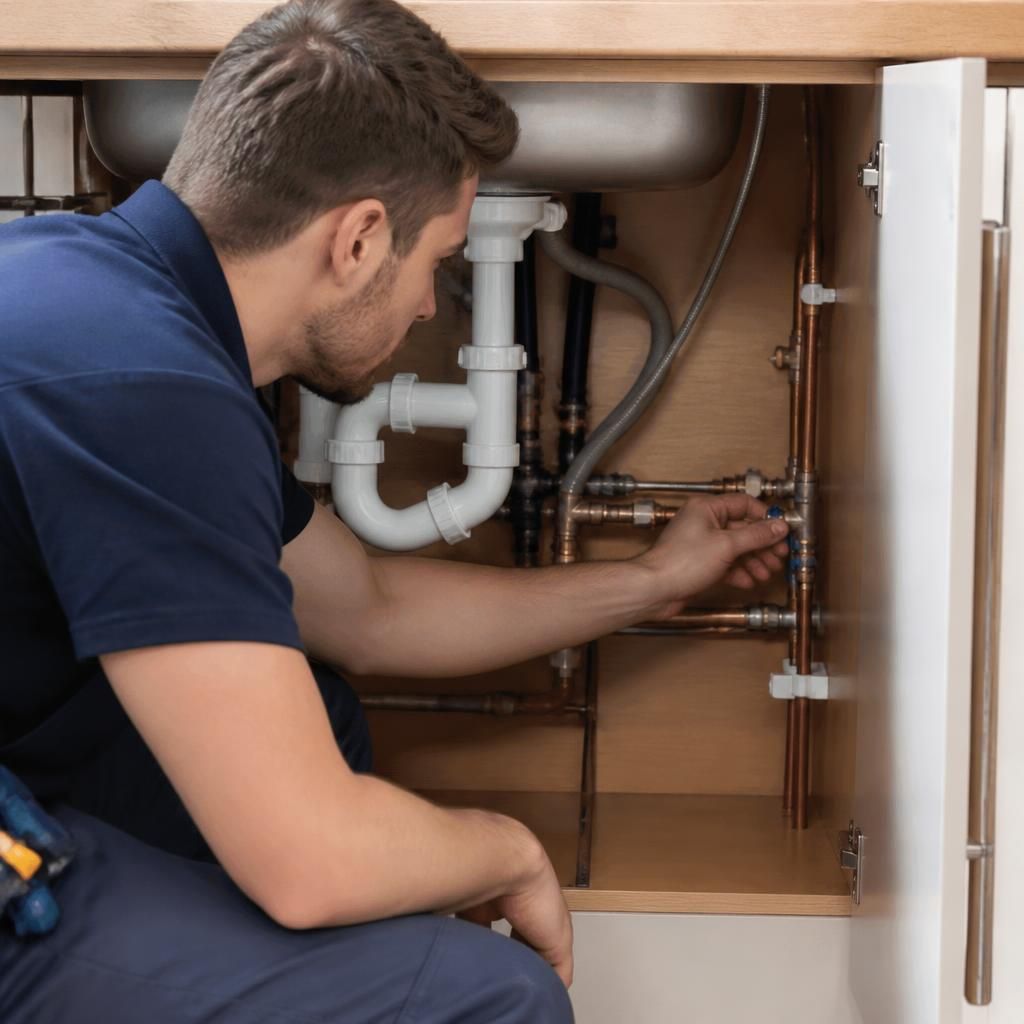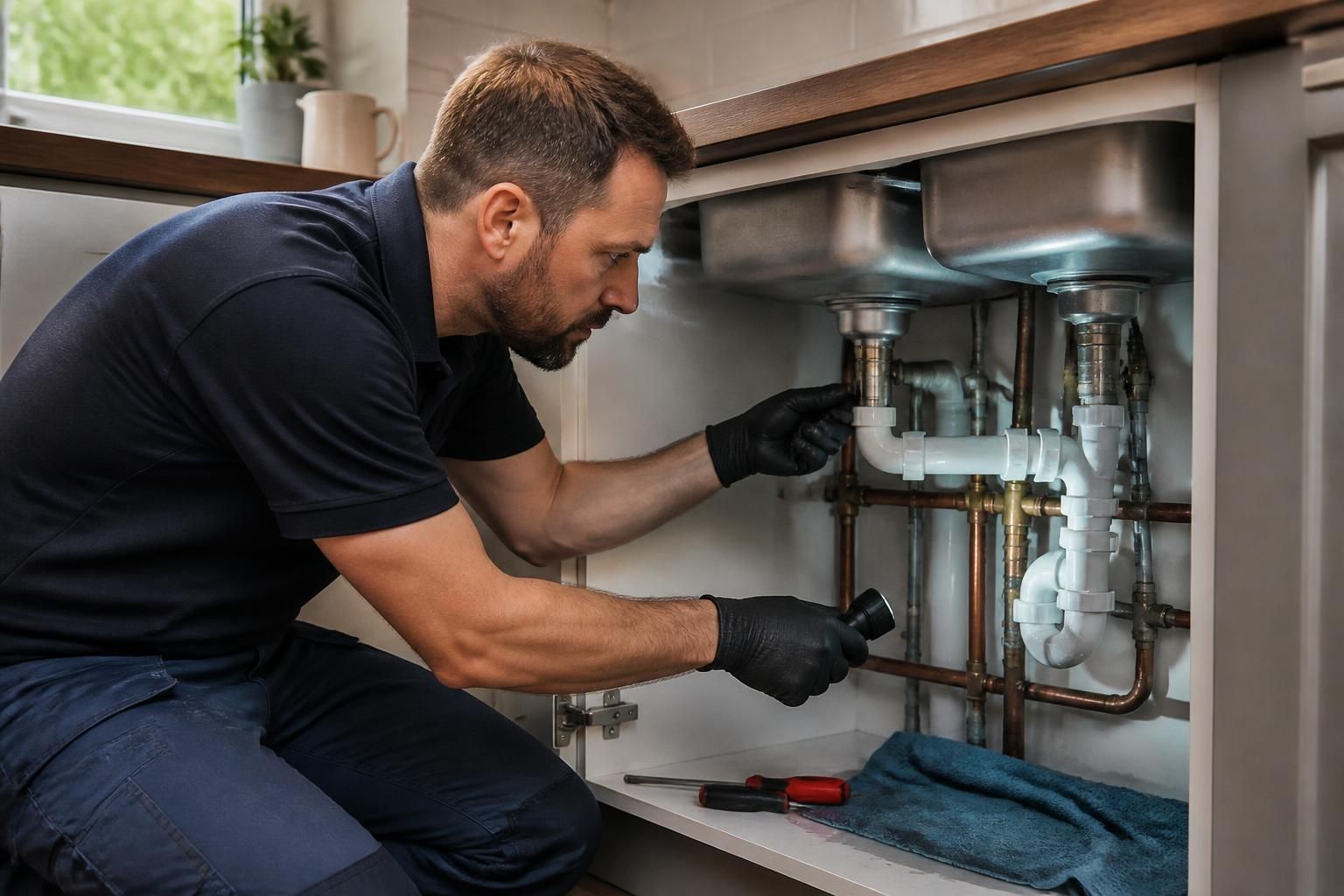
After a domestic plumbing fault has been identified, the next stage is to plan and carry out a controlled repair based on the cause, location and condition of the affected pipework or fitting. The plumber should explain what access is required, what work is included and whether any related defects need attention before proceeding.
The practical process may include:
- Making the area safe: Water may be isolated locally or at the internal stopcock while work is carried out. Where electrical equipment, flooring or stored belongings have been affected, these risks should be considered before the repair starts.
- Preparing access: A visible fault may be straightforward to reach, whereas a concealed leak could require access behind a panel, beneath a sink unit or through a section of flooring. The least disruptive suitable access route should be discussed in advance.
- Checking connected parts: A failed valve, seal or joint can place additional strain on nearby components. Examining the surrounding pipework helps determine whether replacing one part is appropriate or whether adjacent deterioration could cause a further problem.
- Using suitable replacement parts: The replacement should match the pipework, fitting and system in use. The plumber may need to account for pipe size, connection type, water pressure and the condition of existing materials.
- Recording the work: For landlords and property owners, it can be useful to keep the diagnosis, repair details and any photographs with the property maintenance records. Tenants should retain invoices or reports if the fault needs to be referred to a landlord or managing agent.
If the fault has caused water damage, repairing the plumbing is only one part of the response. Wet cupboards, flooring, plaster or insulation may need time to dry, and damaged materials should be assessed separately. Persistent dampness, staining or musty odours after the repair can indicate retained moisture rather than an ongoing plumbing fault.
Where access involves removing panels, units or finishes, ask whether making good is included in the plumbing work. Plumbers can often create the access needed to reach pipework, but decorating, joinery, plastering and specialist drying may fall outside the repair itself. Clarifying this distinction prevents misunderstandings about the final condition of the area.
A completed repair should leave the affected installation ready for normal use, but sensible follow-up checks are still important. Look for renewed moisture around joints, changes in water pressure, unusual sounds, recurring staining or dampness in nearby areas. If any of these appear, stop using the affected fitting where practical and arrange further investigation rather than repeatedly tightening or sealing the component yourself.
For a rented property, the tenant should report the fault and agree access arrangements with the landlord or managing agent, particularly where the repair may affect fixtures, cupboards or finishes. Homeowners should keep the repair information for future maintenance and insurance records. A clear written description of the fault, work completed and any recommended follow-up provides a useful reference if related plumbing problems develop later.