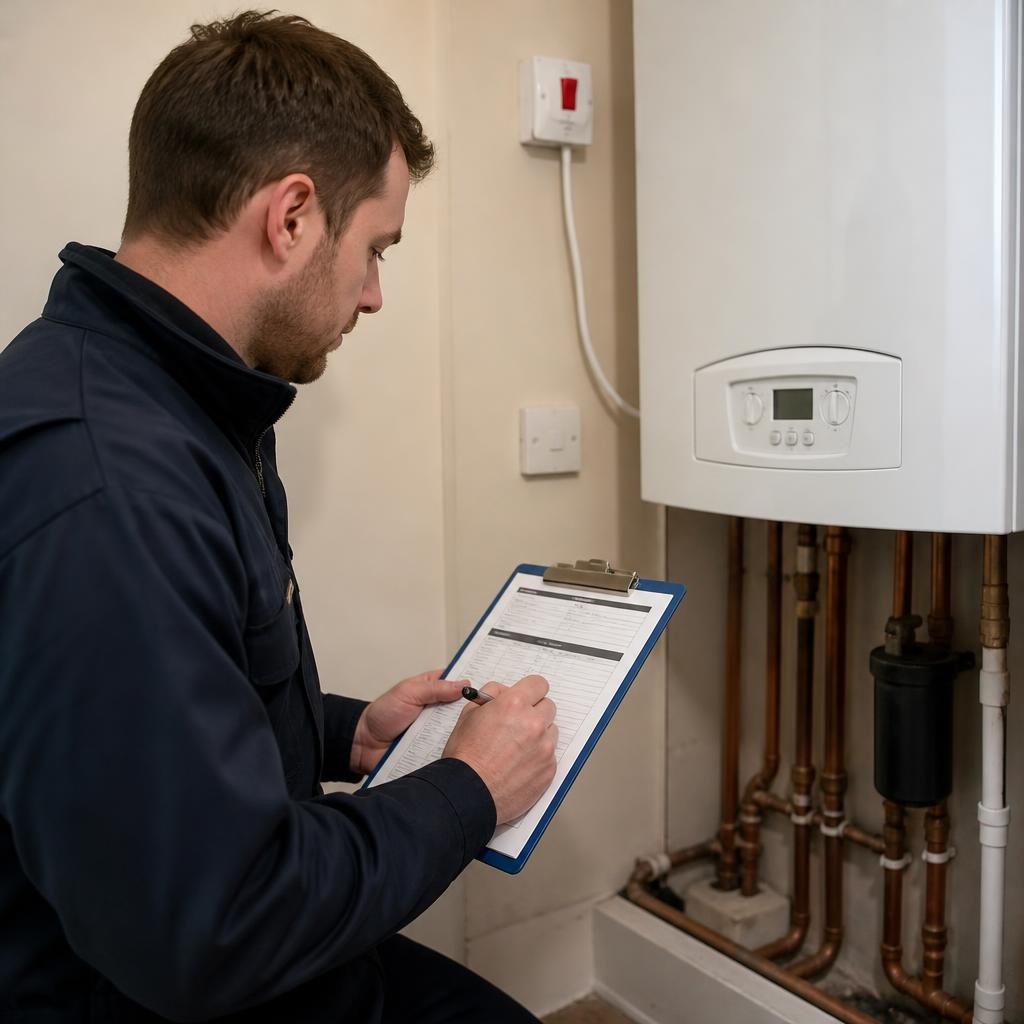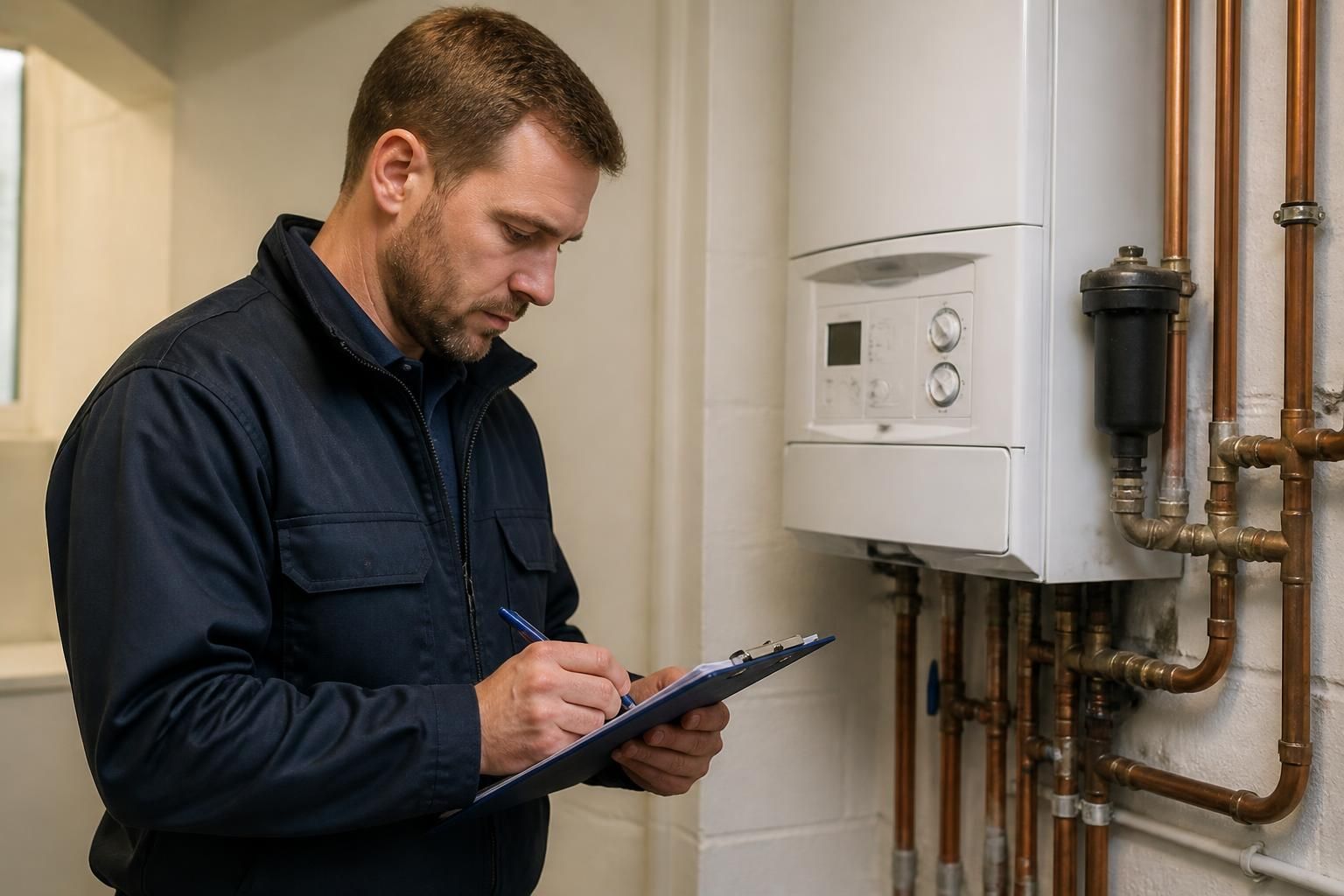
Preparing for a boiler engineer’s visit means making the relevant information, permissions and safety arrangements ready so the engineer can assess the system properly. In addition to identifying the boiler and its controls, make sure they can inspect connected components, discuss the issue with the right person and carry out any necessary safety checks.
Before the appointment, consider the following practical steps:
- Make sure someone who understands the household’s heating and hot-water requirements is available to speak with the engineer. If you are a tenant, check whether the landlord or managing agent needs to approve an inspection or repair.
- Keep pets and young children away from the boiler and any areas where tools, testing equipment or removed components may be present.
- Make sure the engineer can access the boiler’s controls, thermostat and relevant heating components. An engineer may need to test how the system responds, rather than inspecting the boiler alone.
- Check whether the boiler’s pressure gauge, thermostat or programmer can be seen easily, but do not remove the boiler casing or interfere with internal components.
- Have details of any previous work or known changes to the heating system available if they have not already been provided. This can help distinguish a new fault from an ongoing issue.
It is also useful to prepare a short record of how the heating system is used in the home. Note which facilities are most important, such as hot water, radiators or both, and whether the problem is occasional or persistent. This gives the engineer context without relying on a brief description at the door.
The engineer may inspect the boiler, controls, system pressure, visible pipework, condensate arrangements and flue installation. Depending on the fault, they may also carry out diagnostic tests or check related heating components. These checks can take place before the engineer recommends a repair, replacement part or further investigation.
Ask what the inspection will involve and what work is being recommended before authorising additional repairs. You can also ask whether the proposed work is intended as a temporary measure or a lasting repair, whether any part will need to be ordered, and what follow-up testing will be completed. Request a clear explanation of the findings and the expected charges; Ideal Plumbing Services aims to provide no hidden charges and offers a satisfaction guarantee.
If you notice the smell of gas before the visit, treat it as a safety matter rather than waiting for a routine appointment. Avoid flames and electrical switches, ventilate the property if it is safe to do so, leave the building if necessary and contact the appropriate gas emergency service. Do not use the boiler again until it has been assessed.
Good preparation does not involve attempting to diagnose or repair the boiler yourself. Providing accurate information, ensuring the relevant person is available and leaving testing to a qualified engineer helps the visit remain focused on safe diagnosis and an appropriate solution.