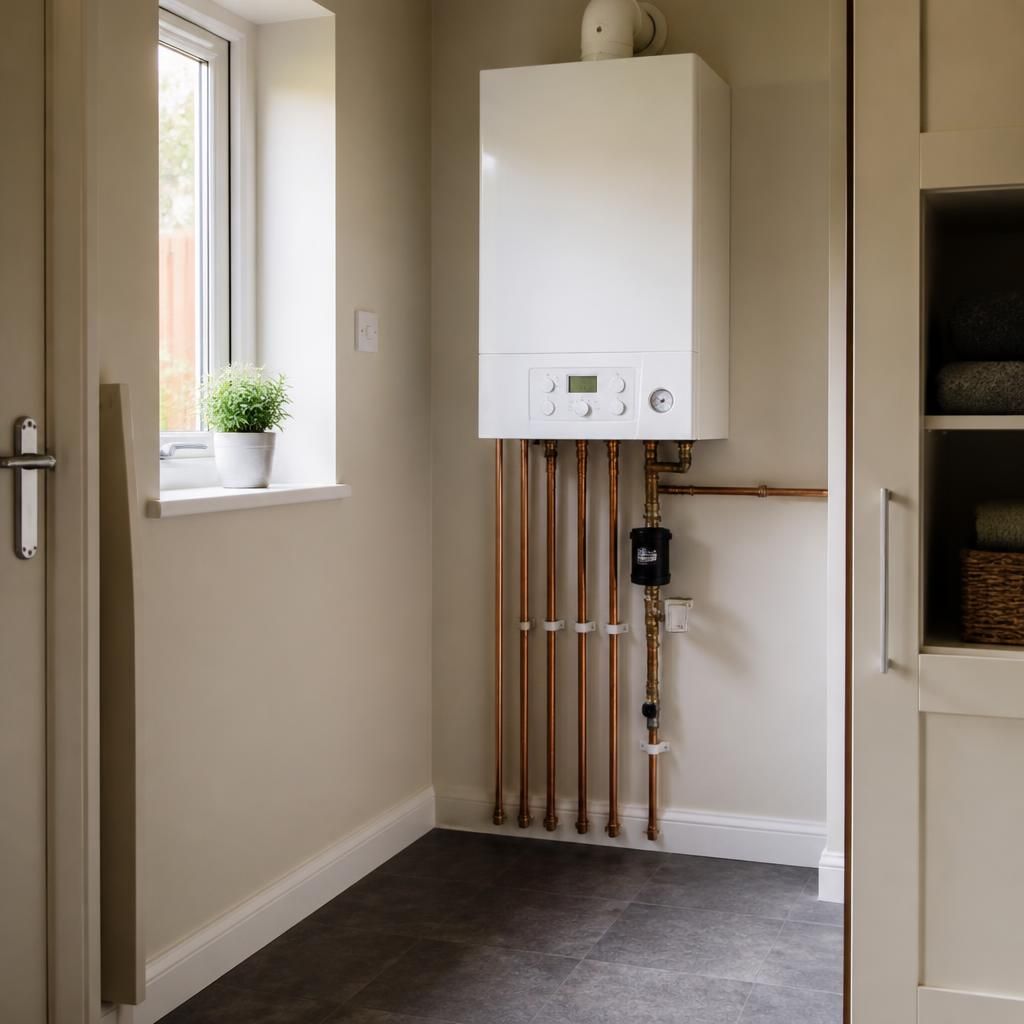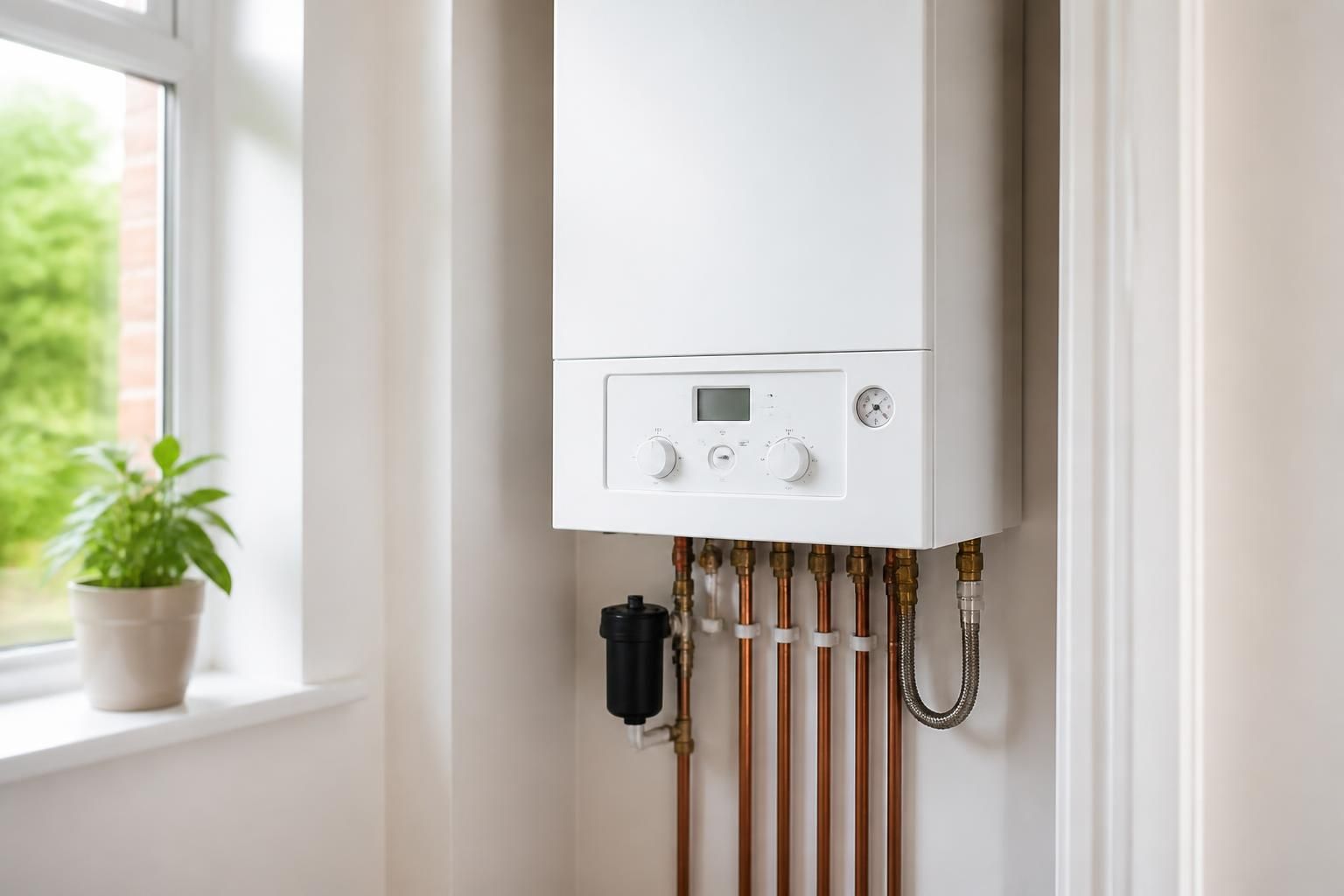
The best preparation is to provide accurate information, follow basic gas-safety precautions and make sure the engineer can assess the boiler controls, flue arrangements and connected heating system without anyone attempting to alter the appliance beforehand.
Record the symptoms clearly. Note when the problem began, whether it is constant or intermittent, and what happens when you try to use heating or hot water. Useful details include:
- whether the boiler starts and then stops;
- whether radiators, taps or both are affected;
- any changes in pressure shown on the gauge;
- whether the issue occurs with particular controls or at particular times; and
- any warning lights, displayed messages or repeated reset requirements.
If the boiler has a digital display, take a photograph of any fault message rather than repeatedly resetting the appliance. Keep the information available for the engineer, along with the appointment details and any relevant warranty or tenancy documents.
Do not treat a suspected gas leak as an ordinary boiler fault. If you smell gas, do not operate electrical switches, light flames or use anything that could create an ignition source. If it is safe to do so, turn off the gas supply at the emergency control valve, open doors and windows, leave the property and contact the National Gas Emergency Service on 0800 111 999. Do not wait for a planned boiler visit. If a carbon monoxide alarm sounds, leave the property and seek emergency assistance; symptoms such as headache, dizziness, nausea or unusual tiredness also require prompt attention.
Leave the appliance controls in a safe, normal state. Do not remove the boiler casing, adjust internal components or try to repair the gas appliance. If the system is operating and you know how to use its ordinary controls, you can note the pressure or settings without changing them unnecessarily. Avoid bleeding radiators or topping up the system immediately before the appointment if doing so could alter the symptoms the engineer needs to investigate.
Prepare information about the property and heating system. Tell the engineer about any recent building work, changes to radiators or controls, recurring pressure loss, water damage near the appliance, or unusual smells and noises. If you are a tenant, notify the landlord or managing agent and check whether they need to authorise the inspection or repair. Do not arrange work that affects a rented property without following the relevant tenancy process.
Plan for questions and decisions. Consider whether you want the engineer to investigate heating, hot water, controls or related pipework as well as the original complaint. Ask what has caused the fault, whether the boiler can be operated safely, which work is essential, and whether any follow-up inspection or replacement part may be needed. A Gas Safe registered engineer should be able to explain the findings and any proposed work in terms you can understand.
For a flat or property with shared services, gather any information you have about communal heating, restricted plant areas or building management arrangements before the visit. This can help establish whether the issue is confined to the individual boiler or may involve the wider installation.
Good preparation does not involve dismantling the boiler or trying to diagnose the gas side yourself. It means preserving useful evidence, identifying safety concerns early and giving the engineer enough context to carry out a properly informed assessment.