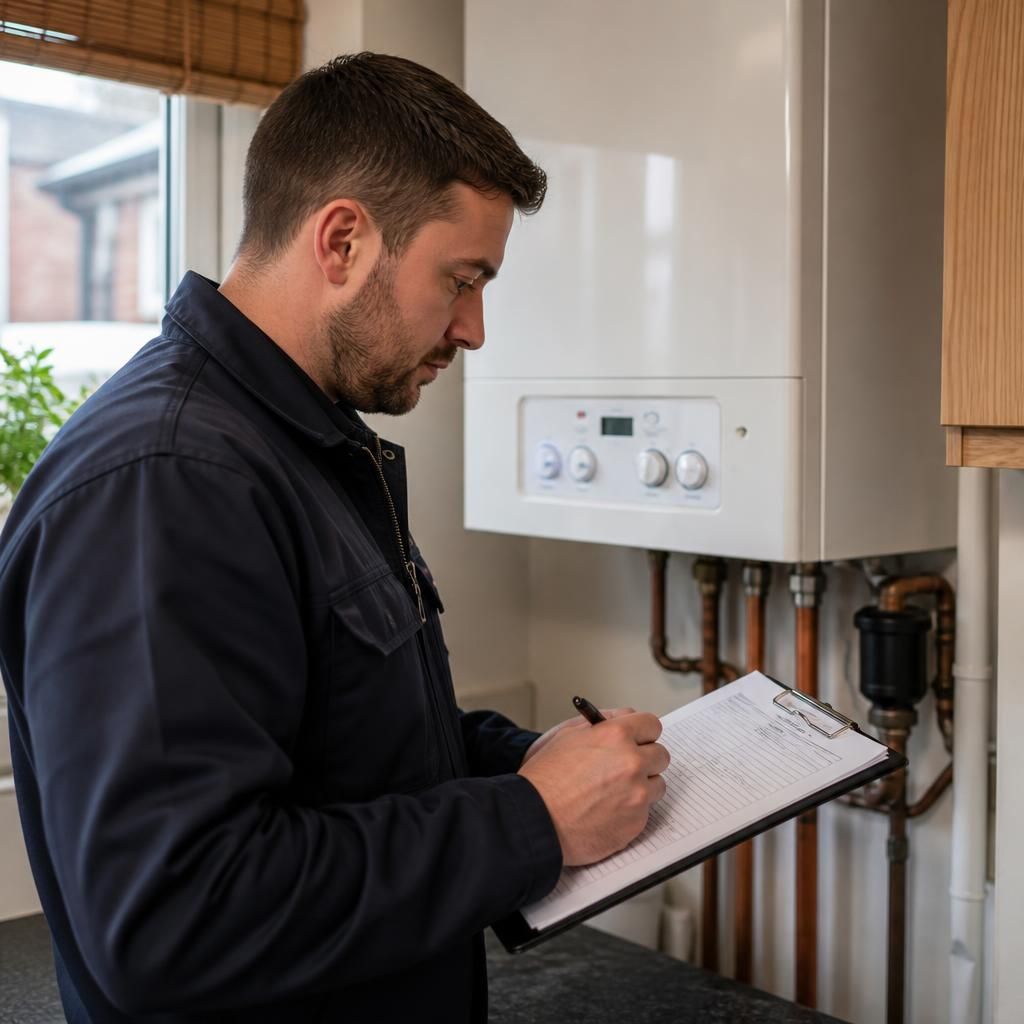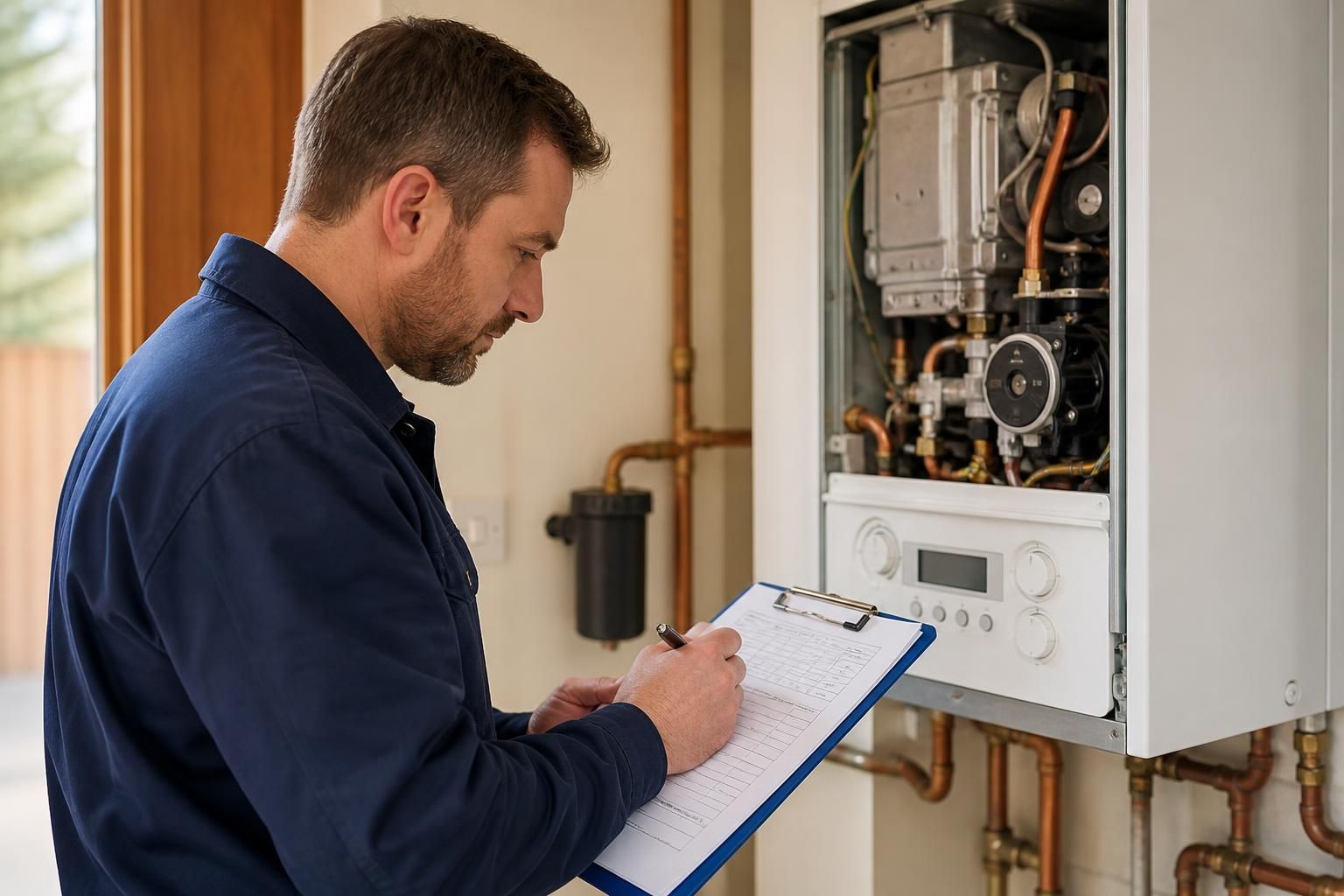
The paperwork you receive after boiler work should show what was done, confirm any relevant safety checks and provide a clear record for future servicing, warranty or property-related requirements. The documents required depend on whether the engineer carried out a repair, service, installation, replacement or gas safety inspection.
For a boiler installation or replacement, the documentation will normally be more extensive than for a minor repair. Check that the records identify the appliance, installation address, date of the work and the engineer or business responsible. Installation paperwork may include:
- a commissioning checklist confirming that the boiler was set up and tested correctly;
- details of flue and condensate arrangements, where relevant;
- the manufacturer’s installation or warranty information;
- confirmation that required safety and operational checks were completed; and
- building regulations compliance documentation or confirmation that the installation has been notified through the appropriate route.
Building regulations paperwork is particularly important after a replacement boiler has been fitted. In many cases, the installer notifies the work through an authorised competent person scheme, after which compliance documentation is issued to the property owner. If the document does not arrive, ask the installer to confirm how the installation was notified and which organisation is responsible for issuing the certificate.
After a service, the service record should make clear which checks were carried out and whether any faults, unsafe conditions or recommendations were identified. A simple statement that the boiler was “checked” may not provide enough useful information. Ideally, the record should include the appliance details, findings, any readings taken where relevant, safety concerns and whether remedial work was recommended.
Landlords should pay particular attention to the gas safety documentation required for rented property. A Gas Safety Record applies to relevant gas appliances and installations covered by the inspection. It should identify the property, appliances inspected, defects found, action taken and the engineer’s details, including their Gas Safe registration information. This record is distinct from a general boiler service record: a boiler may be serviced during the same visit, but the documents serve different purposes.
For repair work, useful paperwork should explain the fault identified, the repair performed and any limitations or follow-up recommendations. If the engineer has advised that a component is deteriorating, that the system requires further investigation or that the boiler remains uneconomical to repair, this should be recorded rather than left as a verbal comment. Keep written evidence of any work that was declined, postponed or dependent on another repair, as it can help explain later problems.
Check the documents before filing them away. The following details should be consistent:
- the property address and, where applicable, the boiler model and serial number;
- the date of inspection, service, repair or installation;
- the name and registration details of the engineer where a regulated gas-safety task was completed;
- the work undertaken and any parts or materials used;
- test results, defects, recommendations or safety warnings; and
- any warranty conditions, limitations or future maintenance requirements.
Keep the paperwork with other property records, preferably as both a paper copy and a clearly named digital scan. Homeowners may need it when selling, remortgaging, making a warranty claim or arranging future repairs. Landlords should retain the relevant gas safety records and provide tenants with the documents required by the applicable rental and gas-safety rules. Tenants should ask the landlord or managing agent for copies rather than assuming that a service receipt is sufficient.
If paperwork is missing, incomplete or contains an incorrect address, contact the engineer or business that carried out the work and request a corrected copy. Do not alter a safety certificate yourself. Where the document suggests an unsafe appliance, unresolved defect or failed check, stop using the appliance if advised to do so and arrange assessment by a suitably qualified Gas Safe registered engineer.