A suitably qualified boiler engineer in the UK should have the correct industry certificates for the fuel and appliances they work on, current registration where the law requires it, and evidence that they can apply that knowledge safely in domestic heating systems. The exact qualifications depend on whether the boiler uses natural gas, LPG, oil or electricity, and whether the work involves related equipment such as unvented hot-water cylinders.
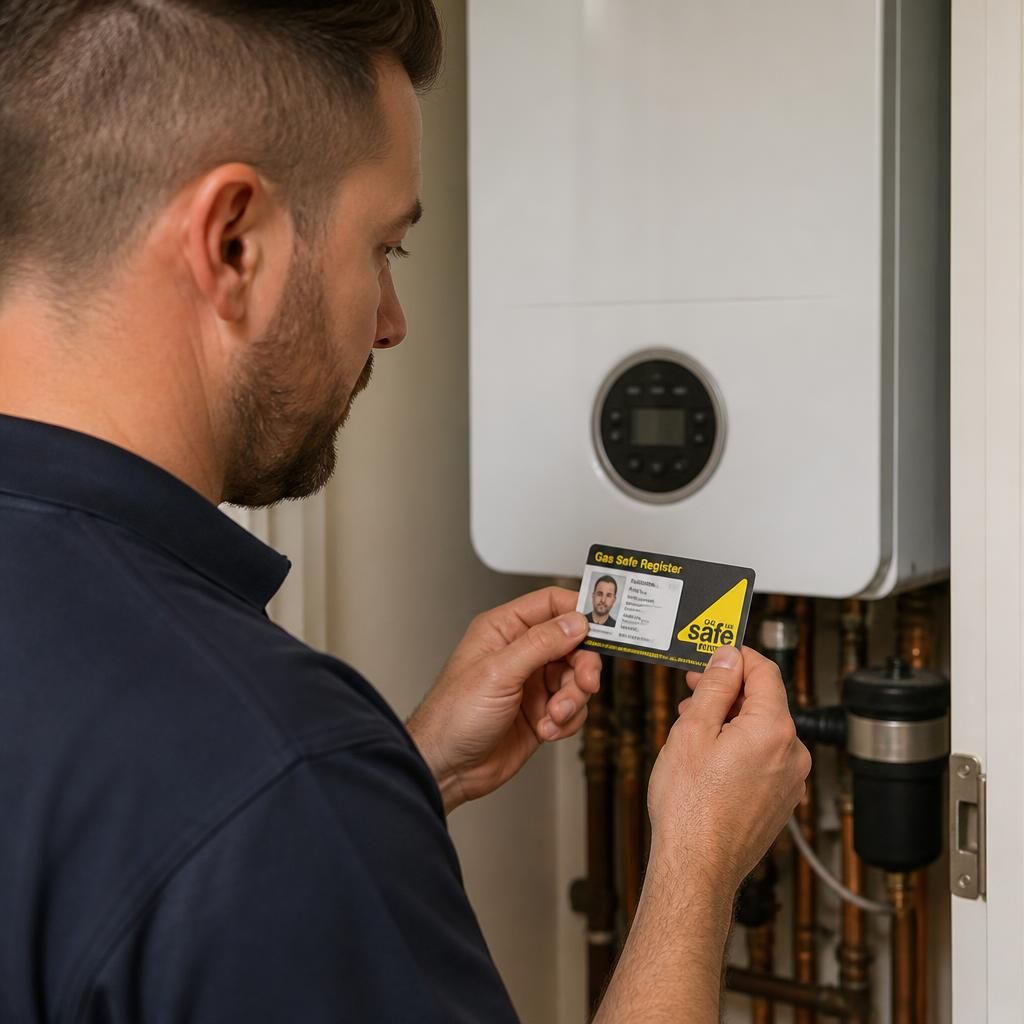
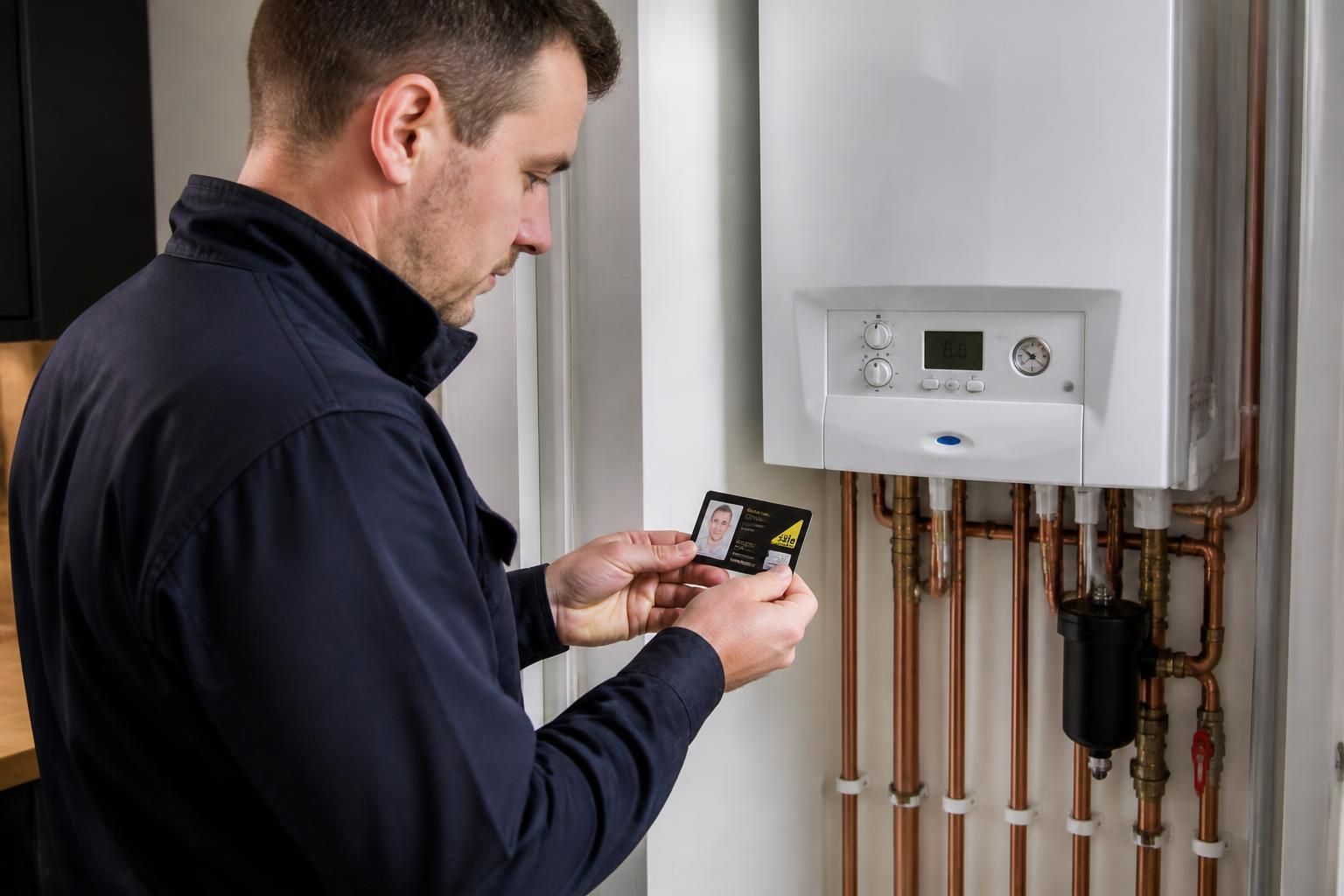
For gas boiler work, check the engineer’s Gas Safe credentials. Gas Safe registration is a legal requirement for anyone carrying out gas work as part of their job. The engineer should be able to provide a Gas Safe ID card, and the card should show the relevant competency categories rather than simply confirming registration. For a domestic gas boiler, this normally includes:
- Core gas safety competence: training covering combustion, gas pressures, ventilation, flue systems, unsafe situations and safe isolation.
- Domestic boiler competence: an appliance-specific category covering the type of boiler being installed, serviced, diagnosed or repaired.
- Relevant fuel competence: natural gas and LPG work require different competencies, so a qualification for one fuel should not be assumed to cover the other.
ACS certification is commonly used to demonstrate competence in gas work. However, an ACS certificate is not a blanket authorisation for every gas appliance or task. The categories must match the work being undertaken, and the engineer’s registration and qualifications should remain current. A customer can check the engineer and the permitted work using the details on the Gas Safe ID card.
A recognised training route is also useful evidence of technical preparation. Many boiler engineers enter the trade through an apprenticeship, college course or vocational qualification in plumbing, heating or gas engineering, followed by supervised practical experience and the assessments needed for gas registration. A particular college qualification is not the only valid route, but a credible engineer should be able to explain how they developed their practical skills and how they maintain them.
For engineers working on central-heating systems, useful additional knowledge includes:
- boiler controls, thermostats, programmers and heating-system wiring;
- system pressure, expansion, pumps, valves and circulation;
- open-vented and sealed central-heating arrangements;
- flue inspection, combustion performance and carbon-monoxide safety;
- fault-finding methods, including the use of diagnostic instruments;
- energy-efficiency requirements and the principles behind correct boiler sizing;
- the installation and maintenance requirements set out by the appliance manufacturer.
Some work requires an additional qualification or specialist competence. For example, installing or servicing an unvented hot-water cylinder generally requires the relevant unvented hot-water training, often referred to as G3. This is separate from a basic gas qualification. Work involving electrical supplies, controls or wiring should also be carried out by someone competent for the electrical task, with the appropriate inspection and testing knowledge where required.
Oil and solid-fuel boilers have different qualification routes. Gas Safe registration does not qualify someone to work on an oil-fired boiler. An oil engineer should hold suitable oil-heating competence, while work on solid-fuel appliances may require specialist training covering combustion, flues, chimneys and associated safety risks. For an electric boiler, the engineer should understand both the heating system and the relevant electrical installation requirements.
Qualifications are only one part of assessing competence. Before instructing an engineer, ask whether they have experience with the particular boiler type and fault, whether they are authorised to complete the planned work, and whether they will follow current safety and building-regulation requirements. A competent engineer should carry out appropriate checks rather than relying solely on the boiler’s reported symptoms.
For servicing and repairs, this includes inspecting the appliance and flue, checking combustion and safety controls where applicable, identifying unsafe conditions and explaining any remedial work. For installation or replacement, it also includes assessing the property, sizing the system appropriately, checking ventilation and condensate arrangements, and commissioning the appliance in accordance with its instructions.
Do not treat a trade title, years in the industry or a general plumbing qualification as proof that someone is qualified for gas boiler work. The most relevant checks are the engineer’s current registration, the specific categories shown on their ID card, qualifications for any additional systems involved and their ability to explain the proposed work clearly. These checks help distinguish general plumbing experience from the specialist competence required for safe boiler installation, servicing and repair.