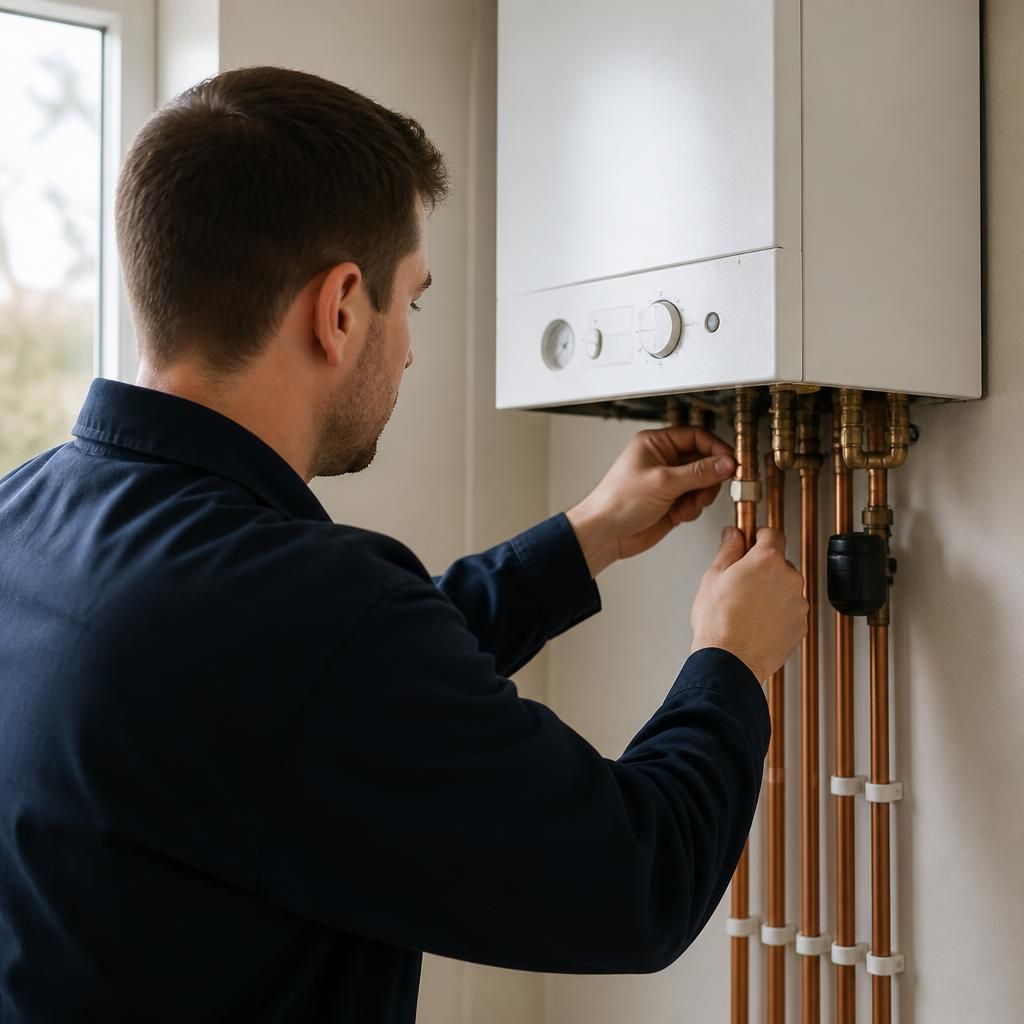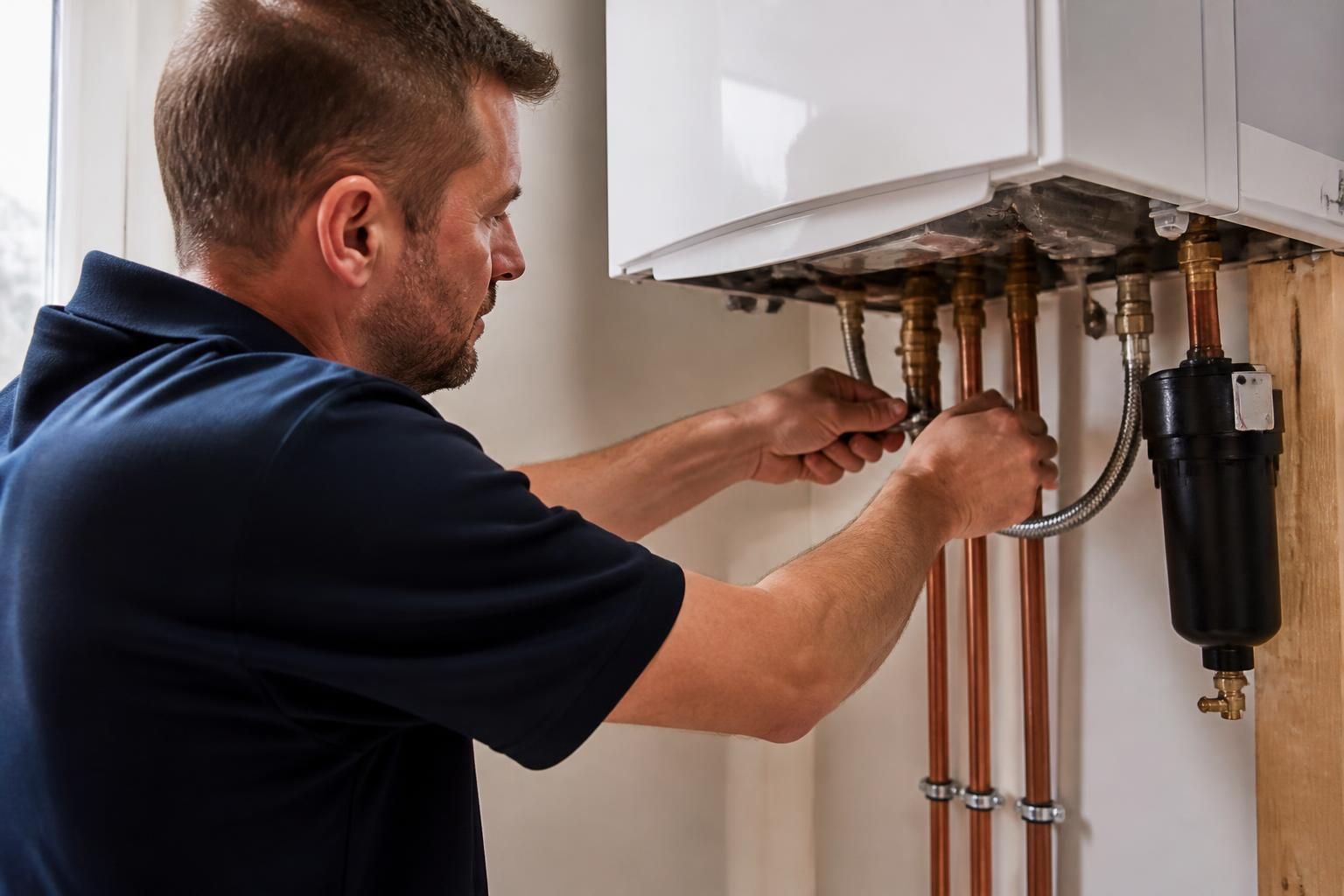
Domestic boiler installation is usually a contained process, but the level of disruption depends on the replacement boiler, its position and the condition of the existing heating system. A straightforward like-for-like replacement can involve limited work in one area, while relocating the boiler or altering associated pipework may affect several parts of the property.
The main inconvenience is that the heating and hot water system must be isolated during key stages of the installation. This means radiators, taps and other connected appliances may not be usable while the old boiler is disconnected, the new system is fitted and the installation is tested. The installer should explain which services will be unavailable and when they are expected to be restored.
Installation commonly involves the following stages:
- Protecting nearby floors, worktops and furniture before work begins.
- Isolating the boiler, fuel supply, water connections and heating circuit as appropriate.
- Removing the existing boiler and preparing the mounting area.
- Connecting the replacement boiler to the heating, hot water, electrical and condensate systems.
- Checking the flue and ventilation arrangements where relevant.
- Filling, flushing or balancing parts of the system when required.
- Testing the boiler, controls and safety devices before explaining their operation.
Most mess is associated with removing the old appliance, drilling for brackets or pipework, and making connections. Protective coverings can reduce dust and marks, but some minor debris or noise is unavoidable. Ask what protection will be used and whether the installer will remove the old boiler and clear waste at the end of the work.
The boiler location has a significant effect on disruption. Keeping the replacement in the same position may avoid extensive building work. Moving it to a cupboard, loft, utility room or another floor can require new pipe routes, electrical connections, condensate drainage and flue arrangements. Access panels, boxing-in or small sections of flooring and wall may also need to be opened. Any proposed changes should be identified before installation so that you understand the work involved and how surfaces will be left afterwards.
The condition of the existing system can also change the scope. Corroded pipework, unsuitable controls, restricted access or radiators that need attention may be identified during the assessment. In some cases, the installer may recommend additional work to support safe and effective operation. This should be discussed and agreed before extra work is carried out.
To reduce disruption, clear the area around the boiler and provide access to relevant radiators, controls, pipework and the electrical isolation point. Remove valuables and fragile items from nearby surfaces, keep children and pets away from the work area, and make arrangements for anyone who may be affected by noise or temporary loss of heating and hot water. If the boiler is in a cupboard, emptying it beforehand can prevent delays.
After fitting, the engineer should check for leaks, confirm that the system reaches the required pressure, test the heating and hot water controls, and verify that safety functions operate correctly. You should receive instructions for normal operation and be told about any maintenance requirements. The installation area should be left safe and reasonably tidy, although minor making-good may be needed where the new arrangement differs from the old one.
Before agreeing to the work, ask for a clear explanation of the planned boiler position, any changes to pipework or the flue, which rooms will need access, what services will be interrupted, and whether decorating or repairs are included. A proper site assessment gives a more accurate indication of the likely disruption than the boiler model alone. Ideal Plumbing Services can assess domestic boiler replacement requirements for homeowners, landlords and tenants in Birmingham and the wider West Midlands, including the practical work needed around the installation.