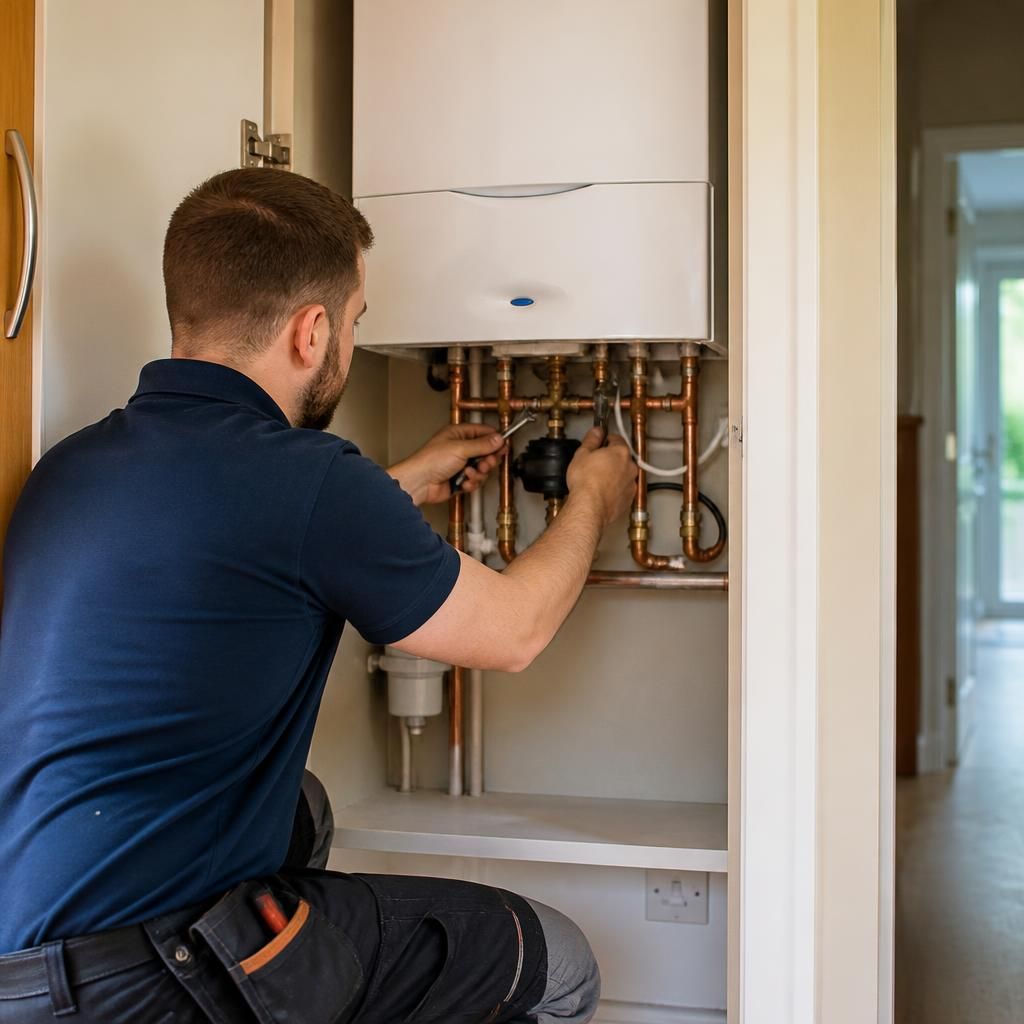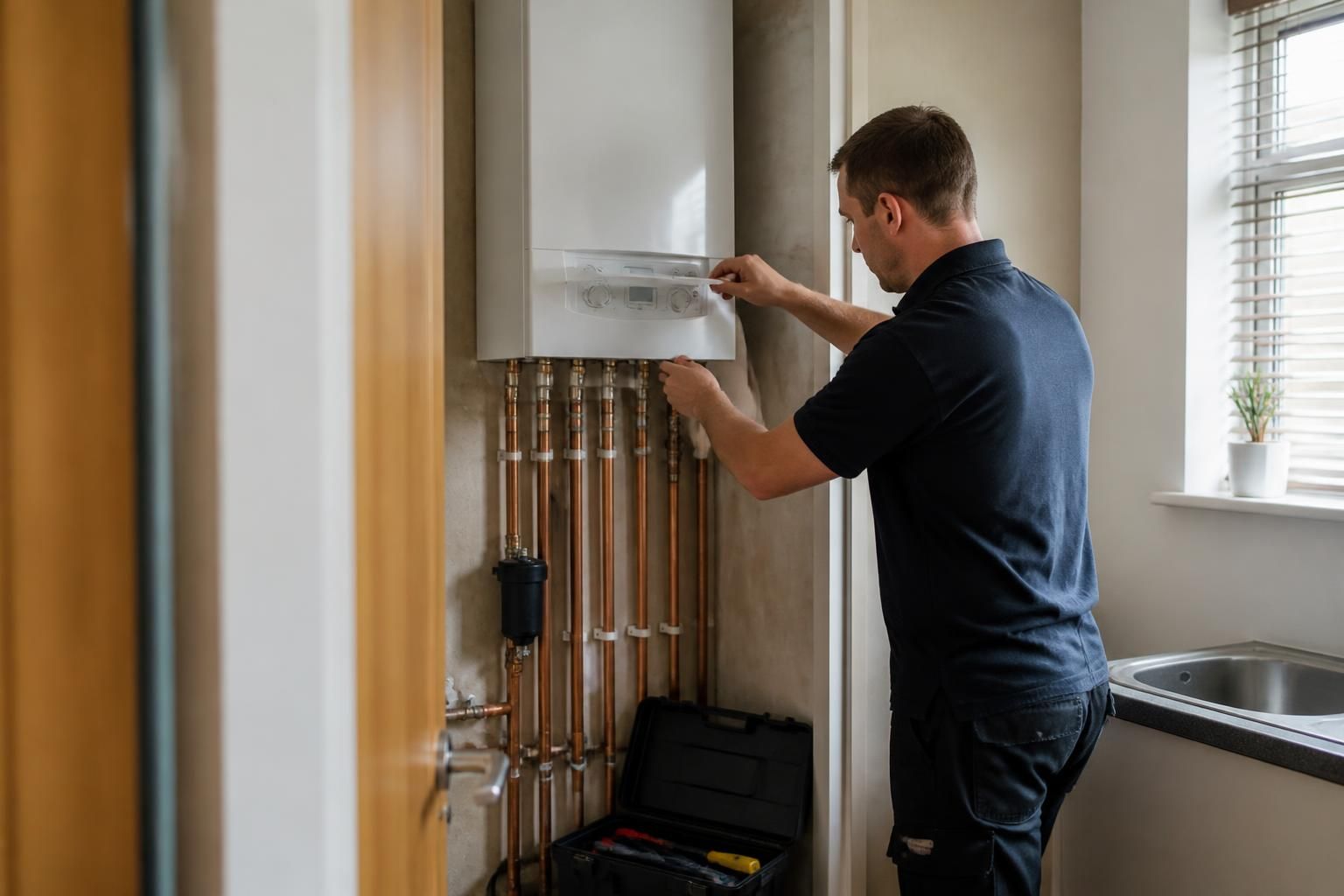
Preparing your home for domestic boiler installation involves confirming the work requirements, arranging any necessary permissions, protecting the property and making essential household services accessible. Good preparation also means agreeing what is included in the installation, so there are fewer decisions to make while the work is under way.
Confirm the installation scope beforehand. Ask the installer to explain whether the work is a like-for-like replacement or whether it involves changes to the flue, condensate pipe, heating controls, pipework, radiators or hot-water cylinder. Check that the quotation states whether commissioning, removal of the old boiler, disposal of waste, certification and any necessary remedial work are included. If the installer identifies an issue during the survey, such as unsuitable pipework or inadequate ventilation, have the proposed solution and cost explained before work begins.
Check permissions and property requirements. Homeowners should ask whether any building control notification or other compliance arrangements will be handled by the installer. If the property is rented, obtain the landlord’s approval before authorising the work. Leaseholders may also need to check their agreement for restrictions affecting external flues, communal areas or alterations to the building. In older properties, tell the installer about any suspected asbestos-containing materials or unusual construction; these should not be disturbed without appropriate assessment.
Make household services accessible. The installer may need to isolate the gas, electricity or water supply during the work. Make sure the stop tap, electrical consumer unit and relevant isolation points can be reached, and mention any known problem such as a stiff stop tap or inaccessible isolation valve. This allows the installer to identify potential complications before starting rather than discovering them during removal.
Protect the rest of the property. Boiler replacement can involve carrying equipment, disconnecting pipework and handling water from the heating system. Use suitable protective coverings on floors and nearby surfaces, particularly where flooring is vulnerable to dirt or moisture. Keep children and pets away from the work area, and arrange for anyone who needs uninterrupted access to the room to use another part of the home while the installation is taking place.
Prepare for temporary interruptions. Discuss when heating and hot water will be unavailable and plan around that interruption. If household members work from home, have mobility needs or rely on electrically powered equipment, raise this before the installation date so the practical arrangements are clear. Do not attempt to disconnect the boiler or alter gas, electrical or water connections yourself; these tasks require the appropriate competent professional.
Discuss system condition and efficiency options. Ask whether the existing heating system needs cleaning, flushing or balancing, and whether a filter, replacement valves or upgraded controls would be appropriate. These measures are not automatically required for every installation, but the condition of the pipework, radiators and water in the system can affect the suitability of the replacement boiler. Any recommended additional work should be explained separately from the basic installation.
Keep useful documents available. Have any service records, previous repair details, installation paperwork and information about recurring faults ready for the installer. Although these documents do not replace a professional assessment, they can help explain the system’s history and highlight issues such as pressure loss, repeated lockouts or noisy operation.
After the boiler has been fitted, the installer should commission it, check its operation and explain the controls, pressure requirements and user instructions. Ask for the relevant compliance documentation and confirmation of any registration or warranty process. It is also sensible to check that the home has a suitable carbon monoxide alarm in the appropriate location and to understand what to do if the boiler displays a fault code.