Tenants may contact a plumber about a boiler fault, but arranging and paying for the repair themselves can create a dispute about responsibility. The safer approach is to notify the landlord or letting agent in writing, describe the fault clearly, and obtain approval before instructing a contractor unless there is an immediate safety risk.
In most rented properties, the landlord is responsible for maintaining the fixed heating and hot-water installation, provided the fault has not been caused by the tenant’s misuse or damage. The tenancy agreement may explain how faults must be reported, which contact details to use, and whether the landlord has a nominated contractor. Check these terms before booking an engineer.
Before arranging a repair, a tenant should:
- Report the fault to the landlord or agent using the agreed method, such as email, an online repair portal or a repairs telephone number.
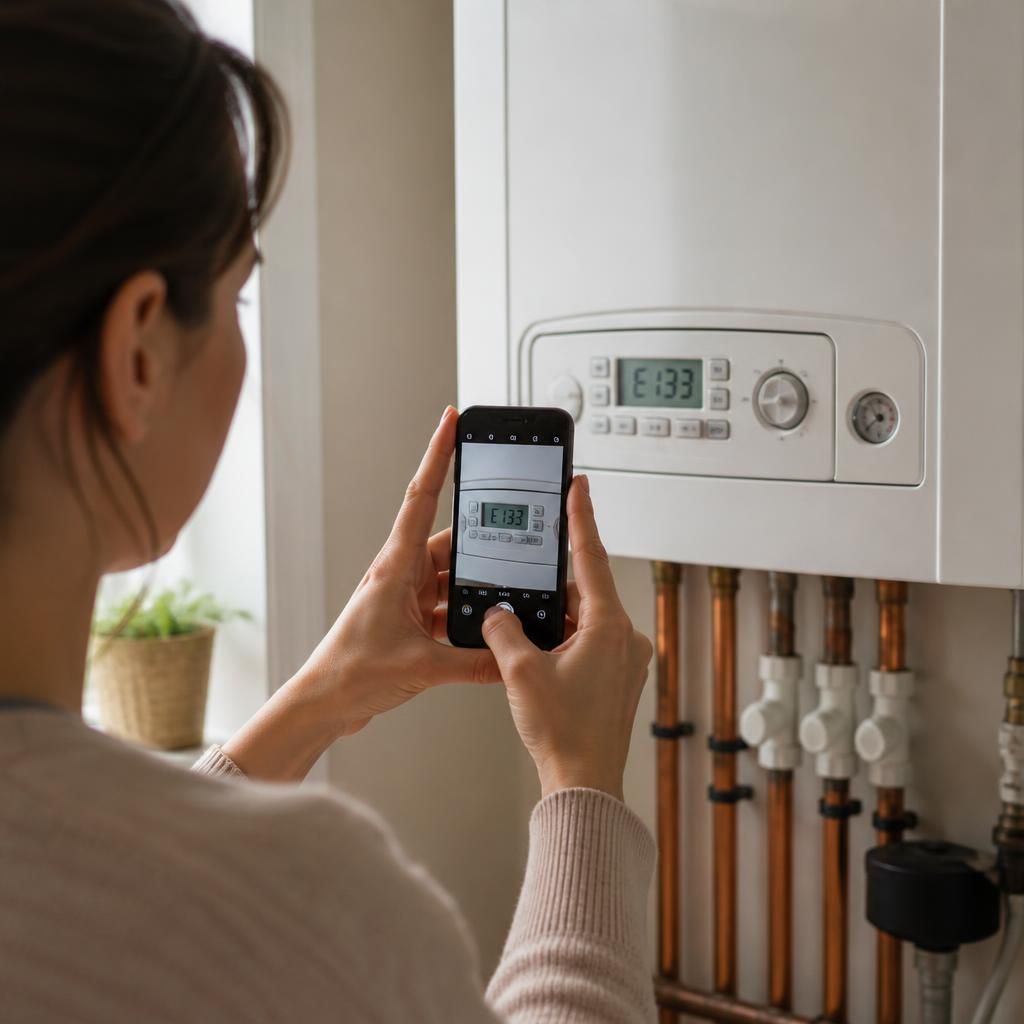
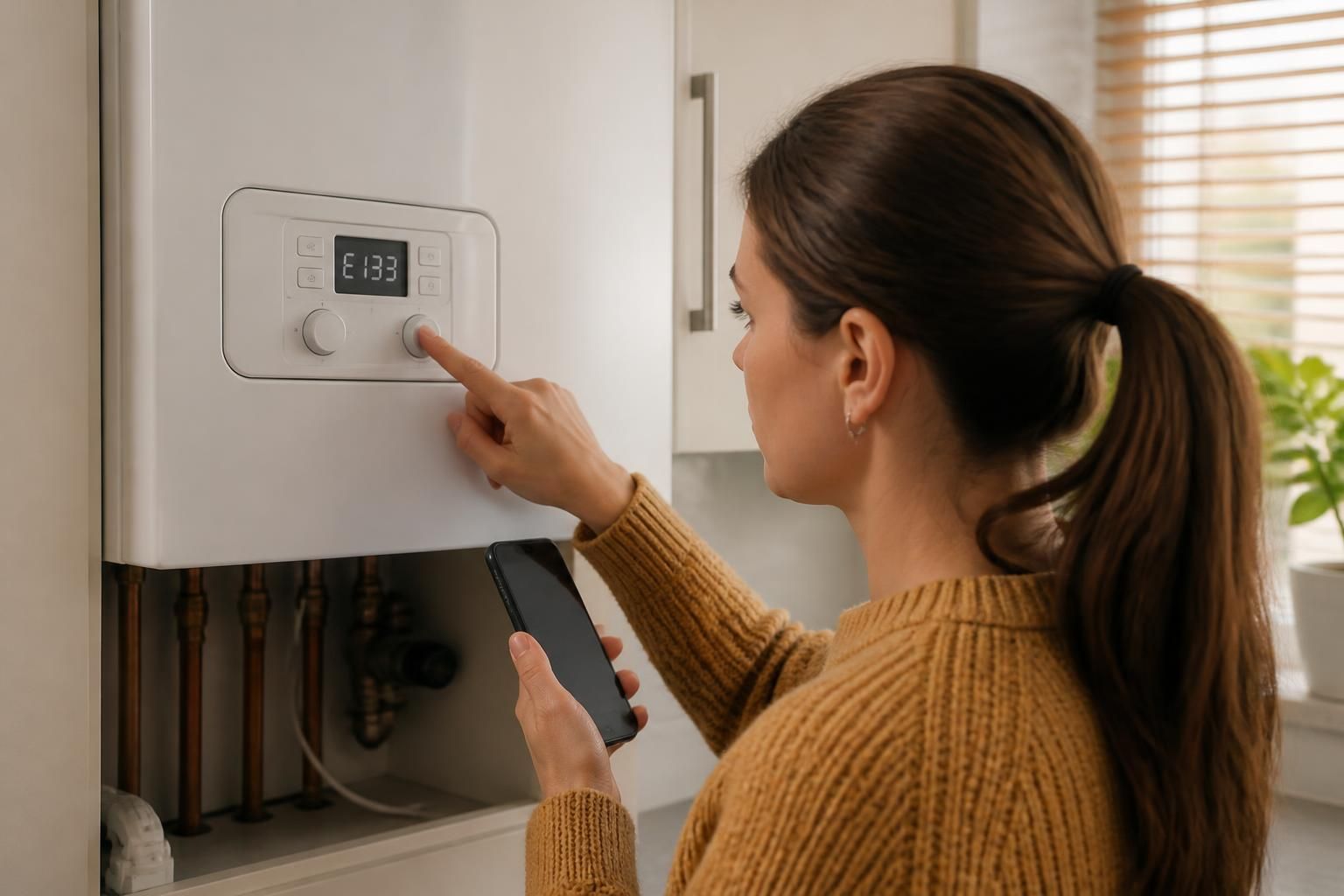
- Record when the problem started and what the boiler is doing, including any displayed fault code, unusual noise, leaking water or loss of heating and hot water.
- Send photographs or a short video where this helps explain the problem, without removing the boiler casing or attempting an unsafe repair.
- Ask for written confirmation of whether the landlord wants to appoint the contractor or authorises the tenant to do so.
- Confirm who will pay the diagnostic charge, labour and parts, and whether any spending limit applies.
A tenant who books an engineer without agreement may have to pay the invoice even if the fault would normally be the landlord’s responsibility. Reimbursement is not automatic. Keep the landlord’s messages, appointment details, engineer’s report and itemised invoice if direct instruction has been authorised.
If the landlord or agent does not deal with the report, send a further written notice referring to the earlier contact and explaining the effect on the property. Tenants should keep evidence of reasonable attempts to obtain a repair. Depending on the circumstances and the tenancy terms, further options may include contacting the local authority’s housing team or seeking independent housing advice. Rent should not normally be withheld or reduced without proper legal advice.
Safety takes priority over permission. If there is a suspected gas leak, a carbon monoxide concern, scorching, smoke or another immediate danger, do not use the boiler. Avoid naked flames and electrical switches where relevant, leave the property if necessary and contact the appropriate emergency service or a suitably qualified engineer. Gas-related work must be carried out by an engineer who is legally qualified for that type of appliance. A tenant should not remove the boiler cover, interfere with combustion components or try to reset a fault repeatedly.
For a non-dangerous fault, a plumber or heating engineer can inspect the system, identify whether the issue is with the boiler, controls, pressure, pipework or another part of the installation, and explain the required repair. A tenant can request a written diagnosis, but should make clear whether the visit is an inspection only or whether the contractor has authority to carry out work.
Where the landlord has approved direct booking, ask the engineer to address the report and invoice to the agreed party. If the landlord has not approved the work, request a written estimate first and avoid authorising additional repairs beyond the agreed scope. This reduces the risk of unexpected charges and makes it easier to establish what was done.
For tenants in Birmingham and across the West Midlands, a local plumbing and heating service can provide fault assessment and repair support, subject to the landlord’s instructions and the appliance requirements. The key point is to establish authorisation and payment responsibility before work begins, while treating any suspected gas or carbon monoxide danger as a safety matter rather than an ordinary repair request.