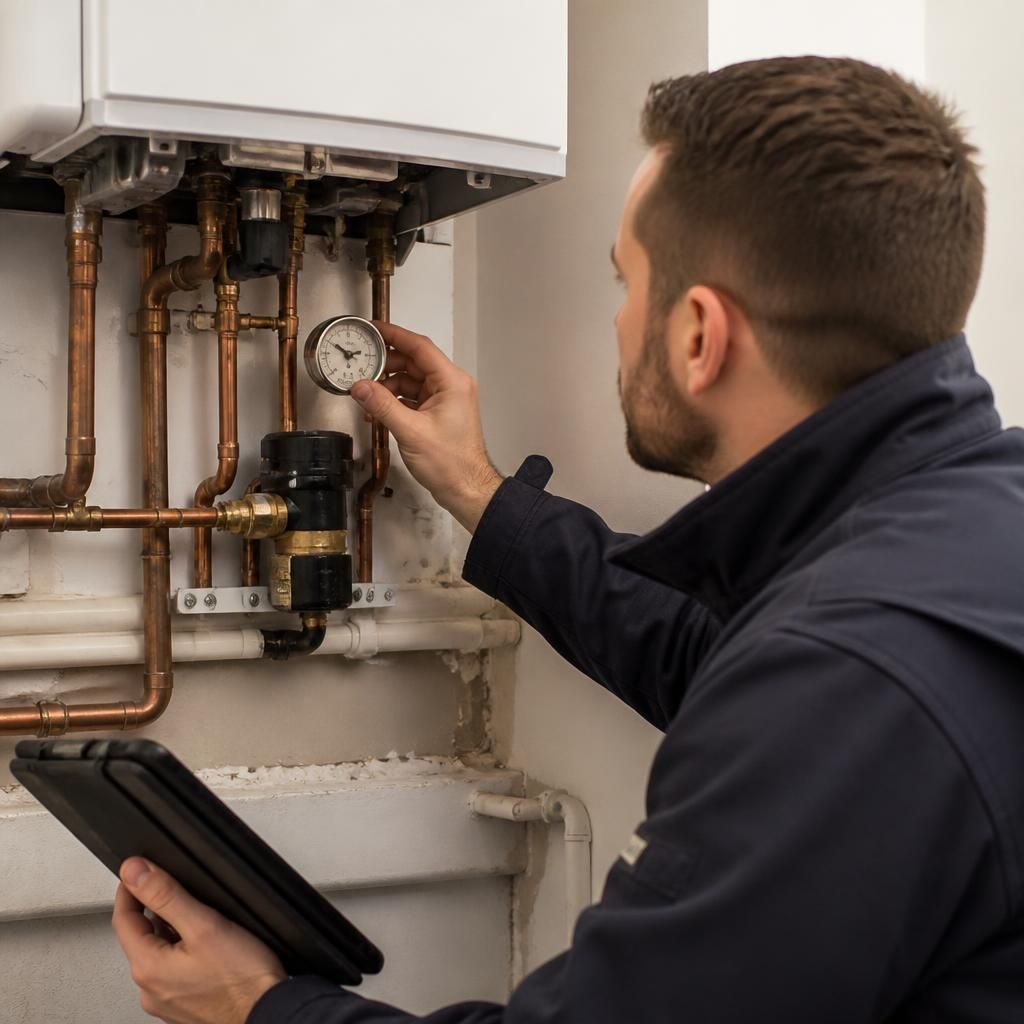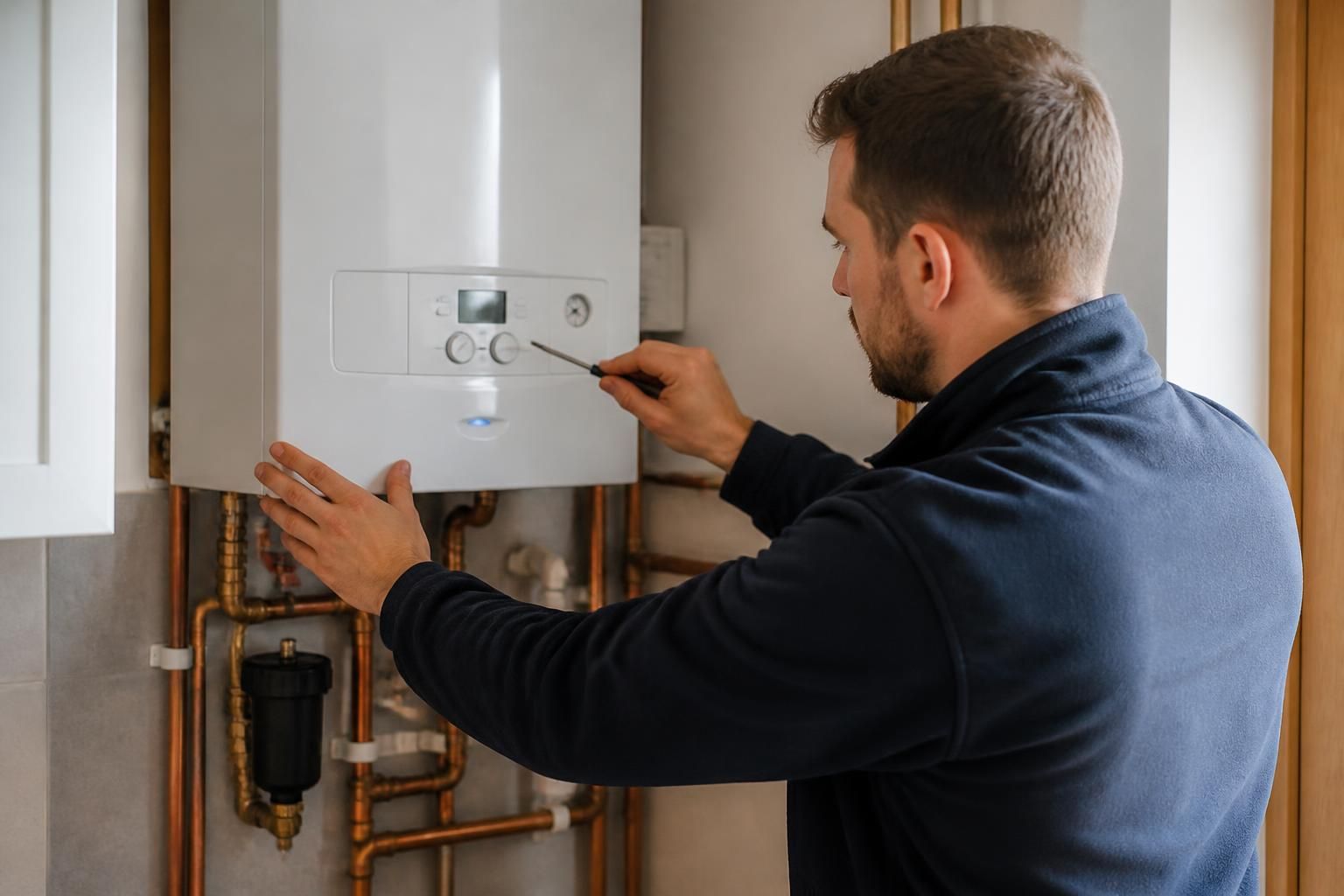
The cost of a domestic boiler replacement is determined by the specification needed for the property and the work required to install it correctly, rather than by the boiler itself. A suitable assessment considers heating and hot-water demand, the existing installation, access, compliance requirements and the condition of connected components before a reliable quotation is prepared.
Boiler type and sizing
Different boiler arrangements involve different installation requirements. A combi boiler may be appropriate where hot water is required directly from the boiler, while a system or regular boiler may better suit a property with higher simultaneous demand, stored hot water or an existing arrangement that the household wants to retain. The required output also matters. An incorrectly sized boiler can affect efficiency and performance, so the specification should be based on the property’s heat loss and hot-water needs rather than choosing the largest available option.
The selected model may also vary in price according to its controls, efficiency, warranty terms, physical dimensions and compatibility with the rest of the heating system. These differences should be considered alongside the installation work, not in isolation.
The position of the new boiler
Keeping the boiler in the same position can simplify some replacements, but it does not automatically make every installation straightforward. The installer may need to check the surrounding clearance, support, ventilation, condensate route and the path taken by the flue. Moving the boiler to another room or cupboard can involve additional pipework, alterations to the flue, structural work and making good surfaces after installation.
Access also affects the work involved. A boiler in a loft, confined cupboard or difficult-to-reach area may require more preparation than one located in an open utility space. The condition of the access route and the space available to handle equipment can therefore be relevant when assessing the total price.
Heating controls and safety components
A replacement may highlight the need for compatible controls, thermostats, valves or other safety components. If existing controls are outdated or unsuitable for the new boiler, replacing them at the same time can help the system operate as intended. The quotation should make clear whether these items are included or priced separately.
Some installations also include system protection measures, such as a filter or replacement valves, where these are appropriate to the system’s design and condition. These are not automatically required in every property, so they should be explained rather than added without a clear reason.
Condition of the existing heating system
The boiler is connected to radiators, pipework, pumps, valves and other equipment. If the system contains sludge, has persistent leaks, or includes worn components, the replacement may uncover remedial work that is separate from fitting the new boiler. In some cases, cleaning or repairing the system is necessary to protect the new equipment; in others, the existing components can remain in use.
Radiators do not normally need replacing simply because the boiler is being changed. They may need attention if they are damaged, corroded, incorrectly sized or unable to provide the required heat. A proper assessment should distinguish between essential work, recommended improvements and optional upgrades.
Installation, testing and completion work
Labour includes more than removing one appliance and connecting another. It can include isolating the existing system, preparing the installation, fitting the boiler and controls, testing operation, checking for leaks, commissioning the appliance and explaining its use. The final price may also reflect removal and disposal of the old boiler, replacement of small fittings and any plastering, boxing-in or surface repairs needed after alterations.
Where the installation involves gas or other regulated services, it must be completed and checked in line with the relevant safety and building requirements. Documentation and commissioning information should be provided as part of a professionally completed replacement. Ask for these details when comparing quotations, as a lower headline price may exclude important completion work.
How to compare quotations
- Check the exact boiler type, output and controls being proposed.
- Confirm whether removal and disposal of the existing boiler are included.
- Ask whether changes to pipework, the flue, condensate drainage or system components are allowed for.
- Check what testing, commissioning, documentation and aftercare are included.
- Look for any exclusions, provisional items or conditions that could alter the final charge.
- Make sure the quotation reflects the actual property rather than being based only on a description over the telephone.
An assessment is particularly important where the boiler is being relocated, the property has more than one bathroom, the heating system is older, or there are signs of leaks and poor circulation. Ideal Plumbing Services provides domestic boiler replacement assessments for homeowners, landlords and tenants across Birmingham and the wider West Midlands, helping identify the work needed before a quotation is prepared.