After an emergency boiler replacement is approved, the work progresses through a defined process: the installation details are checked, the property is prepared, the old boiler is removed, and the new system is installed, commissioned and documented. Any issue that changes the agreed scope should be explained before additional work is carried out.
1. The installation requirements are reviewed
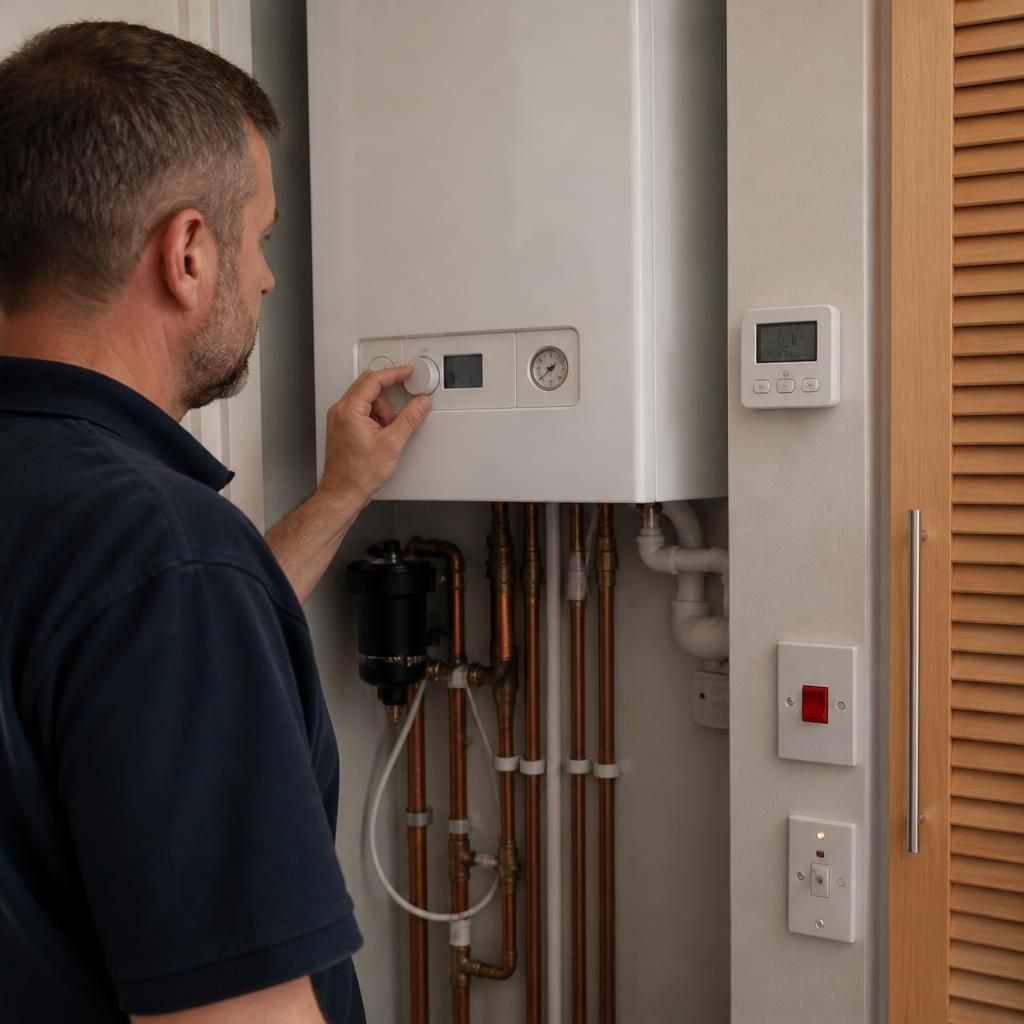
Before work begins, the engineer confirms the boiler position, flue route, condensate connection, pipework, controls and available access. This helps identify whether the replacement can use the existing connections or whether parts of the system need adapting. The heating system type is also considered, as a combi, system or regular boiler has different installation requirements.
The condition of related components may be assessed at this stage. For example, isolation valves, system filters, expansion vessels, pumps, radiators and controls can affect how the replacement operates. If a separate repair or upgrade is advisable, it should be distinguished from the essential replacement so you can make an informed decision.
2. The property is prepared
The work area is protected before removal and installation starts. The engineer may need access to the boiler, nearby pipework, the flue termination and controls around the property. Furniture or stored items may need to be moved to create safe working space, particularly where the boiler is installed in a cupboard, loft or confined utility area.
Water, gas and electrical supplies are isolated as necessary during the work. This prevents the old appliance from operating while it is being disconnected and allows the new connections to be made safely. If the replacement involves changes to pipework or drainage, the affected sections are drained and managed as part of the installation.
3. The existing boiler is removed
The old boiler is disconnected from its services and taken out of position. Associated components that are no longer required are removed where they form part of the agreed work. The engineer then checks the exposed connections and surrounding area for defects that could affect the new installation.
Removal can reveal issues that were not visible while the original appliance was in place, such as deteriorated pipework, unsuitable flue arrangements or damaged supports. These findings should be explained clearly. Work outside the approved scope should not be assumed to be included, and any extra charge should be agreed before it is undertaken.
4. The new boiler and components are installed
The replacement boiler is secured in the approved position and connected to the heating, hot-water, gas, electrical and condensate systems as applicable. The flue is fitted and sealed correctly, while pipework is supported and protected from unnecessary strain. New controls may also be installed or connected if they are included in the agreed specification.
Where the system requires it, the engineer may clean, flush, refill or treat the heating circuit. The system is then brought back to the correct operating pressure and checked for leaks. These steps are important because contaminated water, trapped air or poor pressure can affect circulation and reduce the reliability of the installation.
5. Safety and performance checks are completed
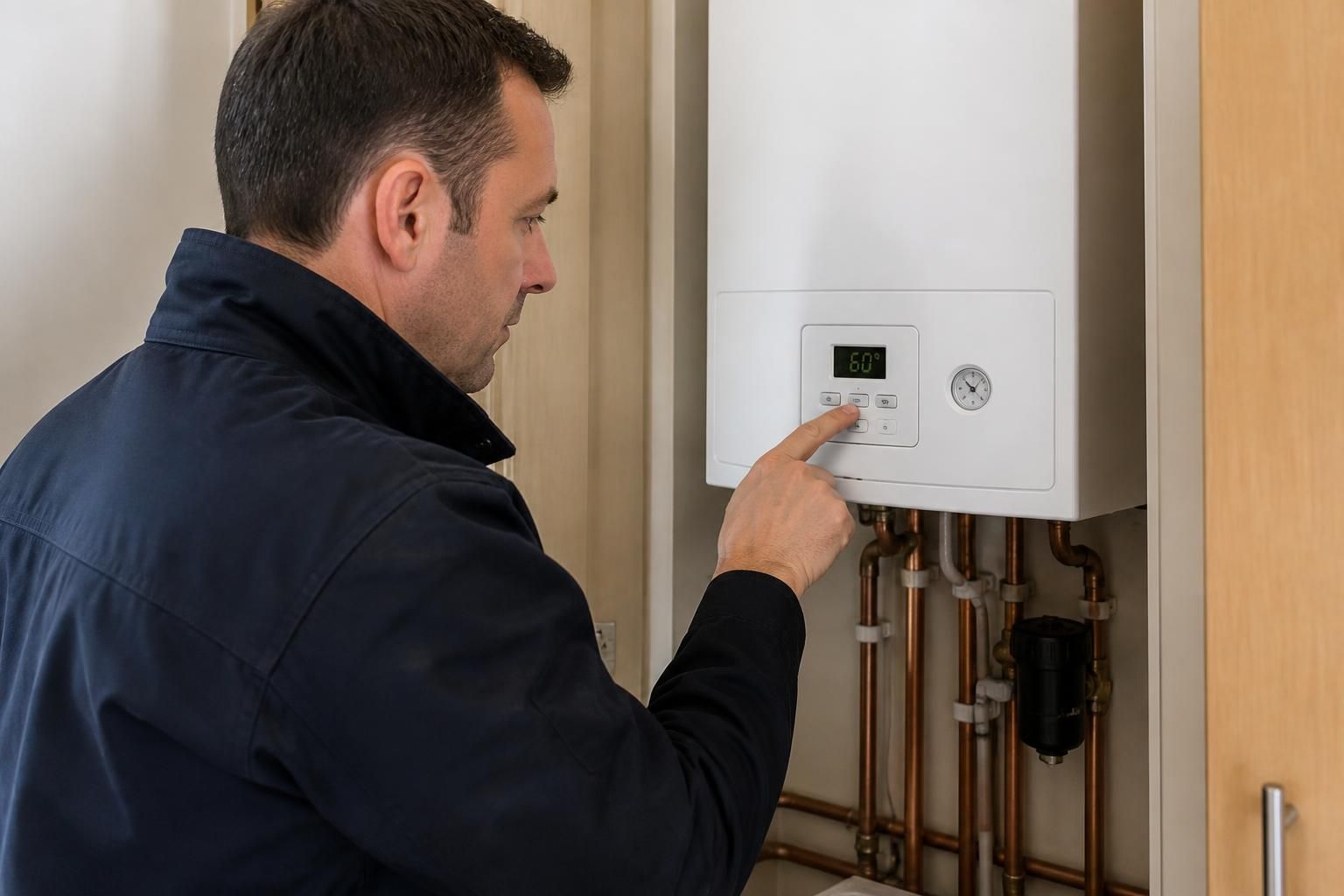
Commissioning involves more than switching the boiler on. The engineer checks the appliance, flue, gas connections, condensate route, electrical connections and controls. Safety devices are tested, the system is operated through relevant heating and hot-water functions, and the installation is checked for correct combustion and safe operation where applicable.
The engineer also checks that radiators heat as expected, hot water is being produced correctly and the controls respond properly. Any faults identified during these checks should be corrected before the installation is treated as complete. A boiler that starts up but has not been properly commissioned should not be considered ready for normal use.
6. Records and handover information are provided
Once commissioning is complete, you should receive the relevant installation and commissioning information. This can include appliance details, operating instructions, servicing guidance and records needed for future maintenance. Keep these documents in an accessible place, especially if you are a landlord or may sell the property later.
The engineer should explain the basic controls, including how to select heating and hot water, adjust the temperature, use timers or thermostats and check system pressure. You should also be told what to do if a warning light, fault code or pressure problem appears. Understanding these basic functions reduces the risk of calling for assistance because of an unfamiliar control setting.
7. The installation area is left ready for use
Packaging, removed components and installation waste should be cleared in line with the agreed service. The engineer should identify any areas that need to remain accessible, such as the boiler controls, isolation valves, pressure gauge or condensate pipe. If boxing-in or decorative making-good was not part of the approval, this should be made clear rather than assumed.
Future maintenance requirements should also be explained. A new boiler still needs appropriate servicing and sensible operation, and the rest of the heating system may require attention independently of the appliance. Problems such as cold radiators, repeated pressure loss or unusual noises should be investigated rather than ignored.
Ideal Plumbing Services supports residential customers across Birmingham and the wider West Midlands with boiler replacement and related plumbing and heating work. With more than 20 years’ experience, the focus is on clear explanations, precise installation and transparent charges, including no hidden charges. A satisfaction guarantee and positive customer reviews provide additional reassurance, but the most important evidence of a properly completed replacement is the installation record, safe commissioning and a clear handover.