Arranging an emergency boiler replacement usually requires information that allows the engineer to confirm the property’s heating requirements, assess installation conditions and identify any practical or legal considerations before recommending suitable work. Alongside the fault information already available, it helps to provide details about the heating system, the property, access and any relevant paperwork.
Useful information includes:
- Boiler and heating system type: say whether the property has a combi, system or regular boiler, if known, and whether it supplies radiators, underfloor heating, hot-water cylinders or other equipment.
- Property characteristics: explain the approximate size of the home, the number of bedrooms and bathrooms, and whether there are any unusual heating or hot-water demands. This helps determine the appropriate replacement capacity rather than simply matching the old appliance.
- Installation location: describe where the boiler is installed, such as a kitchen cupboard, airing cupboard, utility room, loft or garage. Mention whether the proposed replacement may need to remain in the same position or whether you are considering relocation.
- Flue and condensate arrangements: if you know where the flue exits the property or where the condensate pipe runs, provide that information. Access to external walls, drainage and ventilation can affect the work required.
- Access arrangements: explain how the engineer can reach the boiler and any related equipment, including communal entrances, locked gates, parking restrictions, stairs or other limitations. If the property is rented, confirm who can authorise access and the work.
- Relevant documents: have installation records, service documents, warranty details, previous inspection reports or landlord maintenance records available if they exist. These may clarify the system’s history and any earlier recommendations.
- Previous alterations: mention extensions, room conversions, changes to radiators, insulation improvements or earlier heating modifications. Such changes can affect heat demand and the suitability of the existing pipework or controls.
- Preferred requirements: explain whether priorities include restoring hot water, maintaining particular rooms at a set temperature, retaining existing controls or improving efficiency. These preferences help distinguish essential replacement work from optional upgrades.
It is also important to confirm who owns the boiler and who is responsible for approving the replacement. A homeowner can normally make that decision directly, while a tenant may need the landlord or managing agent to authorise the work. Providing the correct decision-maker’s details can prevent uncertainty over quotations, installation choices and payment.
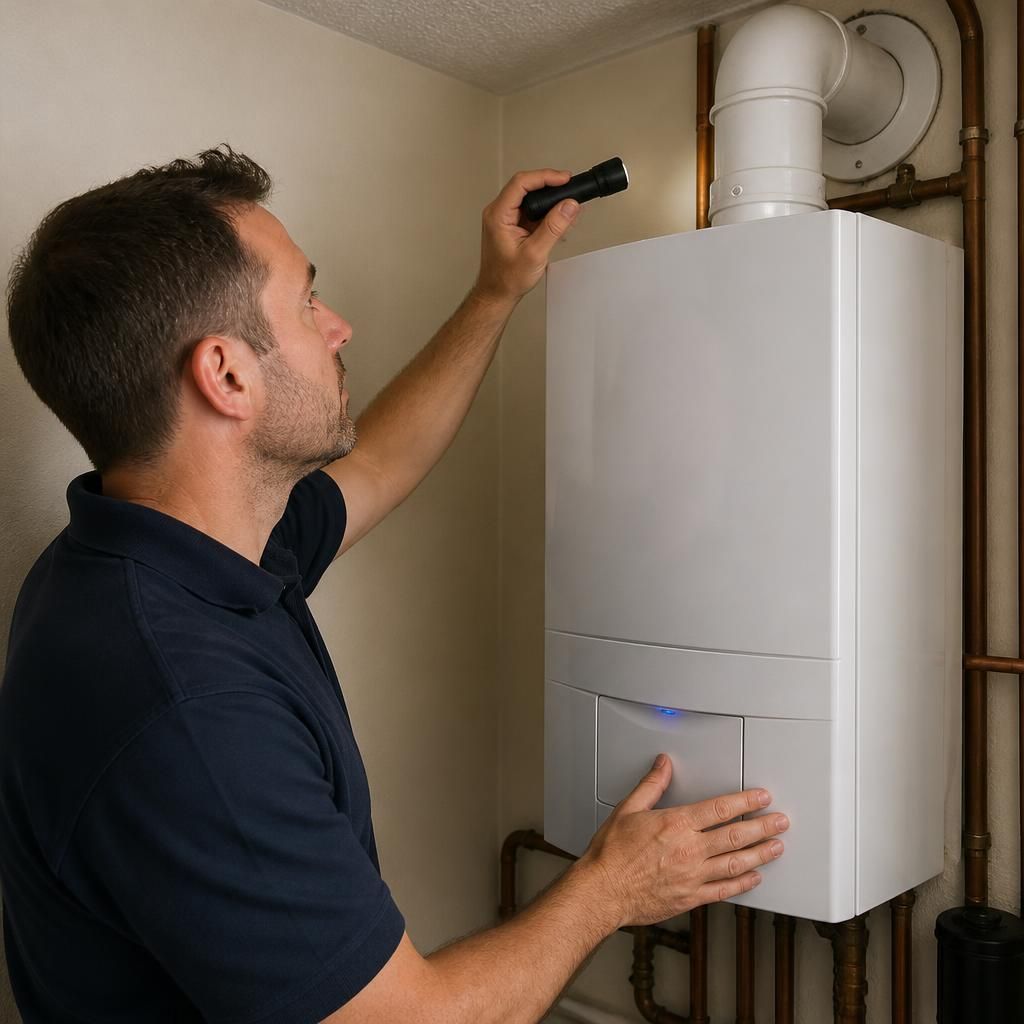
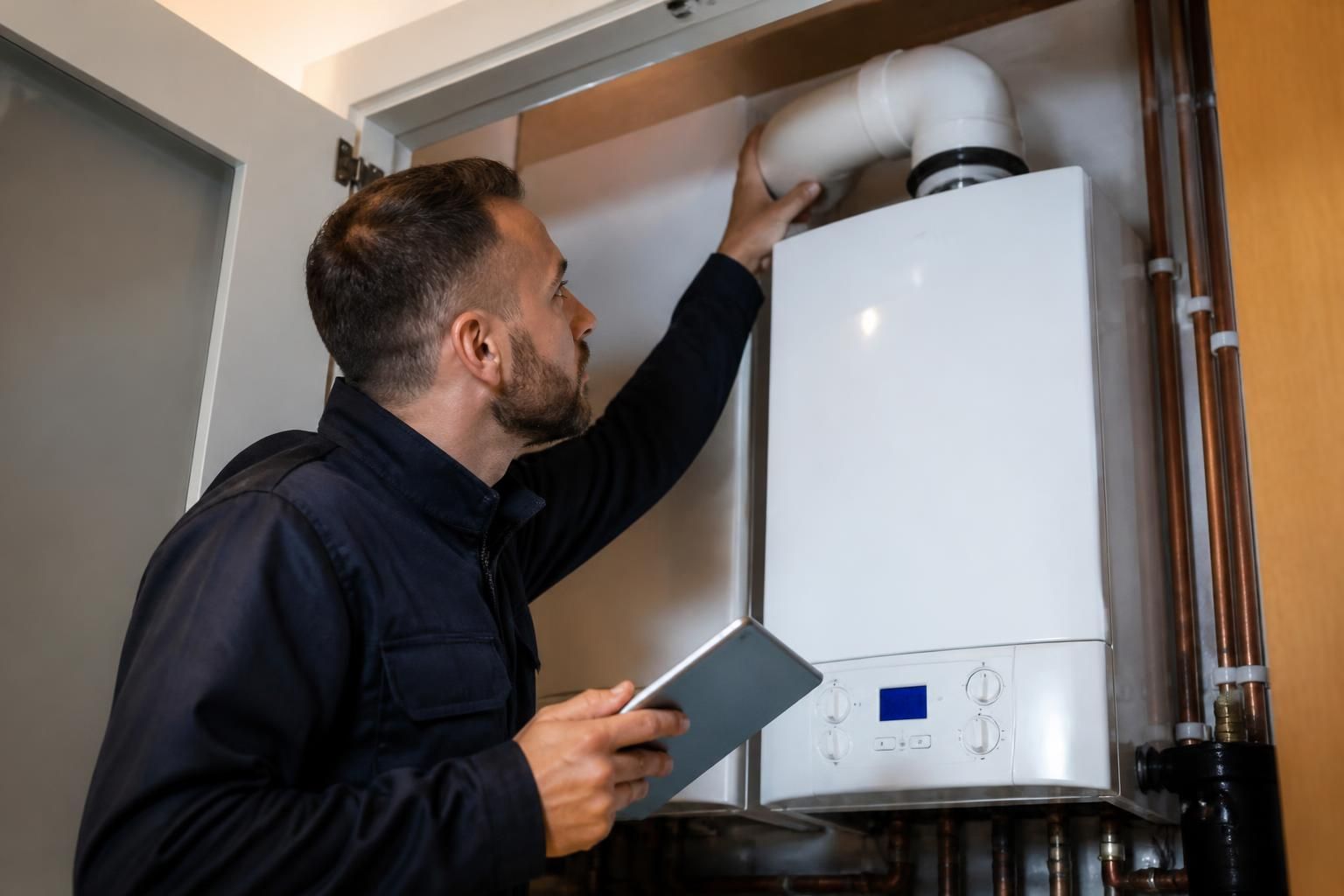
Information should be accurate but does not need to be technical. Do not attempt to remove covers or identify internal components. Photographs of the boiler, controls, pipework and flue can be useful where it is safe to take them, but they are not a substitute for an engineer’s assessment.
Once the available information has been reviewed, the replacement can be considered in terms of system compatibility, heat output, flue requirements, condensate drainage, controls, access and any necessary alterations. The final recommendation should be based on the property and installation conditions, not solely on the make, age or output of the existing boiler.
For a Birmingham property, Ideal Plumbing Services can use these details to assess the replacement requirements and explain which parts of the work are essential, which are dependent on the installation and which are optional. A clear description at the outset supports accurate advice and helps ensure that any proposed replacement is suitable for the home.