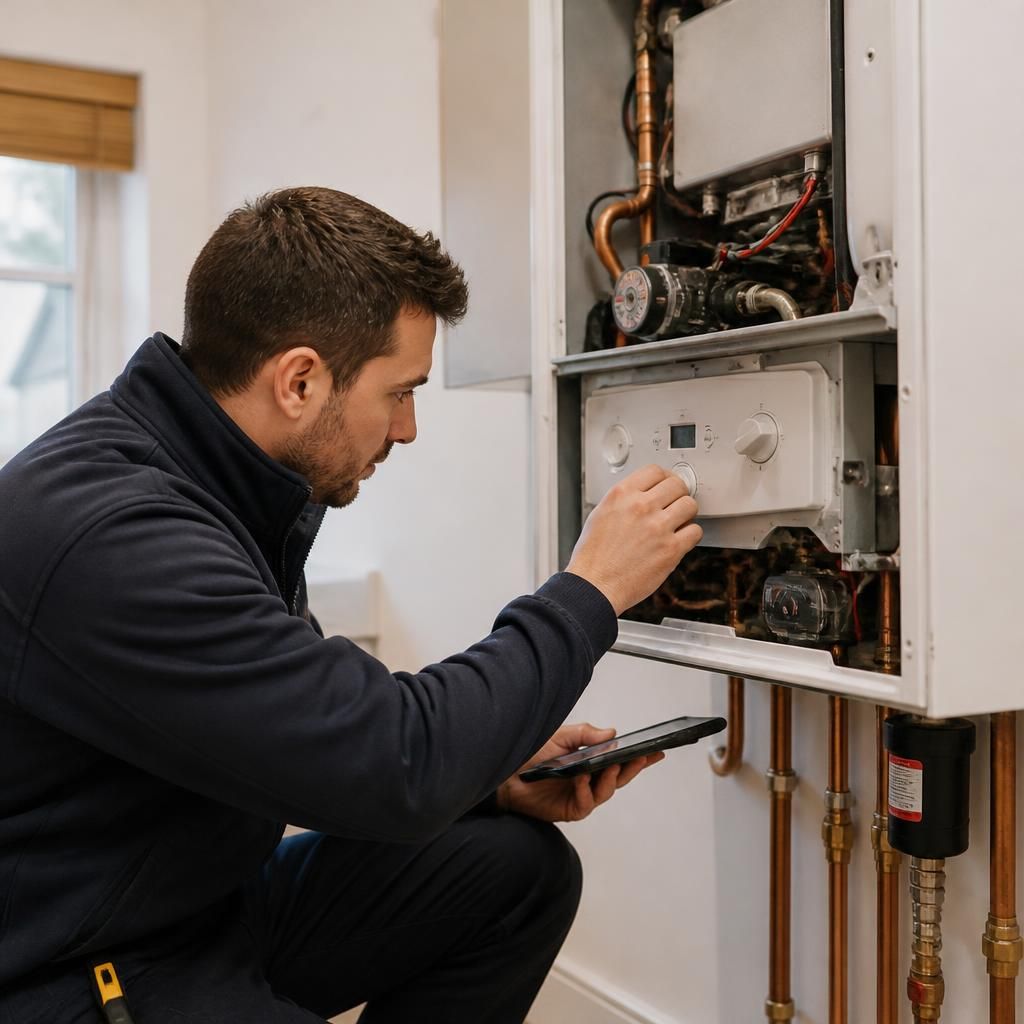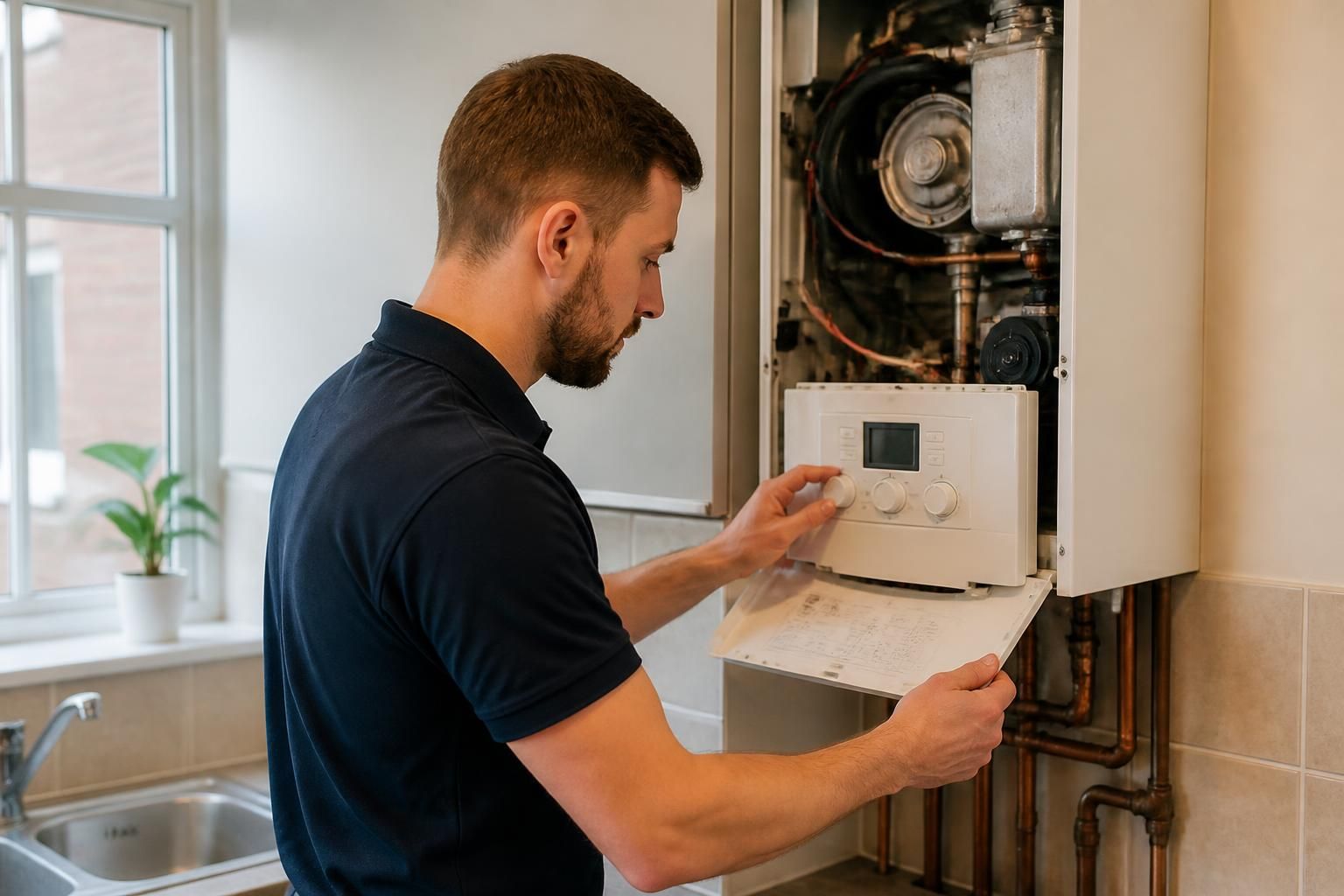
Central heating repairs in rented properties are permitted, provided the work is authorised by the landlord or managing agent and carried out by an appropriately qualified professional. The correct process depends on the type of fault, the tenancy agreement, and whether the repair affects gas safety or other essential services.
Landlord responsibilities
In most rented homes, the landlord is responsible for keeping the fixed heating system, boiler, radiators, pipework and controls in reasonable working order. This normally includes investigating faults caused by age, wear, defective components or poor maintenance. A landlord may also need to arrange related repairs where a heating fault has caused damage to the property.
Tenants should check their tenancy agreement because it may explain how faults must be reported and whether a managing agent handles maintenance. However, contract terms generally do not remove the landlord’s responsibility for repairs that the law places on them.
What tenants should do
- Report the fault to the landlord or managing agent as soon as it is noticed.
- Describe the symptoms accurately, such as unusual noises, a loss of pressure, cold radiators, error messages or repeated shutdowns.
- Send photographs of visible leaks, damaged components or display-panel messages where it is safe to do so.
- Follow reasonable instructions, such as checking whether the boiler has power or whether the thermostat settings have changed.
- Keep copies of messages, reports and appointment details in case the issue becomes disputed.
Tenants should not remove boiler covers, alter gas components or attempt electrical repairs. They should also avoid repeatedly resetting a boiler when the cause of the fault is unclear, particularly if there is a smell of gas, scorching, unusual combustion noise or visible damage.
Authorisation and access
A plumber will usually need the landlord’s or agent’s approval before starting chargeable work. The tenant can help by providing access at an agreed appointment and explaining any symptoms that have been observed. Landlords and contractors should respect the tenant’s right to occupy the property and arrange access properly, except where there is a genuine emergency requiring immediate action.
If access is refused or appointments are repeatedly missed, the repair may be delayed. If the landlord does not arrange an inspection after being notified, the tenant should send a clear written reminder and retain evidence of the reports. Local housing or tenancy advice may be appropriate if a serious heating problem remains unresolved.
Gas and electrical safety
Repairs involving gas appliances or gas pipework must be undertaken by an engineer who is legally qualified for the relevant gas work. Electrical faults should be assessed by a suitably competent electrical professional. This is separate from routine plumbing work, such as replacing a leaking valve or repairing a water-side component.
If a tenant smells gas, they should avoid using switches or naked flames, leave the property if necessary and follow the relevant emergency gas-safety guidance. A suspected carbon monoxide issue should be treated seriously, with occupants moving to fresh air and seeking urgent safety advice.
Who pays for the repair?
The landlord will normally pay for repairs that fall within their maintenance responsibilities. A tenant may become liable where they, a household member or a visitor caused the damage through misuse, negligence or an unauthorised alteration. Normal deterioration is not usually treated in the same way as deliberate or careless damage.
Tenants should not deduct the cost of a heating repair from rent or instruct a contractor at their own expense without written agreement. In some circumstances, a tenancy agreement may set out a different procedure, but taking action without authorisation can create a dispute over payment and responsibility.
What information a heating engineer may need
- The property address and contact details for the person authorising the work.
- The boiler type and any visible model information, without removing covers.
- A description of when the problem started and whether it is constant or intermittent.
- Any error codes, pressure readings or unusual sounds visible to the occupant.
- Details of previous repairs, leaks or changes to the heating controls.
At the visit, the engineer may inspect the system, identify whether the fault is repairable, test relevant components and explain whether further work is required. A written quotation or report can help the landlord decide whether to approve the repair, and it gives the tenant a record of what was found.
Ideal Plumbing Services provides central heating repair support for rented homes in Birmingham and across the West Midlands. Landlords, managing agents and tenants should make clear who is authorising the work before an appointment is arranged, particularly where the fault may involve gas, electrical equipment or damage to the property.