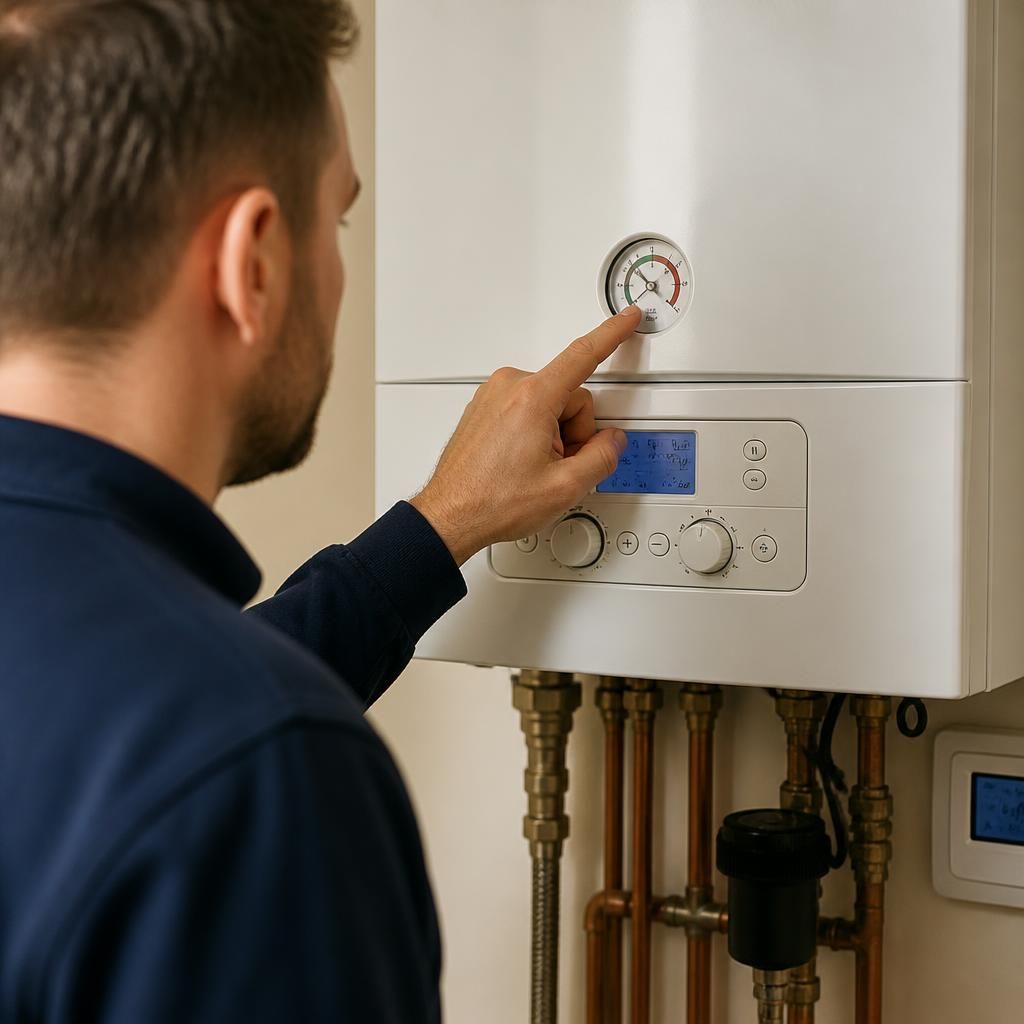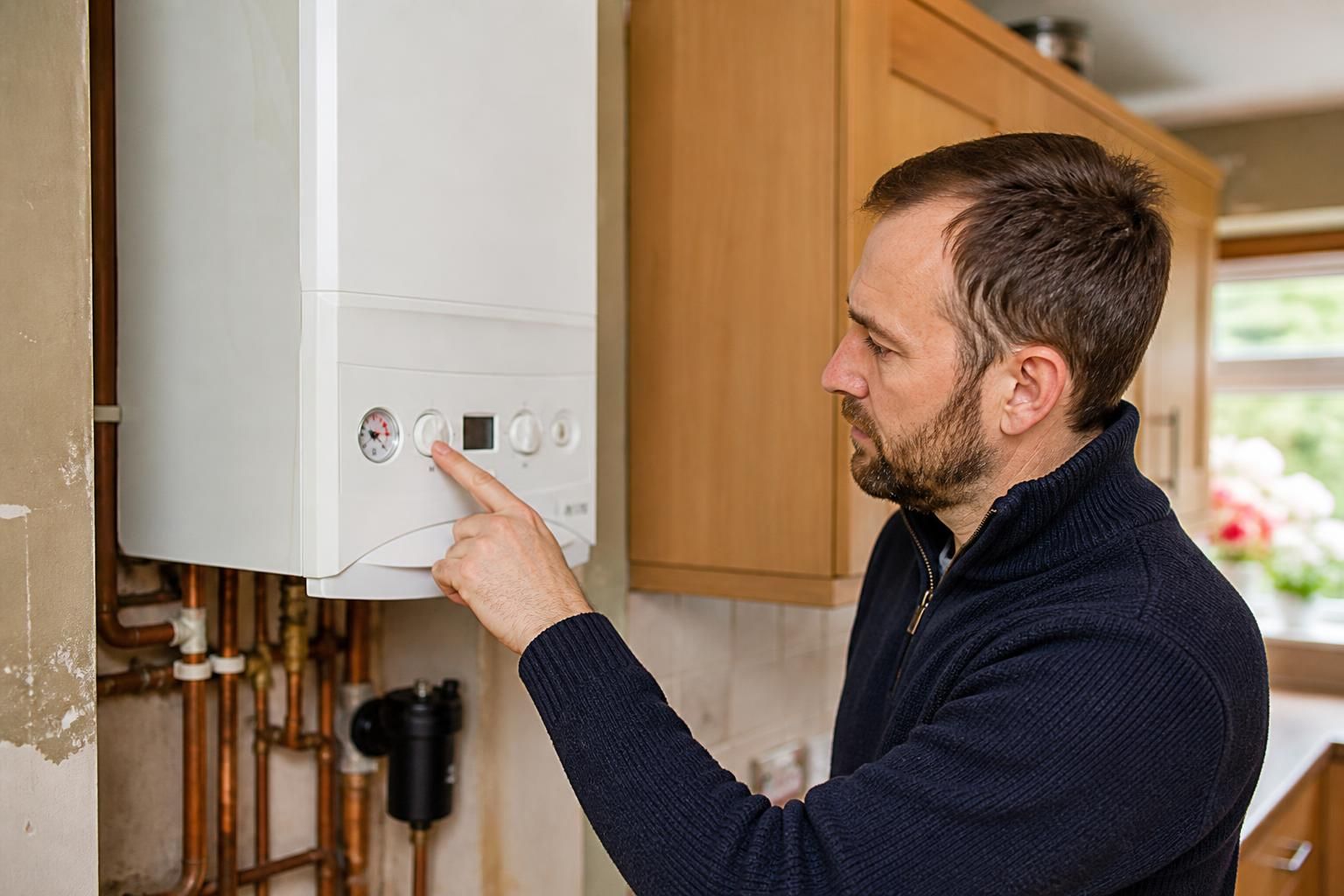
Before a central heating repair plumber arrives, prioritise safety, preserve useful information about the fault and avoid attempting repairs yourself. These steps reduce the risk of injury or further damage and give the engineer the context needed to diagnose the system properly.
Do not remove the boiler casing or dismantle any component. Gas appliances contain parts that should only be inspected by an appropriately qualified professional. Avoid repeatedly resetting the boiler, adjusting wiring or changing valves unless you have been specifically instructed to do so. An attempted repair can conceal the original fault or create an additional safety issue.
If you smell gas, treat this as a safety matter rather than an ordinary heating fault. Do not operate electrical switches or use naked flames. If it is safe, ventilate the property, leave the building and contact the appropriate gas emergency service. If anyone develops symptoms such as dizziness, nausea, headache or unusual tiredness, move them into fresh air and seek medical advice.
Record the history of the problem. Write down when the issue first appeared, whether it happens continuously or intermittently, and what was happening immediately beforehand. Include any recent plumbing, electrical or building work, changes to the heating controls, or periods when the property was unoccupied. This information can be more useful than a general description such as “the heating is not working”.
Take photographs of any visible staining, drips, damaged flooring or affected walls before cleaning or moving items. If water is collecting, place a suitable container or towels beneath it without touching hot or electrically powered components. Do not cover vents, flues or air-bricks while protecting nearby surfaces.
Gather information that may help identify the system, including the boiler’s model details, its service or repair history and any available installation paperwork. If the property has a warranty, maintenance agreement or landlord-managed heating system, check the relevant terms before authorising chargeable work.
Make sure the engineer can reach the property and identify any practical restrictions in advance. Explain where the boiler, controls, radiators, stop tap, consumer unit and gas meter are located, particularly if access is through a locked room or shared area. Keep children and pets away from the work area, and move fragile belongings from nearby surfaces.
Tenants should inform the landlord or managing agent as soon as a heating fault occurs and follow their reporting procedure. A landlord may need to approve the repair or arrange access, while the tenant can provide useful details about when the fault began and how it is affecting the property.
It is also sensible to prepare a short list of questions. You may wish to ask what caused the fault, whether the repair is temporary or permanent, whether any part needs replacing, and what maintenance could reduce the chance of recurrence. Before work begins, confirm what has been agreed, including the scope of the repair and any charges that apply.
Once the engineer arrives, provide the recorded information and point out any areas where symptoms have occurred, even if they are not currently visible. Stay available to answer questions, but do not interfere with testing. The engineer may need to inspect related components rather than only the part that first appeared to be faulty.