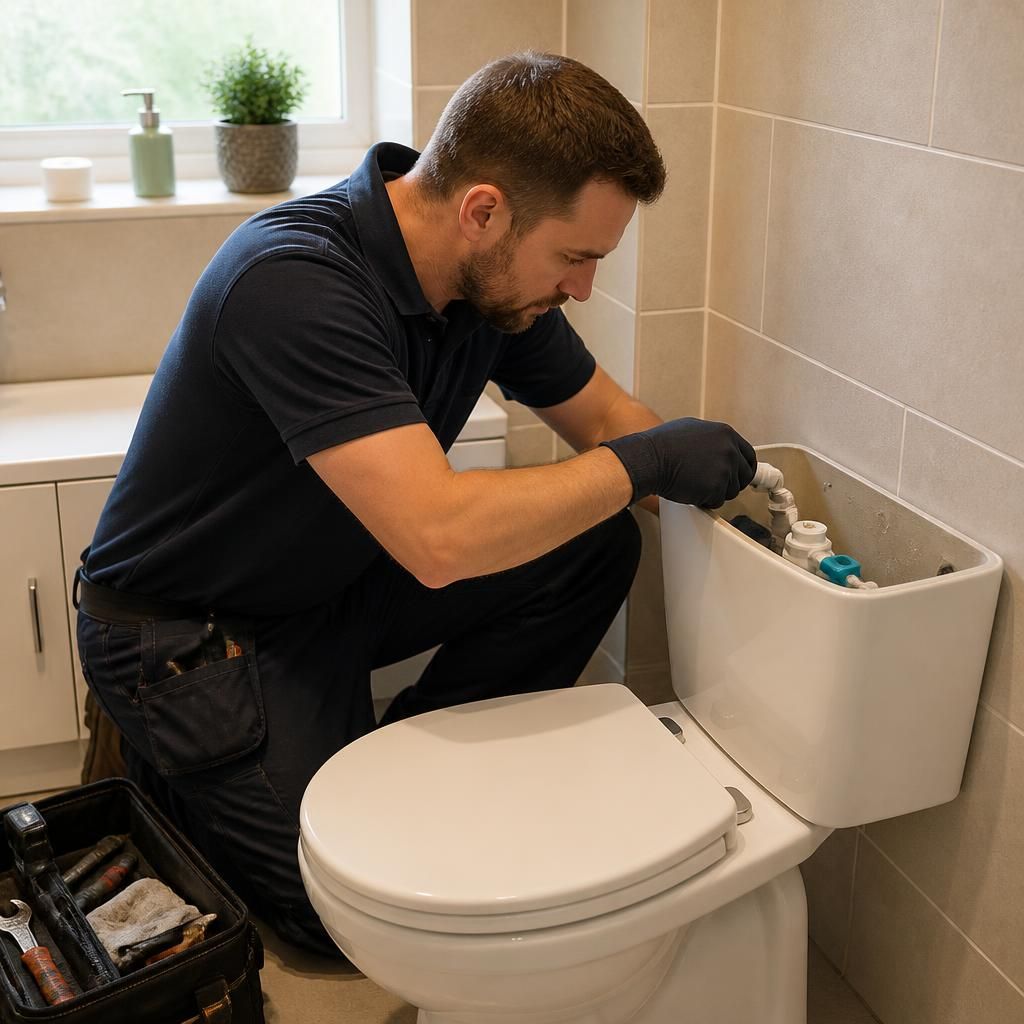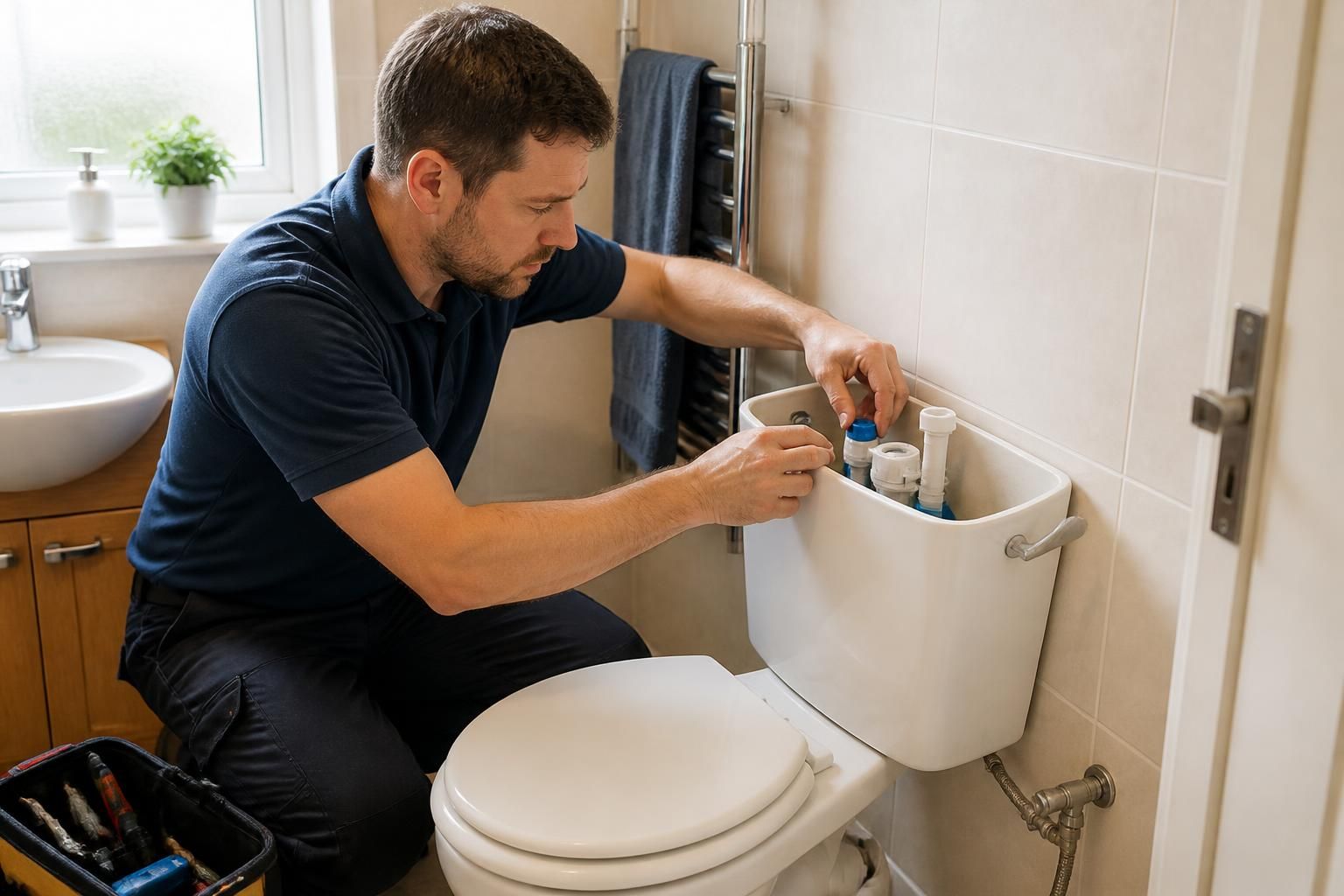
For a rented property, toilet plumbing repairs should normally be arranged by the landlord or managing agent, with the tenant reporting the fault and providing access. The tenancy agreement may set out the reporting procedure, responsibility for specific types of damage and whether the tenant can instruct a contractor directly.
Who is usually responsible? The landlord is generally responsible for maintaining the property’s fixed plumbing and sanitary fittings, including faults affecting the toilet, cistern, flush mechanism, supply pipe or waste connection. This usually applies where the problem results from wear, a defective component or an installation fault. A tenant may be responsible where the damage was caused by misuse, negligence or an avoidable blockage, subject to the terms of the tenancy agreement.
Responsibility can be less straightforward where a blockage involves items that should not have been flushed, or where a leak has been allowed to continue after it was noticed. Tenants should report the issue as soon as possible and keep a record of when it was first identified. Prompt reporting helps distinguish an underlying plumbing fault from damage that developed because a known problem was not disclosed.
How should a tenant arrange the repair?
- Report the problem to the landlord, letting agent or nominated maintenance contact using the method specified in the tenancy agreement.
- Describe the symptoms accurately, such as a toilet that continuously runs, fails to flush, backs up, leaks around the base or allows water into the bowl.
- Send photographs or video where this can be done safely, particularly if there is visible water damage, a cracked component or a leak that only occurs during flushing.
- Confirm whether the toilet is usable, whether other bathroom facilities are available and whether water is reaching flooring, walls or ceilings below.
- Provide suitable access details so an authorised plumber can inspect the fault and carry out the repair.
A tenant should not usually remove the toilet, alter the plumbing or employ a contractor independently without approval. The landlord may have an existing maintenance arrangement or may need to authorise expenditure before work begins. If the tenancy agreement allows the tenant to arrange urgent repairs, the tenant should follow its requirements carefully and retain written confirmation, invoices and photographs. Payment or reimbursement should not be assumed unless it has been agreed or the agreement provides for it.
What happens during the inspection? A plumber will identify whether the fault is inside the toilet itself or within the connected supply and waste plumbing. Common checks include the flush valve, fill valve, cistern connections, pan connector, waste pipe, isolation valve and the seal at the toilet base. A toilet that appears to be leaking into the bowl may need different work from one leaking onto the floor, so the visible symptom does not always identify the failed part.
The plumber should explain the required repair before replacing components or removing fittings. Minor work may involve adjusting or replacing an internal mechanism, tightening a connection or clearing an accessible obstruction. More involved work may require removal and refitting of the toilet, replacement of a damaged connector or investigation of concealed pipework. If the source cannot be confirmed without opening a wall or lifting flooring, the landlord or agent should be informed before intrusive work is authorised.
What if the toilet is leaking or unusable? Where water is escaping, the tenant should stop using the toilet if continued flushing could worsen the leak. If it is safe to do so, the isolation valve can be closed to stop the cistern refilling. Electrical equipment should be kept away from water, and significant leaks should be reported immediately through the landlord’s stated repair channel. A tenant should not attempt a complex repair simply to prevent a delay, particularly where removing fittings could increase the damage or affect responsibility for the cost.
If sewage or contaminated water has escaped, avoid contact, keep people and pets away from the affected area and explain the extent of the problem when reporting it. The landlord or agent may need to arrange both plumbing work and cleaning or repairs to affected flooring, plaster or ceilings. These related works should be recorded separately from the original toilet fault.
Can Ideal Plumbing Services arrange the work? Ideal Plumbing Services provides toilet plumbing repairs for residential customers, including landlords and tenants, across Birmingham and the wider West Midlands. For a rented property, the plumber can work from the landlord’s or managing agent’s instructions, or from the tenant’s authorisation where the tenancy arrangement permits it. Before attendance, it is sensible to confirm who has approved the work, who will receive the findings and who is responsible for payment.
Clear communication between the tenant, landlord, agent and plumber helps prevent unauthorised work and disputes about liability. A written description of the fault, agreed scope of work and any evidence of the original problem provides a useful record for everyone involved.