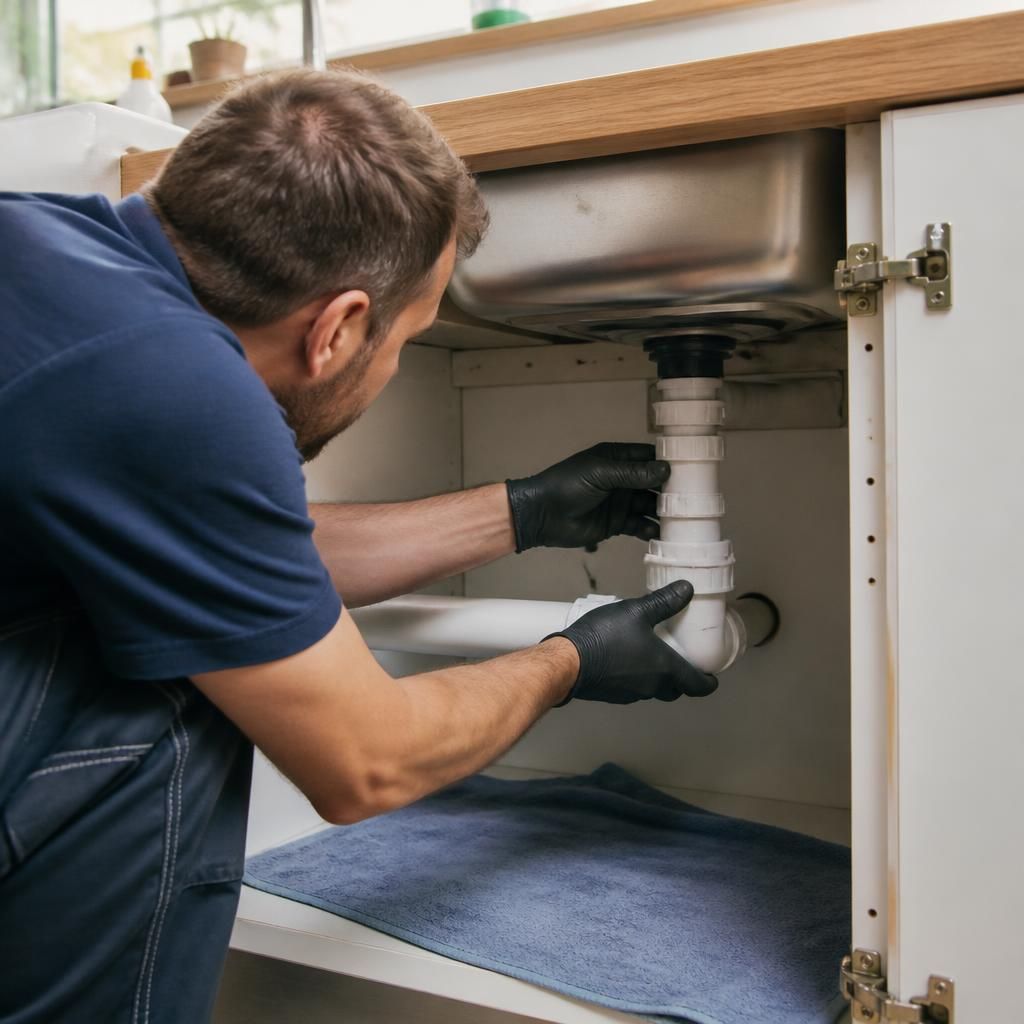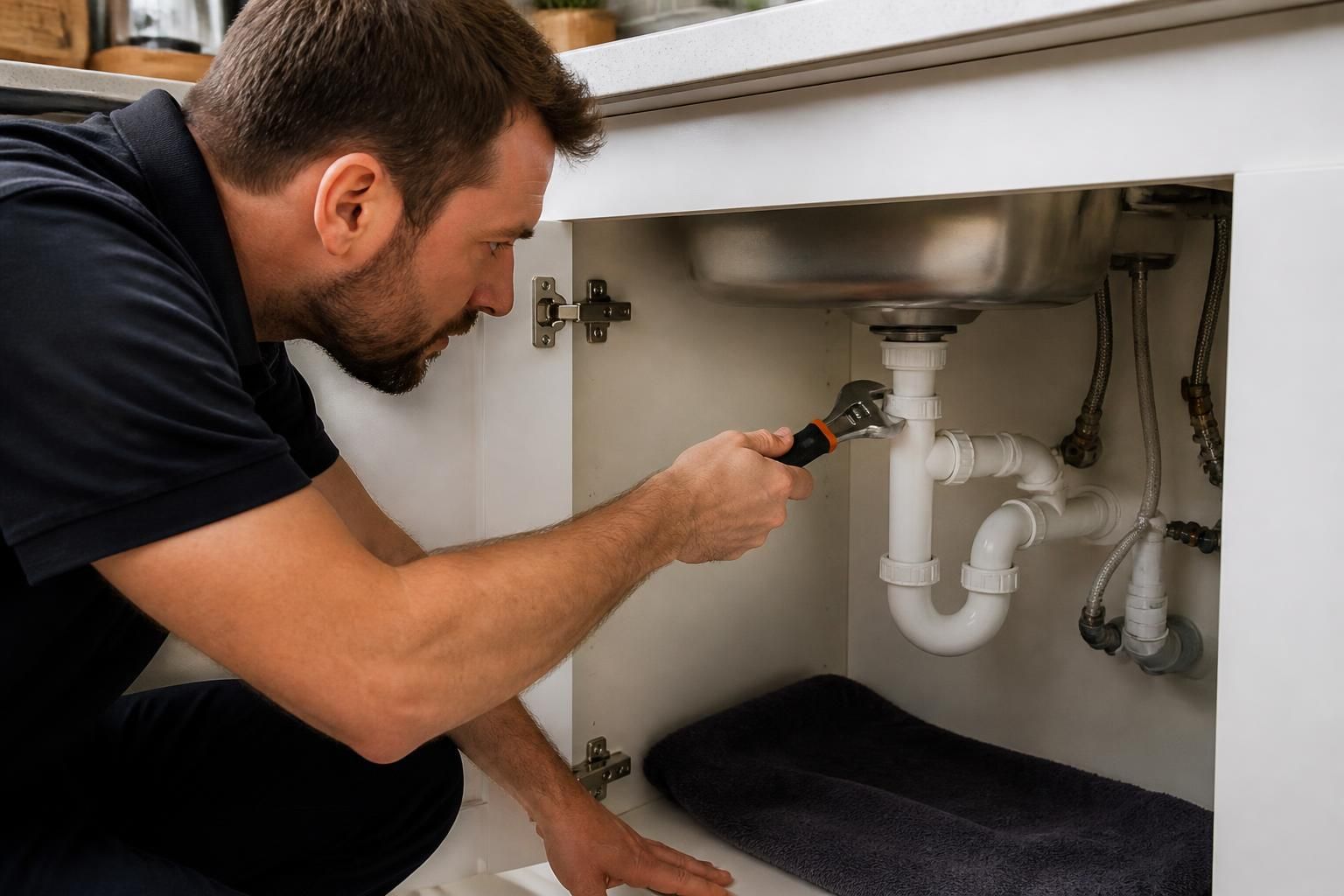
After a plumbing leak has been located, the next steps are to make the affected system safe, agree the appropriate corrective work, manage any water damage and confirm that the property is suitable for normal use. The work does not necessarily end when the visible source has been dealt with, because moisture can remain behind finishes, beneath floors or inside fitted units.
1. The repair options are confirmed. The plumber should explain what has failed, which part requires attention and whether repair or replacement is the more suitable option. This may involve a damaged pipe, joint, valve, waste connection, tank, boiler-related component or appliance hose. The decision can depend on the condition and accessibility of the component, the likelihood of a repeat failure and whether temporary work would provide a dependable result.
Where opening a wall, ceiling, floor or cabinet is necessary, the affected area should be kept as limited as practical. The plumbing repair and any subsequent building work are separate stages, so it is useful to establish who is responsible for making good plaster, flooring, tiling, decoration or fitted furniture before work begins.
2. Any remaining water is dealt with. Water may have travelled further than the point where it first became visible. Damp insulation, flooring, plasterboard, skirting boards and cabinet materials can retain moisture after the source has been corrected. Absorbent materials that are swollen, contaminated or structurally affected may need removal, while sound materials can often be dried and monitored.
Drying methods depend on the material, the volume of water and the type of leak. Air movement and ventilation may be suitable for minor clean-water incidents, whereas more substantial damage can require professional drying equipment. Affected rooms should not be closed up or redecorated simply because the surface appears dry; trapped moisture can contribute to mould, staining, odours and deterioration of building materials.
3. Health and safety risks are considered. If water has reached sockets, wiring, light fittings or electrical appliances, the area should be treated as an electrical hazard and assessed by a suitably qualified electrician before those items are used. If the leak involved wastewater or another contaminated source, affected surfaces and materials require appropriate cleaning and hygiene precautions rather than ordinary drying alone.
4. The work and damage are recorded. Keep photographs of the leak, damaged areas and any opened surfaces, together with the plumber’s findings, invoices and details of parts replaced. This information can help with household insurance enquiries, landlord records, future maintenance and identifying whether related damage develops later. Insurance policies vary, so the insurer should be contacted promptly where a claim may be relevant and before disposal of significant damaged materials, unless immediate action is needed to prevent further damage.
5. The affected area is checked before reinstatement. Once the plumbing work is complete, the area should be observed for renewed dampness, staining, odours or changes in pressure and flow. Moisture readings may be useful where water entered enclosed or layered materials. Reinstatement, such as replacing plasterboard or flooring, is best completed only when the substrate is sufficiently dry and the reason for the leak has been addressed.
6. Recurrence is reduced. The final discussion should cover any relevant maintenance or precautions, such as checking accessible joints, replacing deteriorated flexible connectors, protecting exposed pipework from freezing conditions and monitoring appliances or fittings that showed signs of wear. If the leak was linked to an ageing installation or repeated failure, dealing with the wider weakness may be more appropriate than replacing only the visibly damaged part.
A persistent damp smell, continuing staining, unexplained water use, recurring pressure loss or new damage after the repair indicates that further investigation may be needed. These signs can point to a second leak, moisture that has not yet dried or damage extending beyond the original visible area.