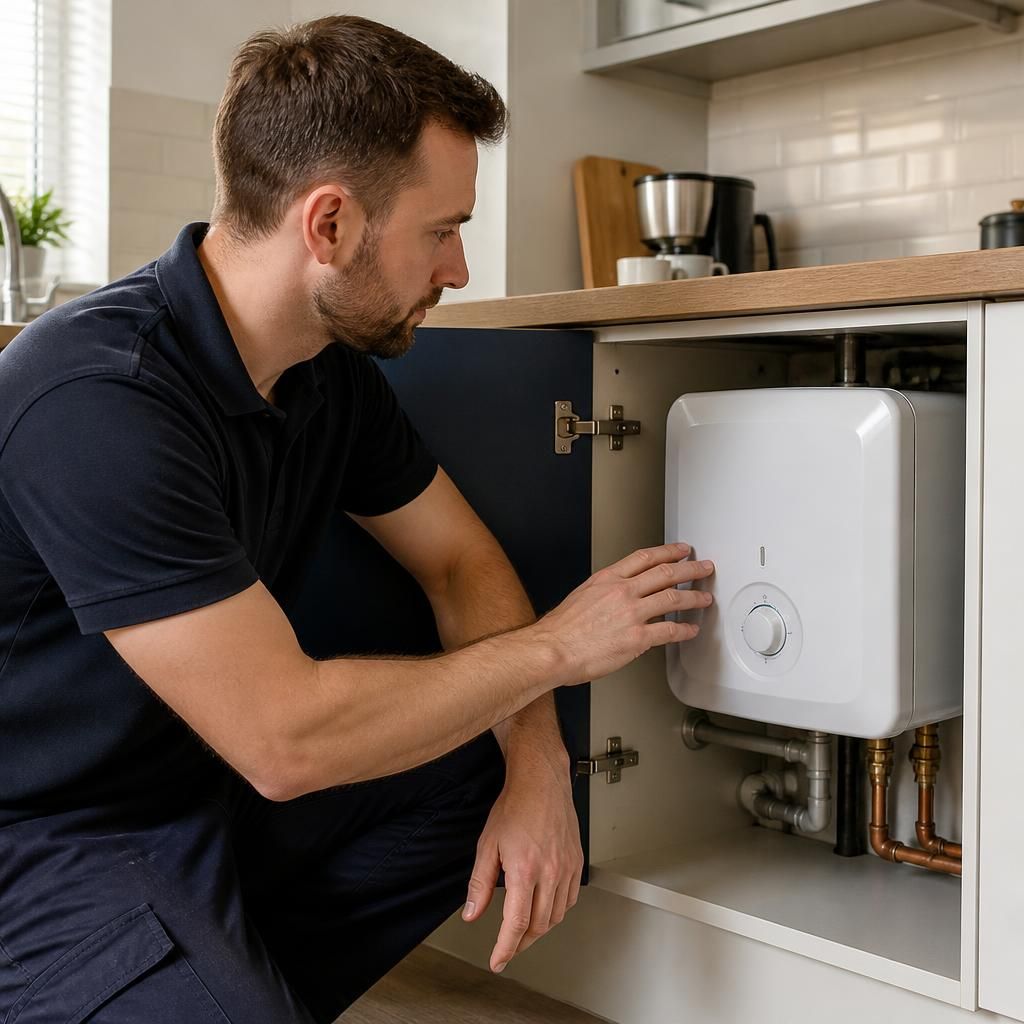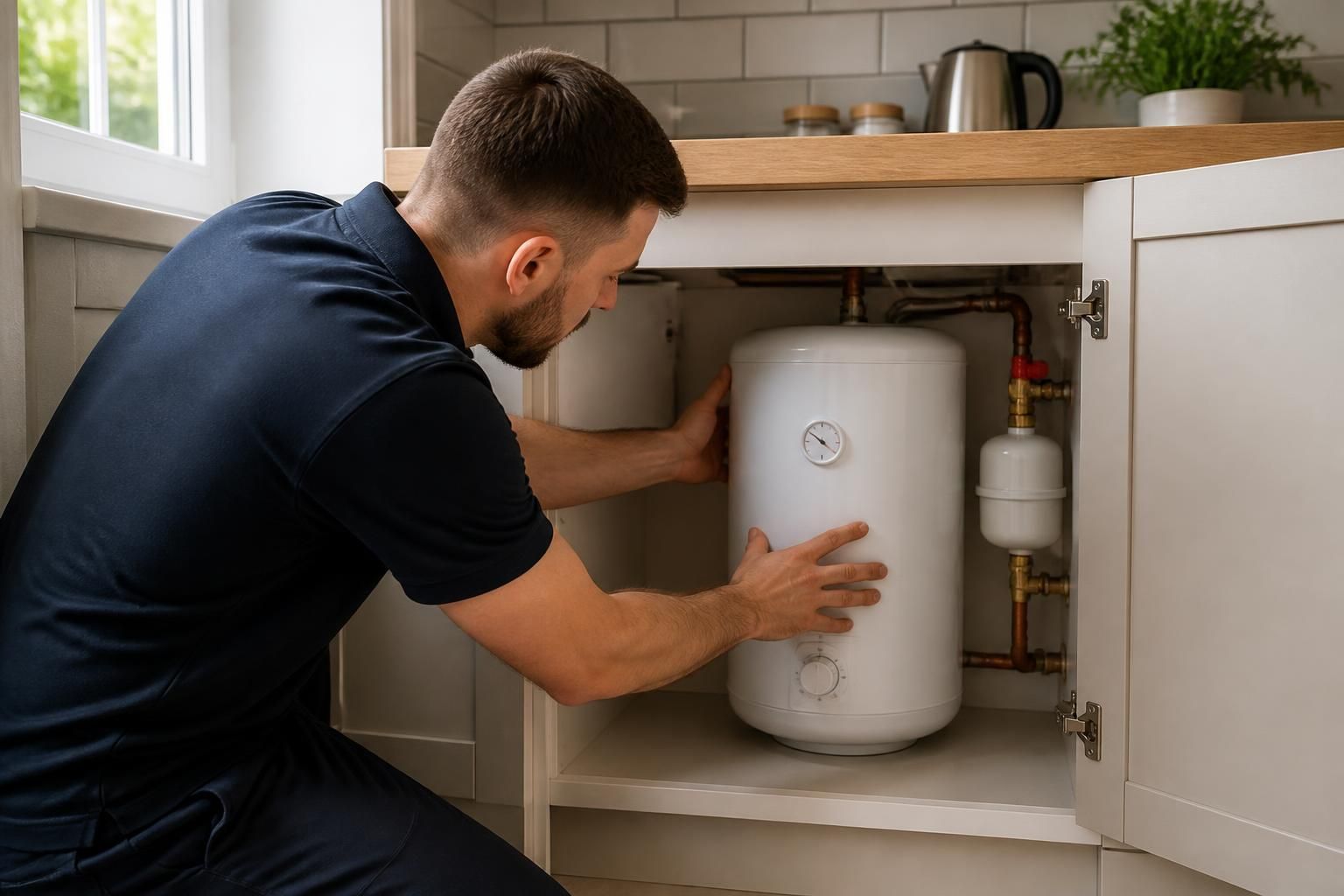
Water heater installation can work in a wide range of homes, but the most suitable solution varies according to the building’s layout, occupancy and existing hot-water arrangement. A property assessment should consider where the appliance can be positioned, how hot water is used and whether the building can support the required electrical, plumbing and ventilation connections.
Houses usually offer the greatest choice because they often have more than one suitable location, such as a utility room, kitchen cupboard, airing cupboard, loft space or garage. The installer can assess whether a replacement should remain close to the existing pipework or whether a different position would improve access and distribution. Larger homes may need careful consideration of simultaneous use, particularly where several bathrooms or high-demand outlets are present.
Flats and apartments are also suitable, although space and building restrictions can affect the installation. Compact units may be appropriate where cupboard space is limited, while a cylinder-based arrangement may require a larger dedicated area. In a leasehold property, the owner may also need to check requirements relating to shared service areas, external alterations, flues, electrical supplies or access through communal parts of the building before work is arranged.
Bungalows can accommodate water heaters in much the same way as houses. Their single-storey layout may simplify pipe runs, but the available storage areas still need to be checked. If equipment is proposed for a loft or another less accessible location, the installer should consider safe maintenance access, protection from low temperatures and the route for carrying out future repairs.
Rental properties can be suitable for installation or replacement, whether they are occupied by one household or divided into separate units. Landlords should consider the number of occupants, the pattern of hot-water use and the practicality of servicing the appliance without unnecessary disruption. The selected system should also be appropriate for the property’s intended use rather than based solely on the appliance that is currently fitted.
Older properties and converted buildings may need additional checks before installation. Existing pipework, wiring, ventilation, wall construction and available space may not match modern equipment requirements. A survey can identify whether supporting work is needed, such as improving connections, upgrading controls or creating a suitable mounting and access arrangement. These checks are particularly important where the building has been altered from its original layout.
Property type alone does not determine suitability. An installer will normally review:
- the available floor, cupboard or wall space;
- the condition and position of existing hot-water and cold-water pipework;
- the electrical supply and the requirements of the proposed heater;
- the number of bathrooms, kitchens and other hot-water outlets;
- access for installation, inspection and future maintenance; and
- any leasehold, rental or building-control requirements that apply.
For homeowners, landlords and tenants in Birmingham and the wider West Midlands, a professional assessment is the appropriate way to confirm which water-heating arrangement fits a particular property. It allows the installation to be planned around the building’s practical constraints instead of choosing equipment based only on the property’s name or size.