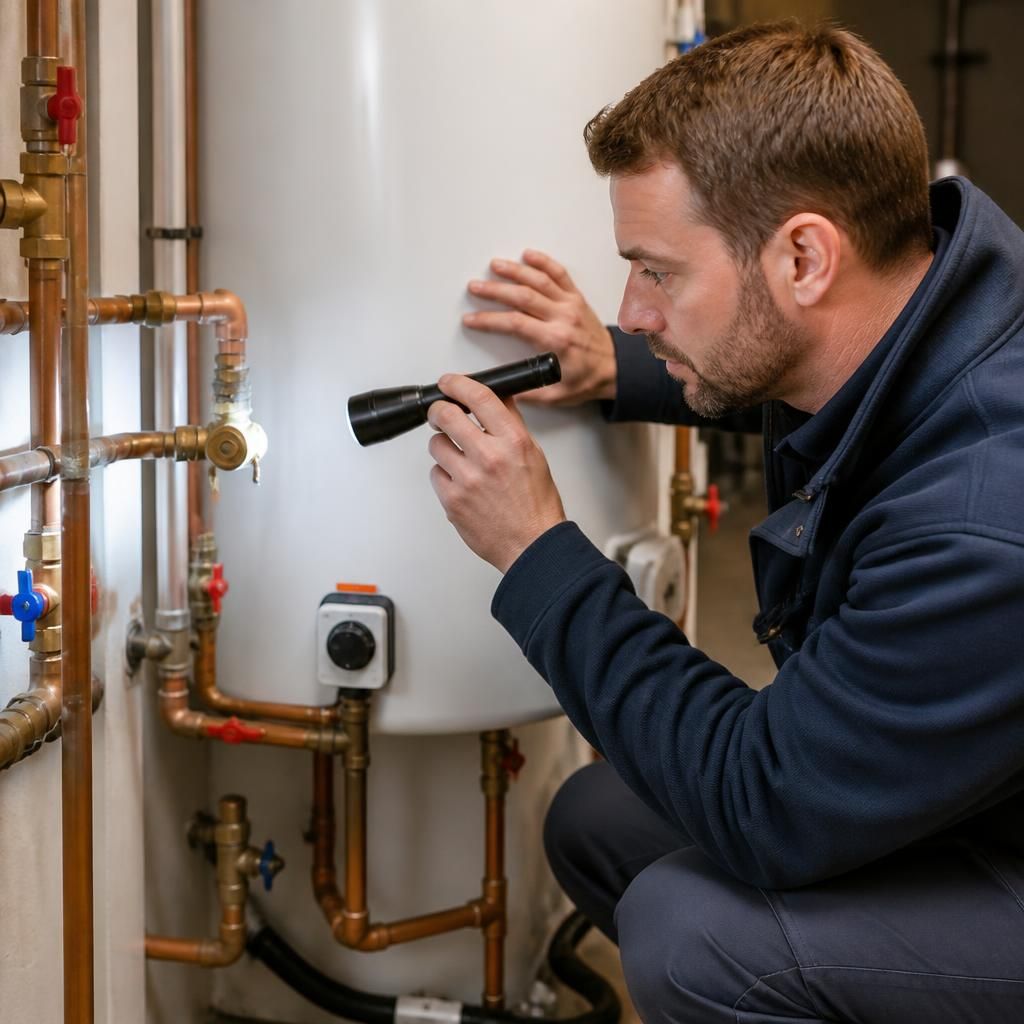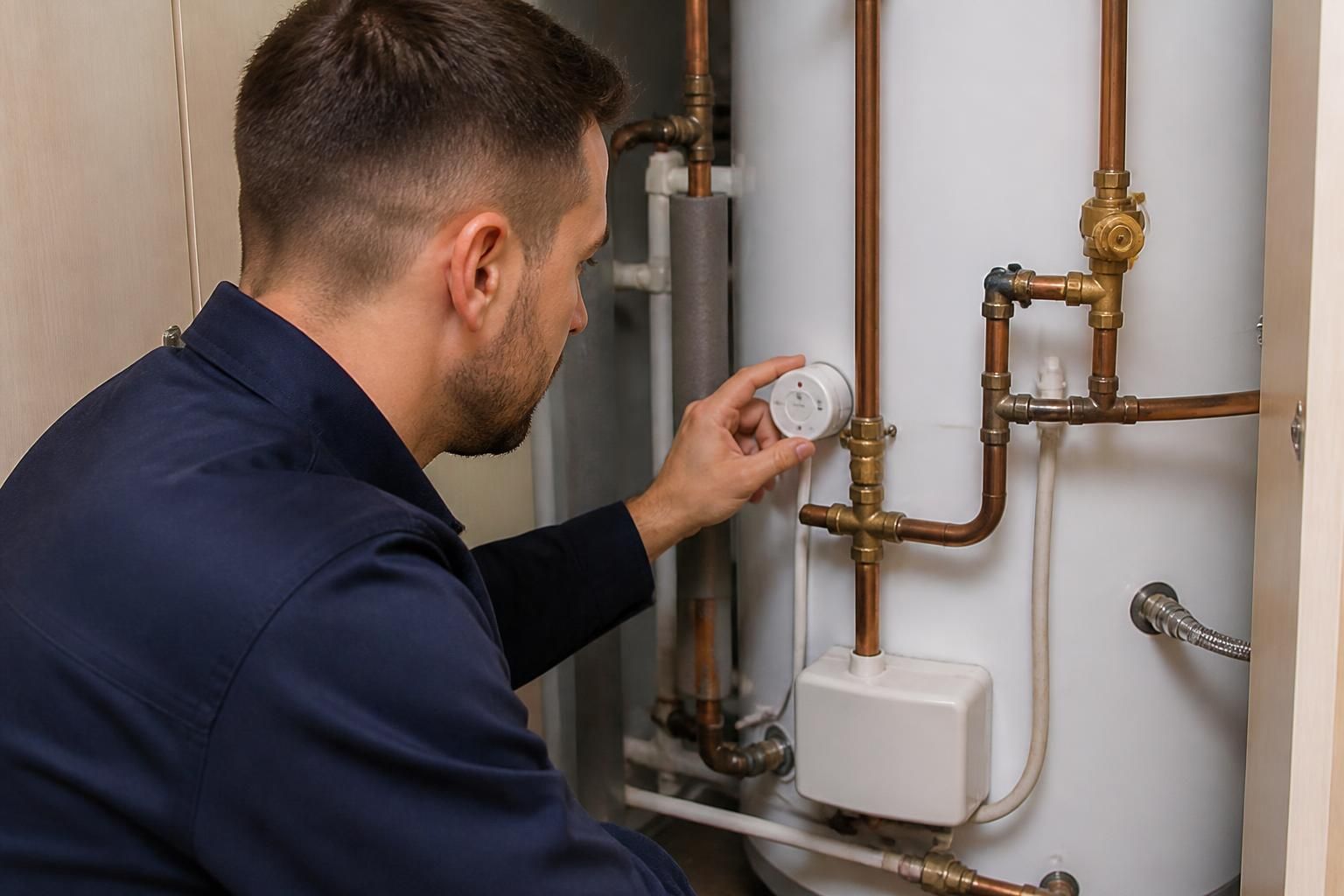
Water heater repair costs do not follow a standard fixed price. The final amount is based on the work required to restore safe operation, including the diagnosis, labour, replacement components and any additional work needed around the appliance. A proper inspection is therefore the only reliable way to provide an accurate quotation.
What a water heater repair quotation may include
- Inspection and diagnosis: identifying the cause of the fault rather than replacing parts unnecessarily.
- Labour: the time needed to test, dismantle, repair and recommission the water heater.
- Replacement parts: such as thermostats, heating elements, valves, seals, controls or other failed components.
- Additional materials: including connectors, insulation, pipework or fittings where the existing items cannot be safely reused.
- Testing and safety checks: confirming that the heater, controls and associated connections operate correctly after the repair.
The fault itself is often the biggest influence on the price. A failed thermostat or element may involve a relatively contained repair, while a leaking cylinder, damaged internal component or electrical control fault can require more extensive work. A leak can also involve surrounding pipework, isolation valves or connections, so the source should be confirmed before a repair is priced.
Access affects the amount of labour involved. A heater positioned in a clear, accessible cupboard is generally easier to inspect than one behind fixed panels, within a confined loft space or surrounded by stored items. If panels, flooring or other fittings need to be removed and reinstated, this should be explained before work begins. The condition of nearby pipework and isolation valves can also affect whether the repair can be completed without replacing related fittings.
The heater’s design and condition are also relevant. Components differ between immersion heaters, hot water cylinders, unvented systems and other domestic water-heating arrangements. Older equipment may have worn connections, corrosion or discontinued components, making repair less straightforward. If several parts are deteriorating, repairing one fault may only provide a short-term solution, so the condition of the wider system should be considered.
Repair or replacement? Repair is usually worth considering when the main unit remains structurally sound and a suitable replacement component is available. Replacement may be more practical where the tank is corroded, the unit has repeated faults, essential parts are no longer available or the repair would not provide reasonable long-term value. This decision should take account of the heater’s age, condition, previous repair history and the likely cost of further maintenance, rather than the immediate fault alone.
Before approving the work, ask for the quotation to clarify:
- what fault has been identified;
- which parts are being replaced;
- whether labour, testing and materials are included;
- whether any inspection or call-out charge applies;
- whether VAT is included;
- what work is excluded, such as repairing concealed pipework or making good surrounding finishes; and
- whether the proposed repair is expected to resolve the immediate fault or address wider deterioration.
Do not compare quotations on the headline figure alone. A lower price may exclude the diagnostic visit, essential safety checks or associated materials, while a higher quotation may include more comprehensive work. A clear quotation should set out the recommended repair, its scope and any conditions that could change the final cost.
If the water heater is leaking, producing unusual electrical smells, tripping the electrical supply or showing signs of overheating, switch it off using the appropriate isolation controls if this can be done safely and seek professional advice. Avoid removing covers or attempting electrical repairs yourself. An experienced plumbing professional can establish whether the issue is suitable for repair and explain the available options before work is carried out.