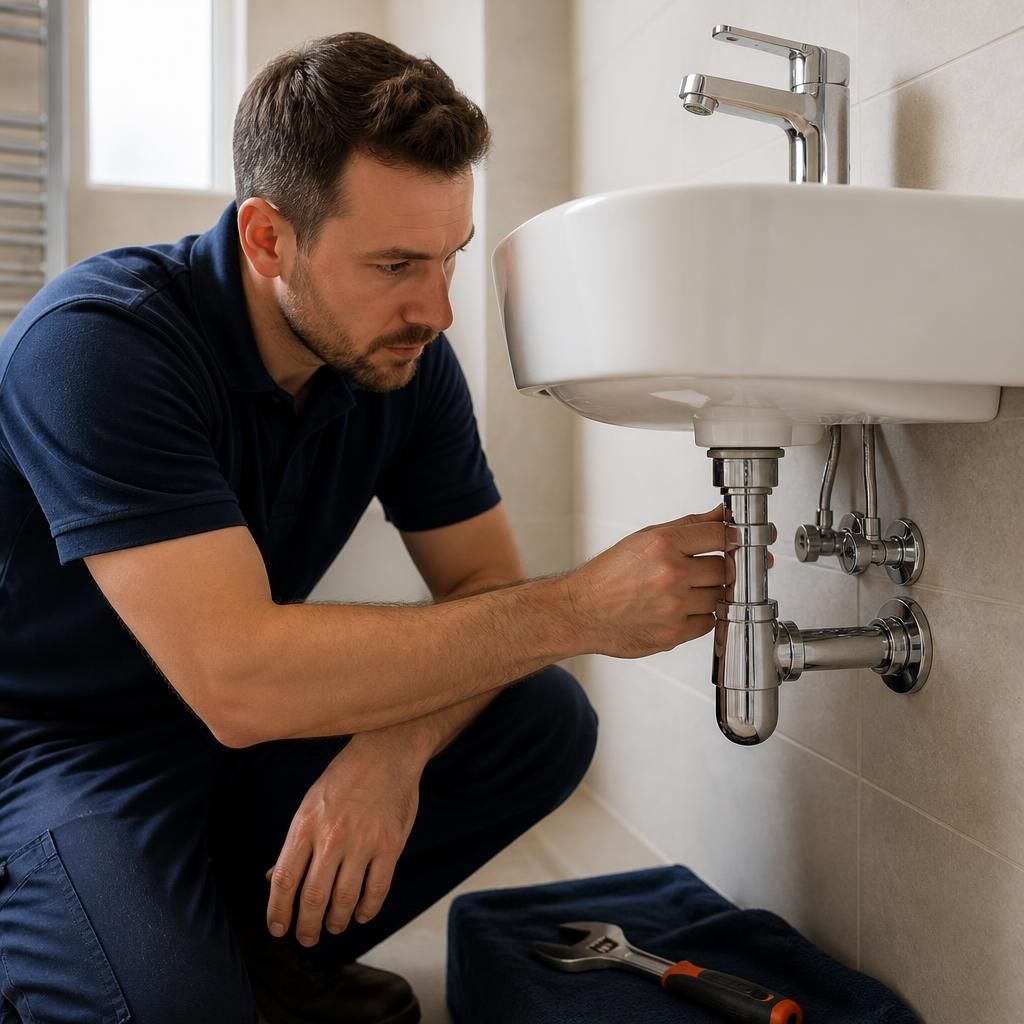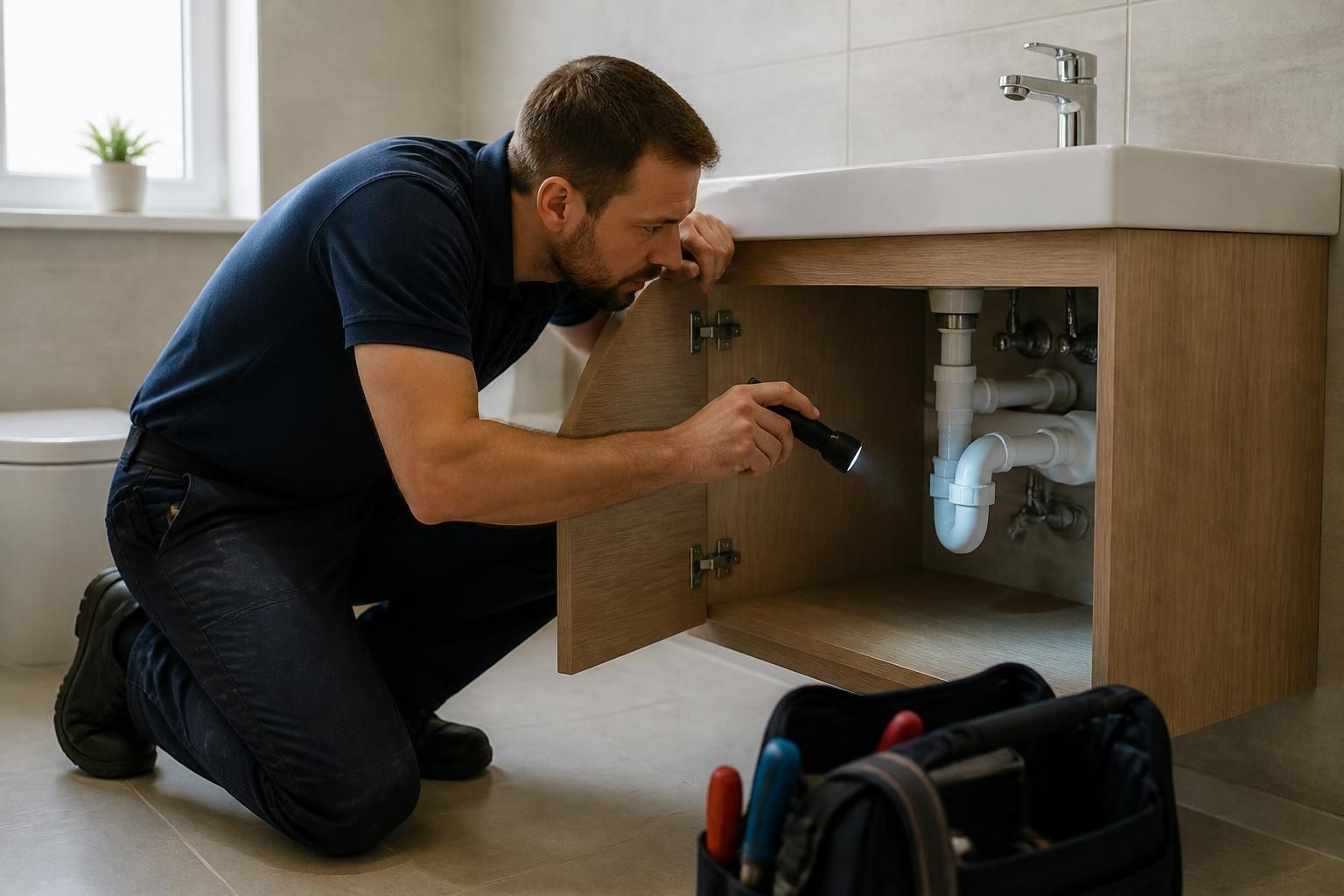
Choose a bathroom installation plumber by assessing their technical ability, project process and accountability, not solely by the appearance of their previous work or the price quoted. The right plumber should be able to evaluate the room, explain the installation method, coordinate connected trades and provide clear arrangements for quality control, variations and aftercare.
Check their bathroom-specific technical knowledge. A bathroom installation involves more than connecting taps and sanitaryware. Ask how the plumber will assess:
- Existing hot and cold water pressure and flow
- Waste-pipe routes, gradients and connection points
- The position of isolation valves and access for future maintenance
- Compatibility between the chosen fittings and the existing plumbing system
- Ventilation, waterproofing and protection against leaks around showers and baths
- Whether the proposed layout requires alterations to pipework, drainage or structural surfaces
A plumber who explains these points clearly is more likely to identify practical issues before installation begins. They should also be prepared to explain when another qualified professional is needed, for example for fixed electrical work, structural alterations or specialist finishing.
Arrange a proper assessment of the bathroom. A site visit allows the installer to inspect access, floor and wall conditions, pipe positions, drainage routes and the available space for sanitaryware. It also provides an opportunity to check whether the proposed bath, shower enclosure, basin or toilet can be installed without obstructing doors, cupboards, radiators or maintenance access. Be cautious if a quotation is produced without enough information about the room and the intended design.
Confirm what the installation includes and excludes. Bathroom projects can involve several separate tasks, such as removing existing fittings, disposing of waste, moving pipework, fitting sanitaryware, connecting wastes, sealing joints and making good disturbed surfaces. Tiling, plastering, decorating and electrical work may be carried out by different trades. Ask who is responsible for each part, how the trades will be coordinated and what condition the room should be left in at each stage.
Ask how changes will be controlled. Some problems cannot be confirmed until existing fittings or boxing-in are removed. Before work starts, agree how the plumber will explain newly discovered defects, present options and obtain approval before carrying out additional work. A written variation process helps prevent disagreements about altered layouts, replacement materials or extra labour. It should also state when payments are due and what documentation you will receive at completion.
Assess the installation method, not just the finished products. Ask how pipework will be supported, how joints will remain accessible where necessary and how exposed or concealed connections will be tested. Find out how the installer will protect floors, walls and adjoining rooms during the work, and how dust, packaging and removed fittings will be handled. Good workmanship includes accurate positioning, secure connections, neat sealing and suitable access for future servicing.
Check documentation and aftercare arrangements. The plumber should be able to provide relevant paperwork for the work where required and explain what to do if a connection leaks, a fitting needs adjustment or a defect becomes apparent after completion. Ask whether workmanship and supplied components are covered separately, how to report a problem and which records should be retained for future maintenance. Keep the final quotation, approved variations, fitting instructions and any compliance documents together.
Compare quotations on a like-for-like basis. The lowest price may not represent the lowest overall cost if it omits removal, preparation, access panels, waste disposal or making good. Compare the specification, labour, materials, fixtures, exclusions, payment stages and proposed sequence of work. A more useful comparison is based on the same bathroom layout and level of finish rather than on the headline figure alone.
Before appointing a plumber, you should be able to answer five practical questions: who is responsible for each part of the project, how will the existing plumbing be assessed, how will unexpected defects be handled, what evidence will confirm the work is complete, and what support is available if an installation issue is found afterwards. This approach helps homeowners, landlords and tenants select a bathroom installation plumber on technical competence and clearly defined responsibilities rather than price alone.