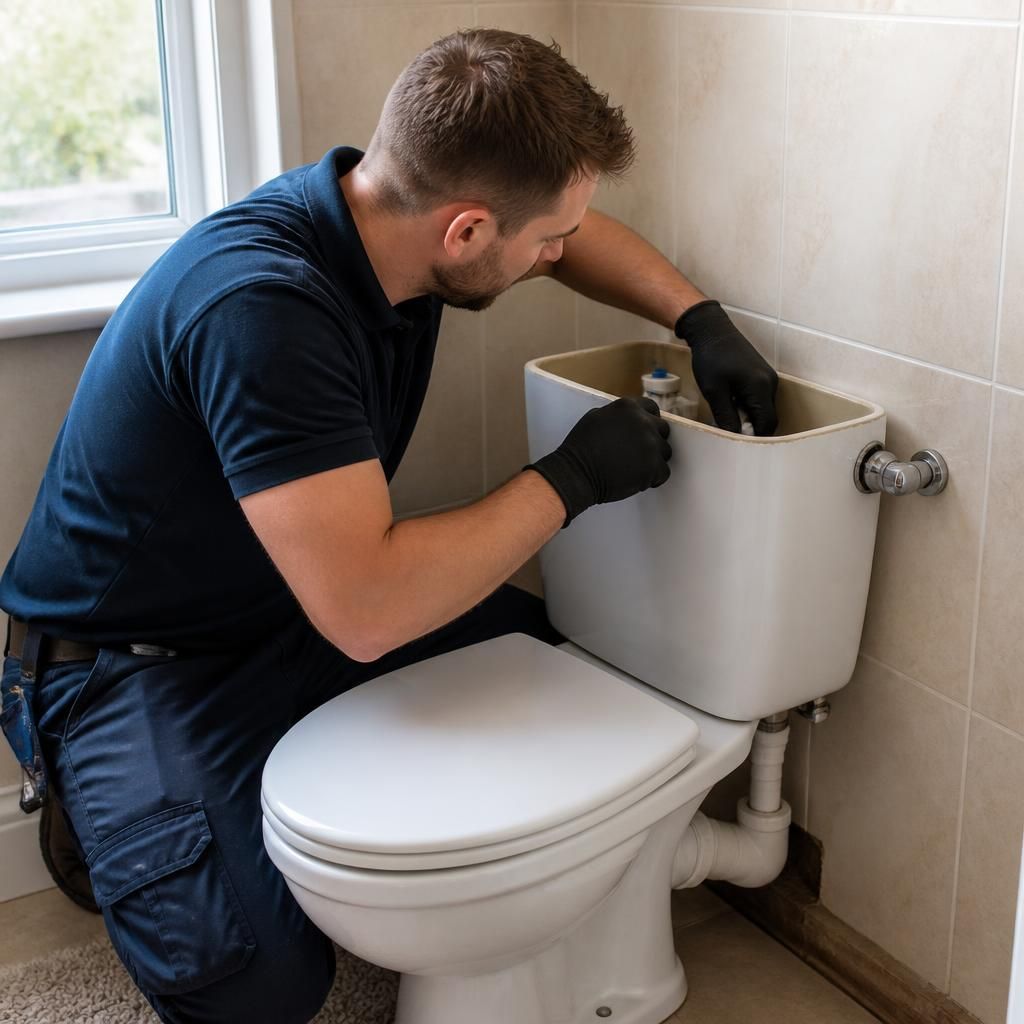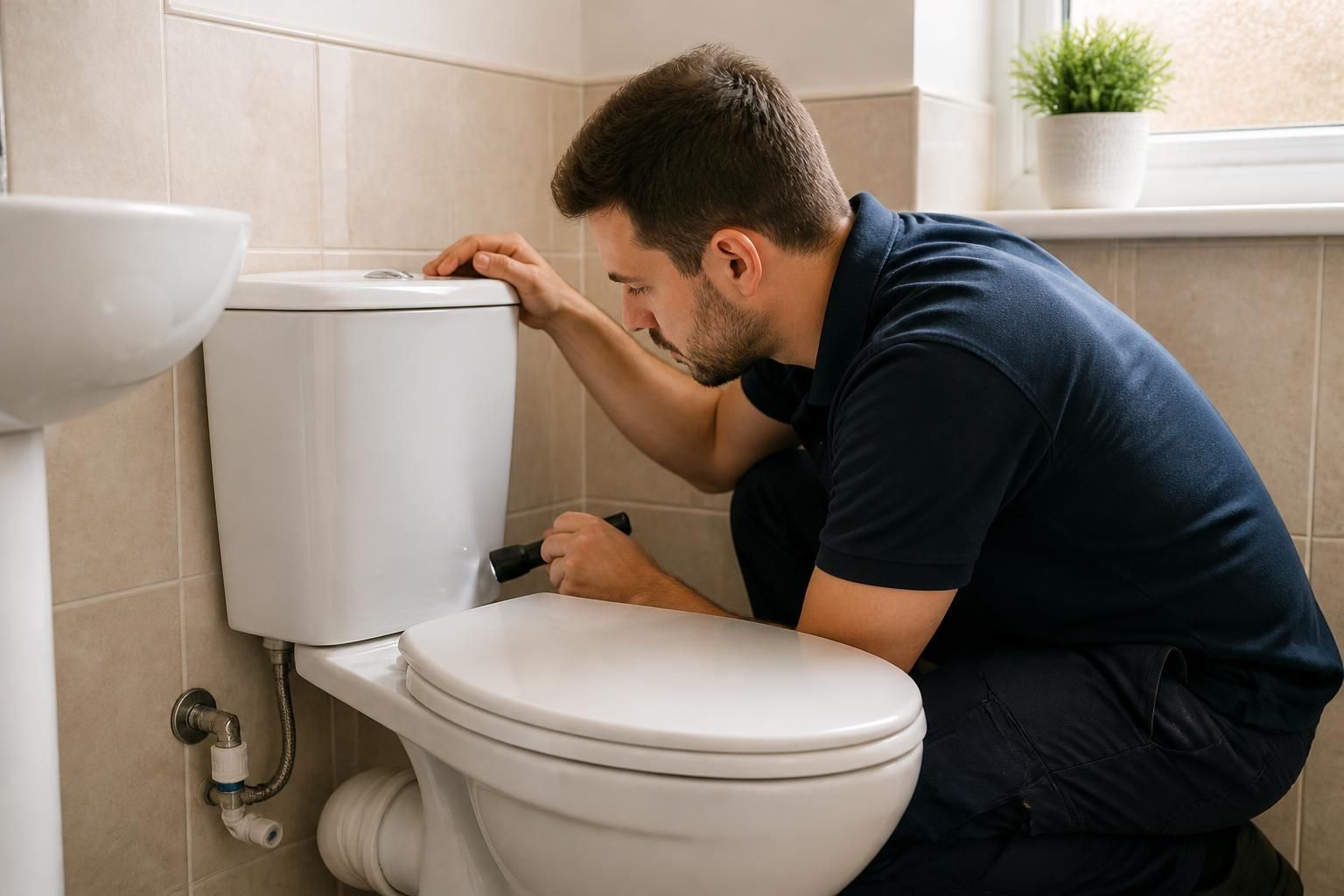
There is no single fixed toilet leak detection cost. The amount depends on where the leak is occurring, how easily the relevant components can be inspected, and whether identifying the fault requires specialist equipment. Detection and repair are usually separate parts of the work, so the price of replacing a failed seal, valve, connector or section of pipe may be additional.
What the assessment may involve
- Checking the cistern, flush valve, inlet valve, overflow and visible connections for signs of water escaping.
- Inspecting the pan connector and the pipework behind or beneath the toilet, where access may be restricted.
- Testing whether water is continually entering the bowl, which can indicate a faulty internal valve or flush mechanism.
- Looking for moisture around the toilet base, nearby flooring, skirting boards or the ceiling below.
- Using more detailed leak detection methods if the source is concealed or the visible symptoms do not identify the fault.
A simple, visible leak can often be assessed during a standard plumbing inspection. Costs can increase when the toilet has to be moved, access panels or flooring need to be opened, or the suspected leak is within concealed pipework. The condition and type of the existing toilet can also affect the work involved, particularly where older or unusual fittings are present.
Common faults that affect the overall cost
- Inlet valve or flush valve: Water may run into the pan or continue filling the cistern. Replacing an internal component is often a different job from locating a concealed leak.
- Pan connector or waste joint: A leak may appear at the base or rear of the toilet, with access determining how straightforward the repair is.
- Supply connection: A loose or degraded connector can release water around the cistern or wall.
- Seal at the toilet base: Moisture may be intermittent and can be mistaken for condensation or splashing.
- Concealed pipework: A damp patch away from the toilet does not necessarily show the exact point where water is escaping, so further investigation may be needed.
Before work starts, ask whether the quoted amount covers diagnosis only or includes a specific repair. It is also sensible to confirm whether labour, materials, removal and refitting of the toilet, and any necessary follow-up testing are included. An itemised explanation makes it easier to distinguish the detection cost from the cost of putting the fault right.
Do not ignore a small or intermittent leak. Continued moisture can damage flooring, skirting boards, ceilings and surrounding fittings, while a slow cistern leak can waste water without producing an obvious puddle. If the toilet is leaking near an electrical fitting, causing visible water damage, or releasing water from a waste connection, stop using it where practical and arrange a professional assessment.
Ideal Plumbing Services can inspect toilet leaks and explain the likely source, the required work and any separate repair charges before proceeding. For homes, rented properties and managed accommodation across Birmingham and the West Midlands, a clear diagnosis helps the owner, landlord or tenant decide whether a component repair, pipework repair or toilet replacement is the most appropriate option.