Many commercial drain faults can be addressed without opening the ground, provided the existing pipe is structurally suitable and accessible from an inspection chamber or other access point. The appropriate method is selected after assessing the defect, pipe material, diameter, alignment and surrounding conditions rather than simply choosing the least disruptive option.
Common non-excavation repair methods include:
- Sectional patch repairs: A resin-impregnated patch is positioned over a local crack, leaking joint or small area of damage. It hardens against the internal pipe wall and is suited to isolated defects.
- Internal drain lining: A resin-coated liner is inserted into a prepared section of pipe and formed against the existing surface. Once cured, it creates a continuous internal lining that seals multiple cracks, joints or areas of corrosion.
- Localised joint sealing: Where the main problem is water ingress or leakage at a joint, a targeted seal may resolve the fault without replacing the full pipe run.
- Root or obstruction removal followed by repair: If roots or hardened deposits have contributed to damage, they may need to be removed before the pipe is patched or lined. Clearing the obstruction alone does not necessarily repair the underlying defect.
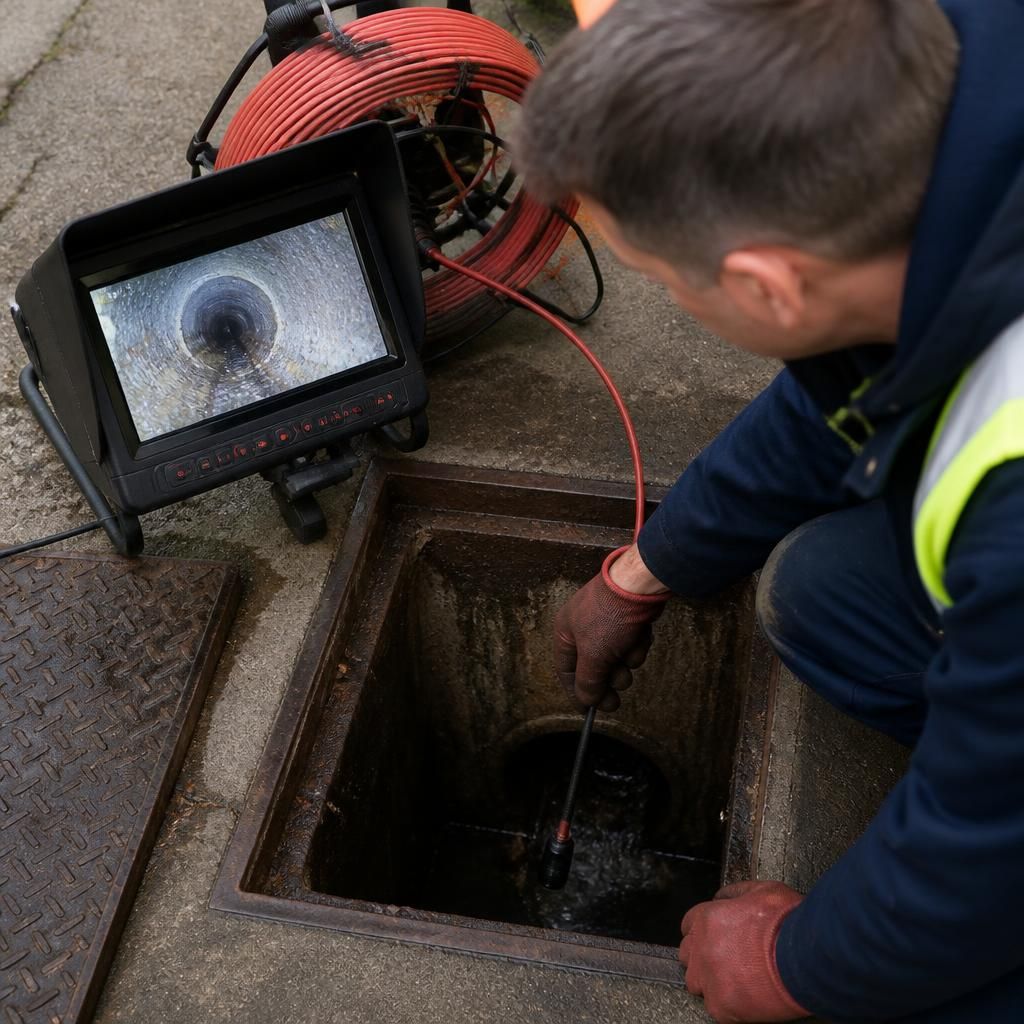
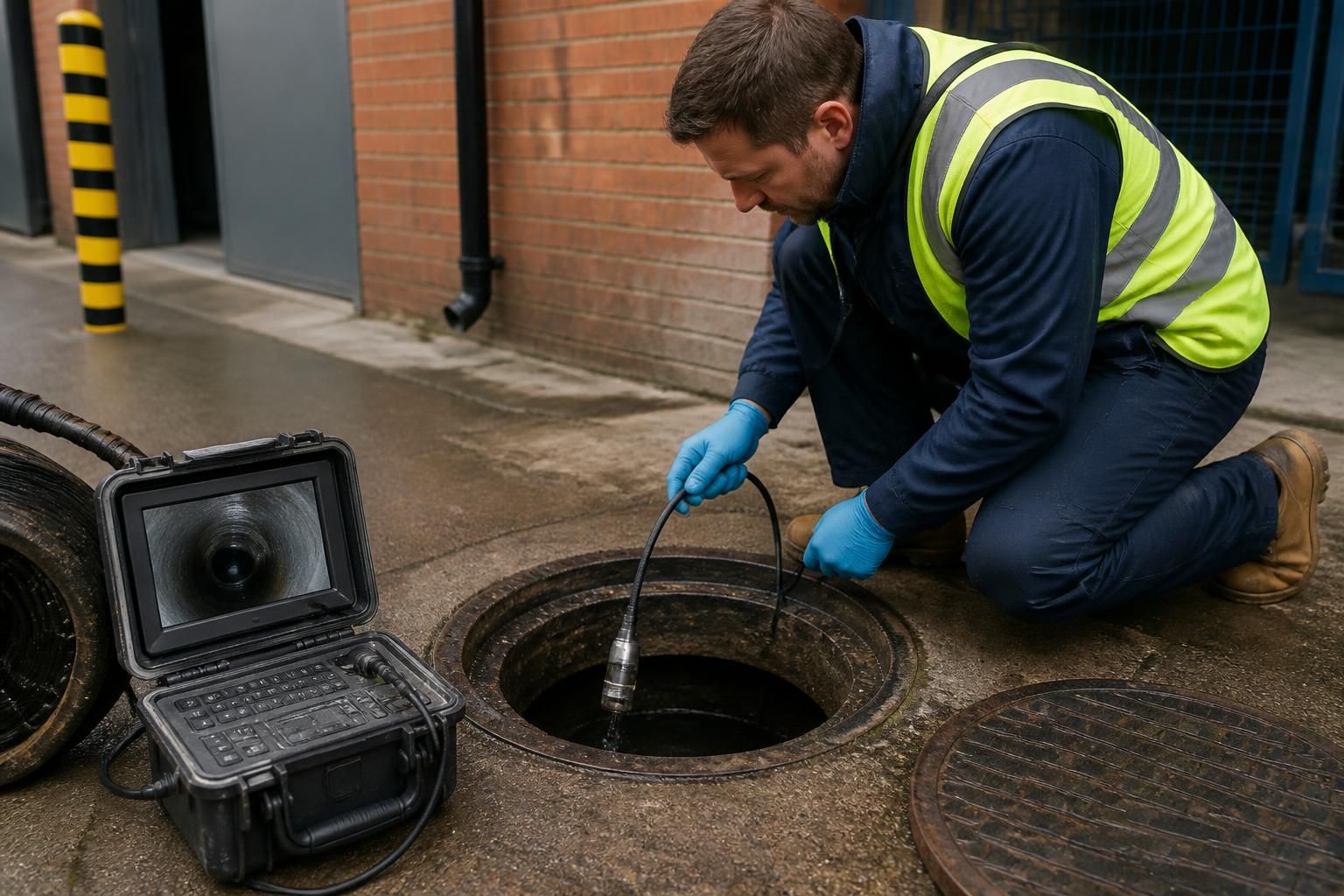
A commercial CCTV drain survey is normally central to the decision. The camera examination can identify the position and extent of cracks, open joints, displaced sections, corrosion, root ingress and deformation. It also helps establish whether the affected run can be reached through existing access points and whether connections or branch pipes will interfere with a lining system.
Preparation is important. Deposits, grease, silt and loose material generally need to be removed so that a patch or liner can bond properly to the pipe wall. A further inspection may then be used to confirm the condition of the cleaned section and measure the pipe accurately. If lining is proposed, the contractor may also need to account for branch connections, changes in diameter, bends and the time required for the resin to cure.
Excavation may still be the more appropriate solution where the pipe has collapsed, is badly deformed, has lost its correct gradient or cannot be reached from suitable access points. It may also be needed where a section has separated substantially, where a chamber or connection has failed, or where the surrounding ground has been affected by a significant leak. In these situations, a no-dig repair could leave the underlying structural problem unresolved.
There are practical differences between a patch and a full internal lining. A patch is generally focused on a defined defect, while lining is intended for a longer run with several defects or widespread deterioration. Lining does reduce the internal diameter slightly, so the effect on flow capacity should be considered, particularly on heavily used commercial drainage systems. The liner must also be compatible with the pipe and the type of waste passing through it.
Before work starts, a commercial drainage contractor should explain the survey findings, recommended repair, access requirements and any limitations identified. The written scope should distinguish between cleaning, investigation and permanent repair, and should record the repaired section for future maintenance. A post-repair CCTV inspection can provide useful evidence that the defect has been treated and may form part of the building's drainage records.
For businesses, the main benefit of a suitable trenchless repair is that it can avoid removing floors, paving, landscaping or other surfaces above the drain. It does not mean that there will be no preparation or site impact: access chambers may need to remain available, equipment may occupy part of the site, and affected drainage facilities may need to be managed while the work is carried out. The survey and repair plan should therefore be reviewed alongside the property's operational requirements.