Commercial drain services are priced by combining the work required with the resources needed to complete it. A straightforward blockage clearance is generally assessed differently from CCTV surveying, high-pressure water jetting, drain tracing, structural repair or excavation. The quotation should therefore identify the fault, explain the proposed remedy and show which costs are included.
The main factors affecting the price include:
- Type of problem: A blockage, recurring overflow, damaged pipe, collapsed drain or defective manhole requires a different method of investigation and repair.
- Extent of the fault: A local obstruction may need limited work, while several connected drains or repeated blockages can require a wider survey and more involved remedy.
- Access: Pricing may be affected by the location of the drain, the depth of the pipe, restricted access, confined spaces, traffic management requirements and whether fixtures, paving or other surfaces obstruct the work area.
- Specialist equipment: CCTV cameras, drain locators, jetting equipment, pumps and other tools may be needed to identify or resolve the problem. Equipment requirements depend on the pipe size, condition and position.
- Repair method: Localised repairs, patch lining, relining and excavation involve different materials, preparation and labour. Where excavation is necessary, reinstatement of surfaces can form part of the overall cost.
- Waste and disposal: Removed debris, contaminated water, silt or damaged materials may need to be contained and disposed of in accordance with applicable requirements.
Some contractors use a call-out charge to cover travel, attendance and an initial assessment. Others may price the visit alongside the diagnostic work or provide a fixed price for a defined service. A call-out charge does not necessarily represent the full cost of resolving the fault, so businesses should ask whether inspection, labour, equipment and any follow-on work are included.
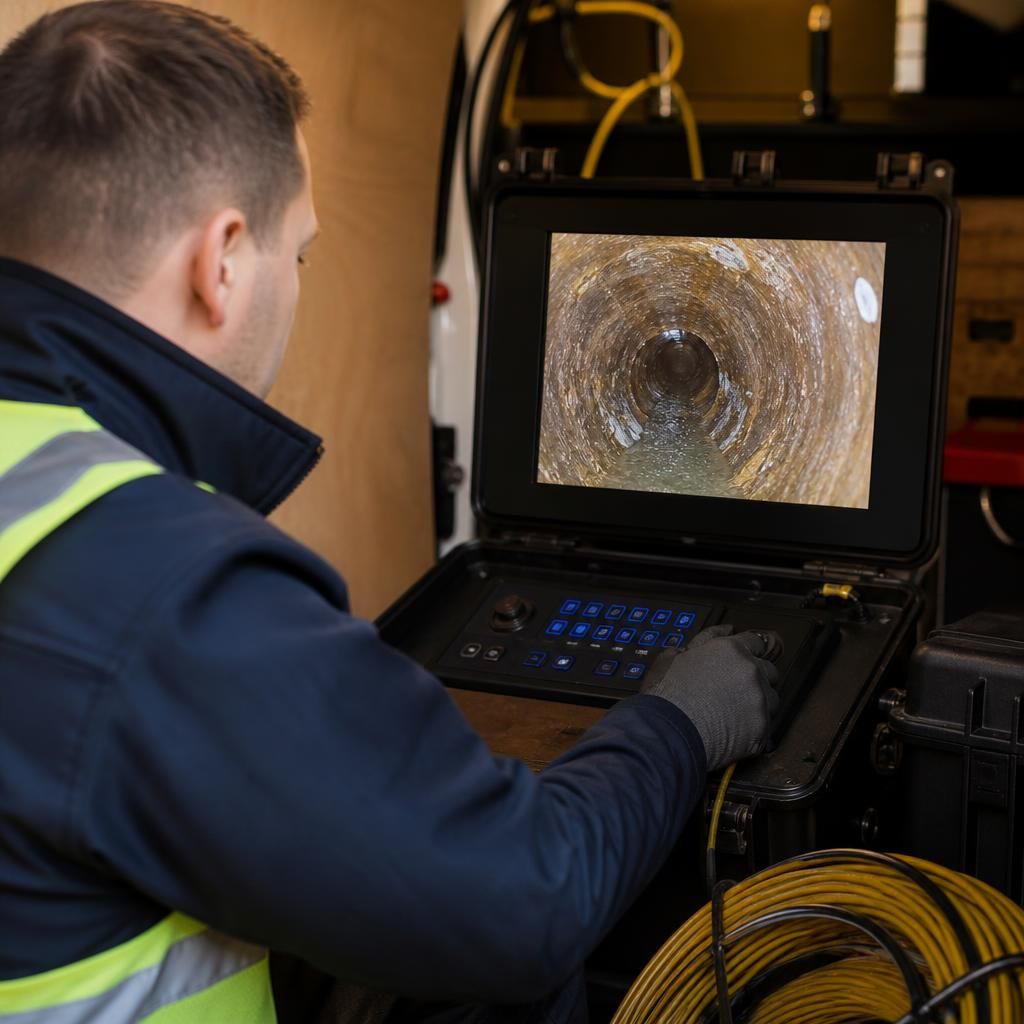
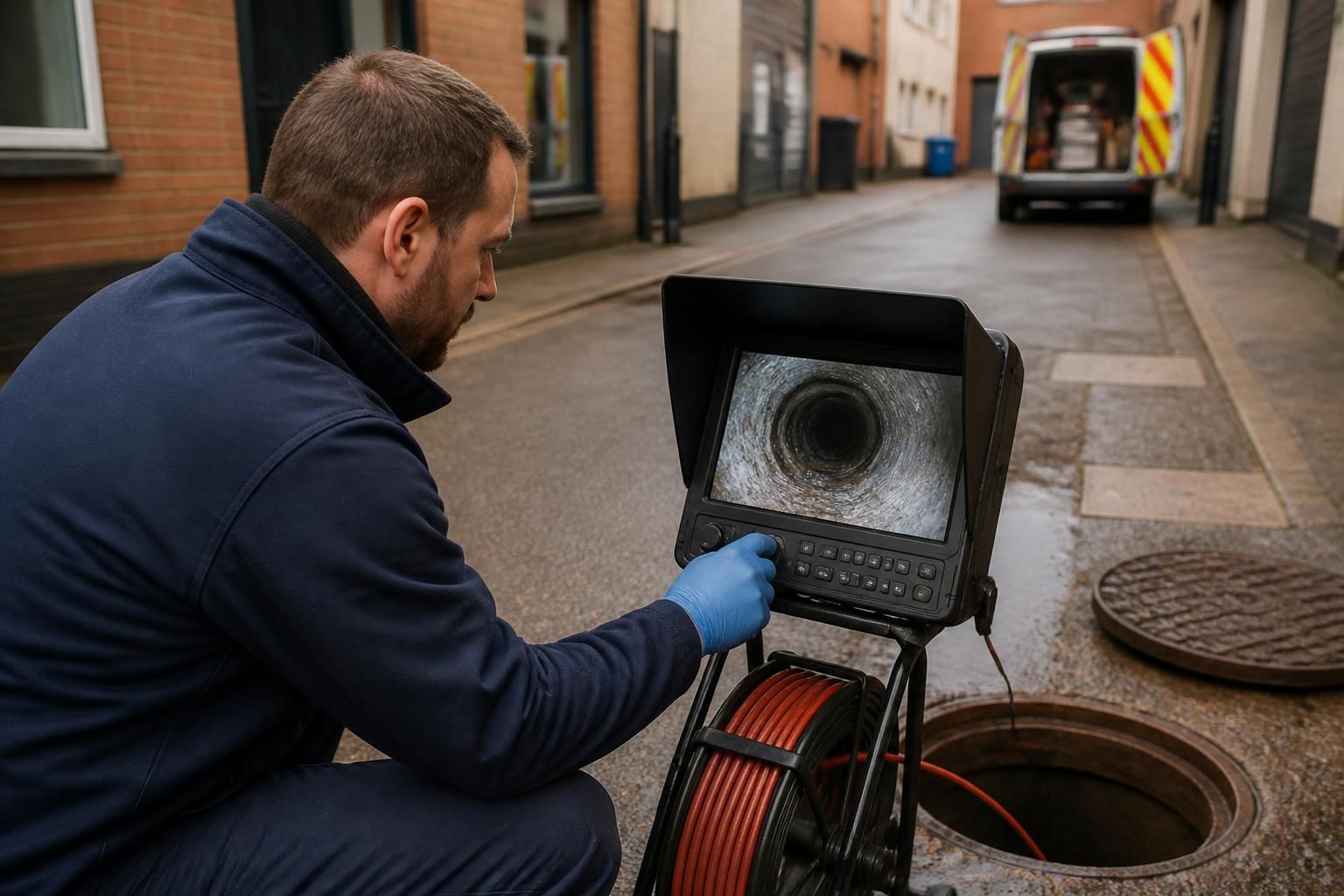
For more complex faults, the first visit may establish the likely cause rather than provide a complete repair price. For example, a CCTV survey can reveal whether a blockage is caused by silt, root ingress, a displaced joint or a damaged section of pipe. The findings can then be used to prepare a more accurate quotation instead of pricing an extensive repair before the condition of the drain is known.
Businesses should check whether the quoted price covers the complete scope of work. Important points include:
- the specific drain or drainage section being investigated;
- the inspection or clearance method;
- labour and equipment charges;
- materials and replacement components;
- access equipment, traffic management or surface removal where relevant;
- waste handling and disposal;
- reinstatement after repair;
- VAT and any other applicable charges; and
- the cost of additional work if the investigation identifies a separate fault.
A clear quotation should distinguish between confirmed work and possible additional work. This is particularly important where the drain is below a floor, car park, roadway or landscaped area, because the final repair method may depend on what is found beneath the surface. The business should explain what would trigger a change in price and seek approval before carrying out work outside the agreed scope.
For planned maintenance, pricing may be based on the number and type of drainage assets, the inspection frequency, the level of reporting required and the response arrangements set out in the maintenance agreement. A scheduled service can be assessed differently from a single fault investigation, although the agreement should still define exclusions such as major repairs, excavation, replacement parts or disposal costs.
Before booking commercial drain work, provide the property address, the nature of the fault, when it was first noticed, any affected toilets or outlets, previous repair information and details of access restrictions. Photographs, drainage plans or earlier CCTV reports can also help the contractor understand the job and produce a more appropriate quotation.
For a business in Birmingham or elsewhere in the West Midlands, comparing quotations is most useful when each one describes the same scope of work. The lowest initial figure may not be the lowest overall cost if inspection, equipment, disposal or reinstatement is excluded. A properly itemised quotation allows the business to compare like for like and understand the financial implications before authorising commercial drain work.