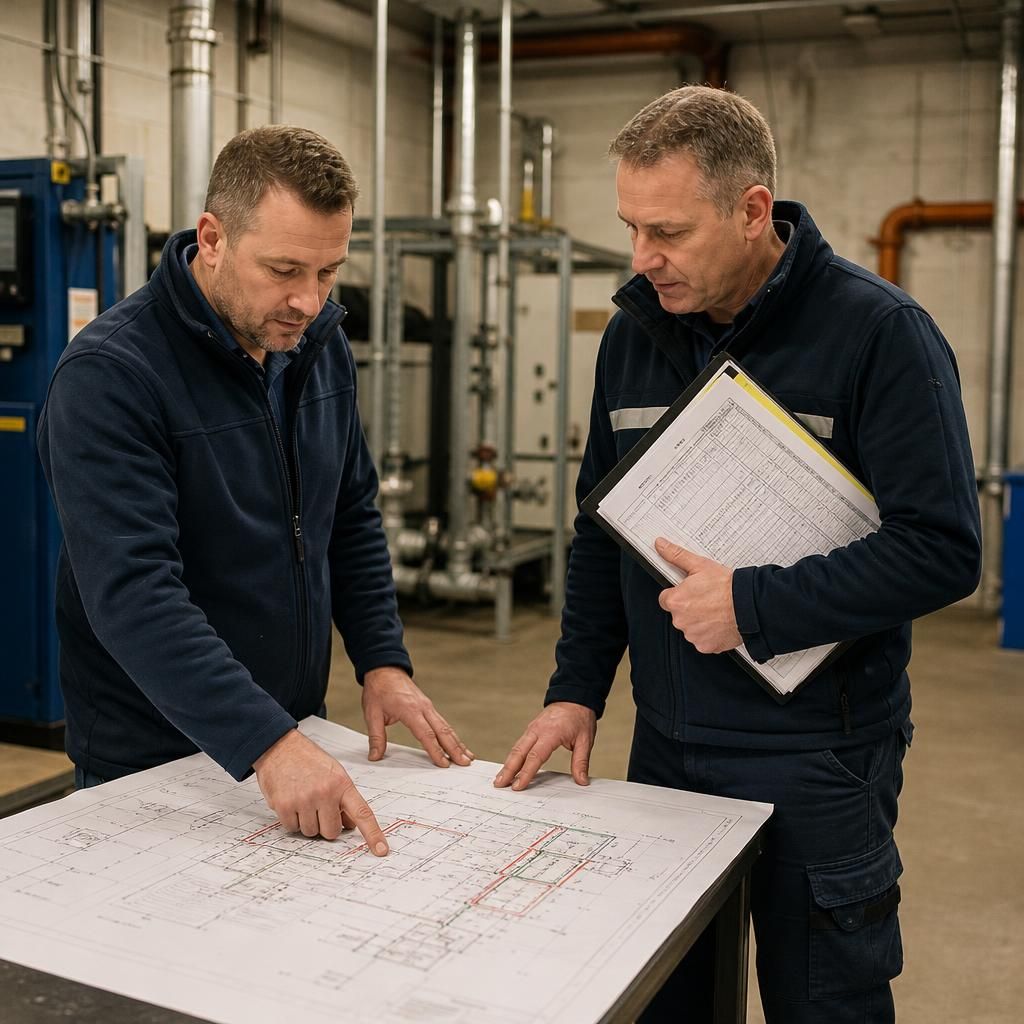
Businesses should provide enough operational, technical and administrative information for the drainage contractor to understand the job, identify the right personnel and prepare an appropriate method of work. In addition to describing the visible problem, the booking should establish who is responsible for the premises, what outcome is required and whether the proposed work needs approval or special arrangements.
Explain the type of work required
State whether you are seeking a blockage clearance, investigation, CCTV inspection, drain cleaning, repair or advice about a recurring fault. If the cause is not known, say that clearly and request an investigation rather than describing a specific repair that may not be suitable. A contractor can then allow for diagnostic work before recommending the permanent solution.
It is also useful to explain the expected result. For example, the aim may be to restore drainage to a kitchen, prevent repeated backing-up, confirm the condition of a private drain or determine whether a defect is within the building’s responsibility. This helps separate an immediate remedial task from a wider drainage assessment.
Identify the drainage system and responsibility
Tell the contractor whether the drain is believed to serve one property, several units or a wider site. Clarify whether it carries foul water, rainwater or a combination of flows, where this is known. Shared drains, boundary runs and connections serving neighbouring premises can affect who is authorised to instruct work and whether other parties need to be notified.
For rented or managed premises, provide the name and role of the person authorising the work. A tenant, landlord, managing agent or facilities manager may have different powers to approve investigation, disruption or permanent repairs. Confirm who can agree additional work if an inspection identifies a defect that was not apparent at the time of booking.
Provide relevant operating information
Describe how the drainage system is used and whether particular activities may affect the investigation. A restaurant, office, school, healthcare setting, warehouse and residential block can have different discharge patterns and risks. Mention commercial processes that introduce grease, sediment, chemicals, fibres or other materials into the drainage system, as these may influence the equipment and cleaning method selected.
State whether the issue affects a single outlet, a group of facilities or the whole premises, without assuming that the nearest visible symptom identifies the location of the defect. If the business has experienced similar problems before, provide the dates and the type of work previously carried out. Recurring faults may need a different approach from a one-off obstruction.
Include safety and compliance information
Tell the contractor about known hazards before work is arranged. Relevant information may include contaminated water, chemical residues, confined spaces, fragile surfaces, asbestos concerns, electrical risks, restricted plant areas or other hazards identified by the site’s risk assessments. If the premises requires contractor induction, specific personal protective equipment, method statements or permits, explain the procedure at the booking stage.
Where work may affect tenants, staff, customers or neighbouring occupiers, explain any internal approval process that applies. The contractor may need to coordinate with a responsible person on site, but operational requirements should not be treated as permission to carry out work. The person booking the service should confirm that the business has authority to instruct the proposed investigation or repair.
Give commercial and invoicing details
Provide the legal or trading name of the business, the department placing the order and the contact who can make decisions about the work. Confirm whether the job requires a purchase order, quotation approval, supplier registration or a particular invoicing format. Include the accounts contact and billing details separately from the on-site contact when they are different.
Ask how the contractor will report findings and price any work beyond the original instruction. It is sensible to establish whether the initial booking covers investigation only, whether remedial work needs separate approval and what information will be supplied after the visit. A written description of the agreed scope reduces uncertainty when the drain requires more than the first suspected remedy.
Prepare information for the site visit
Keep any available maintenance records, previous reports, drainage surveys and correspondence together for the contractor. Record the names of people who know the site’s drainage layout and identify the person who will confirm the completed work. If the contractor may need to discuss findings with a property owner, insurer or managing agent, provide those contact details in advance.
Before confirming the booking, ask what the contractor needs to assess the job properly and what will be included in the written findings. Clear information at this stage supports a more suitable work plan, helps distinguish investigation from repair and makes it easier for the business to compare quotations on a like-for-like basis.