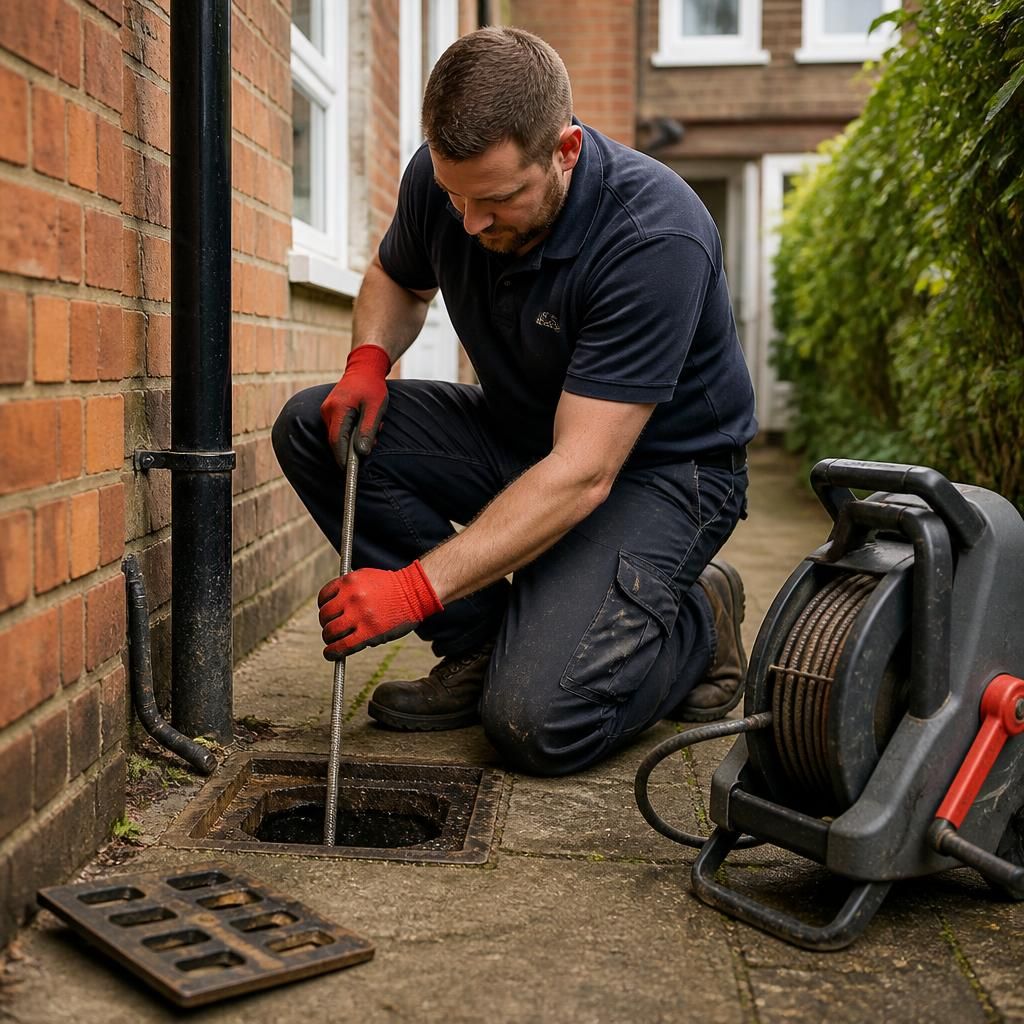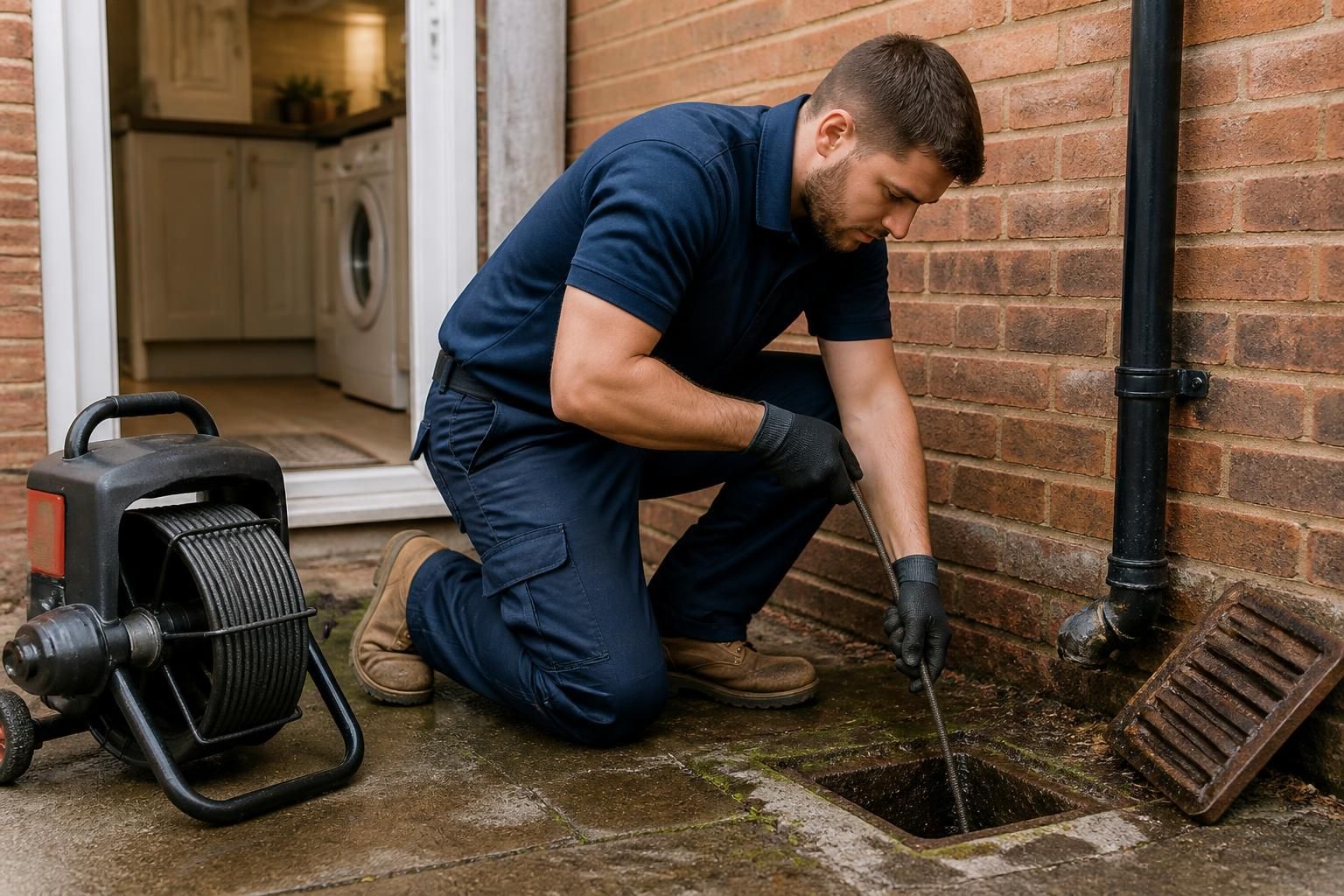
Drain cleaning is suitable for rented houses, flats and other residential properties, but the person arranging the work should first establish who is responsible for the blockage and whether permission is needed. The tenancy agreement, the location of the problem and the cause of the obstruction will usually help determine whether the tenant, landlord or managing agent should organise and pay for the work.
Tenants should report the issue before arranging routine cleaning. A tenant will generally need to tell the landlord or letting agent about a blocked sink, toilet, shower or external drain, particularly where the blockage affects shared pipework or may be connected with a defect in the property. Written notification, such as an email or message through the agent’s maintenance system, creates a useful record of when the problem was reported and what symptoms were present.
A tenant may have more responsibility where the blockage resulted from misuse, such as flushing unsuitable items, disposing of fats and oils down a sink, or allowing excessive hair and debris to enter a waste. Responsibility can be less straightforward when the obstruction is caused by defective pipework, tree roots, structural damage, inadequate drainage or a blockage in a communal system. These causes cannot always be identified without inspection, so the agreement and the evidence from the visit should be considered together.
Landlords and agents should consider arranging an inspection when:
- the blockage returns after basic clearing;
- more than one outlet is affected;
- wastewater is backing up or overflowing;
- the issue involves external drains, shared pipework or communal areas;
- there is a suspected leak, damaged pipe or drainage defect; or
- the tenant cannot safely access or clear the affected fitting.
Where access is required, the tenant should follow the landlord’s or agent’s arrangements for entry. Drain cleaning equipment can involve rods, pressure-cleaning equipment or inspection tools, depending on the location and type of obstruction. The appropriate method should be selected after considering the pipe material, access points and the risk of damaging older or fragile drainage components.
Tenants should avoid repeatedly using strong chemical drain cleaners, especially if the cause of the blockage is unknown. These products may not remove a solid obstruction and can leave hazardous residue in the pipe or fitting. They can also create a safety risk for anyone who later opens the trap or works on the drain. Keeping sinks, toilets and shower wastes free from unsuitable materials is a useful preventative measure, but persistent blockages require investigation rather than repeated chemical treatment.
For landlords, a clear record of the work is useful. The engineer’s findings, photographs where appropriate, description of the obstruction and details of the cleaning carried out can help distinguish a one-off blockage from a recurring drainage fault. This information may also support decisions about further repairs, maintenance responsibilities or action required elsewhere in the property.
A blocked drain accompanied by sewage contamination, flooding or an unusable toilet should be treated as a plumbing problem requiring prompt attention. Keep people and pets away from contaminated water, avoid contact with affected surfaces and tell the landlord or managing agent what has happened. If the issue is part of a wider plumbing fault, drain cleaning alone may not resolve it; the underlying pipework or drainage connection may also need assessment.
Ideal Plumbing Services can assess and clean drains in rented properties for landlords, tenants and letting agents. The person booking the work should provide details of the affected fixture, any previous blockages, visible overflow and whether permission for access has been confirmed. This helps the drainage professional prepare for the visit and ensures that the findings can be reported to the appropriate responsible party.