Preparing a property for drain jetting means arranging safe access, confirming who can authorise the work, protecting internal areas from dirty water, and making the drainage system ready for inspection and cleaning. Good preparation helps the plumber assess the blockage, choose suitable equipment and carry out the work without avoidable delays or damage.
Before the appointment:
- Confirm responsibility for the drain. If the affected pipe serves more than one property, or the work is being arranged for a rented home, check whether approval is needed from a landlord, managing agent, neighbouring property owner or water authority.
- Provide useful property information. Note which fixtures are affected, when the problem started, whether wastewater is backing up and whether any unusual smells or noises have occurred. This information can help the plumber distinguish between a local blockage and a wider drainage fault.
- Avoid adding more water to the system. Do not run taps, use washing machines or dishwashers, or flush toilets unnecessarily if doing so causes slow drainage or a risk of overflow. Do not pour drain cleaner into the pipe before jetting, as chemical residue can create a handling hazard and may affect the cleaning process.
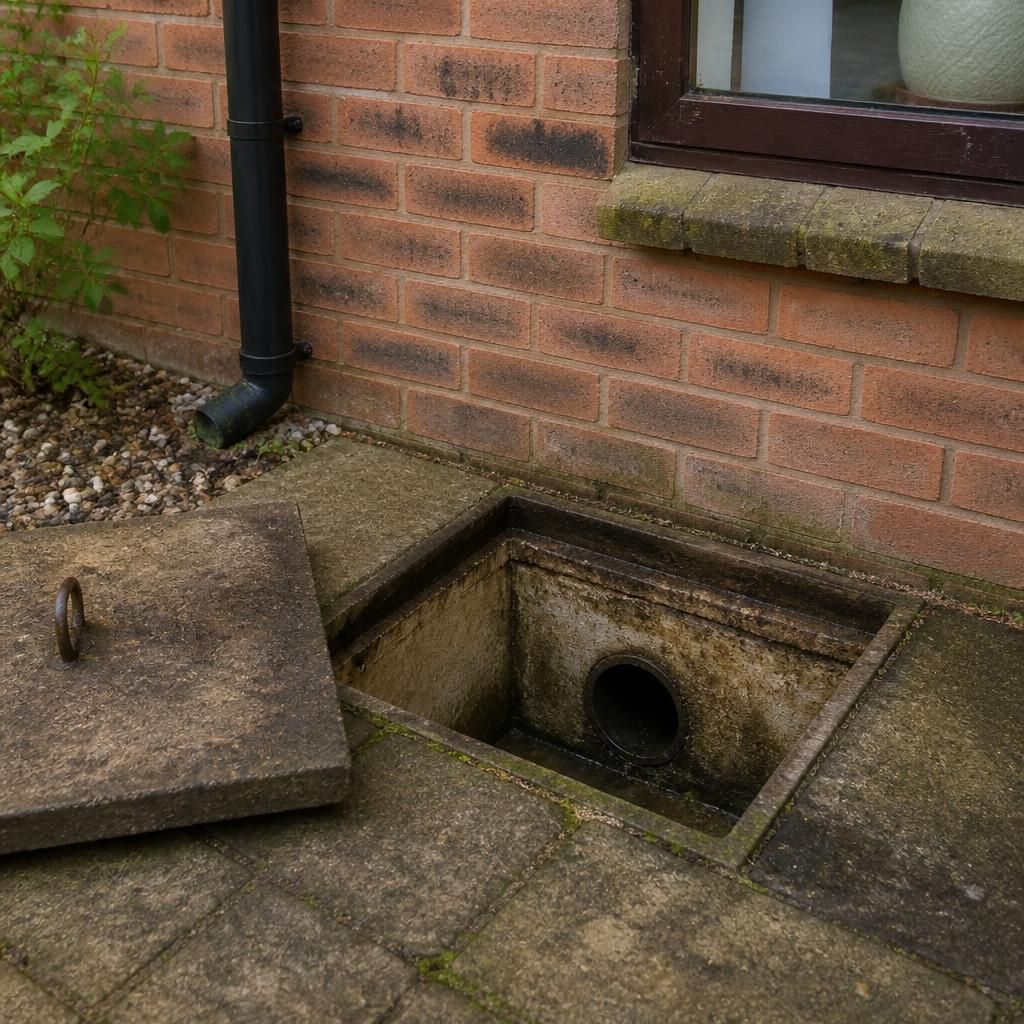
- Keep drainage covers undisturbed. Do not attempt to lift a heavy or damaged manhole cover yourself. Covers can be difficult to handle safely, and forcing one open may cause injury or worsen damage around the access point.
- Protect routes through the property. Where equipment must pass through an internal area, remove loose floor coverings and provide a clear, stable route. Keep absorbent cloths or suitable floor protection available, particularly near utility rooms, kitchens and other areas close to drainage points.
- Make external working conditions safer. Clear loose objects, garden furniture and other trip hazards from the route to the drainage access point. In poor weather, identify any slippery surfaces or areas where standing water could make handling hoses and equipment unsafe.
- Arrange access to utilities only where appropriate. The plumber may need to discuss nearby water, electrical or gas services before work begins. Do not disconnect services or alter pipework yourself; provide information about known service routes instead.
Drain jetting is not simply a matter of inserting a hose into the nearest opening. The plumber may first inspect the pipe, establish the direction of flow and check whether the pipe shows signs of cracking, displacement, root ingress or previous repair work. If the condition of the drainage system is uncertain, the cleaning method and water pressure should be selected after that assessment rather than assumed in advance.
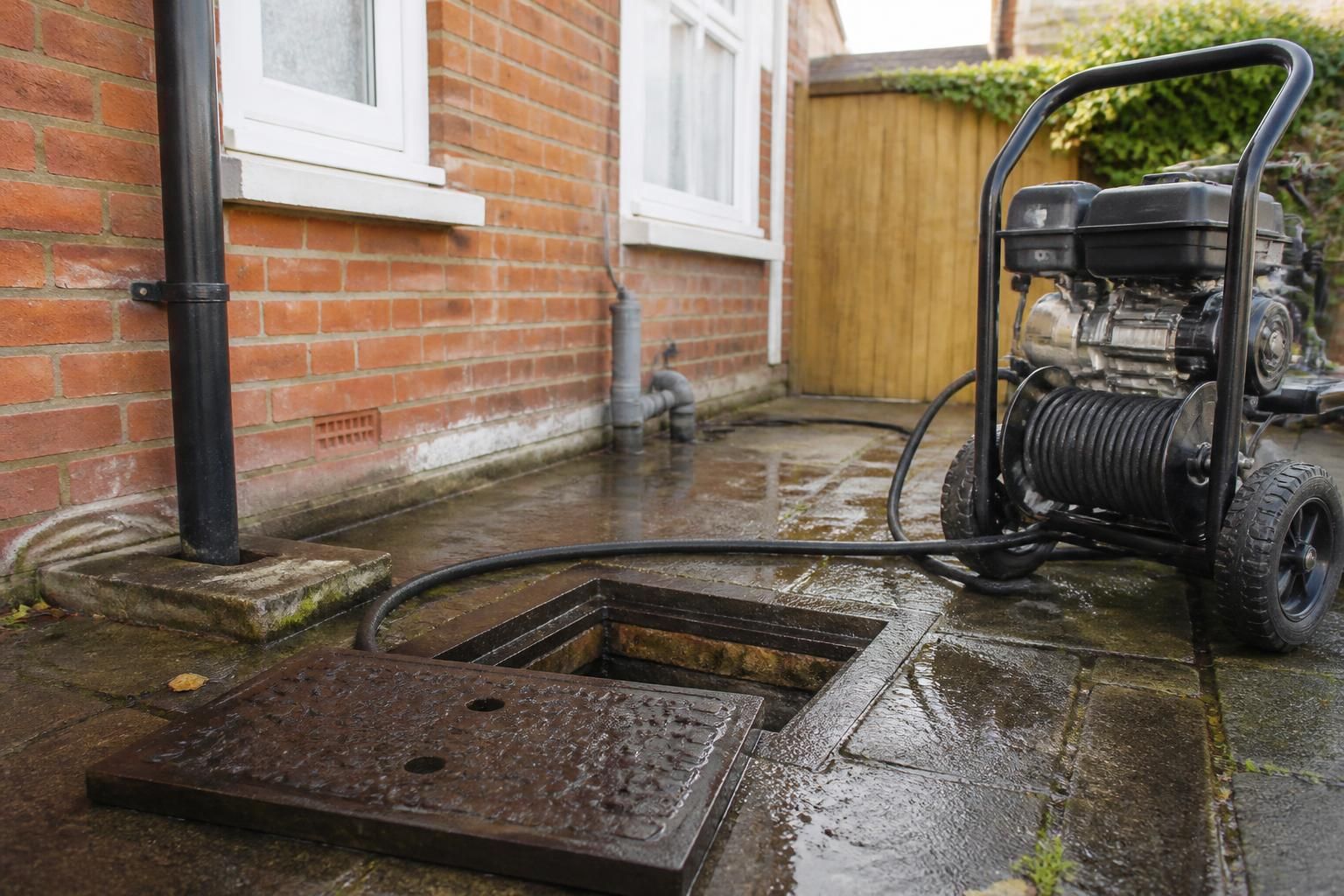
During the work, keep people away from open access points, hoses and jetting equipment. Drainage openings should not be left unattended, and nobody should handle the hose or try to redirect wastewater. If an internal fixture begins to fill, smells become unusually strong or water appears where it should not, tell the plumber immediately rather than attempting to resolve the issue by flushing or using chemicals.
After jetting, ask what was found and whether any further inspection or repair is recommended. Cleaning can remove deposits and blockages, but it does not repair a collapsed, fractured or badly displaced pipe. A note of the affected drain, the work completed and any recommended follow-up can also be useful for landlords and homeowners managing future maintenance.
Ideal Plumbing Services can assess drainage problems and advise on suitable preparation for properties in Birmingham and across the wider West Midlands. If the condition or layout of the system is unclear, professional assessment is safer than attempting to expose, dismantle or clean the drain yourself.