Older residential drainage systems are not automatically unsuitable for jetting. The key considerations are the pipe material, its condition, the type of blockage and the access available for the equipment. A sound system may benefit from controlled jetting, while damaged or heavily deteriorated pipework may require a less forceful method or repair before cleaning.
Age can affect drainage in several ways. Older pipes may have worn joints, surface corrosion, hairline fractures, deformation, or deposits that have built up over many years. Clay and cast-iron systems can also be affected by displaced connections, root ingress and gradual movement in the surrounding ground. Jetting does not create these underlying problems, but water pressure can expose a weakness that was already present. For that reason, the drain’s condition should be considered before selecting the cleaning method.
A professional assessment may include:
- Reviewing the drainage layout: The position of inspection chambers, rodding points, bends and connections helps determine whether the jetting hose can be introduced safely and directed through the system.
- Identifying the pipe material: Different materials respond differently to pressure, abrasion and mechanical cleaning. The condition of the joints is also important, particularly where older sections connect to newer repairs.
- Inspecting the blockage: Grease, silt, scale, roots and solid obstructions may need different approaches. A blockage caused by roots, for example, may return if the root entry point is not addressed.
- Checking for structural defects: Cracks, open joints, collapsed sections or severe deformation can make high-pressure cleaning inappropriate until the defect has been assessed.
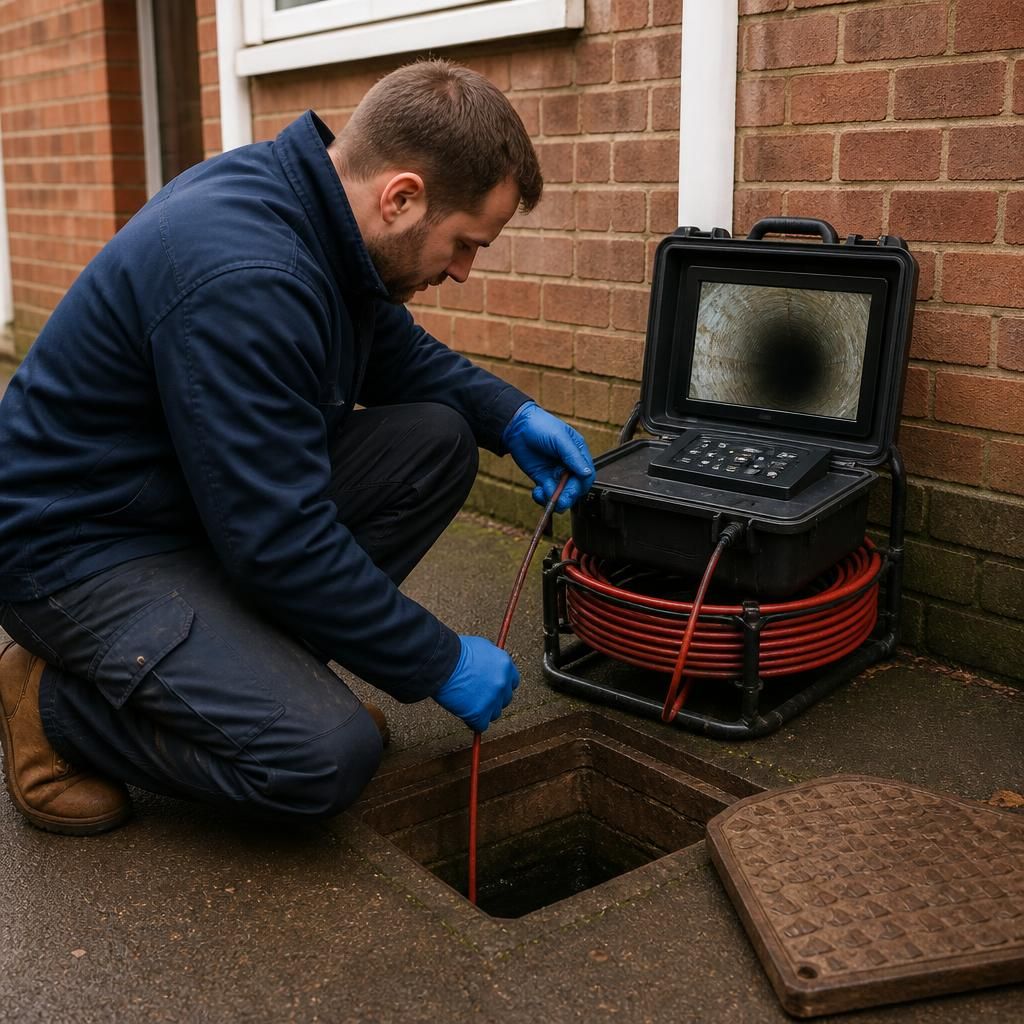
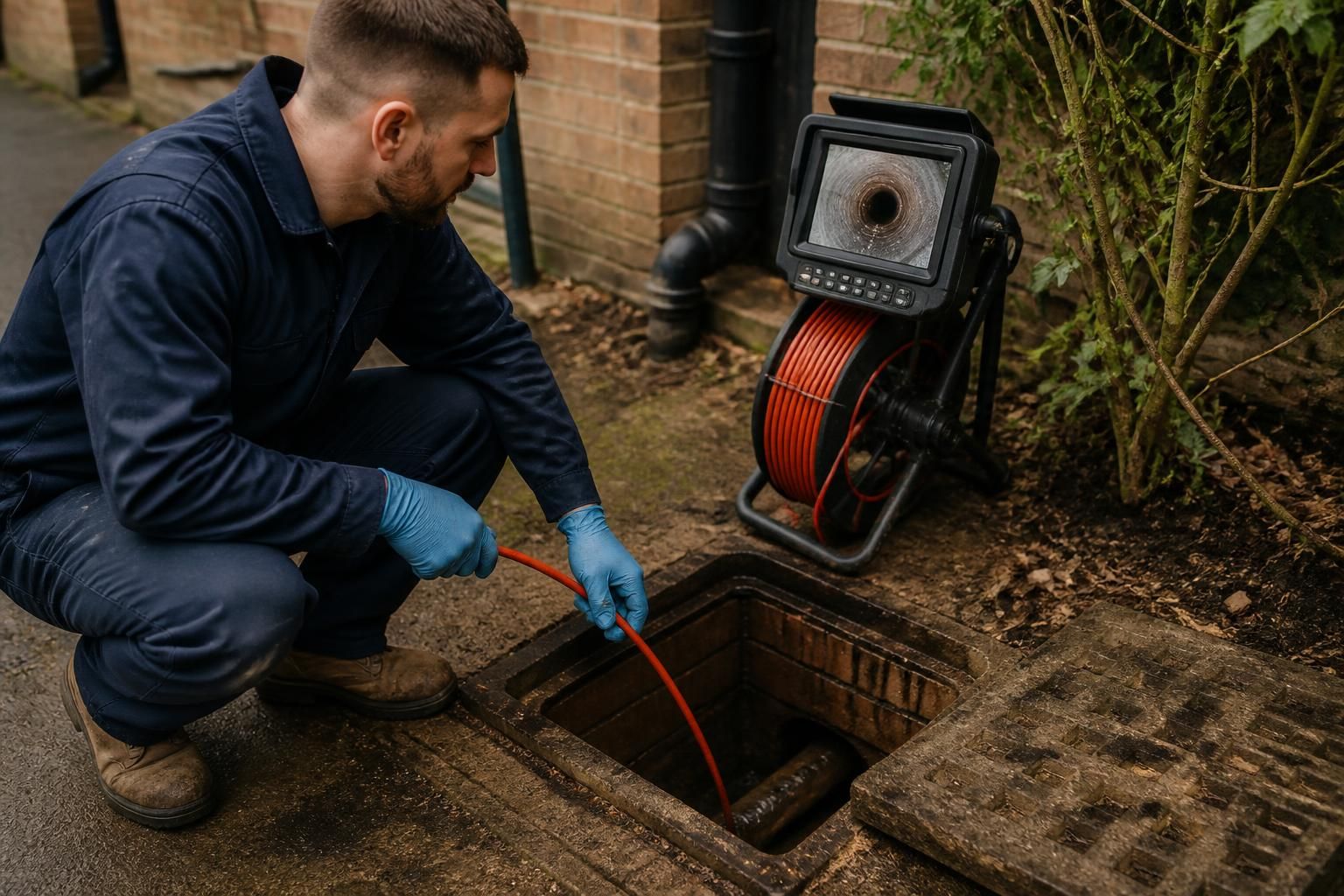
Where the condition is uncertain, a CCTV drain survey can show what is happening inside the pipe. It may identify the location of the blockage, confirm whether deposits are restricting the bore, and reveal defects that would not be visible from the inspection chamber. This helps the engineer decide whether jetting is appropriate and avoids treating a structural failure as though it were simply a routine blockage.
Pressure is not applied in the same way to every drain. The equipment can be operated according to the pipework and the obstruction, with the nozzle selected for the cleaning task. The operator also needs to consider the direction of travel, the position of the hose and the condition of access points. For older domestic systems, controlled cleaning is generally more appropriate than using excessive force to obtain a faster result.
There are situations where another method may be more suitable. A rodding or mechanical approach may be preferred for a local obstruction in vulnerable pipework. If deposits are present but the pipe is structurally weak, removing only part of the build-up may be safer than aggressive cleaning. Where a survey shows a displaced joint, fracture or collapsed section, repair or replacement is needed to resolve the cause rather than repeatedly clearing the symptoms.
Residents should mention relevant history before work begins, including recurring blockages, slow drainage, recent excavation, unusual smells, overflowing chambers or previous repairs. These details can help distinguish a one-off obstruction from a developing drainage defect. Access covers should also be identified, and internal fixtures should not be used to investigate a suspected external drain problem unless advised by a qualified professional.
After cleaning, the drainage should be checked for proper flow and any continuing signs of failure. If water remains slow, backs up again, or escapes from a chamber, the problem may involve a damaged section, inadequate falls, root ingress or a connection that needs attention. Drain jetting can restore the passage through a suitable older system, but it is not a substitute for repairing defective pipework.
For homeowners, landlords and tenants in Birmingham and the wider West Midlands, a qualified drainage professional can assess the system and explain whether jetting, another cleaning method or repair is the most appropriate option for the property.