Drain relining can be suitable for a shared drain when the pipe has enough remaining shape and strength to accept a new internal liner, and the work can be carried out through suitable access points. The assessment must consider the entire shared section, not just the part beneath one property, because defects, branch connections and access arrangements may affect everyone using the drain.
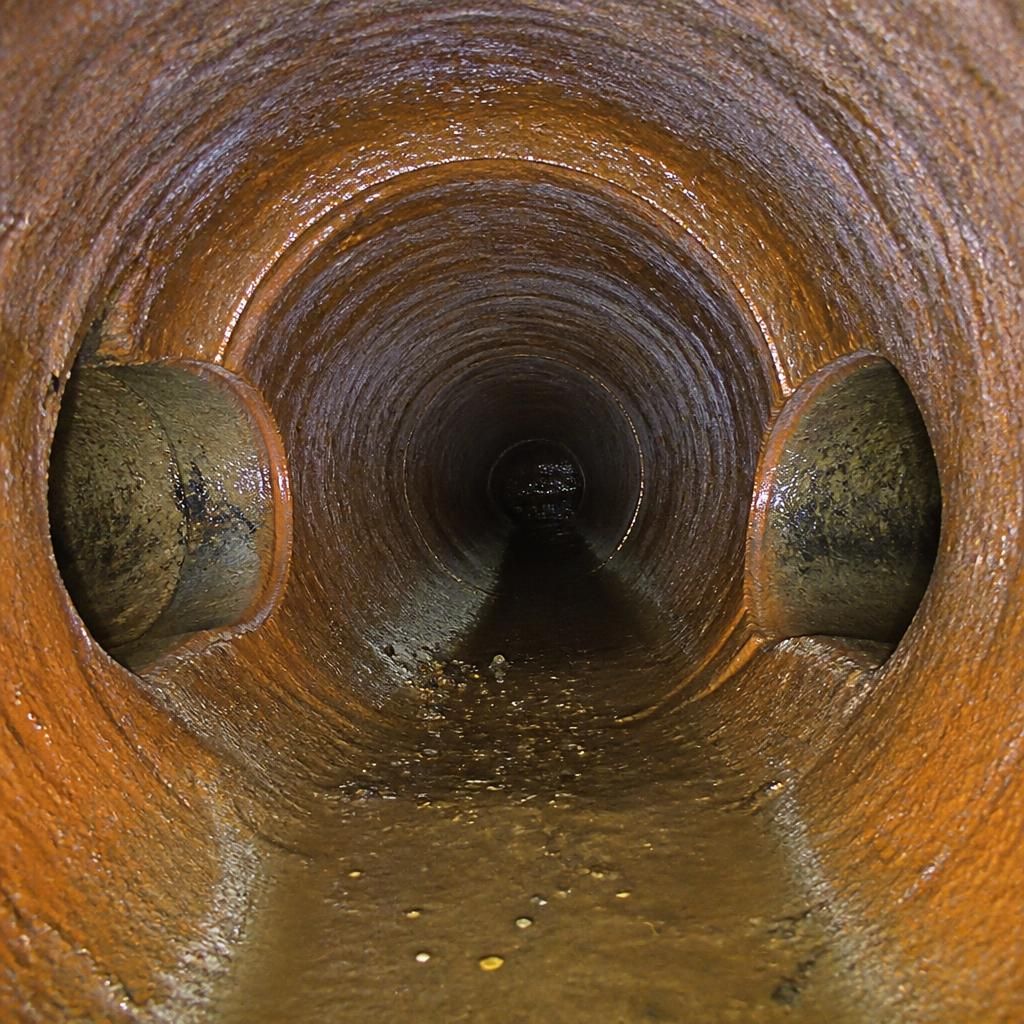
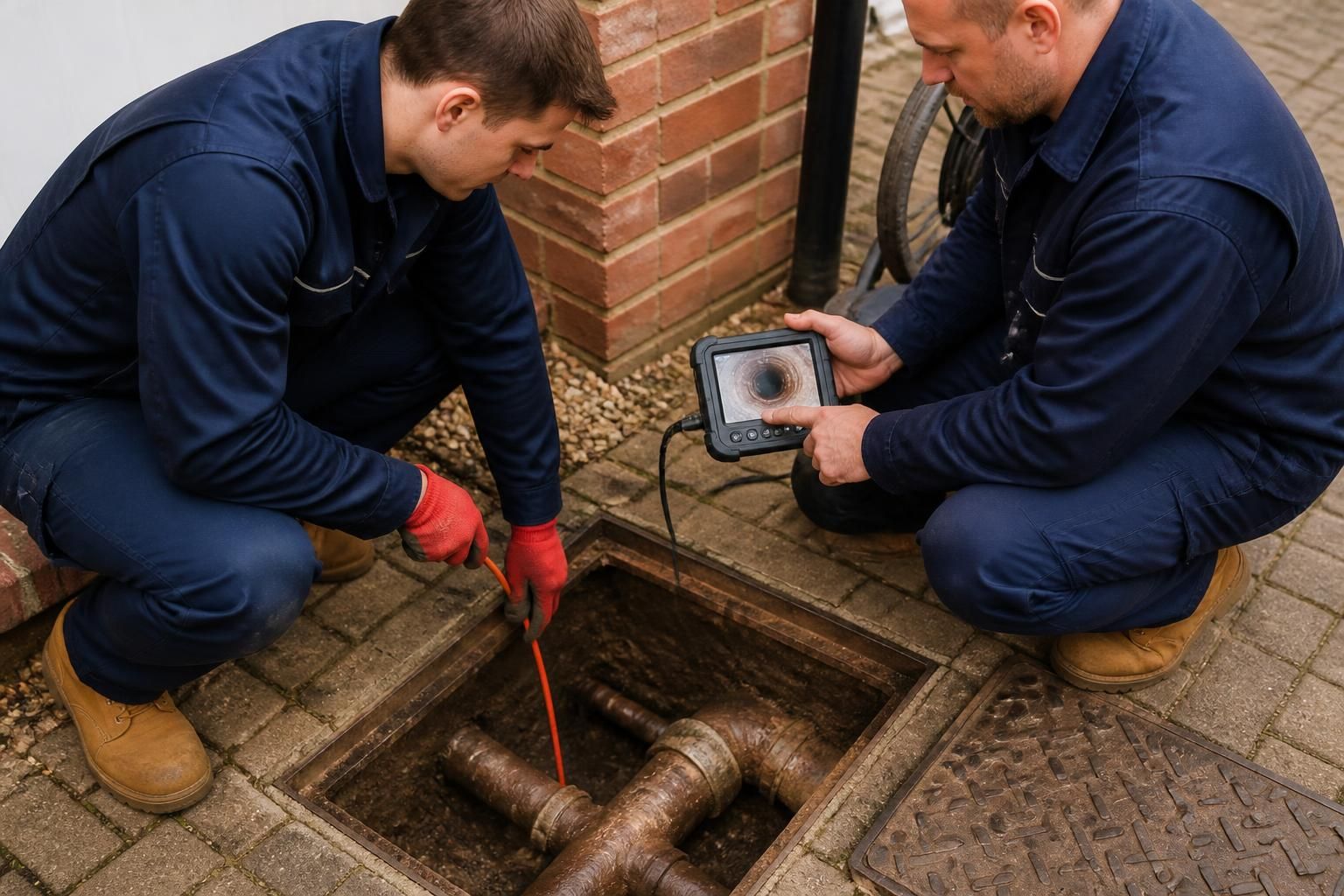
A typical assessment begins with a CCTV drainage survey. This identifies the pipe’s route, diameter, material, condition and connection points. It can show cracking, displaced joints, root ingress, corrosion, infiltration and other defects that a liner may resolve. The survey also helps establish whether the drain remains open enough for preparation and installation. Heavy blockages are normally cleared first so the internal surface can be inspected and prepared properly.
Shared drains often contain connections from several homes or buildings. These branches need particular attention during relining. Once the liner has cured, connection points may need to be opened accurately from inside the newly lined pipe so wastewater can continue to flow from each property. A survey should therefore record the position of every relevant connection before work starts. If a branch is damaged, inaccessible or incorrectly connected, it may require a separate repair rather than being dealt with by the main liner.
Access is another important consideration. The installation equipment is usually introduced through an existing manhole, inspection chamber or other suitable opening. If the shared drain has no usable access, or its route contains a severe collapse or major deformation, conventional excavation or a different repair method may be more appropriate. Relining cannot restore a pipe that cannot be reached or prepared adequately.
Before work is authorised, the parties involved should clarify:
- which properties connect to the affected section;
- who owns or manages the drain and who is responsible for arranging the repair;
- where access is needed and whether access crosses another property;
- whether occupants need to limit water use while the work is being completed;
- which branch connections, chambers or surface areas are included in the proposed work; and
- whether consent or approval is required from a landlord, managing agent, neighbouring owner or relevant sewerage authority.
Responsibility for a shared drain is not always determined simply by the location of the defect. It may depend on whether the pipe is private, jointly maintained or part of a public sewer network, as well as on local records and ownership arrangements. Those details should be checked before costs are accepted or contractors are instructed. A drainage specialist can document the affected section and provide information to support that discussion, but ownership and legal responsibility may need to be confirmed by the relevant authority or property professional.
Relining may reduce the need to excavate gardens, drives or floors, which can be useful where the drain crosses more than one property. However, it is not automatically the least disruptive option in every shared-drain situation. A proper comparison should account for access, branch reinstatement, the length of liner required, any local excavation and the condition of connected sections. Relining one defective section will not correct separate faults elsewhere in the shared system.
The most reliable approach is to survey the shared drain, map its connections, confirm the parties who may be affected and then select the repair method based on the evidence. Where the pipe is structurally suitable and all necessary access and permissions are in place, a shared drain can generally be relined without replacing the full length by excavation.