In most cases, drain relining is a low-disruption repair because the existing pipe is restored from within rather than replaced by digging along its full route. The extent of inconvenience depends on the drain’s location, the condition of the pipe and how easily the lining equipment can reach it.
What normally happens before relining
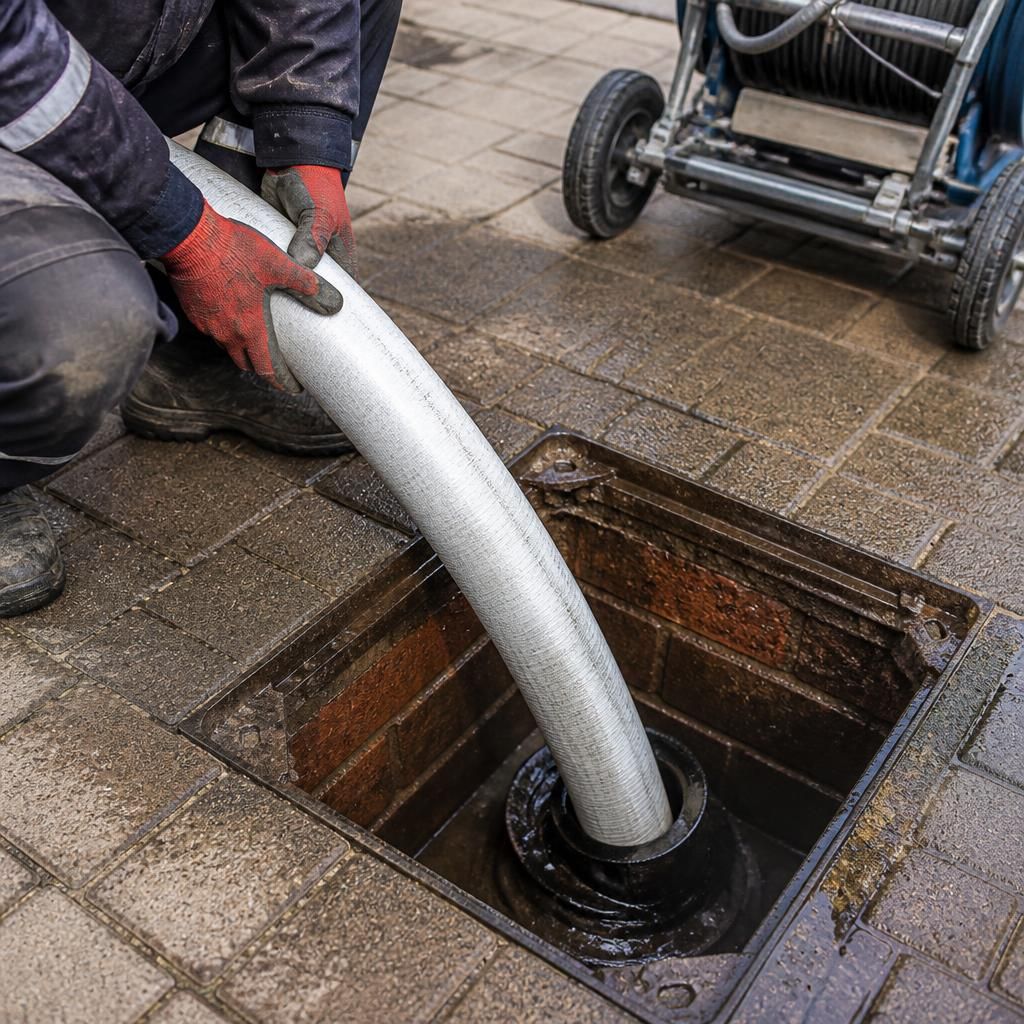
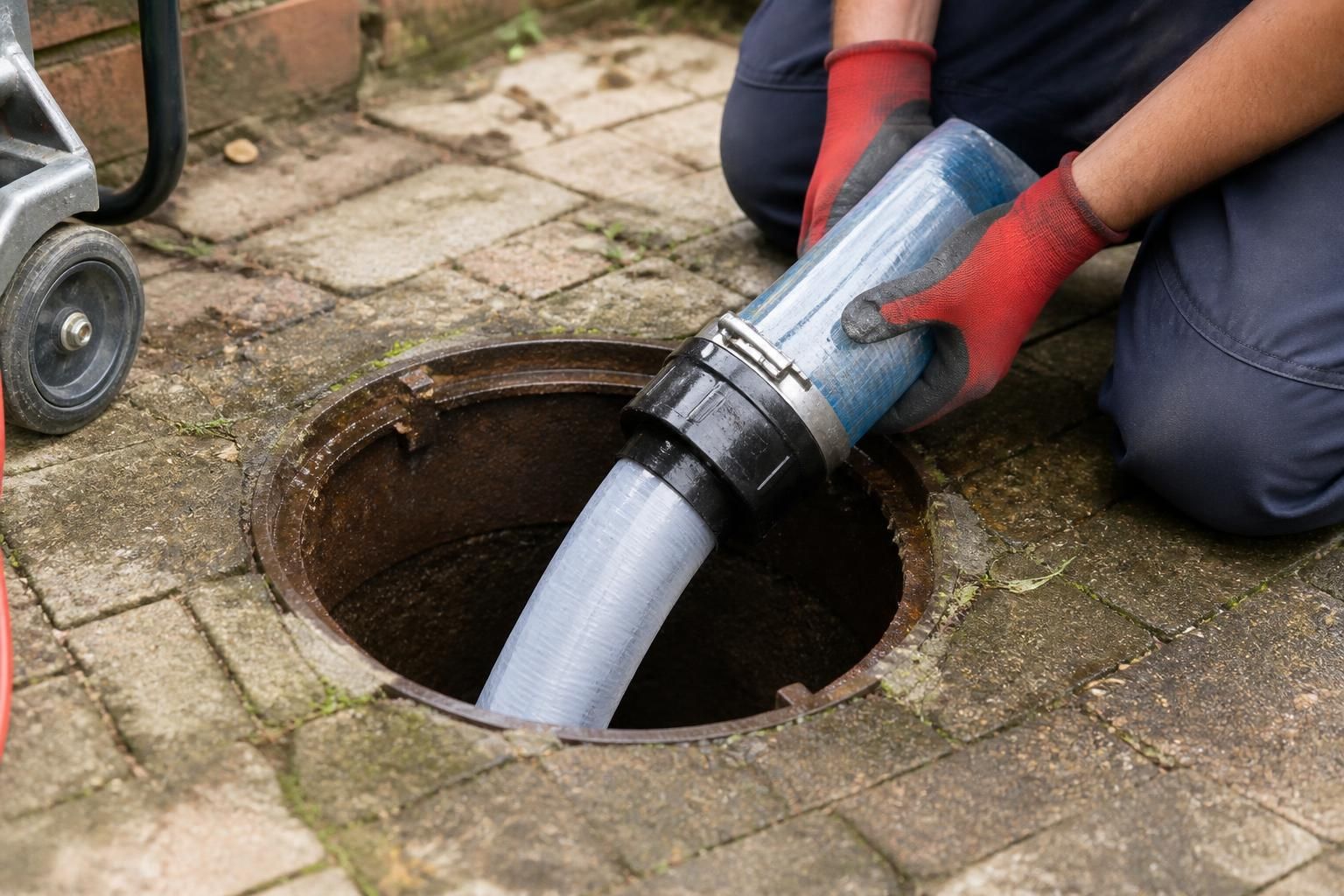
The drain must be inspected and prepared before a liner can be installed. This commonly involves locating suitable access points, carrying out a condition survey and cleaning the pipe to remove deposits, debris and loose material. Any blockage or obstruction that would prevent the liner from sitting correctly needs to be dealt with first.
Cleaning can create some noise, water movement and temporary odours, particularly where the pipe has not been maintained recently. The work may also require access through an inspection chamber, a drain opening or another suitable entry point. A professional assessment should identify these requirements before the repair begins.
Which parts of the property may be affected?
- Inside the property: access may be needed to drainage points, toilets, sinks or inspection openings, depending on the route of the damaged pipe.
- Outside areas: a garden, driveway, patio or communal access route may need to remain clear so equipment can reach the drain.
- Drainage use: toilets, sinks or other connected outlets may need to remain unused temporarily while the pipe is cleaned, lined and checked.
- Access and protection: furniture, stored items or outdoor objects close to the work area may need to be moved or covered.
These requirements are generally more limited than those associated with excavating and replacing a buried pipe. Relining can often avoid removing large sections of paving, flooring, landscaping or other surfaces above the drain. However, it is not completely disturbance-free: access points still need to be opened, equipment needs to be positioned and the repaired line must be inspected before it is returned to normal use.
How the relining process affects daily use
During preparation, normal drainage use may be restricted to prevent water or waste from entering the section being worked on. The restriction should apply only to the connected fixtures identified by the drainage specialist, but occupants should follow the instructions provided until the repair has been completed and checked.
Once the pipe has been cleaned, the liner is positioned inside the existing drain and formed against the pipe wall. It is then cured to create a new internal surface. The final inspection confirms that the liner is continuous, properly positioned and open through its full length. Any access opening used for the work must also be secured afterwards.
When could disruption be greater?
Relining may involve more preparation where the drain is difficult to reach, has collapsed sections, contains severe deformation or has an obstruction that cannot be cleared using standard methods. A pipe with missing sections or insufficient structural stability may not be suitable for relining at all and could require excavation or another repair method. In those circumstances, the additional disruption results from the condition and location of the drain rather than from the lining process itself.
Work near shared drains, neighbouring land or communal areas may also require access arrangements to be agreed in advance. For rented homes, landlords and tenants should clarify who will provide access and who needs to be informed about temporary restrictions.
How to reduce inconvenience
- Keep inspection chambers, drain openings and the planned equipment route accessible.
- Move vehicles, garden furniture and stored items away from the work area where requested.
- Tell the plumber about vulnerable flooring, recently completed landscaping or areas that need particular protection.
- Plan alternative arrangements if connected toilets, sinks or appliances cannot be used during part of the repair.
- Ask which surfaces, fixtures and access points will be affected before approving the work.
Ideal Plumbing Services can assess the drain’s condition and access requirements before recommending relining. The assessment should make clear what preparation is needed, which parts of the property may be accessed and whether another repair method would be more appropriate.