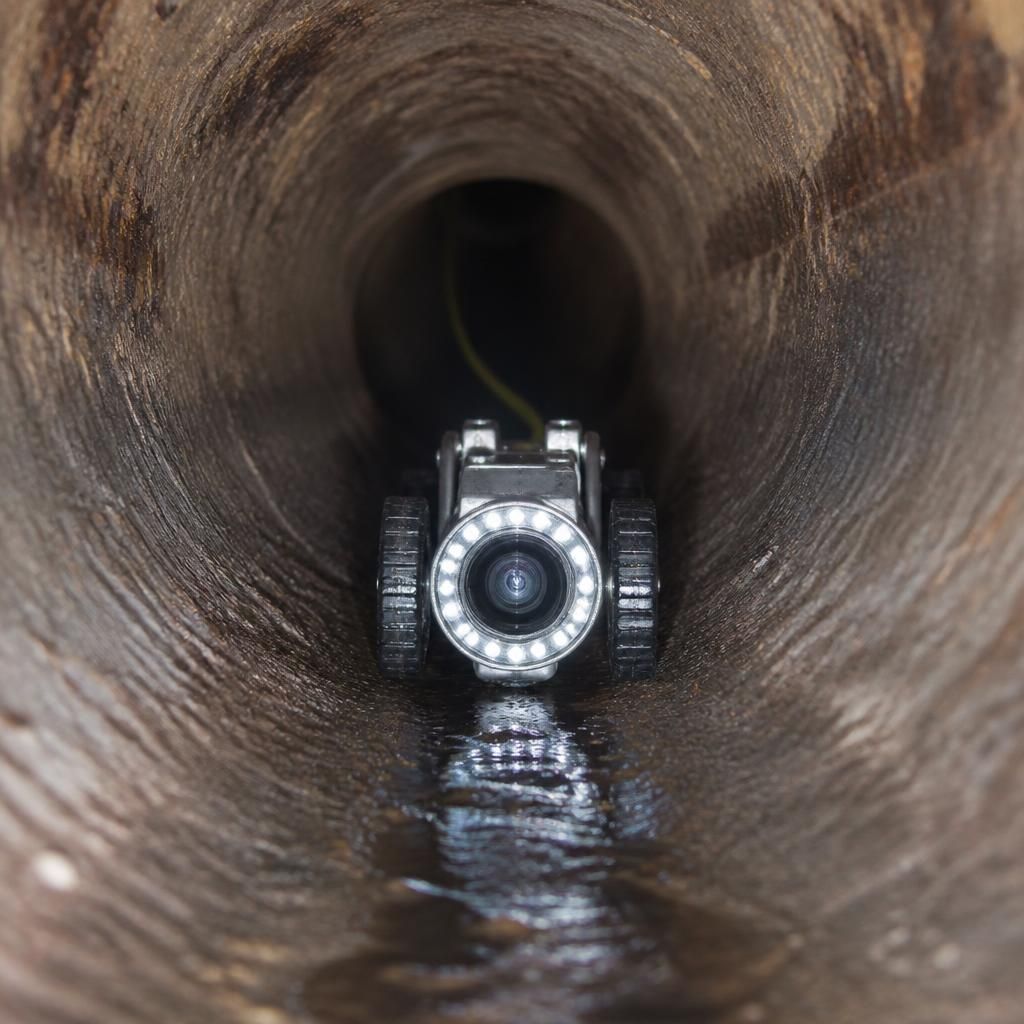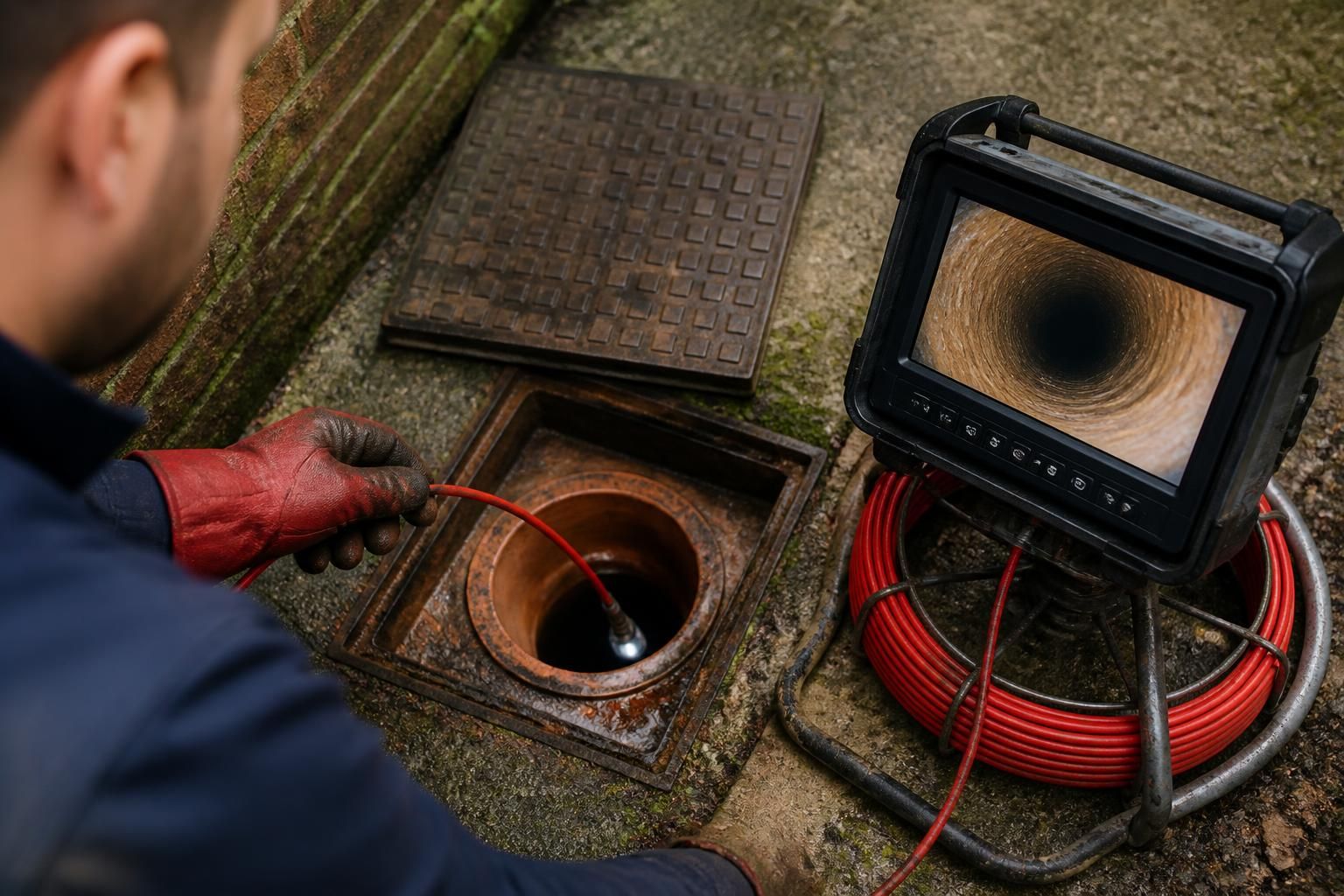
Drain relining is generally suitable when the existing drain still provides a continuous route for wastewater, even though its joints, walls or connections have deteriorated. The liner is installed inside the current pipe and cured to form a new sealed passage, so the surrounding ground does not usually need to be excavated along the full length of the drain.
Suitability depends on the condition and layout of the existing drainage rather than simply the age or material of the pipe. A drain may be a candidate for relining where it has:
- Leaking or displaced joints that have not caused major movement of the surrounding pipe;
- Cracks, small fractures or localised damage;
- Root ingress through joints or cracks, provided the roots can be cleared and the pipe remains suitable for lining;
- Corrosion, wear or surface deterioration without extensive collapse;
- A route beneath a floor, driveway, patio, garden or other area where removing the entire pipe would be particularly disruptive; or
- A sufficiently accessible run that can be cleaned, measured and lined using appropriate equipment.
The existing pipe must normally retain enough of its original shape and strength to act as a host for the liner. Severe collapse, substantial sections of missing pipe, major deformation or significant changes in level can prevent a liner from forming correctly. In these circumstances, excavation and conventional replacement, or a combination of repair methods, may provide a more dependable result.
Access is another important consideration. Drain relining equipment is introduced through suitable inspection chambers, access points or exposed sections of pipe. If the affected run cannot be reached, additional access may be needed before relining can take place. This does not automatically rule out the method, but it can affect the practical approach and overall cost.
The drain must also be capable of being cleaned thoroughly before installation. Deposits, silt, scale, roots and other obstructions can prevent the liner from bonding correctly or reduce the usable bore. Cleaning is followed by checks of the pipe's internal dimensions, direction, bends and connections. The available internal diameter must remain appropriate for the property's drainage requirements after the liner has been installed.
Connections need particular attention. A property may have branch pipes serving kitchens, bathrooms, toilets or external gullies that join the main drain along the section being treated. These connections must be identified before lining, as they may need to be opened again after the liner has cured. Missing or inaccessible connections can affect whether a complete repair is possible.
Drain relining can be useful for residential properties where protecting existing surfaces is important, but it is not selected solely to avoid excavation. A solution that leaves a severely unstable or badly misaligned pipe in place may not address the underlying problem. The right choice can involve full-length relining, a shorter patch repair, replacement of one section, or excavation where the damage is too extensive for trenchless work.
Where a drain serves more than one property, ownership and access arrangements should also be established before work is planned. The technical method may be suitable, but permission to access chambers or carry out work on a shared section can affect the available options.
A professional assessment should therefore consider the pipe's structural condition, internal bore, gradient, connections, access points and the position of the damaged section in relation to the property. The findings can then be used to compare relining with localised repair or replacement. For a Birmingham property, Ideal Plumbing Services can use drainage investigation findings to explain whether relining is appropriate and identify any preparatory work needed before installation.