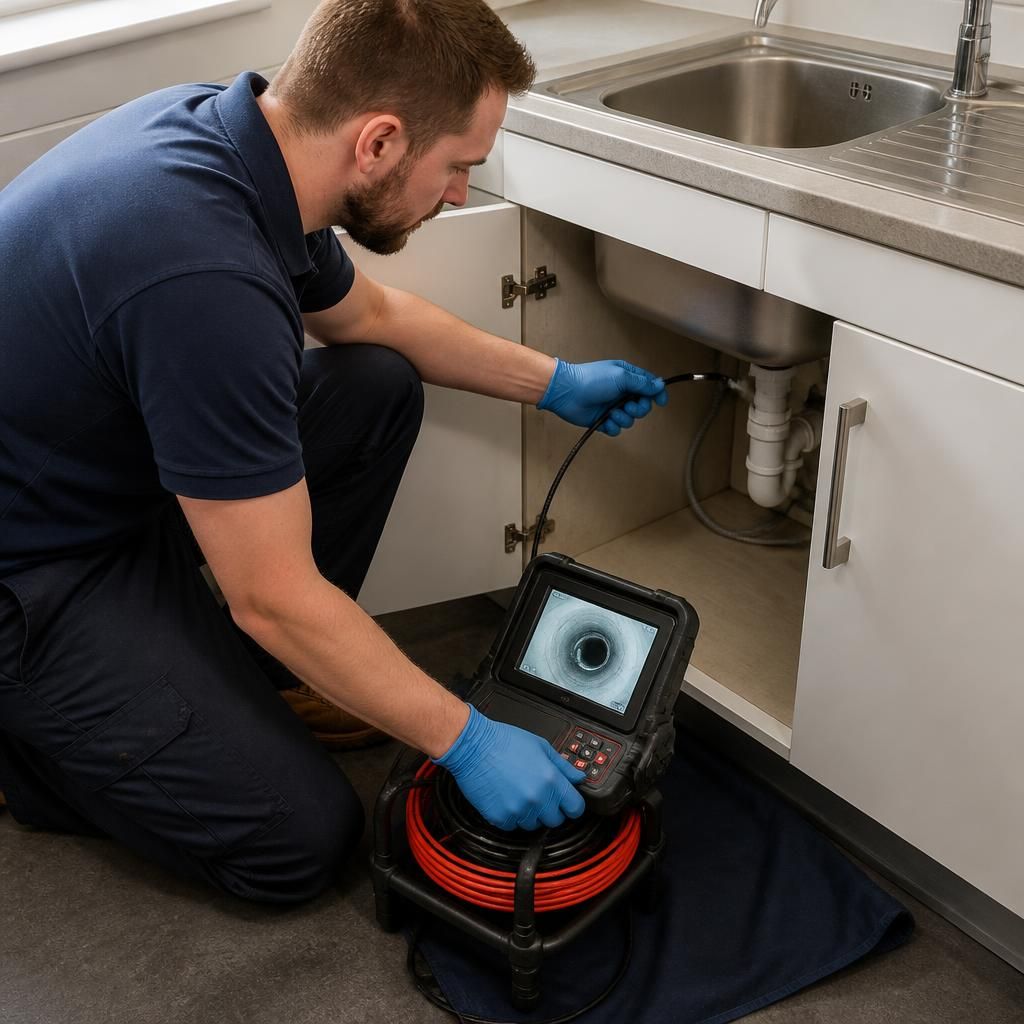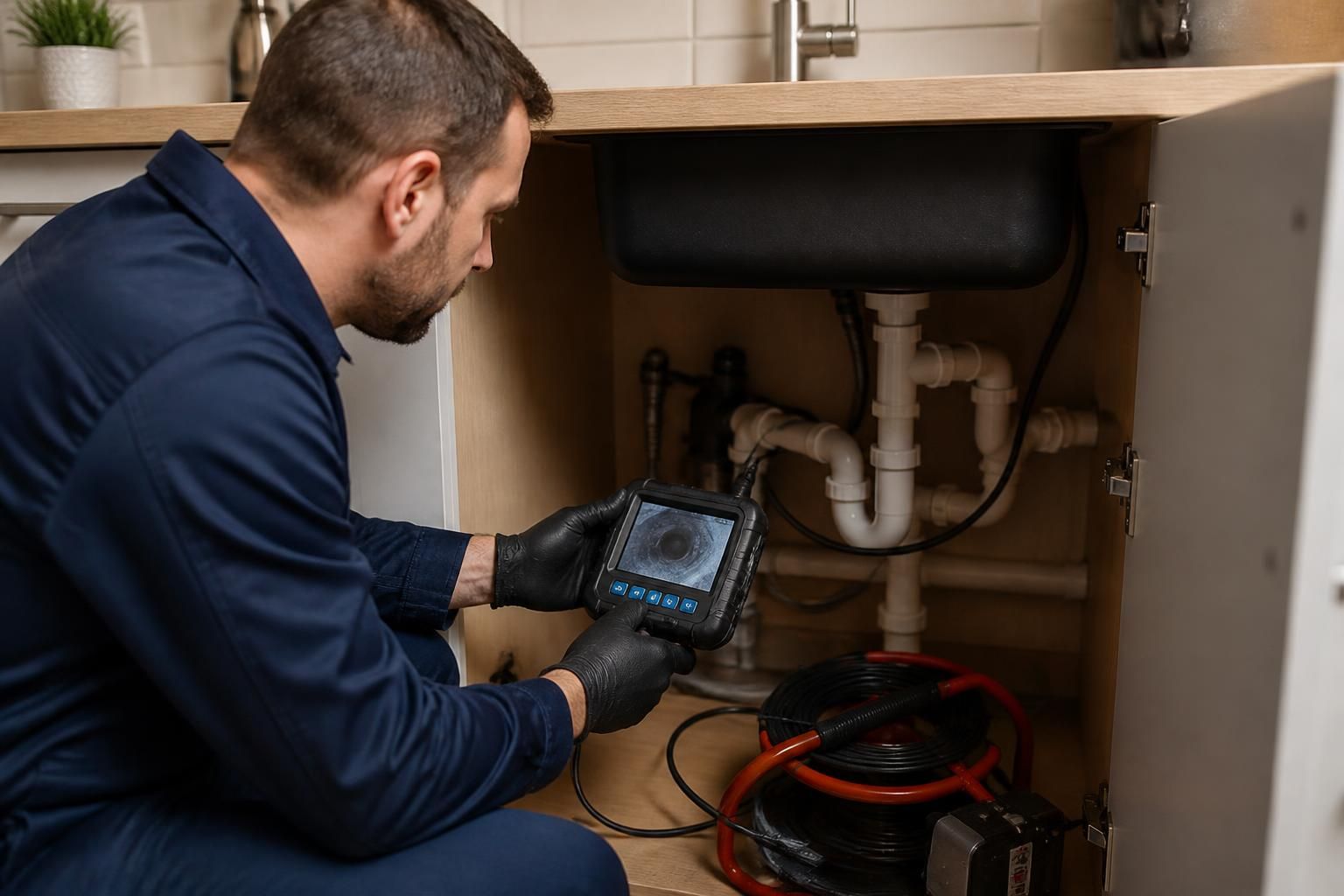
The level of disruption from domestic drain unblocking depends mainly on the blockage’s location, severity and cause. A straightforward obstruction can often be dealt with while the rest of the property continues to function normally, whereas a blockage in a shared or buried drain may require more investigation, equipment or temporary restrictions on water use.
For a routine blockage, the main disruption usually involves:
- Keeping the affected area clear so the plumber can work safely.
- Temporarily avoiding use of connected sinks, toilets, baths or appliances.
- Allowing space for tools, protective coverings and waste removal.
- Waiting while the drainage system is checked after the obstruction has been removed.
These steps are normally localised rather than requiring rooms throughout the property to be emptied. Protective sheeting and careful handling can help reduce contact with dirty water and keep surrounding surfaces clean. The working area may need wiping or disinfecting afterwards, particularly where wastewater has overflowed.
The blockage itself affects the amount of work involved. A restriction close to a waste outlet may be accessible through the relevant trap or pipework. Grease, hair, food waste, paper and foreign objects can each behave differently, so the method used should suit the material and the pipe layout. Forcing an unsuitable tool through the pipe can damage fittings or push the obstruction further along, potentially increasing the disruption.
A deeper obstruction may involve additional inspection points or a longer section of the drainage system. If several outlets are affected, or wastewater returns through a different fixture, the plumber may need to establish whether the problem is local to one branch or further along the household drain. This does not automatically mean extensive work, but it can make the assessment more involved and may restrict use of multiple outlets until the cause is understood.
Access and preparation can reduce avoidable delays. Before the appointment, remove items stored beneath sinks or around access covers, keep pets and children away from the work area, and make a note of which fixtures are affected. Tell the plumber if the blockage followed building work, a dropped object, repeated slow drainage or a previous repair. Relevant information can help focus the investigation without unnecessary disturbance.
If the drain has overflowed, avoid using connected fixtures and keep people away from contaminated water. Do not combine chemical drain cleaners with other products or attempt to dismantle pipework that is under pressure. Chemical cleaners may also create a hazard for anyone subsequently working on the drain and can damage some materials.
Once the obstruction has been cleared, sensible aftercare is to use only the affected fixtures at first and monitor how they drain. A blockage that returns, affects more than one outlet or is accompanied by foul smells, gurgling or wastewater backing up may indicate a wider drainage fault rather than a one-off obstruction. In that situation, further investigation is usually more useful than repeatedly applying household drain products.
For homeowners, landlords and tenants in Birmingham and the wider West Midlands, a professional domestic drain unblocking assessment can establish the likely scope of the work before more disruptive action is taken. Ideal Plumbing Services provides residential plumbing and drainage support, including investigation and repair where a blockage requires more than a basic clearance.