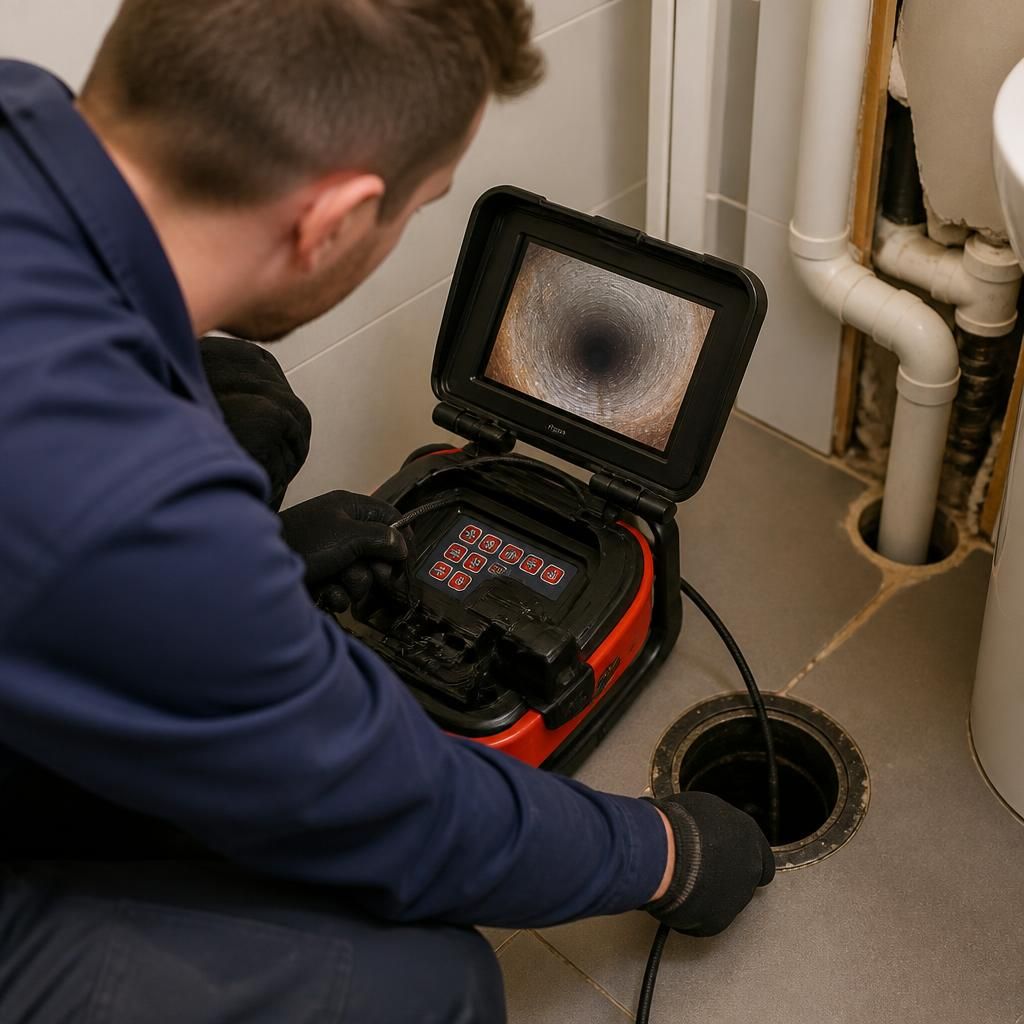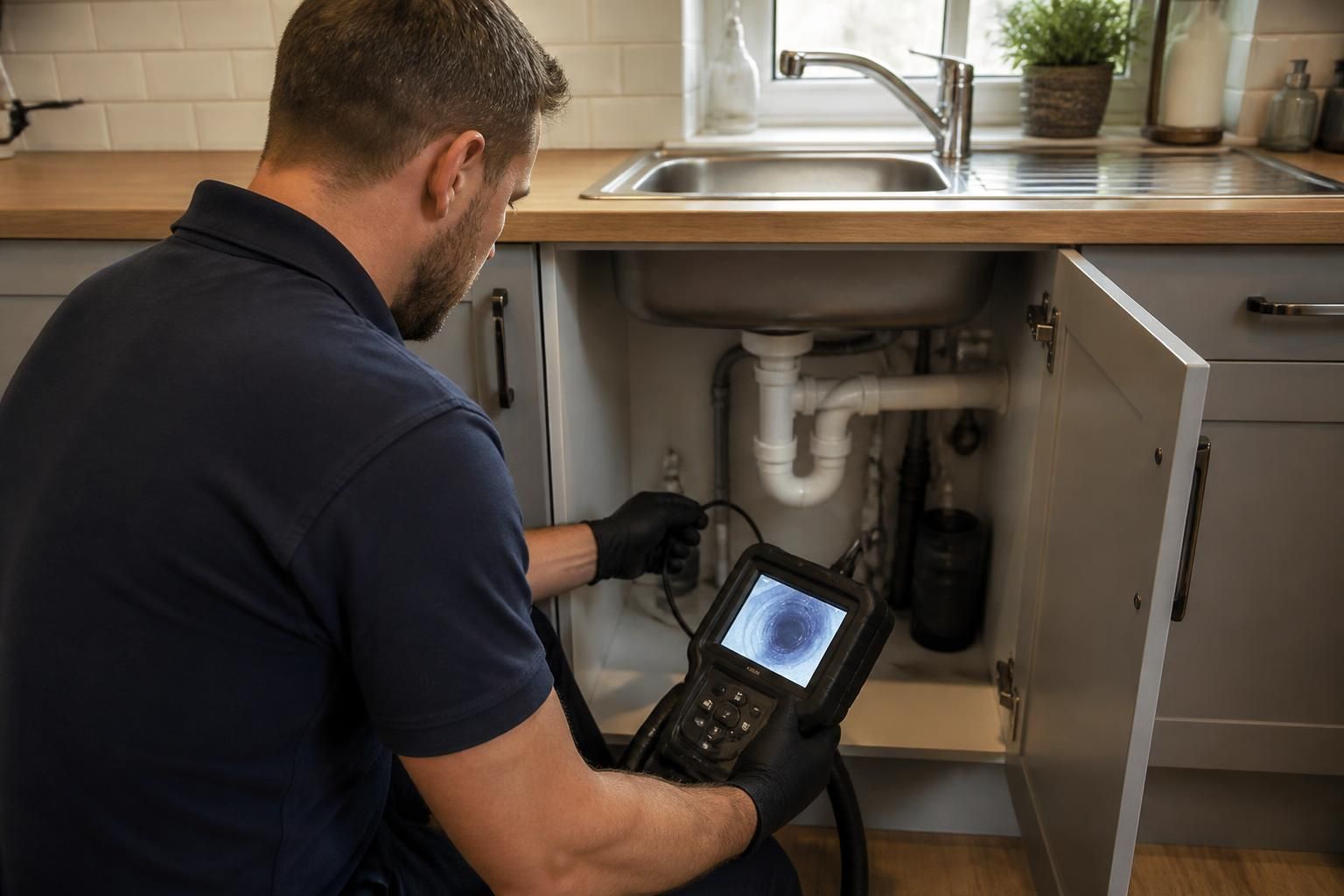
Domestic drain unblocking cost is usually determined by the work required to diagnose the problem, clear it and deal with any underlying defect. A simple clearance may involve only the initial attendance and labour, while a job that reveals damaged pipework, repeated obstruction or the need for additional investigation will have a wider scope.
Key factors that can affect the price include:
- The type of blockage: Grease, soap residue, food waste, sanitary products, tree roots and displaced pipe materials each require different approaches. Some obstructions can be removed directly, while others need more detailed investigation or specialist treatment.
- The drain or fixture involved: A blocked sink, toilet, bath, shower, internal waste pipe or external drain may involve different procedures and levels of labour. The connection between the affected fixture and the main drainage run can also influence the work involved.
- The time needed: Charges may reflect the duration of the work, particularly where the obstruction is compacted, spread through the pipework or difficult to remove safely. A job involving several stages of testing and clearing will generally require more labour than a single straightforward operation.
- Diagnosis and inspection: If the reason for the blockage is unclear, the plumber may need to inspect the drainage system before deciding on the appropriate solution. Investigation can be especially relevant where the same drain has blocked repeatedly, as clearing the symptom alone may not resolve the cause.
- Additional materials: Replacement fittings, seals, sections of pipe, access covers or other plumbing materials can add to the total if a defect is found. The cost of unblocking is therefore different from the cost of repairing or replacing damaged drainage components.
- Waste removal and disposal: Where contaminated water, removed debris or damaged materials need to be handled and disposed of, this may form part of the quoted work.
Call-out and pricing arrangements
Some plumbing companies separate the call-out or assessment charge from labour and materials, while others provide a combined price for a defined unblocking service. It is worth checking what the initial charge includes, whether it covers diagnosis and testing, and how further work will be authorised if the blockage cannot be cleared without a repair.
A clear estimate should distinguish between the cost of attempting the clearance and any optional or necessary follow-up work. For example, a drain may be cleared successfully but still need a repair if inspection identifies a cracked joint, collapsed section or intrusive roots. These are separate drainage works and should be explained before they are undertaken.
How to avoid unexpected costs
- Describe the symptoms accurately, including which fixtures are affected and whether wastewater is backing up.
- Explain whether the problem has happened before and what was done previously.
- Ask whether the quoted price includes the call-out, labour, equipment, testing and disposal.
- Request confirmation before additional repairs, materials or investigative work are started.
- Check whether VAT is included, where applicable, so the total is clear.
For landlords, it is also useful to establish who has authority to approve extra work and who will receive the invoice. Tenants should report persistent drainage problems promptly, since continued use can worsen an overflow or allow a small leak to affect surrounding materials.
An itemised quotation is the most reliable way to compare domestic drain unblocking costs. It should set out the immediate clearance separately from any inspection, repair or replacement recommended afterwards. A Birmingham plumbing professional can assess the drainage issue, explain the available options and identify which parts of the cost relate to unblocking rather than broader remedial work.