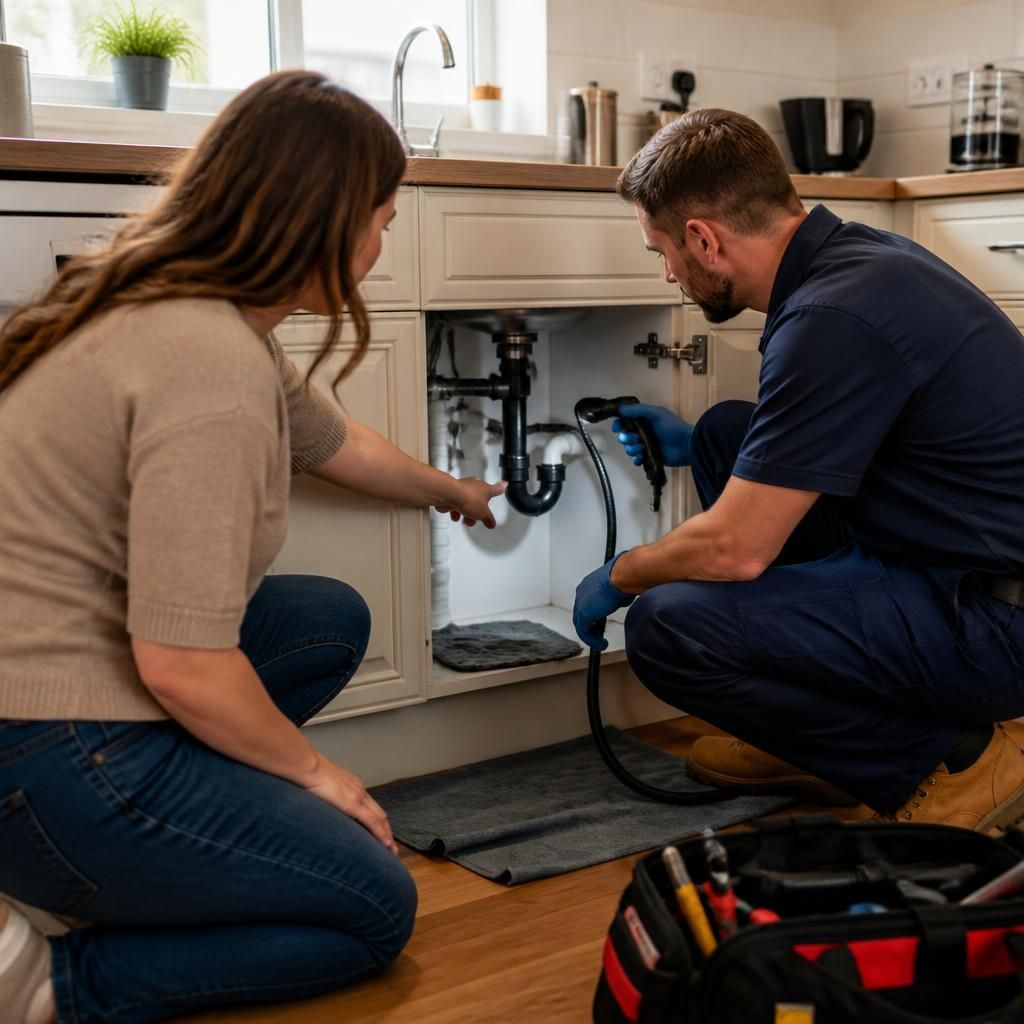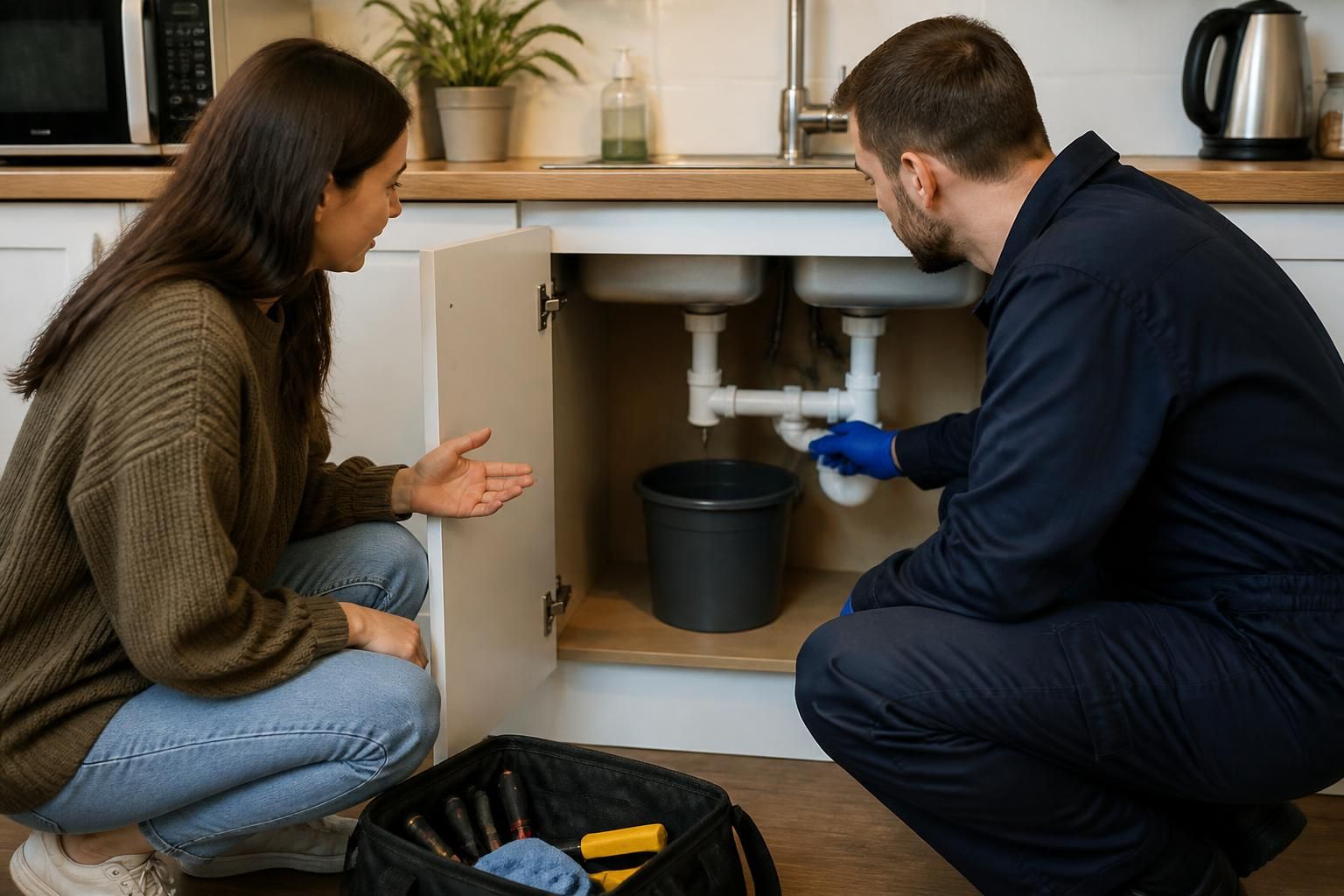
Tenants can arrange professional drain unblocking, but they should usually involve the landlord or letting agent before instructing a contractor. The tenancy agreement, the source of the blockage and whether the drain serves one property or several will generally determine who has authority to arrange the work and who is responsible for the cost.
Check the tenancy agreement first. Look for clauses covering plumbing, drainage, repairs and tenant responsibilities. Some agreements require tenants to report faults through the landlord or managing agent rather than appointing their own contractor. A tenant who instructs a tradesperson without following that process may find it difficult to recover the cost, even where the blockage was not their fault.
Notify the landlord or agent in writing, describing the symptoms and when they started. Useful information includes:
- Whether water is draining slowly or not draining at all
- Which fixtures are affected, such as a sink, toilet, bath or shower
- Whether wastewater is backing up, overflowing or producing an unpleasant odour
- Whether neighbouring properties or communal areas are experiencing the same problem
- Any steps already taken, such as stopping use of an affected fixture
Photographs or short videos can help establish the condition of the drain before work begins. Keep copies of messages, replies, invoices and any report provided by the drainage professional.
Who pays depends largely on the cause. A blockage caused by a defect, collapsed pipe, tree-root ingress or a problem in shared drainage is normally a matter for the landlord or property manager to address. A tenant may be held responsible where the blockage resulted from misuse, such as flushing unsuitable items or allowing excessive grease and waste into the system. The exact position depends on the tenancy agreement and the evidence available, so tenants should not assume that every blocked drain is automatically their financial responsibility.
Shared or external drains require particular care. If the same issue affects several homes, the obstruction may be outside the tenant’s private plumbing or may fall under the responsibility of a property manager or relevant water and drainage authority. Reporting the wider symptoms can prevent a tenant from arranging work on infrastructure they are not authorised to alter.
Where the landlord or agent authorises the appointment, confirm the instructions before the visit. Ask who the contractor is, what areas they are permitted to access, whether the landlord wants the invoice addressed to them, and whether an inspection is required before unblocking. If the tenant is paying directly, request a clear explanation of the proposed work and any additional charges that could arise if the obstruction is more difficult to reach.
A professional will generally assess the affected fixtures, identify where the obstruction is located and select a suitable method for removing it. This may involve mechanical equipment or water-based cleaning, depending on the pipework and the nature of the blockage. The tenant should explain any recurring history, previous repairs or unusual noises, as these details can indicate that the problem is more than a simple obstruction.
Tenants should avoid using corrosive drain chemicals, forcing objects into the pipe or repeatedly flushing a backed-up toilet. These actions can worsen the blockage, damage fittings and create risks for anyone carrying out the repair. Stop using the affected fixture where possible, keep children and pets away from contaminated water, and report any overflow or sewage leak clearly.
If the landlord or letting agent cannot be reached, the tenancy agreement may explain what tenants should do for repairs that could cause property damage. In that situation, keep a record of attempted contact and choose a contractor only within the authority granted by the agreement or the instructions received. Ideal Plumbing Services can discuss professional drain unblocking with tenants, landlords and agents, but the person requesting the work should make clear who owns or manages the property and who has approved the instruction.
After the blockage has been cleared, ask for confirmation of the work completed and any recommendation for further repair. A recurring blockage may indicate damaged, poorly aligned or inadequate pipework and should be reported to the landlord rather than treated as an isolated maintenance issue each time.