Professional drain unblocking is usually priced according to the time, labour and equipment needed to identify and clear the obstruction. A straightforward blockage close to an accessible drain may cost less than a problem deep within the drainage system, particularly where specialist equipment, additional investigation or repairs are required.
What is included in the cost?
A drain unblocking charge may include some or all of the following:
- Travel and an initial assessment of the affected drainage
- Locating the blockage and identifying its likely cause
- Labour for clearing the obstruction
- Use of suitable equipment, such as drain rods, mechanical cleaning tools or high-pressure water jetting equipment
- Testing the flow after the blockage has been removed
- Removal of debris or waste where this is part of the work
Some plumbers charge a fixed price for a defined unblocking service, while others use an hourly or time-based rate. A fixed price can make the total easier to understand, but it should be clear what work is covered and what would incur an additional charge. With an hourly rate, ask how time is calculated, including whether assessment, equipment setup and travelling form part of the charge.
Why prices vary
The main cost factors are the location and severity of the blockage. A blocked sink, toilet or short internal waste pipe may be relatively accessible. A blocked underground drain, inspection chamber or shared line can require more investigation and heavier-duty equipment. Difficult access, a long run of pipework and repeated blockages can also increase the amount of work involved.
The cause matters as well. Grease, food waste, hair and paper may be removable with standard cleaning methods, whereas tree roots, collapsed pipework, scale or a displaced joint may need further work after the immediate obstruction has been cleared. Clearing the blockage does not necessarily repair the underlying drainage defect, so a plumber may recommend a separate inspection if the problem returns.
Drain unblocking and emergency call-out charges
An emergency call-out can have a different pricing structure from a planned appointment. The charge may reflect the need for priority attendance, additional travel, specialist equipment or work carried out at a less convenient time. Before authorising the work, ask whether the quoted figure includes the call-out, diagnosis, labour, equipment and any applicable VAT. If the plumber cannot confirm a final price until the blockage has been inspected, request the assessment charge and the basis for any further quotation.
When additional investigation is needed
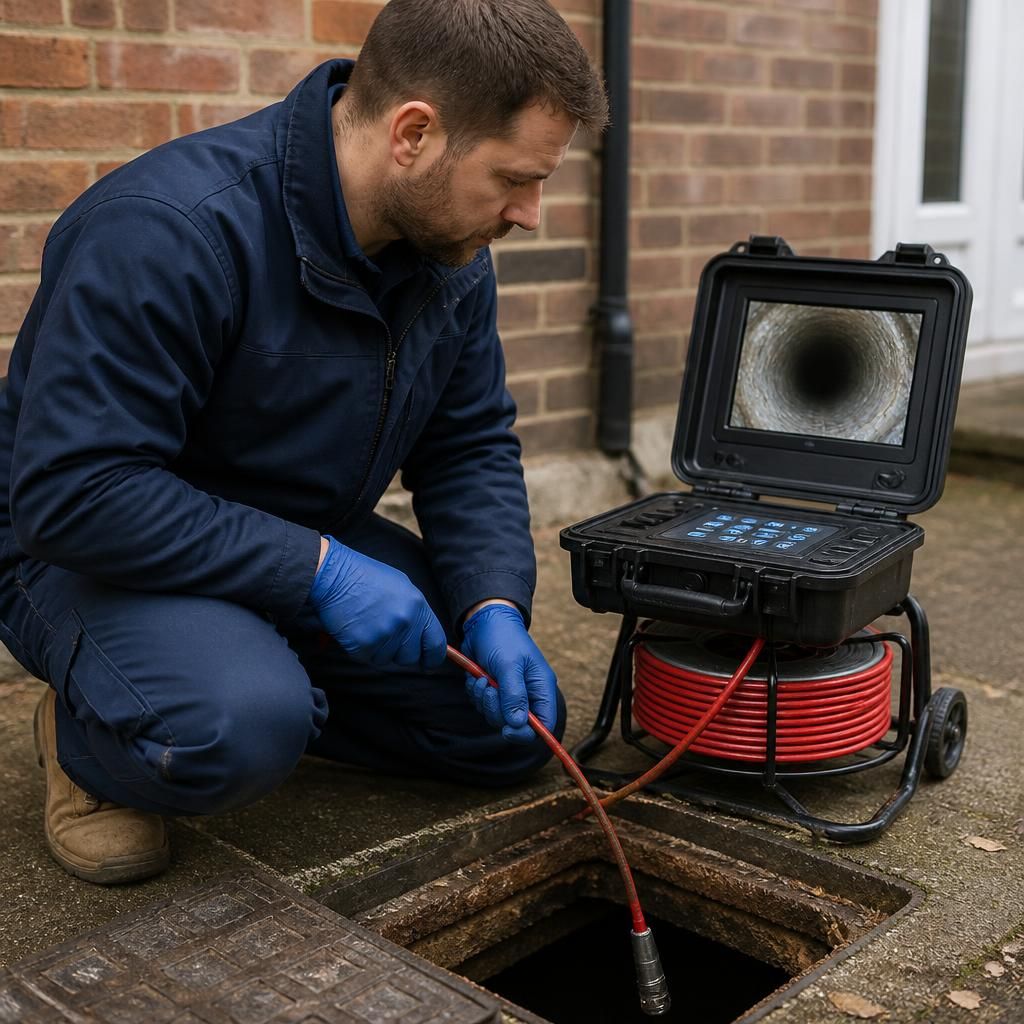
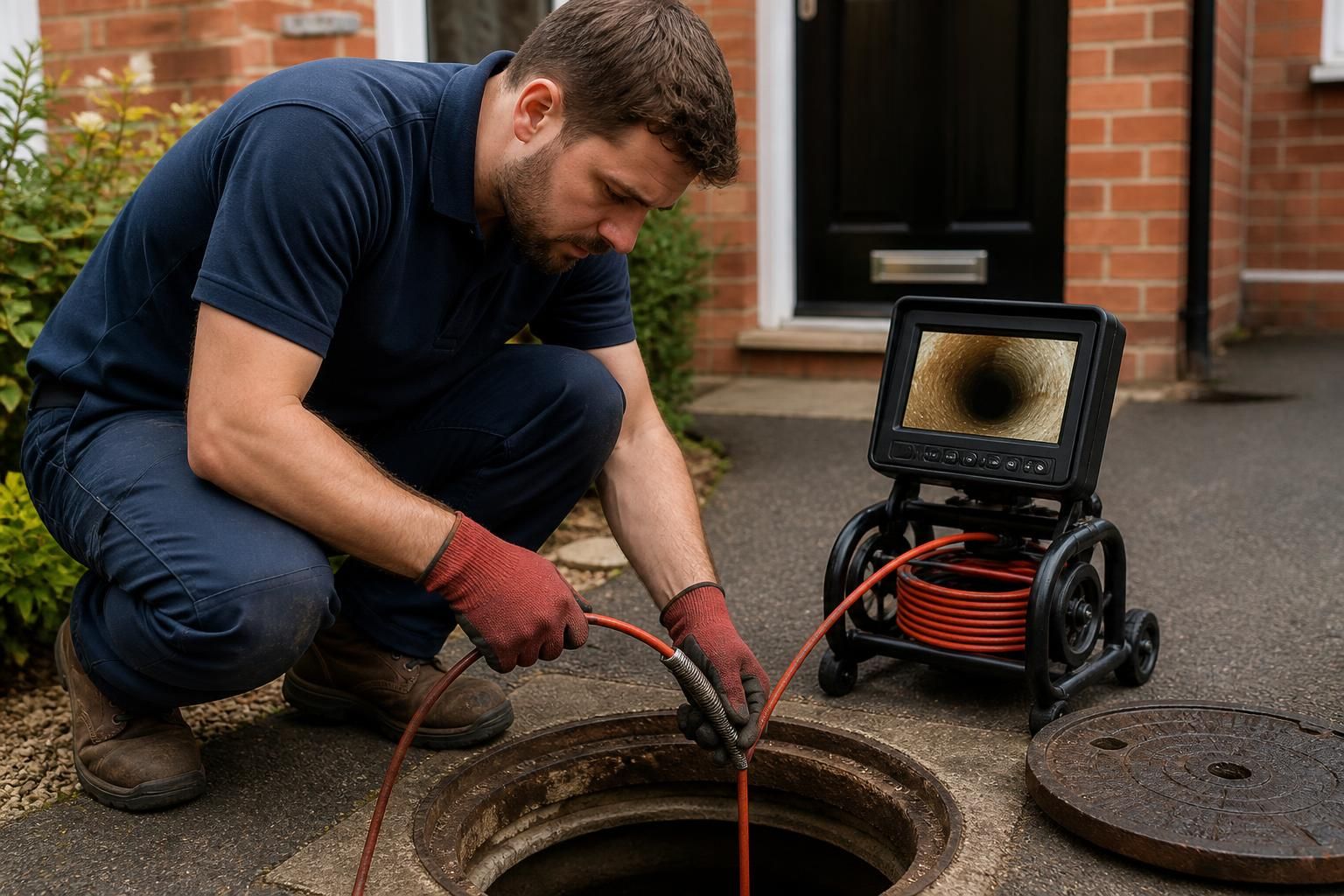
If basic clearance does not restore proper flow, or the blockage keeps returning, further diagnostic work may be appropriate. A drain camera survey can help identify cracks, root ingress, scale, misaligned joints or a collapsed section. Jetting may be recommended where deposits have built up along the pipe rather than forming one small obstruction. These services can add to the bill, but they may prevent repeated clearance charges by identifying the reason for the problem.
Access can also affect the price. If a chamber is covered by soil, paving or another obstruction, more work may be needed before the drain can be reached. Structural repairs, excavation and replacement of damaged pipework are separate from routine unblocking and should be quoted clearly before they begin.
Questions to ask before work starts
- Is the price fixed, hourly or based on the equipment used?
- Does the quotation include the call-out, inspection, labour and VAT?
- What happens if the blockage cannot be cleared using the initially proposed method?
- Will additional work be discussed and approved before it is carried out?
- Is any follow-up investigation included if the drain remains slow or blocks again?
A clear written quotation or detailed explanation helps distinguish the cost of removing the immediate blockage from the cost of repairing damaged or defective drainage. It also reduces the risk of unexpected charges, particularly where the work may involve more than one method or a change in scope.
For households in Birmingham and the wider West Midlands, a local plumber can assess whether the issue is limited to an internal waste pipe or connected to external drainage. If several fixtures are affected, wastewater is backing up, or the blockage has returned repeatedly, provide those details when requesting an estimate because they may indicate a larger drainage problem rather than a single isolated obstruction.