A house drainage inspection is generally a low-disruption process. The main impact is the time needed for the plumber to examine the drainage layout, carry out tests and record any defects; it does not normally involve opening floors, removing walls or digging up the garden.
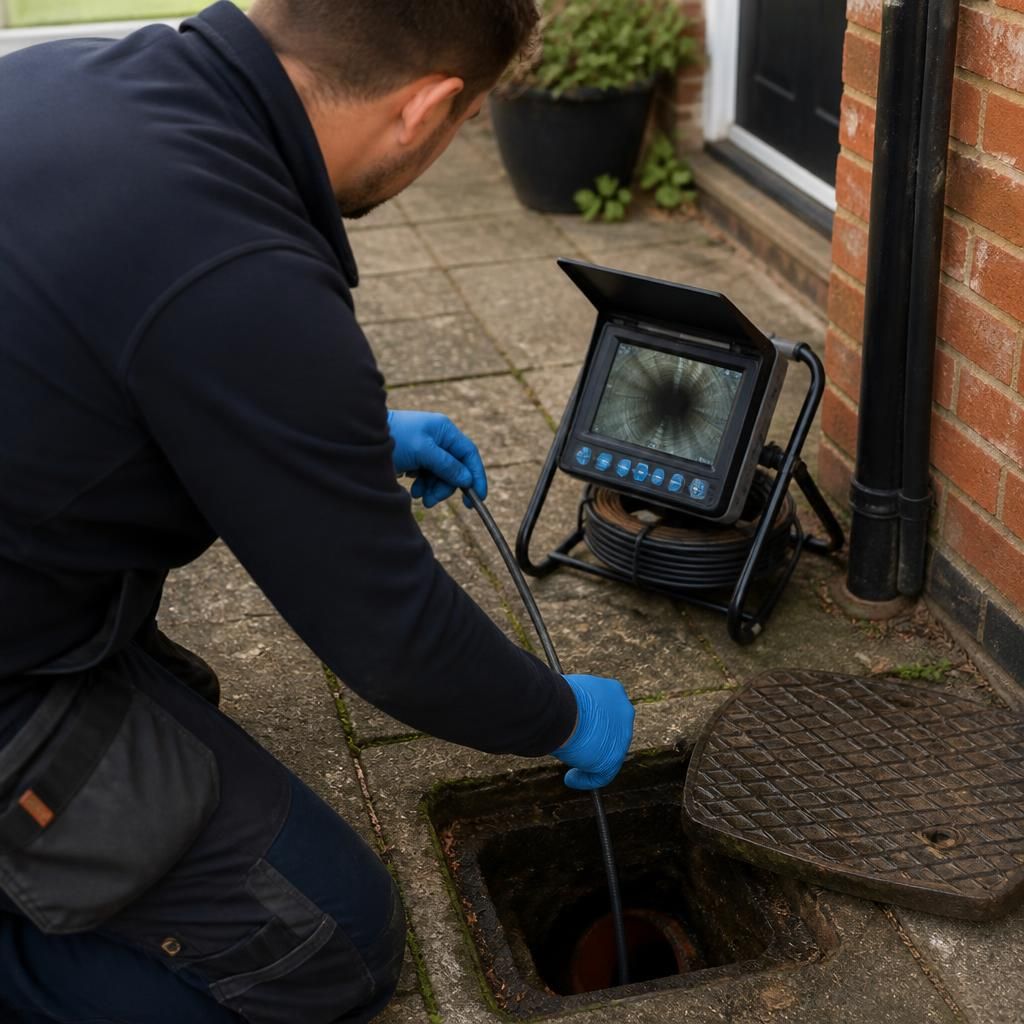
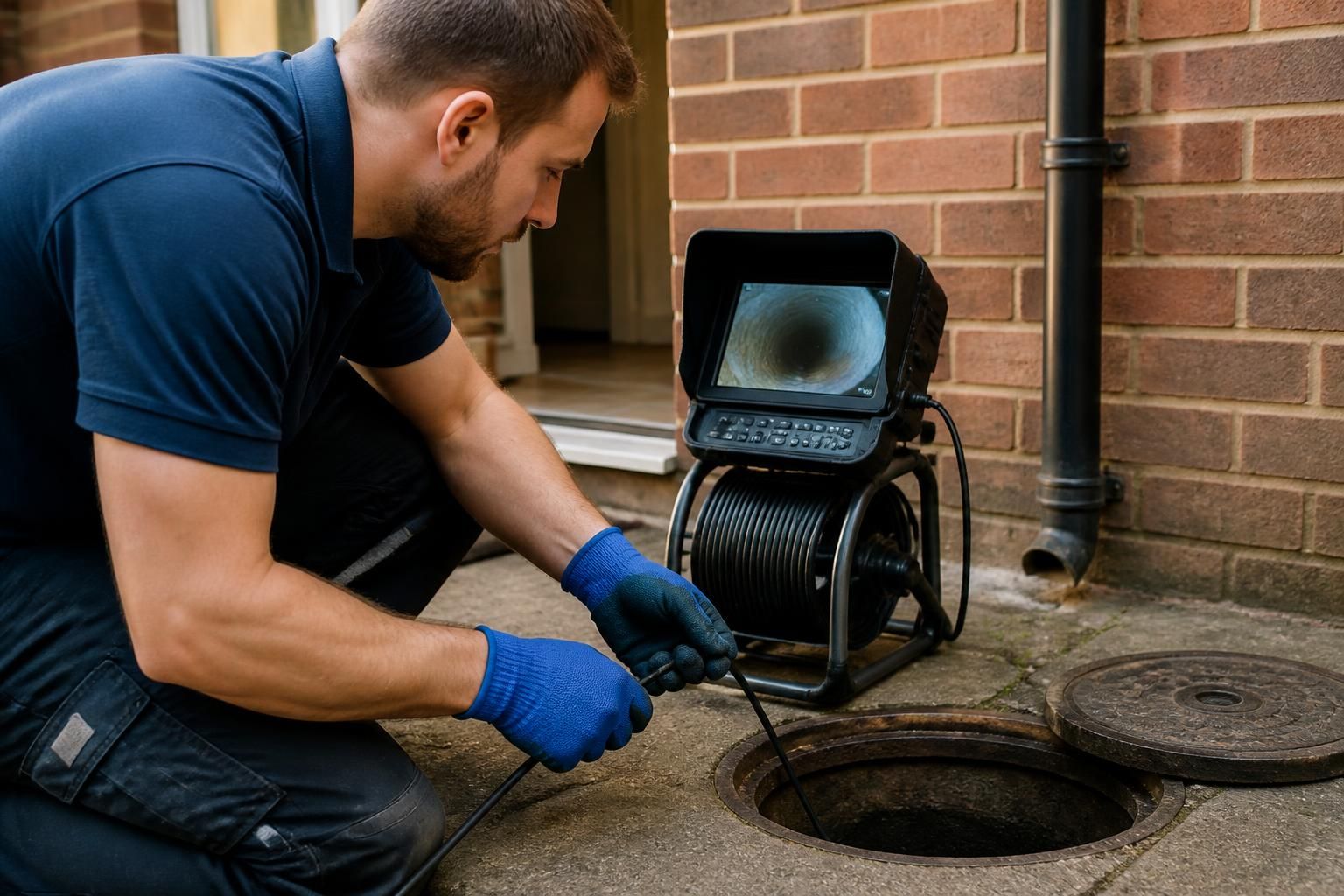
The inspection may involve a combination of visual checks, water-flow observations and CCTV surveying. Where a camera is used, it is inserted through a suitable access point, such as an inspection chamber, rodding eye or other drainage opening. This allows the condition and alignment of the pipework to be assessed without exposing the entire drain.
Some temporary restrictions may be needed while testing takes place. You could be asked to avoid using a particular toilet, sink, bath or appliance briefly so that water flow can be observed accurately. These instructions are normally limited to the part of the drainage system being assessed and should be explained before testing begins.
The time required varies according to the size and layout of the property, the number of access points and whether the drainage system is easy to trace. A straightforward inspection with clear access is less involved than an assessment where chambers are covered, access points are difficult to locate or several connected drains need to be followed. The plumber should explain the likely scope before starting and advise if additional investigation is appropriate.
Most of the work takes place outside or at established access points. Indoors, the inspection may require access to bathrooms, kitchens, utility areas or other rooms connected to the drainage system. Protecting flooring and keeping equipment contained helps limit mess, although outdoor chambers and drain covers may leave some soil or debris that needs to be cleared afterwards.
An inspection is different from drainage repair. If the survey identifies a damaged, collapsed or obstructed pipe, excavation, replacement or other remedial work would be discussed separately. Those works may be more disruptive, but they are not automatically part of the inspection itself. A camera survey can often establish whether repair is needed before more invasive work is considered.
To keep disruption to a minimum, homeowners can:
- make access routes to relevant rooms and outside inspection points clear;
- identify any known drain covers, rodding points, recurring blockages or areas affected by bad smells;
- tell the plumber about recent building work, extensions or changes to kitchens and bathrooms;
- keep children and pets away from open access points while the inspection is taking place; and
- ask what areas need to remain unused during testing.
For homeowners, landlords and tenants, a properly planned inspection should therefore cause limited interruption while providing useful information about the drainage system's condition. Ideal Plumbing Services can assess house drainage systems across Birmingham and the wider West Midlands, explaining any findings and distinguishing routine inspection work from repairs that may require further planning.