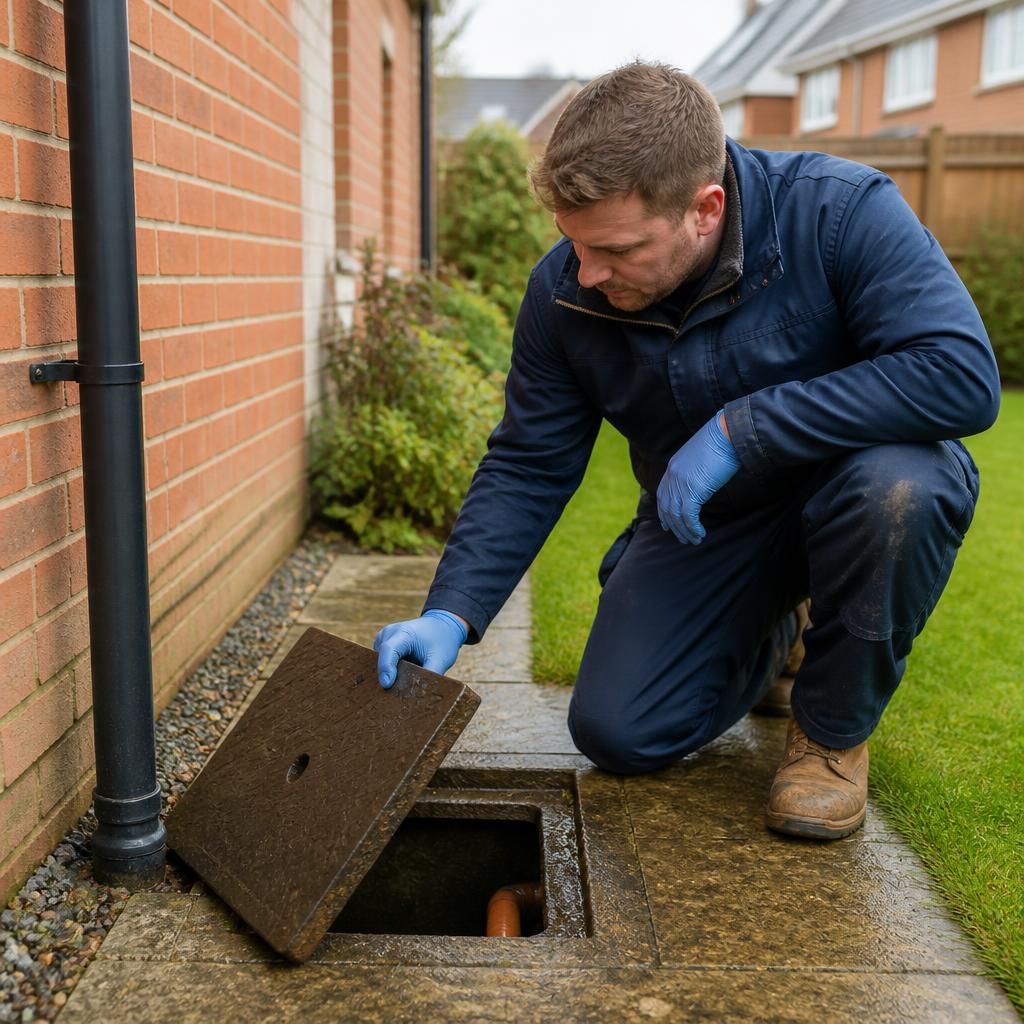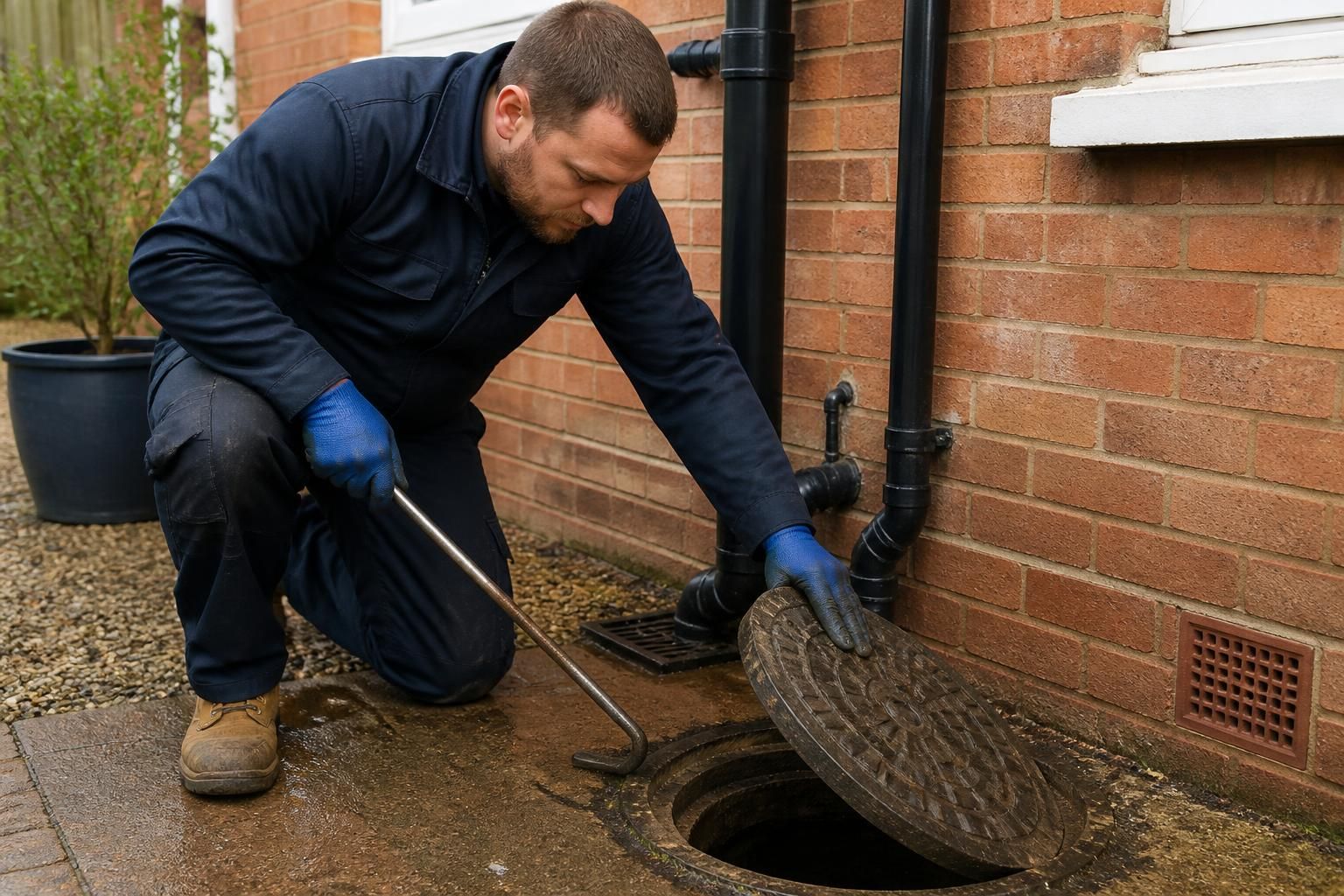
Before a house drainage inspection, prepare useful information, confirm what will be examined, and avoid actions that could alter or conceal the condition of the system. Good preparation helps the inspector trace the drainage layout, assess possible causes and explain whether further investigation or repair is appropriate.
Confirm the scope of the inspection
Ask whether the inspection covers only the private drainage within the property boundary or also includes external runs, inspection chambers, gullies, rainwater connections and shared sections. If you are concerned about one particular drain, explain this when booking so the relevant area is considered. You can also ask whether the assessment is visual, includes a CCTV survey or involves water-flow testing, as the preparation and reporting may differ.
Gather useful property information
- Any drainage plans, extension drawings or records showing where pipework may run.
- Details of renovations, converted rooms, new bathrooms or altered downpipes.
- Information about the age and material of accessible pipework, if known.
- Previous survey reports, invoices or repair recommendations.
- Details of shared drains, easements or responsibility arrangements affecting the property.
This information can help distinguish an isolated fitting issue from a wider drainage layout or maintenance concern. If you are a tenant, contact the landlord or managing agent before the visit if their approval is needed for inspection or related work.
Keep the system in its usual condition
Do not flush drain-cleaning chemicals, seal suspected leaks, dismantle fittings or carry out temporary repairs immediately before the inspection unless there is a safety reason to do so. Such actions may change the evidence available or introduce additional risks. If a chemical has already been used, provide its name if known and explain when it was applied. Avoid mixing cleaning products, particularly products containing bleach, acids or caustic ingredients.
Where practical, do not run appliances or discharge large amounts of water just before the visit. This is not a substitute for testing, but it allows the inspector to assess the system without an unusual temporary load. If a blockage is causing sewage to back up, avoid using the affected fixtures until professional advice is given.
Consider safety and access around the property
Keep children and pets away from work areas, particularly where covers may be lifted or equipment may be used. Tell the inspector about known hazards such as unstable paving, confined spaces, aggressive chemicals, damaged covers, electrical equipment near water or restricted access to the garden. Do not lift heavy or stuck drain covers yourself; they may require specialist tools and can be unsafe to handle.
If access may involve a neighbour’s land, a communal area or a locked gate, arrange permission in advance. For rented or managed properties, make sure the relevant person knows that the inspection may identify issues beyond the immediate fixture and may require access to more than one part of the drainage system.
Prepare questions for the inspection
Write down the points you want clarified, such as whether the pipework appears to be flowing correctly, whether a defect is structural or caused by an obstruction, and whether responsibility is likely to fall to the homeowner, a landlord, a management company or a water and sewerage authority. Ask for the location and severity of any defect to be explained in plain language.
At the end, check what the findings mean in practical terms. A recommendation for further investigation does not necessarily mean that immediate excavation or replacement is required. The appropriate next step could be cleaning, a more detailed survey, a local repair or planned renewal, depending on the evidence. Request a written summary, photographs or CCTV footage where these form part of the inspection, and clarify whether any recommended work is separate from the inspection itself.