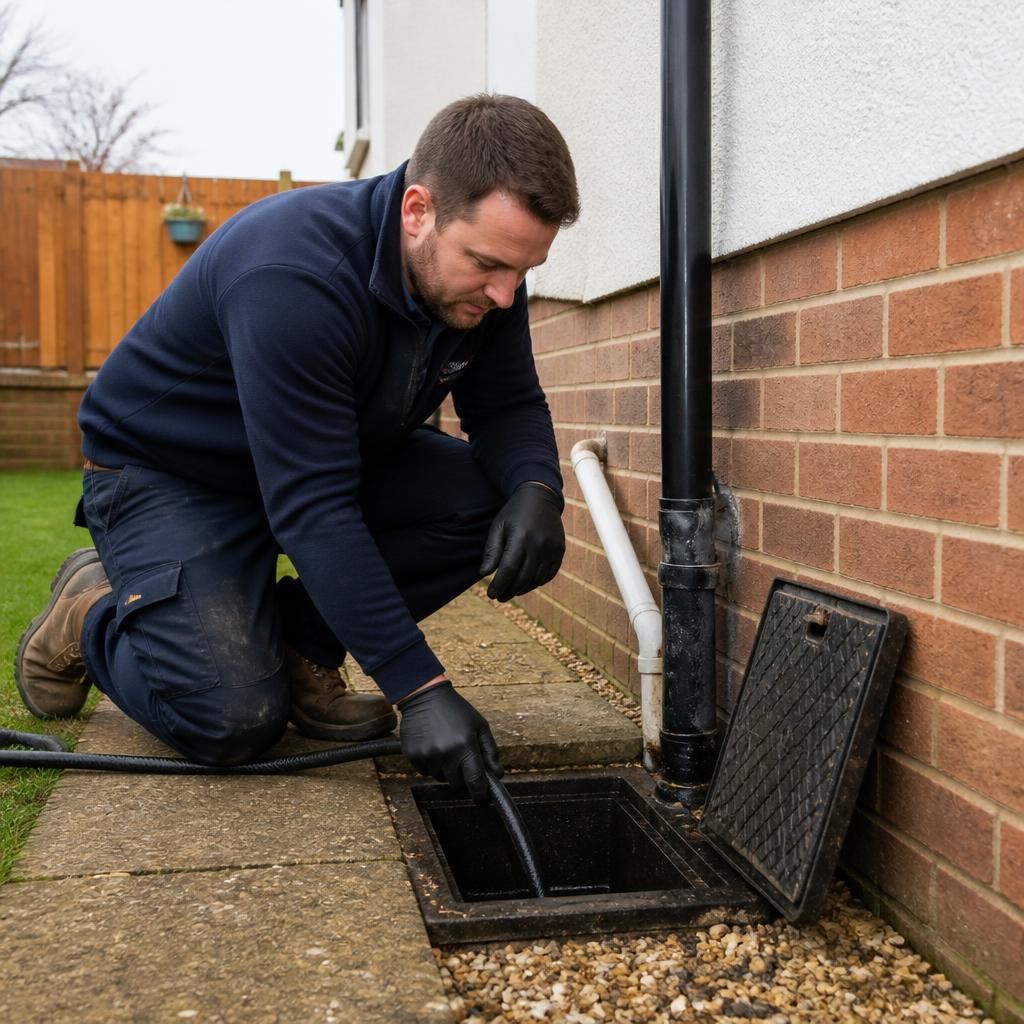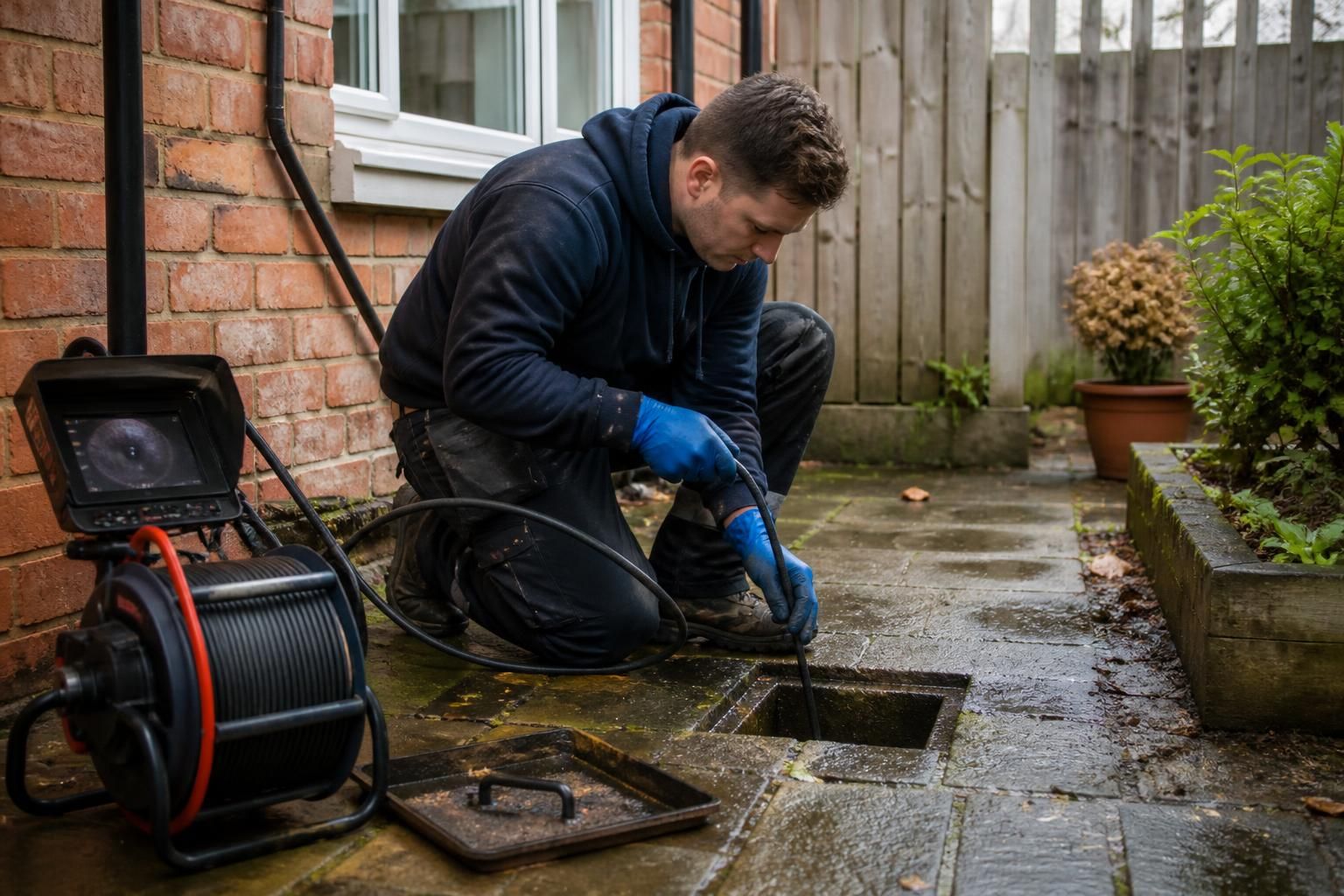
Responsibility for unblocking an outside kitchen drain at a rented property usually depends on where the blockage is located, what caused it and what the tenancy agreement says. A landlord will generally deal with defects or blockages affecting the property’s drainage system, while a tenant may be charged where the obstruction resulted from misuse, neglect or a failure to take reasonable care.
Check the tenancy agreement first. It may explain who must report drainage problems, arrange repairs and pay for particular types of maintenance. This wording is useful, but it does not necessarily make a tenant responsible for defects arising from the property’s structure, installation or normal use. If the agreement is unclear, the tenant should report the issue to the landlord or letting agent before authorising non-urgent work.
In practical terms, the likely responsibilities are as follows:
- Landlord: usually responsible for blocked, damaged or defective drainage serving the property where the issue is not the tenant’s fault.
- Tenant: potentially responsible where unsuitable items, excessive grease, food waste or other misuse caused the obstruction.
- Letting agent: may organise the contractor on the landlord’s behalf and provide instructions about reporting repairs.
- Water or sewerage provider: may be responsible if the problem is in a public sewer rather than the property’s private drain.
The position can be less straightforward where several homes share the same drain. A blockage in a shared private section may involve the landlord, managing agent or more than one property owner. A drainage professional can help establish whether the obstruction is within the rented property’s pipework, a shared drain or the public sewer network. This distinction should be confirmed before deciding who should pay.
What a tenant should do
- Tell the landlord or letting agent as soon as the drain begins to overflow, drain slowly or emit persistent foul odours.
- Describe what is happening and identify whether wastewater is affecting the kitchen, garden, paving or neighbouring property.
- Send photographs or a short video if it is safe to do so. This can record the condition before work starts.
- Ask whether the landlord wants to appoint a particular drainage contractor.
- Keep messages, invoices and written instructions, particularly if there is a dispute about the cause or cost.
A tenant should avoid pouring strong chemical drain cleaners into an outside drain. They may fail to clear a substantial obstruction, damage pipework or create a hazard for anyone who later opens the drain. Do not remove covers or enter a chamber containing standing wastewater unless it can be done safely. Children and pets should also be kept away from contaminated water.
If the drain is overflowing close to the property, wastewater is entering the building, or a toilet or sink cannot be used, the problem should be reported as a repair requiring prompt attention. If the landlord or agent cannot establish the cause, an inspection may involve checking the chamber, tracing the pipe route and using drainage equipment to identify the obstruction. The findings should distinguish between a blockage caused by the occupier and a pre-existing, structural or external problem.
Can a tenant arrange the work themselves? For a minor issue, the tenancy agreement may allow the tenant to deal with basic maintenance. However, outside kitchen drains can connect to more extensive pipework, so arranging significant work without informing the landlord can lead to disagreement over reimbursement. Unless there is an immediate risk of damage or the agreement gives clear permission, the safer approach is to notify the landlord or agent and obtain written approval before instructing a contractor.
Where the landlord disputes responsibility, the tenant should ask for the reason in writing and provide any inspection evidence. A contractor’s report may state whether the obstruction appears consistent with normal use, foreign objects, grease accumulation, root ingress, collapsed pipework or another fault. Tenants should not accept liability simply because the drain is located within the garden; the location of the blockage and its cause are more relevant than the position of the cover.
For a rented property in Birmingham or elsewhere in the West Midlands, Ideal Plumbing Services can assess an outside kitchen drain, identify the likely source of the problem and explain what work is required. The tenant or landlord can then use the inspection findings to decide the appropriate next step and clarify responsibility for the cost.